Mexico · Estado de Yucatán
Where to Stay in Mérida, Estado de Yucatán
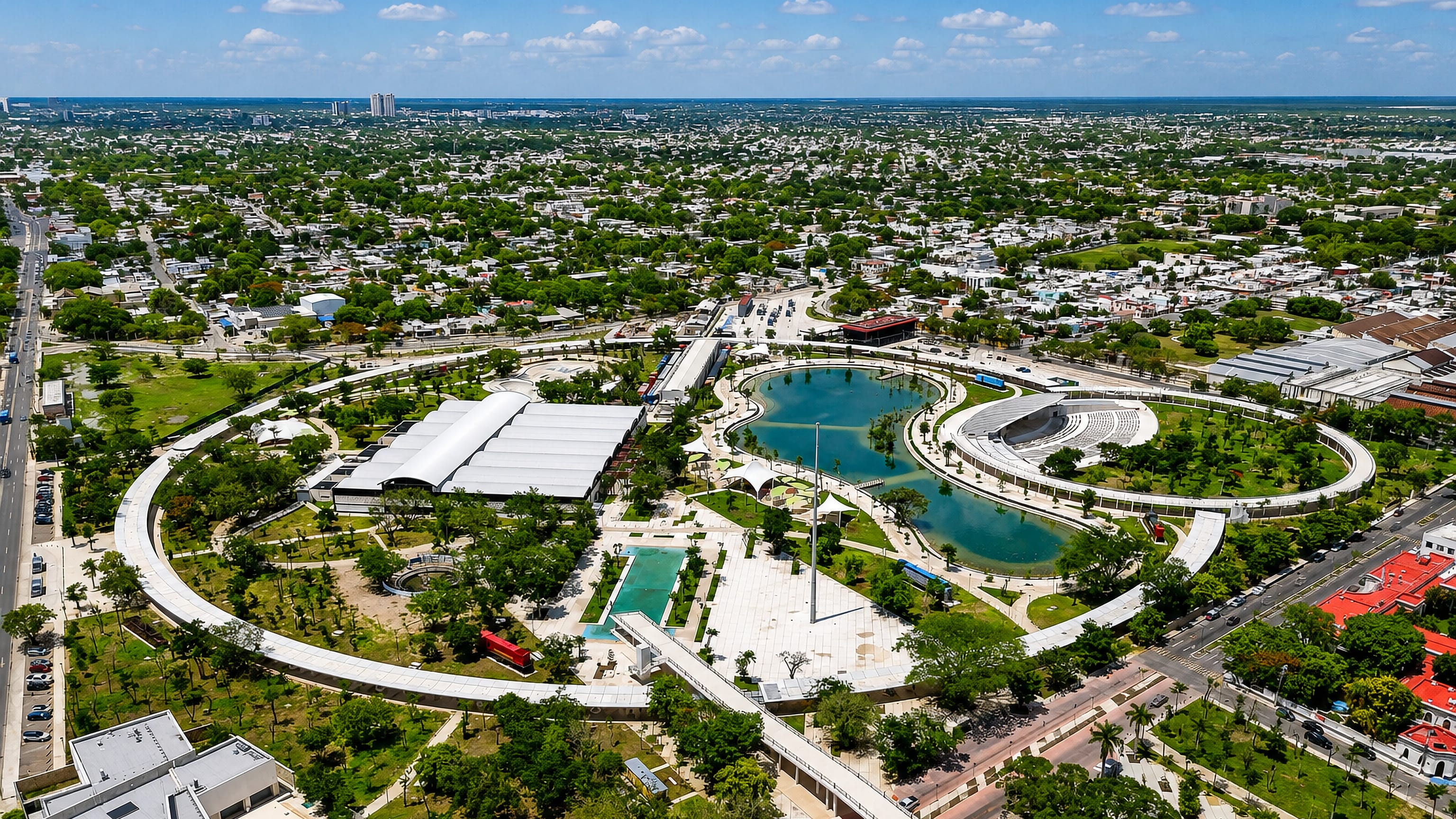
Pale limestone fronts the streets of Mérida, capital of Estado de Yucatán, known for the Palacio Cantón and the Plaza de toros de Mérida.
Hotel links are affiliate links: booking through them may earn us a commission, at no extra cost to you. It never affects how places are ranked. How this works


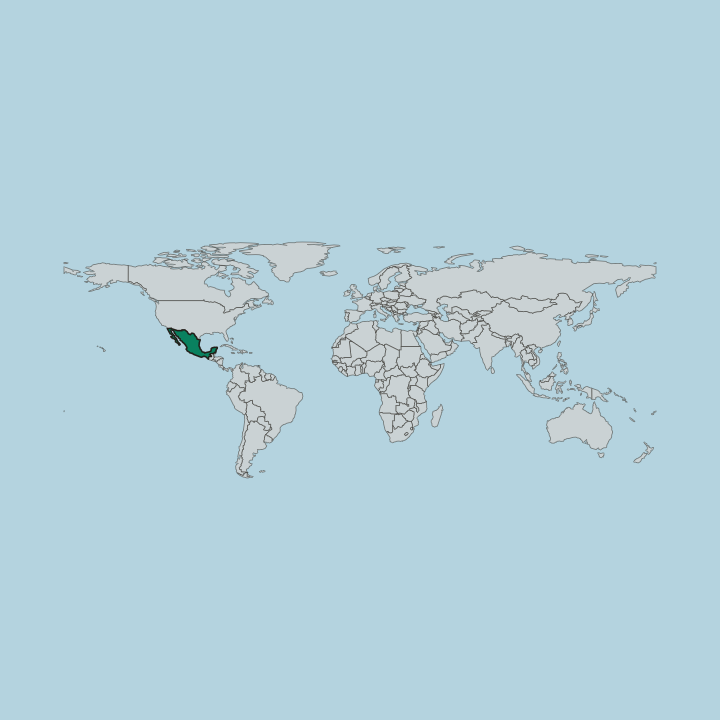
Where to stay in Mérida
Where visitors usually base themselves, and why.
Mérida spreads its lodging across a broad grid, and where you stay in the capital of Estado de Yucatán turns on how close you want to be to its monuments and museums. The core around the Palacio Cantón holds the widest choice. Grand houses along the avenue near the Palacio Cantón carry many of the city's hotels and guesthouses, within walking reach of the museums, and this quarter suits first-time visitors who want the civic centre on their doorstep.
The blocks near the Palacio de la Música Mexicana run quieter. Streets around the Palacio de la Música Mexicana and the Parque del Centenario keep a calmer, residential feel while staying close to the park and its walks, useful if you want green space and shade over the busier centre. Beds thin toward the edges.
Out past the Plaza de toros de Mérida the grid gives way to workaday districts with fewer rooms, better for a longer, slower stay than a short first visit. Plan on the museum core for the widest range.
Find hotels in Mérida
Direct booking searches for these neighbourhoods.
The avenue near the Palacio Cantón
Grand mansion-lined blocks by the Palacio Cantón hold most of Mérida's hotels within walking reach of its museums.Find hotels in The avenue near the Palacio Cantónquieter nights near green spaceBlocks by the Parque del Centenario
Calmer residential streets around the Palacio de la Música Mexicana and the Parque del Centenario, close to the park's walks and shade.Find hotels in Blocks by the Parque del Centenarioa longer, slower stayThe grid past the Plaza de toros de Mérida
Workaday districts beyond the Plaza de toros de Mérida with fewer rooms, suited to a slower stay than a short first visit. Lodging is scarce in this area; reserve in advance.Find hotels in The grid past the Plaza de toros de MéridaHotel links are affiliate links: booking through them may earn us a commission, at no extra cost to you. It never affects how places are ranked. How this works
About Mérida
What is Mérida known for?
Mérida is known as the capital of Estado de Yucatán and the built heart of the Yucatán plain. The city carries a long line of civic monuments and museums, from the Palacio Cantón to the Palacio de la Música Mexicana, and its Spanish colonial founding still shapes the grid of low limestone streets. Music runs through it.
Broad avenues gather at the Parque del Centenario and the Plaza de toros de Mérida, while the Korean Immigration Museum records one strand of the many peoples who settled the port hinterland behind the city.
What are the main landmarks in Mérida?
Mérida gathers its landmarks around the civic avenues of Estado de Yucatán's capital. The Palacio Cantón anchors the museum row, and the Palacio de la Música Mexicana stands nearby among the grandest of the city's public buildings. Monuments punctuate the streets.
The Antimonumenta and the equestrian monument to Pedro Infante mark two of them, while the Korean Immigration Museum keeps the record of the peoples who settled the hinterland, and the Plaza de toros de Mérida and the green expanse of the Parque del Centenario draw the crowds at the edge of the old grid.
What is the history of Mérida?
Mérida was founded in 1542 by Spanish settlers on the site of an older town, and grew into the capital of Estado de Yucatán. The conquerors laid a grid of streets around a central square and raised churches and mansions from the pale limestone of the plain, so that the colonial core still governs the shape of the modern city. Stone told the story.
Generations of building in that soft white rock gave Mérida the look it carries in the Palacio Cantón and its avenue of grand houses, put up as the fortunes of the surrounding countryside flowed into the capital. The city drew many peoples. Beyond the Spanish founders and the older peoples of the land, later arrivals settled the port hinterland, a strand the Korean Immigration Museum was raised to record within the capital.
Civic pride shaped the streets. Monuments went up across the grid, from the equestrian monument to Pedro Infante to the later Antimonumenta, and the Plaza de toros de Mérida and the Parque del Centenario gave the growing city its public gathering grounds. That long layering of founding, building, and settlement made Mérida the seat it remains.
Where is Mérida?
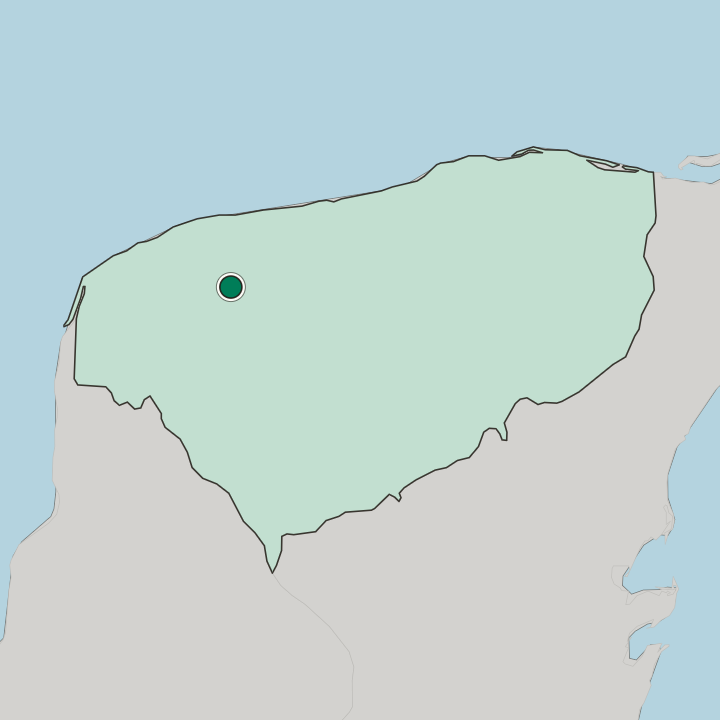
Mérida stands on the flat limestone plain of Estado de Yucatán, the state it serves as capital. The city sprawls across a broad, low grid of streets with little relief to break it, the pale rock lying close beneath the ground and shaping the wells, walls, and buildings of the plain. The land runs level in every direction.
Around the Parque del Centenario and out past the Plaza de toros de Mérida the grid spreads over open country, and the wide avenues that carry the Palacio Cantón and the Palacio de la Música Mexicana ride that same even ground.
What is the climate of Mérida?
Mérida has a hot tropical climate on the low plain of Estado de Yucatán. Heat holds through the year over this level limestone country, and the weather turns instead on the rains, which gather in a long wet season that soaks the plain before the drier months return. Any shade counts in Mérida.
The trees of the Parque del Centenario and the arcaded streets around the Palacio Cantón give relief from the sun, while the open grid past the Plaza de toros de Mérida bakes under the tropical light for much of the year.
How do you get to Mérida?
Mérida is the road and rail hub of Estado de Yucatán and the easiest place in the state to reach. Wide highways run in across the flat plain from every direction, threading through the low limestone country toward the central grid, and the capital gathers the bus routes and services of the surrounding land. Streets fan out from the core.
From the avenues around the Palacio Cantón and the Palacio de la Música Mexicana the grid carries traffic out past the Parque del Centenario and the Plaza de toros de Mérida to the edges of the city and the open country beyond.
Common questions
What is the best area to stay in Mérida?
The avenue near the Palacio Cantón: first-time visitors near the museums. Blocks by the Parque del Centenario: quieter nights near green space. The grid past the Plaza de toros de Mérida: a longer, slower stay.
Good for
Updated September 2026