Malaysia · Sarawak
Where to Stay in Sibu, Sarawak
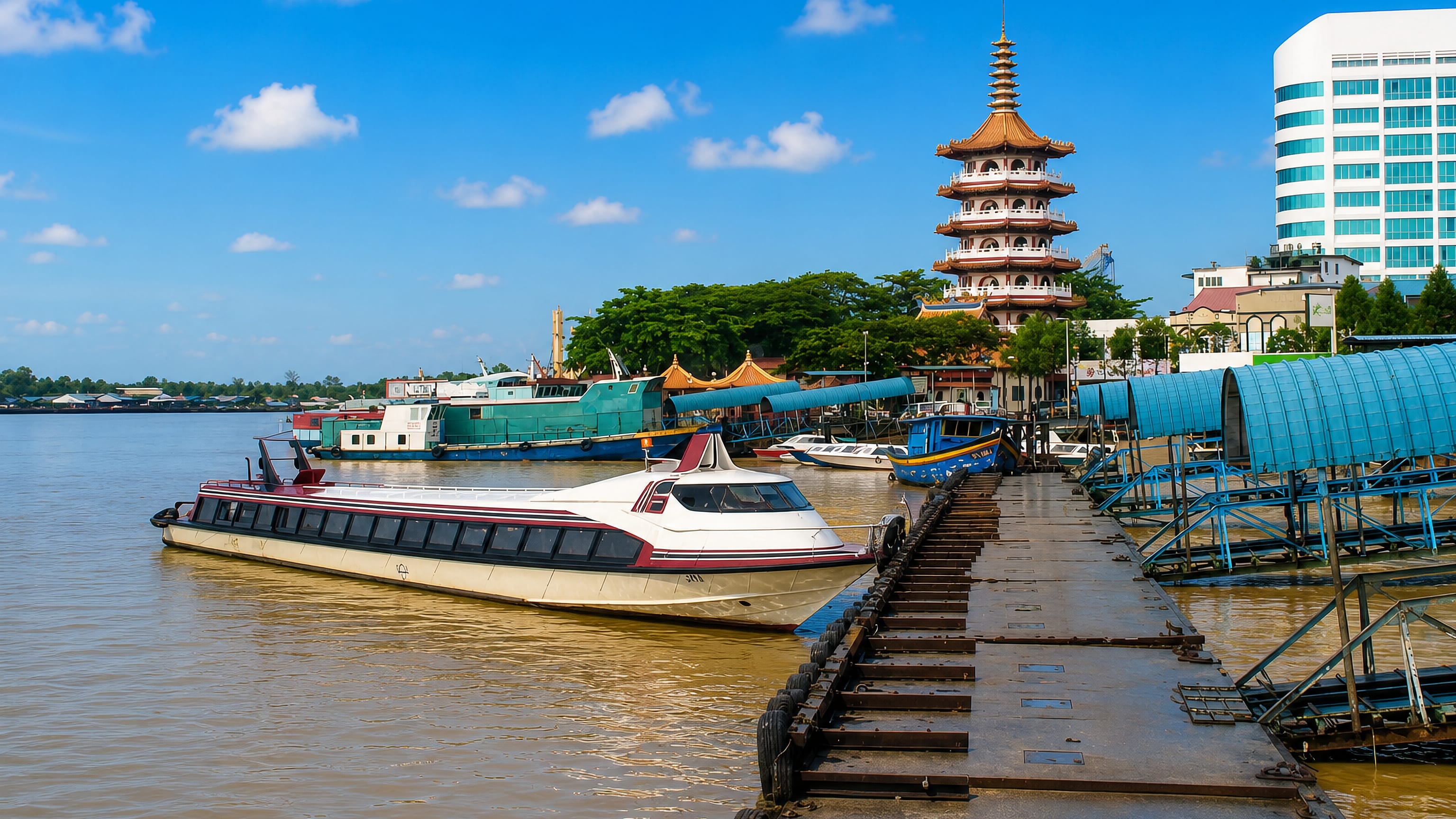
Sibu stands at the confluence of the Rajang and Igan rivers in Sarawak, a Borneo river city whose founding is dated to 1862.
Hotel links are affiliate links: booking through them may earn us a commission, at no extra cost to you. It never affects how places are ranked. How this works


Where to stay in Sibu
The practical side of choosing where to sleep.
The wharves come first. Rooms near the Rajang put the boat departures for the interior within reach, which matters because those sailings, and not the city itself, are what brings most travellers to Sibu. Central streets are the alternative.
The Sacred Heart Cathedral and the Lau King Howe Hospital Memorial Museum both stand in the built-up core, so a stay there trades the water's edge for the two places worth an hour on foot. Igan meets the Rajang at the city's edge, and the confluence is what put Sibu where it is. Sibu is not a long stop.
Most stays run to a night before or after a journey up the Rajang, and the city's rooms answer to that kind of transit rather than to a week's holiday. Kuching is the other bed. The state capital lies roughly 191.5 kilometres south-west, far enough that it belongs to a different stage of a Sarawak trip rather than to a night's fallback. The sea is closer than it looks.
Some 60 kilometres separate Sibu from the South China Sea, so the city sits inland by river measure while still lying within reach of the coast.
Few places to stay in Sibu — most visitors book in Kuching nearby.
Find hotels in Sibu
Direct booking searches for these neighbourhoods.
Rajang waterfront
The boat departures for the small towns upriver leave from this edge of Sibu, and a room here shortens the walk to them.Find hotels in Rajang waterfrontA night within walking distance of the Sacred Heart CathedralCathedral quarter
The Sacred Heart Cathedral and the Lau King Howe Hospital Memorial Museum stand in the same built-up core of Sibu.Find hotels in Cathedral quarterHotel links are affiliate links: booking through them may earn us a commission, at no extra cost to you. It never affects how places are ranked. How this works
About Sibu
River traffic is the point.
What is Sibu known for?
Sibu serves as the transfer point for boats heading up the Rajang towards the small towns of Borneo's interior, which is a working role rather than a sightseeing one. Tourism was never the draw. The Sacred Heart Cathedral and the Lau King Howe Hospital Memorial Museum give the centre its two set pieces, and the rest of the city answers to Sibu Division business and the water.
What are the main landmarks in Sibu?
Two buildings hold the record. The Sacred Heart Cathedral gives Sibu its principal church and the Lau King Howe Hospital Memorial Museum carries the hospital's memory in its name, which between them account for most of what a visitor walks to in the centre. The river does the rest.
Boat departures up the Rajang are what most arrivals come for, and the wharves serve as the city's working landmark without a monument attached.
What is the history of Sibu?
The junction came first. Sibu's founding is set at 1862, and the site chosen was the meeting of the Rajang and the Igan, a position that put the settlement on the route into the interior of Borneo. The river carried everything.
Traffic up the Rajang towards the small towns upstream made Sibu a transfer point, and that function has outlasted every other reason the city has had to exist. The 129.5 square kilometres it covers still centre on that junction of water. Borneo's interior begins upstream.
Two institutions mark the later city. The Sacred Heart Cathedral and the Lau King Howe Hospital Memorial Museum are the two buildings its record keeps, one a church and the other a museum named for the hospital it commemorates. Kuching kept the state capital.
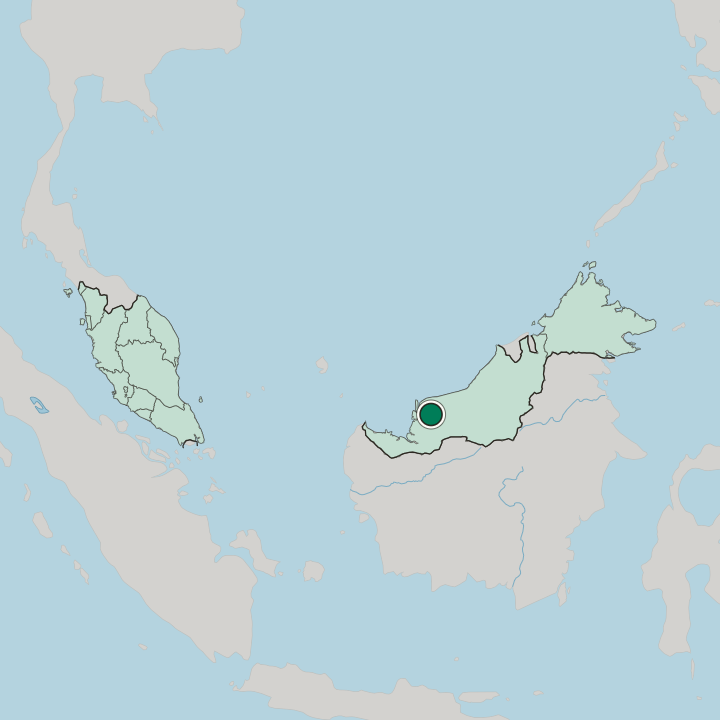
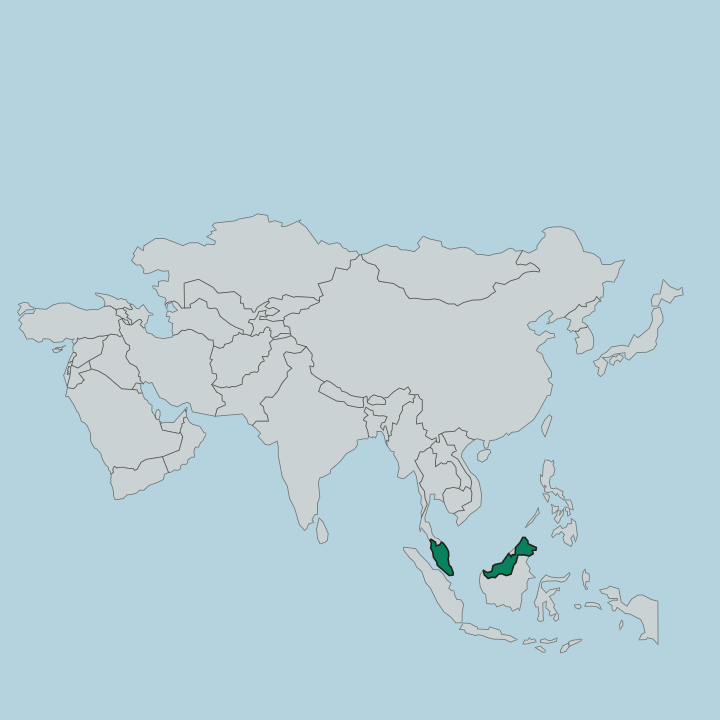
Sibu sat roughly 191.5 kilometres north-east of it in the middle of Sarawak, near enough to the South China Sea at some 60 kilometres to matter for trade, and far enough inland to belong to the river rather than the coast. East Malaysia is the wider name for this half of the country, and Sibu District and Sibu Division are the administrative frame within it.
Where is Sibu?
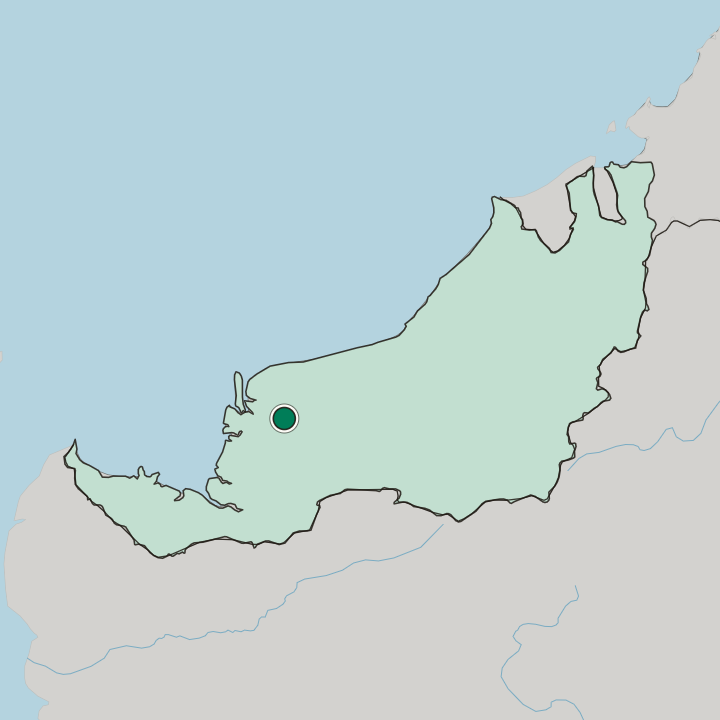
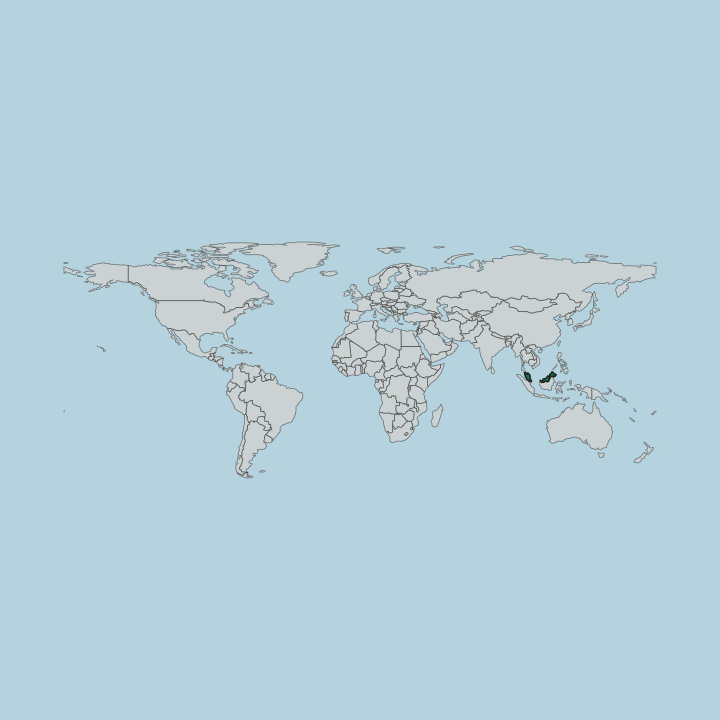
Rivers make the map here. Sibu stands at the confluence of the Rajang and the Igan on Borneo, roughly 60 kilometres from the South China Sea and about 191.5 kilometres north-east of Kuching. The interior lies upstream.
Small towns along the Rajang take their connection to the coast through Sibu, which is what makes the city the hinge between the sea and the inland settlements of Sarawak.
What is the climate of Sibu?
The South China Sea is 60 kilometres off. That proximity, with the Rajang running through the city, holds Sibu inside the tropical band's wet and even pattern, where the air stays heavy and the year carries no cold season. Rain feeds the river.
The same rainfall that fills the Rajang is what a visitor plans around, since the wet is the constant rather than the exception on this side of Borneo.
How do you get to Sibu?
Boats are the reason to come. Sibu is the transfer point for river services up the Rajang to the small towns of Borneo's interior, which is the connection the city is known for across Sarawak. Kuching lies south-west.
Some 191.5 kilometres separate the two, and arrivals into Sibu Division generally come from that direction or in off the South China Sea coast some 60 kilometres away.
Common questions
What is the best area to stay in Sibu?
Rajang waterfront: Early sailings up the Rajang towards the interior. Cathedral quarter: A night within walking distance of the Sacred Heart Cathedral. Kuching: The larger base 191.5 kilometres south-west of Sibu.
More cities in Sarawak
Updated September 2026