Namibia · Erongo
Where to Stay in Swakopmund, Erongo
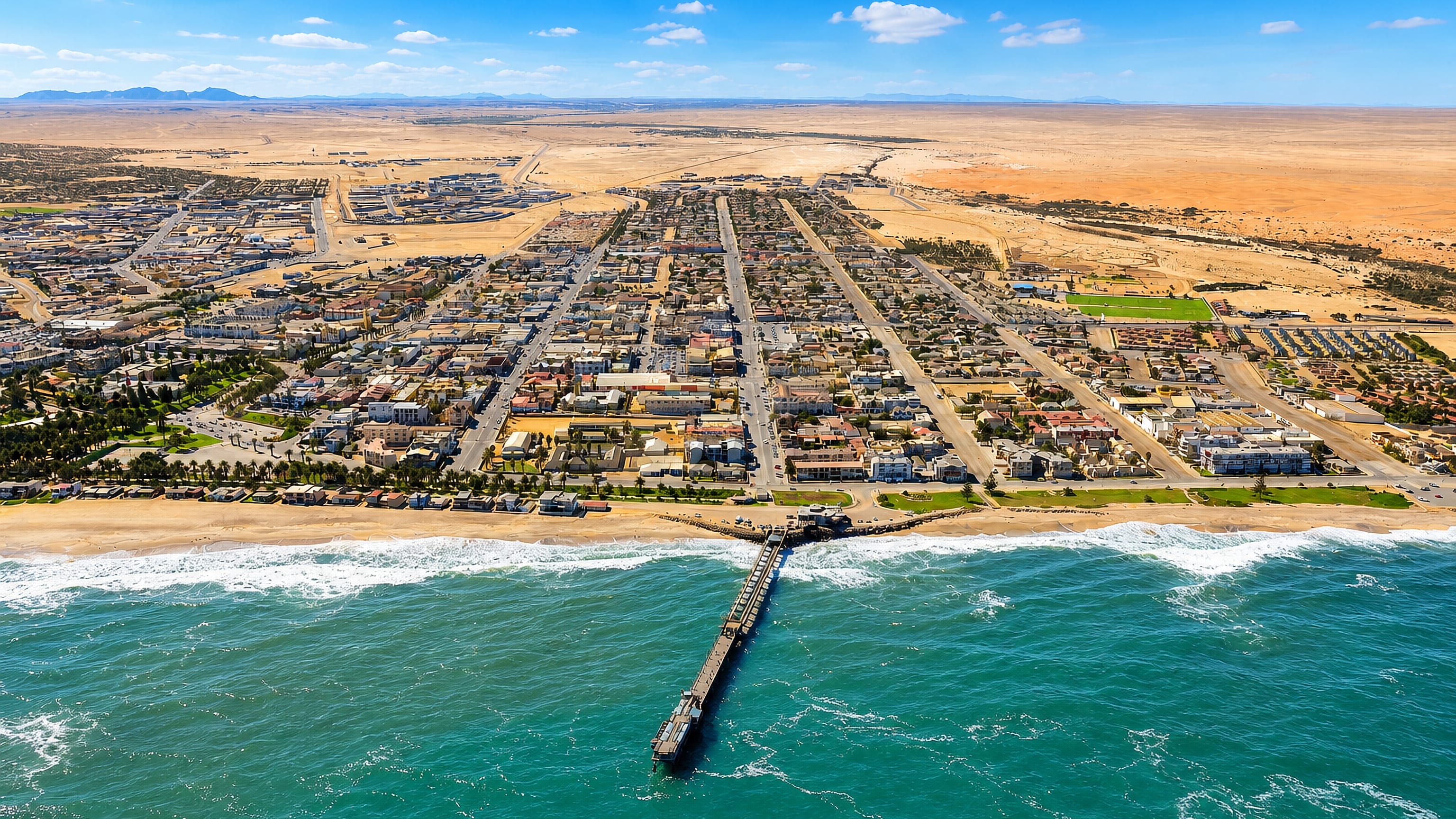
Swakopmund is a town of Namibia on the Atlantic, an old German resort of gabled houses and palm streets, where the Namib Desert reaches the cold sea.
Hotel links are affiliate links: booking through them may earn us a commission, at no extra cost to you. It never affects how places are ranked. How this works


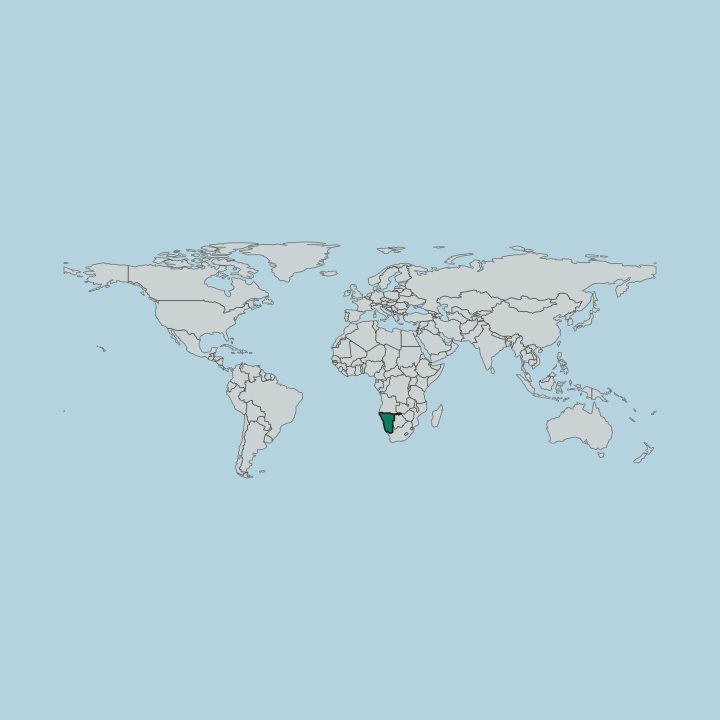
Where to stay in Swakopmund
Where visitors usually base themselves, and why.
Where you stay in Swakopmund turns on the old town or the coast. The streets around the jetty keep the colonial houses, the museum, and the seafront within a walk, and staying downtown suits anyone here for the old town. The cold surf breaks below.
Fog drifts through the palms. Out toward the dunes and the desert, the town gives way to the Namib sands, the salt pans, and the road to Walvis Bay. A room by the sea trades the streets for the beach walks, the dune drives, and the cold Atlantic shore.
The dunes run gold to the east. Stay downtown for the old town, or out for the dunes. The desert and the ocean press in on both sides.
Find hotels in Swakopmund
Direct booking searches for these neighbourhoods.
The old town
Around the seafrontFind hotels in The old townStays wanting the Namib and beachesThe dunes and coast
Out toward the desertFind hotels in The dunes and coastHotel links are affiliate links: booking through them may earn us a commission, at no extra cost to you. It never affects how places are ranked. How this works
Things to do in Swakopmund
Ranked by global recognition; descriptions from Wikidata (CC0).
Museums & Galleries
1- Museum Swakopmund
Churches & Religious Sites
2- Evangelical Lutheran Church Heritage
- Our Lady of the Rosary, Swakopmund
Castles & Historic Sites
1- Marine-Denkmal Heritage
Stadiums & Sports
1- The Dome
worth knowingacross 4 categories in Swakopmund
About Swakopmund
Swakopmund is the German seaside town of the Namib coast.
What is Swakopmund known for?
Where the desert dunes run down to the cold Atlantic in Namibia, it grew as the old harbour of the German colony, and it keeps the colonial gabled houses and church of the old town, the long wooden jetty over the surf, the towering dunes of the Namib along the shore, and the seaside promenade below the lighthouse. The cold sea rolls in from the west. Dunes rise gold beyond the town.
What are the main landmarks in Swakopmund?
The old jetty is the pride of Swakopmund. The long wooden pier reaching out over the cold Atlantic surf, a relic of the colonial harbour, stands at the edge of town, the emblem of the city, downtown. Great dunes rise inland.
The golden dunes of the Namib climb from the desert's edge nearby, while the gabled colonial houses, the old lighthouse, and the coast to Walvis Bay mark the country around Swakopmund.
What is the history of Swakopmund?
Swakopmund was built as a colonial harbour. In eighteen ninety-two the Germans, ruling the desert coast, laid out a port town where the Swakop river reaches the sea, the one landing on their stretch of coast. A German town rose in the desert.
They built gabled houses, a church, and a long jetty into the surf, so that a corner of old Germany stood between the dunes and the cold Atlantic. The desert and the sea drew travelers. When the harbour work moved south to Walvis Bay, Swakopmund became a quiet seaside resort, where people came to escape the heat inland among the German houses and the surf.
The dunes became a playground. Travelers came for the great dunes of the Namib, the fog-cool coast, and the old colonial town, and Swakopmund grew into the holiday town of Namibia, keeping its gabled streets, its jetty, and its dunes. The cold surf still breaks below the pier.
Swakopmund keeps its German coast on the Namib shore.
Where is Swakopmund?
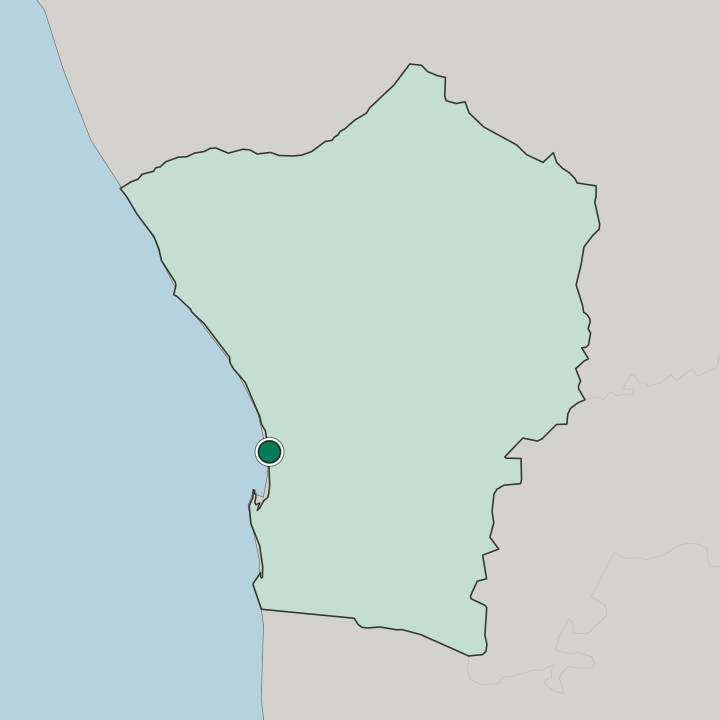
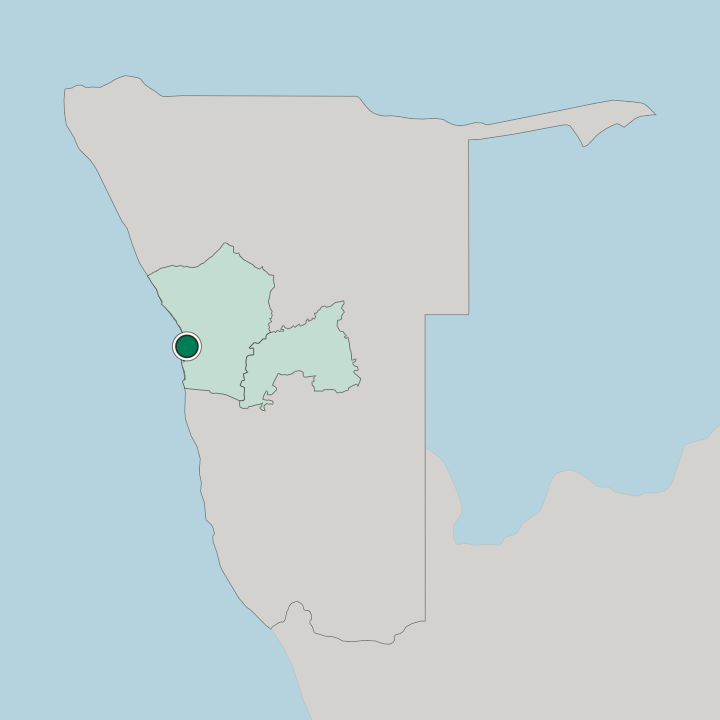
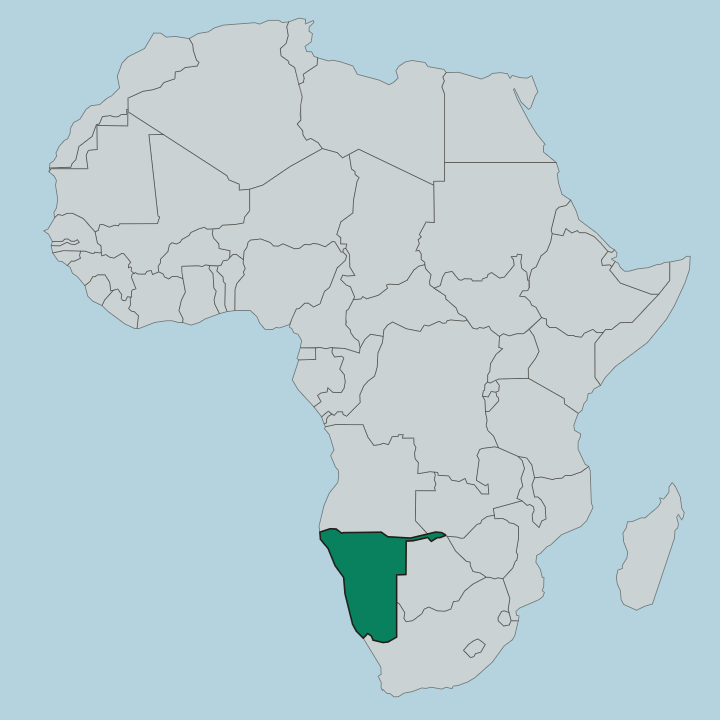
Swakopmund lies on the central coast of Namibia, where the Namib Desert reaches the Atlantic at the mouth of the Swakop river. The town sits on a strip of flat sand between the great dunes and the cold sea, wrapped often in fog off the Benguela current, with the desert running inland to the east and the port of Walvis Bay down the coast to the south. The cold surf pounds the shore.
Dunes run to the edge of town.
What is the climate of Swakopmund?
Swakopmund has a cool, foggy desert climate. Mild dry weather holds all year on the coast, cooled by the cold Benguela sea and wrapped in morning fog, though the desert bakes just inland. The Benguela chills the coast.
Fog cloaks the mornings.
How do you get to Swakopmund?
Swakopmund lies on the coast of Namibia, on the road west from Windhoek. The desert highway and the railway run to it across the Namib from the capital, and the coast road leads south to Walvis Bay. Ships call at the bay.
Windhoek lies east over the desert.
Common questions
What is the best area to stay in Swakopmund?
The old town: Visitors here for the colonial houses and jetty. The dunes and coast: Stays wanting the Namib and beaches.
Good for
Another city in Erongo
Updated September 2026