Namibia: Regions, Cities & Travel Guide
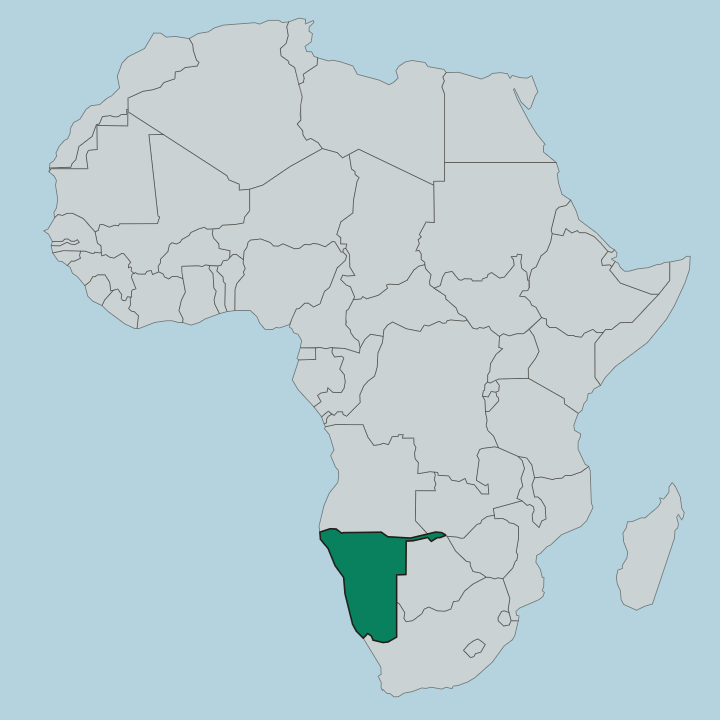
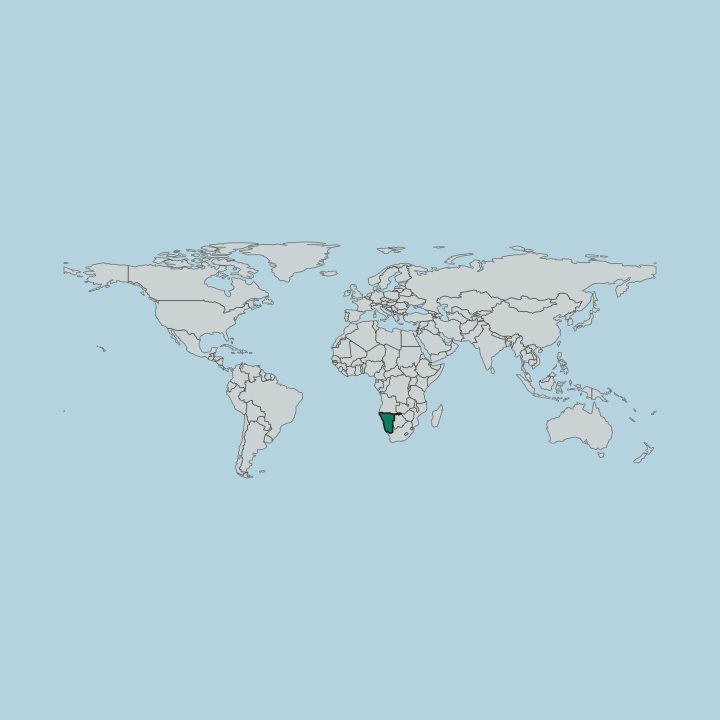
Namibia is a country in southern Africa where the Namib meets the Atlantic, with Windhoek as its capital.
Hotel links are affiliate links: booking through them may earn us a commission, at no extra cost to you. It never affects how places are ranked. How this works


Top destinations in Namibia
Cities to start from, then drill into areas and hotels.
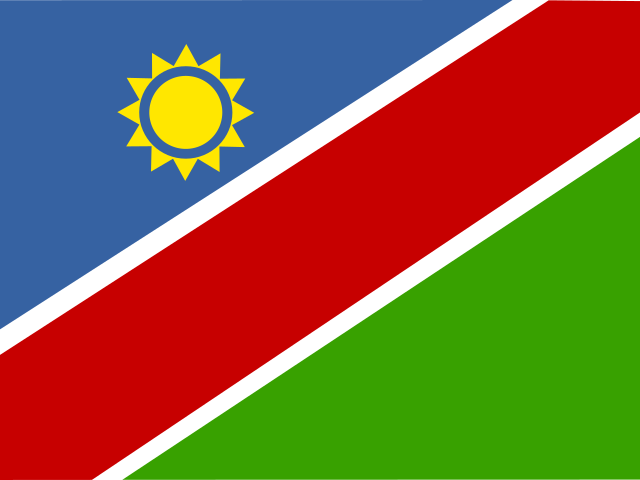 Namibia
Windhoek
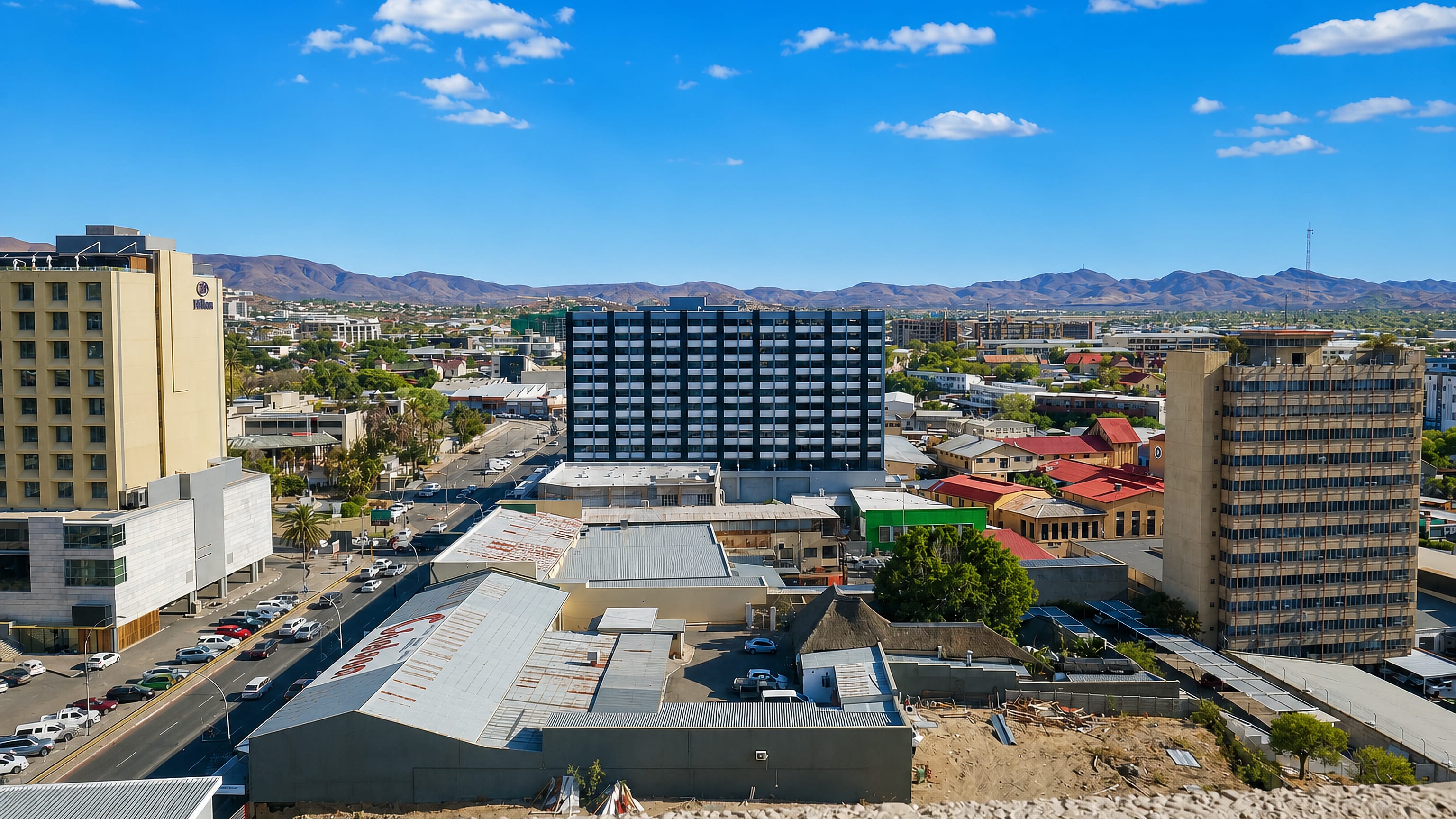
Windhoek sits on the Khomas Highland plateau at the centre of Namibia, the country's capital, known for Christ Church and the Alte Feste.Where to stay →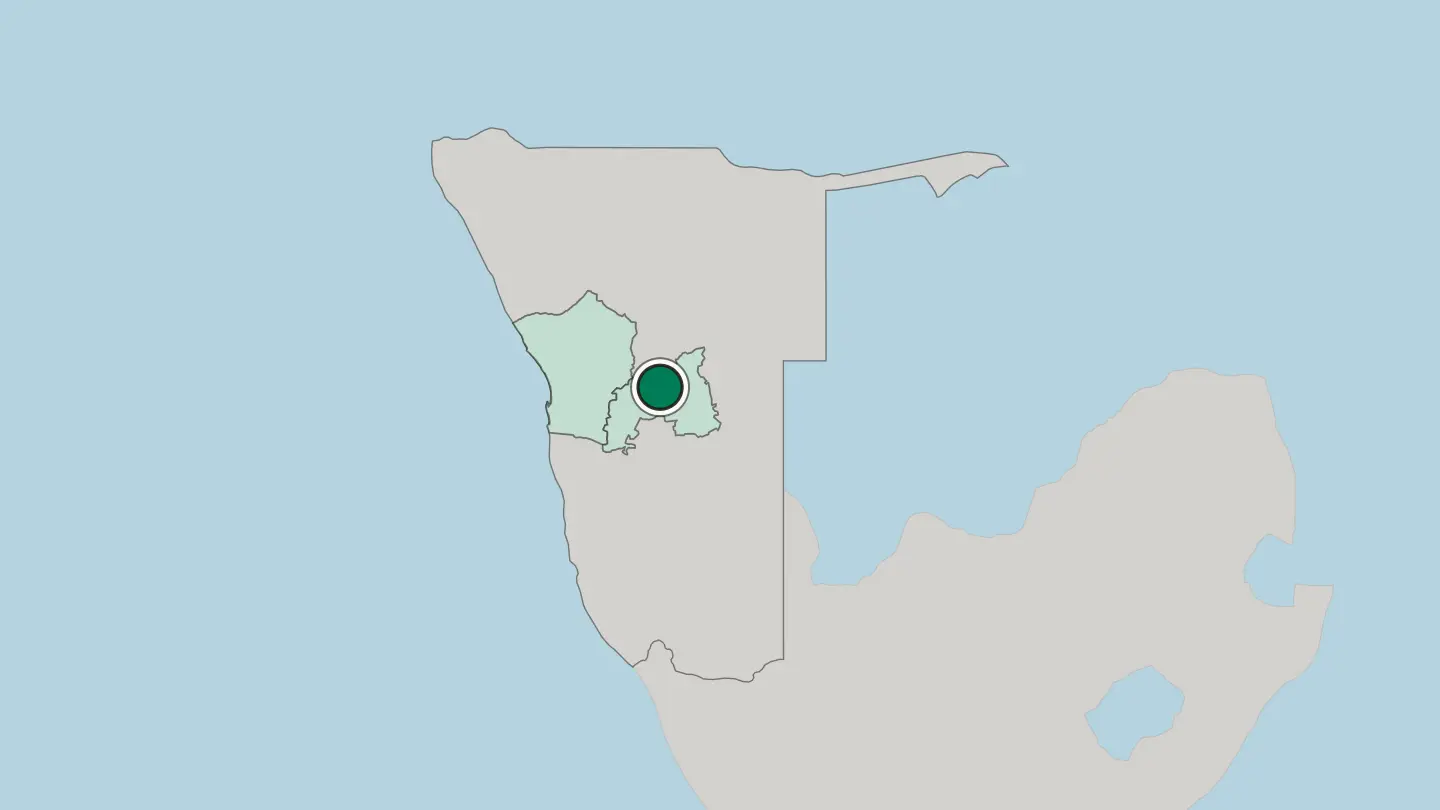
 Namibia
Swakopmund
Swakopmund is a town of Namibia on the Atlantic, an old German resort of gabled houses and palm streets, where the Namib Desert reaches the cold sea.Where to stay →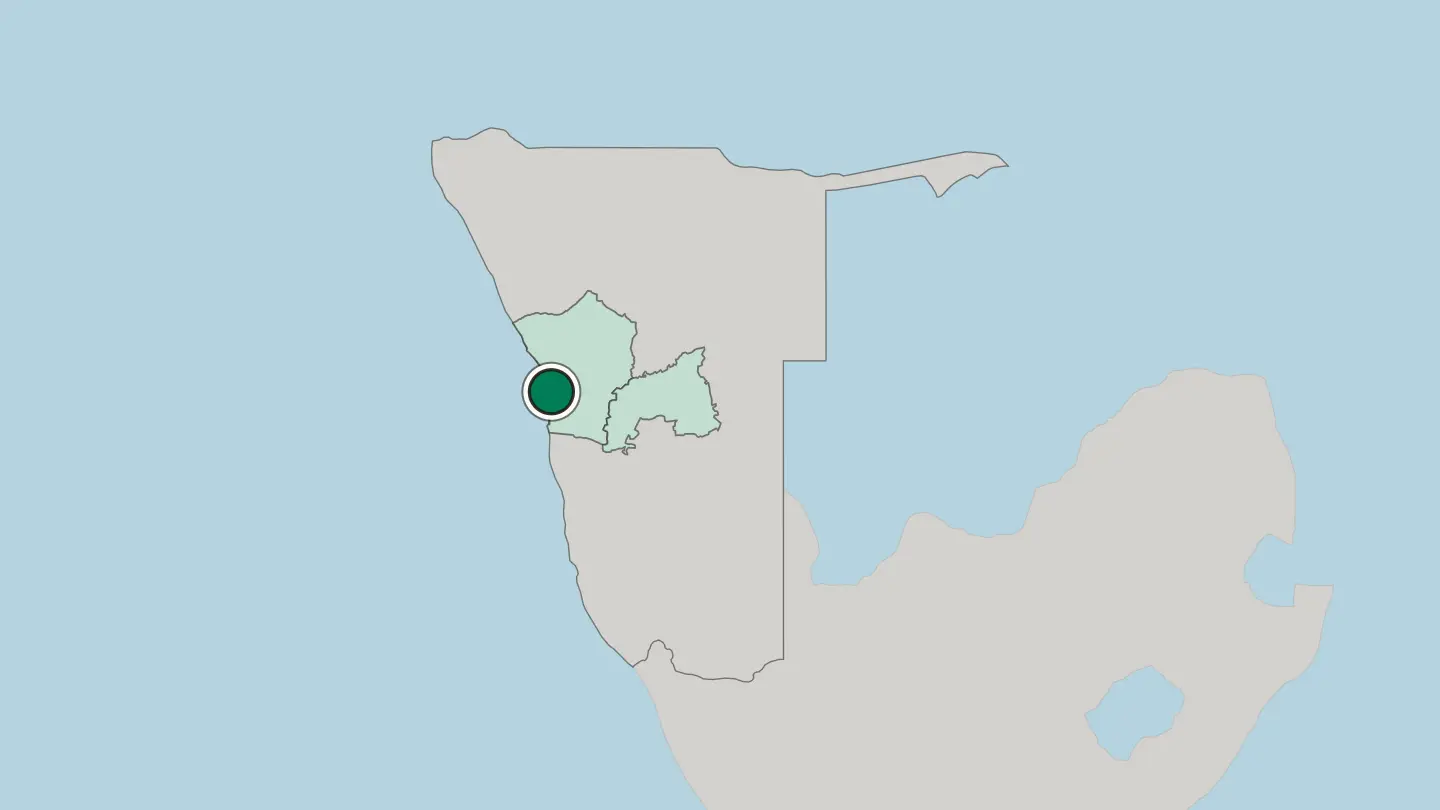
 Namibia
Walvis Bay
Walvis Bay sits on Namibia's Atlantic coast, where a sand spit at Pelican Point shelters the country's only natural deep-water harbour.Where to stay →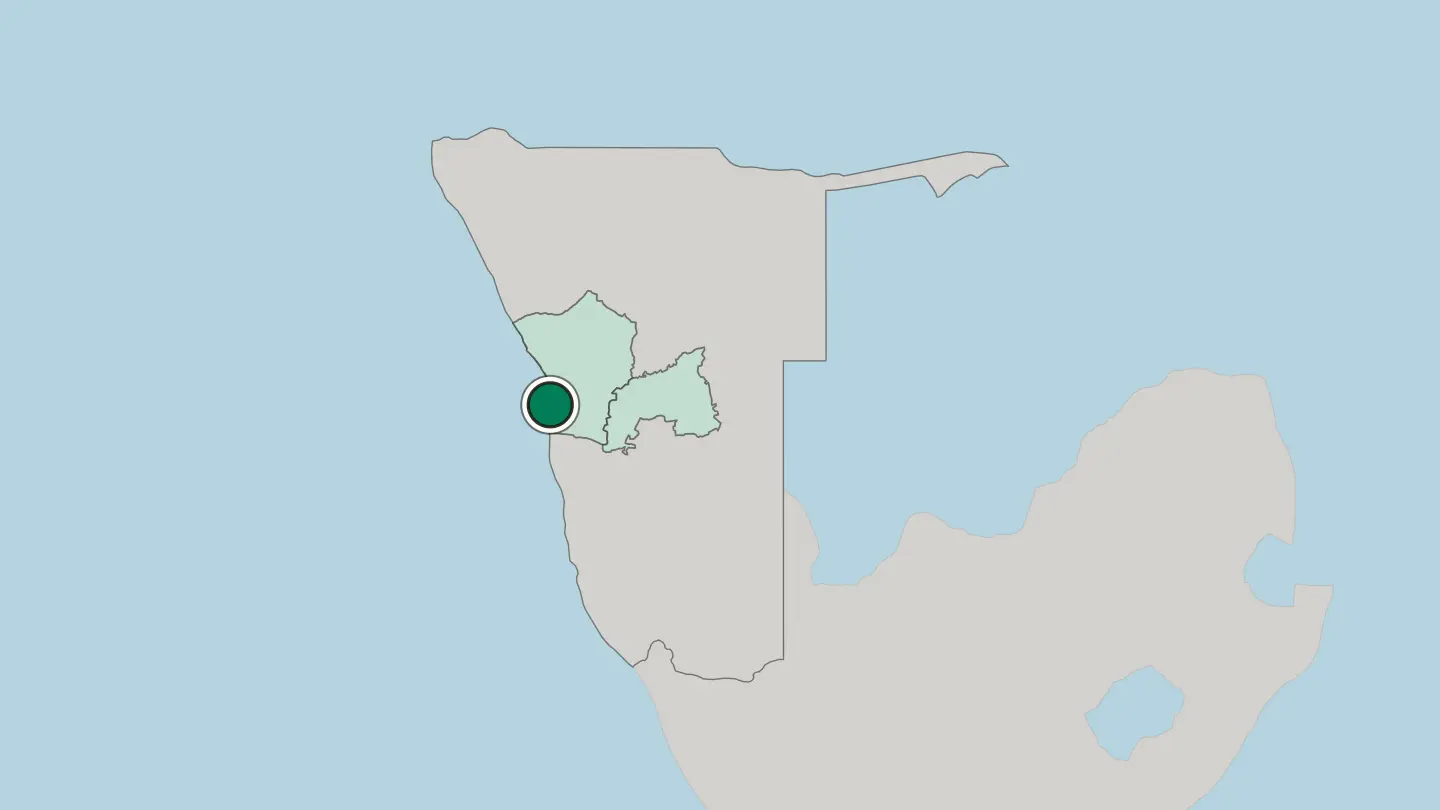
Hotel links are affiliate links: booking through them may earn us a commission, at no extra cost to you. It never affects how places are ranked. How this works
Regions of Namibia
Namibia
Erongo
Erongo is one of Namibia's 14 regions, named for Mount Erongo and administered from Swakopmund.Towns & cities →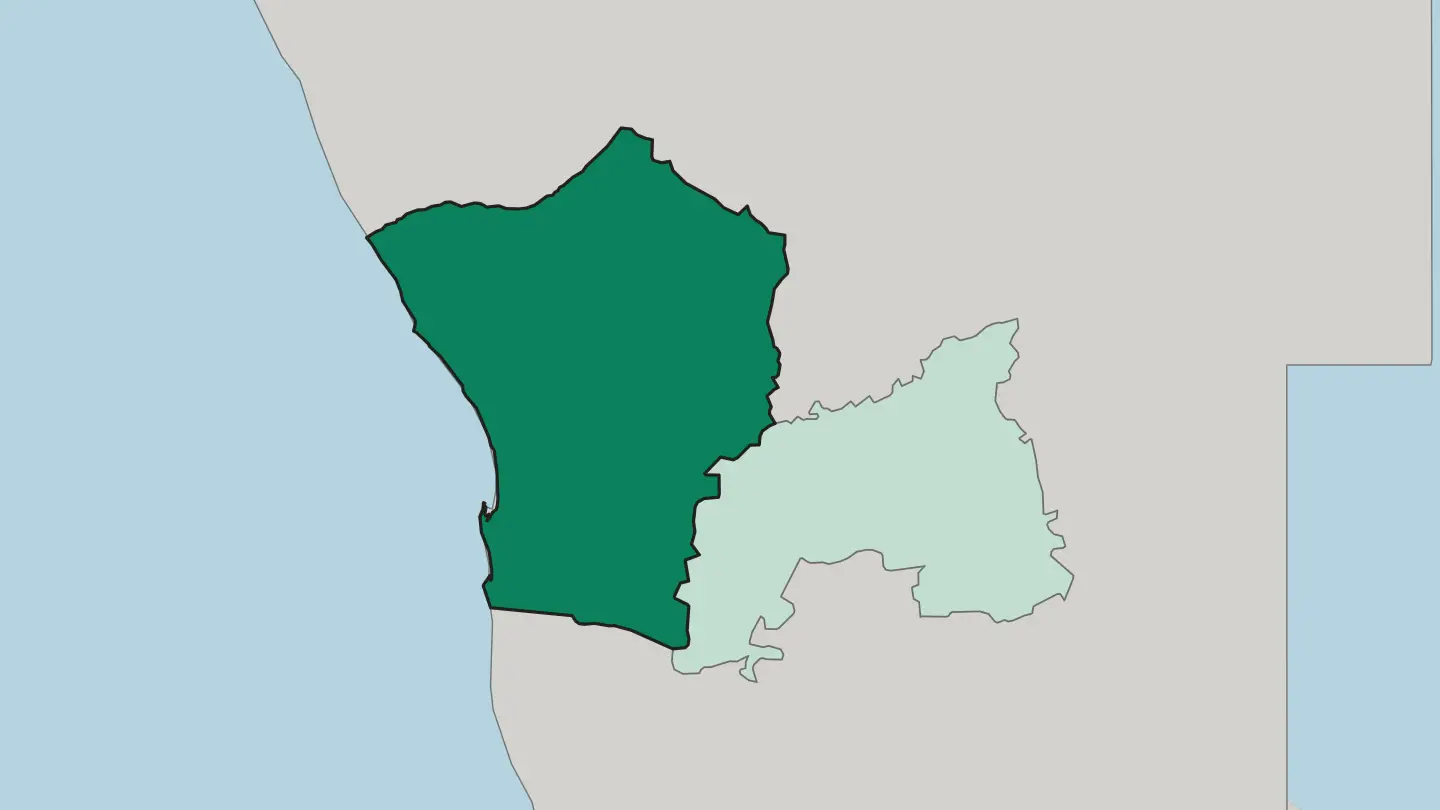 Namibia
Khomas
Khomas is a region of central Namibia on the Khomas Highland, the high plateau that gives it its name and holds the capital, Windhoek.Towns & cities →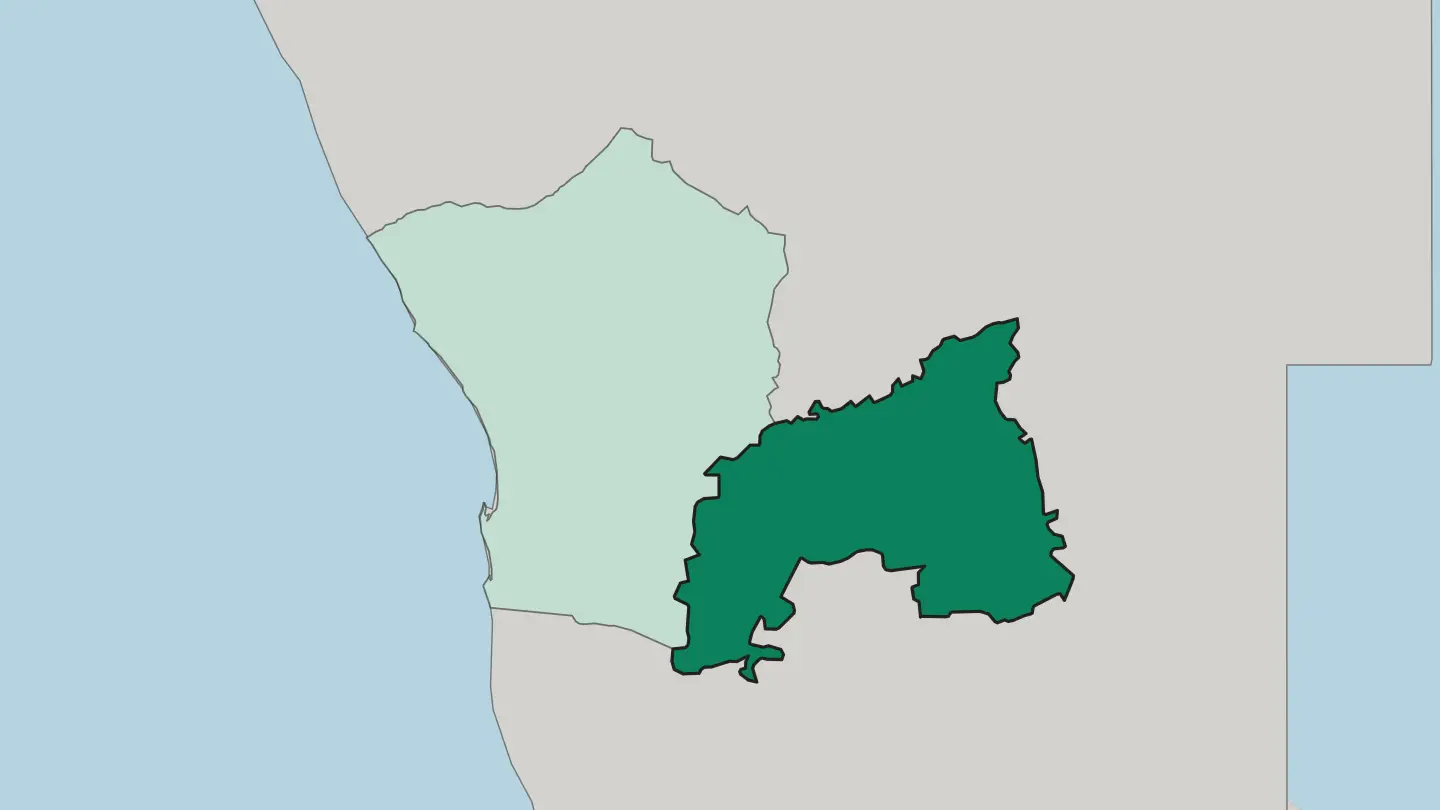
About Namibia
Namibia is desert country on a grand scale.
What is Namibia known for?
The Namib runs the length of its Atlantic edge, its dunes at Sossusvlei glowing rust-red above the cracked pan of Deadvlei. Wildlife draws travellers north. The salt glare of Etosha National Park gathers elephant and rhino at its waterholes, while the Fish River Canyon carves a vast gorge into the arid south.
Windhoek anchors the highland interior between them.
Where is Namibia?
Namibia is a large, dry country wrapped around the oldest desert on earth. Along its whole western edge the Namib runs down to the Atlantic, a belt of gravel plains and towering dunes that rise to their highest near Sossusvlei, where wind-heaped sand walls the white clay pan of Deadvlei. Behind that coastal strip the land steps up.
A central plateau carries the highland around Windhoek before the ground falls away eastward toward the sand-and-scrub expanse of the Kalahari. The country's edges are drawn by desert and by rivers alike. In the south the Fish River has ground out the Fish River Canyon, a gorge second in scale only to the Grand Canyon; in the far north-east a narrow finger of land, the Zambezi Region, reaches toward the great rivers and stays green where the rest is bone-dry.
The north holds another defining feature. Etosha National Park spreads around a salt pan so wide it shows from space, its glare drawing game across the surrounding bush. Rust-coloured rock country fills the north-west around Damaraland, folded and volcanic and thinly grassed.
From the fog-wrapped shore to the red interior, the land is arid almost everywhere and empty on a scale few countries match.
What is the history of Namibia?
Namibia's past is short as a state and long as a homeland. Herero and Nama pastoralists, San hunter-gatherers, and the Ovambo farmers of the well-watered north had held this land for centuries before any European claimed it. That changed in 1884.
Germany declared the territory German South West Africa and, when the Herero and Nama rose against settler seizures of land and cattle, waged a war of extermination whose camps killed tens of thousands and still shadows relations with Berlin. The diamond rush left its own mark. Prospectors threw up the town of Lüderitz and, out in the dunes, the mining settlement of Kolmanskop, later swallowed by the sand.
After the First World War the colony passed to South Africa under a League of Nations mandate, and apartheid rule followed. Resistance hardened into a liberation struggle led by SWAPO, strongest among the Ovambo of the north, and a long bush war ground on across the border country for decades. Independence came at last in 1990, on the twenty-first of March, with the United Nations overseeing the vote that made Windhoek the capital of a sovereign republic.
The wounds of that century have not vanished. They sit under the surface of a young country still shaping its own account of itself.
What is Namibia like?
Namibia carries many cultures across very few people. The Ovambo of the north form the largest group, alongside Herero, Nama, Damara, San, and a Baster and Afrikaner mix, with a small community of German descent still keeping the old language and trades of the colonial coast. That inheritance shows on the plate.
Kapana, thin strips of beef grilled over open coals and dusted with chilli and salt, is sold from smoky stalls at Windhoek's Single Quarters, while biltong, air-dried and spiced, is chewed everywhere as the country's unofficial staple. Herero women still wear the long Victorian-cut dress and horn-shaped headdress adapted from missionary clothing, turning an imposed style into a proud one. On the coast the German thread persists.
Swakopmund keeps its half-timbered façades, its bakeries and its beer, a Baltic seaside town dropped between desert and cold Atlantic surf. Language braids all of this together. English is the official tongue, yet Oshiwambo, Afrikaans, German, and the click languages of the Nama and San are heard daily across markets, farms, and radio.
Space shapes the culture as much as history does. Distance and drought have bred a self-reliant, outdoor life, and the desert sits at the centre of how the country pictures itself.
What is the climate of Namibia?
Namibia is one of the driest countries on earth. The coast stays cool and fog-wrapped year-round, chilled by the Benguela Current that pushes cold Atlantic water past the Namib and starves the shore of rain. Inland it flips.
The highland around Windhoek runs hot by day and sharply cold at night, and the Kalahari east bakes under more than three hundred days of sun a year. Rain, when it comes at all, falls in short summer storms between November and April, heaviest in the far north-east. The dry, clear winter is the season most travellers choose.
How do you get to Namibia?
Most visitors fly into Windhoek. Hosea Kutako International Airport, set on the highland scrub roughly a forty-minute drive east of the city, handles the country's long-haul arrivals and its regional links to Johannesburg and beyond. From there the trip is yours to drive.
Namibia is built for the self-drive traveller, its gravel roads running straight for hours between Swakopmund, the dunes, and Etosha National Park, with fuel and distances to plan for. Hire a vehicle, then set your own pace.
Updated September 2026