Namibia · Erongo
Where to Stay in Walvis Bay, Erongo
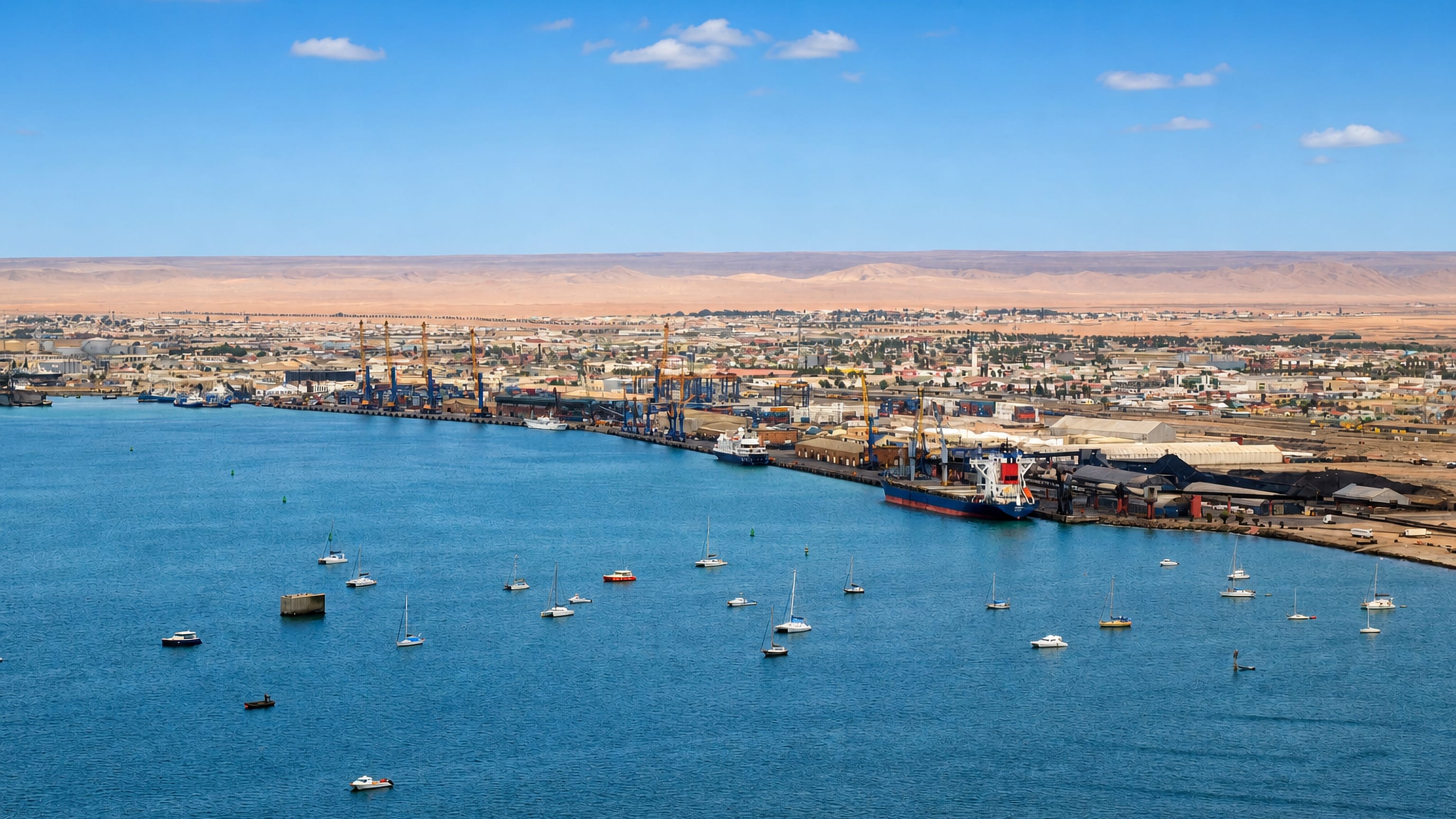
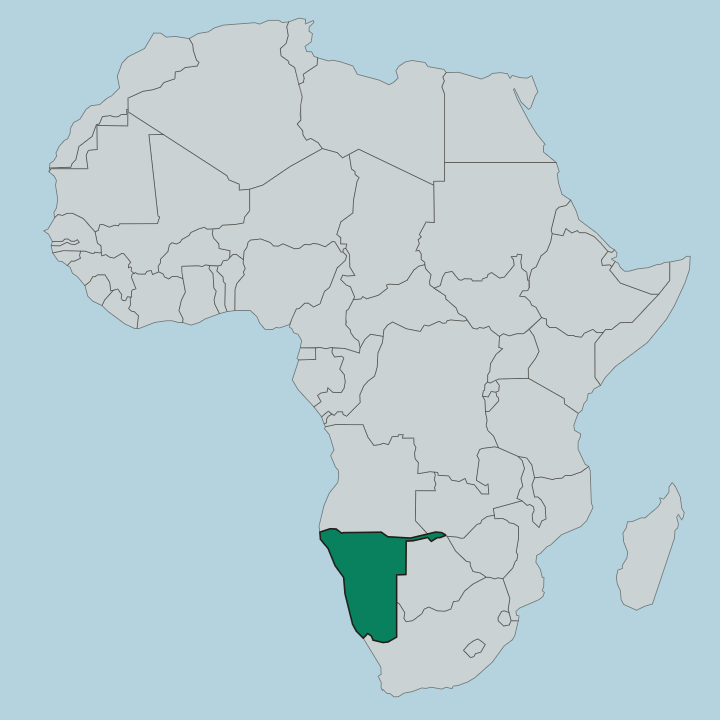
Walvis Bay sits on Namibia's Atlantic coast, where a sand spit at Pelican Point shelters the country's only natural deep-water harbour.
Hotel links are affiliate links: booking through them may earn us a commission, at no extra cost to you. It never affects how places are ranked. How this works


Where to stay in Walvis Bay
How the choice of base plays out on the ground.
The water decides it. Rooms facing the bay put flamingoes and migratory birds in view across the shallows, with the Pelican Point sand spit closing the far side, while streets a block or two back trade that outlook for quiet. The older grid holds the two churches.
Staying near the Rhenish Mission Church means a short walk to the front and to St. Matthew's Anglican Church, in the part of town that grew first around the harbour. Port work sets the rhythm nearer the quayside. Namibia has no other commercial port, and the shipping that follows from that works out of the same bay the birds feed in.
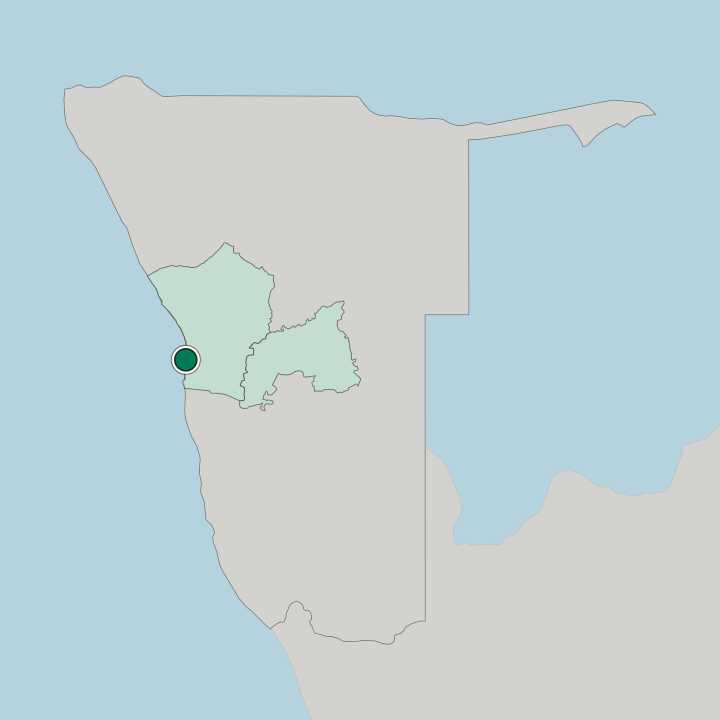
Beds are not many. Walvis Bay is a working city on Namibia's coast rather than a resort strip, so the choice is less about which quarter has the most hotels than about whether you want the bay in front of you or the streets around the churches. Erongo begins behind the town. Trips inland toward the Kuiseb River and its boundary post start from here, which suits anyone using the city as a base rather than a destination.
The harbour is the only natural deep-water one along the country's coast, which is why the working side of the city never moved away from the front.
Find hotels in Walvis Bay
Direct booking searches for these neighbourhoods.
Bay front
The water in front of the town holds flamingoes and migratory birds, with the Pelican Point sand spit closing the bay beyond them.Find hotels in Bay frontwalking between Walvis Bay's two churchesOld core
The Rhenish Mission Church and St. Matthew's Anglican Church stand in these streets, a short way back from the harbour front.Find hotels in Old corestays beside Namibia's only commercial portQuayside
Namibia's only commercial port works from here, inside the one natural deep-water harbour on the country's coast. Beds are limited here, so book early.Find hotels in QuaysideHotel links are affiliate links: booking through them may earn us a commission, at no extra cost to you. It never affects how places are ranked. How this works
About Walvis Bay
Birds bring people here.
What is Walvis Bay known for?
Large numbers of flamingoes gather on the water alongside rare migratory species, and the same plankton-heavy sea that feeds them also draws southern right whales in toward the coast. The port matters more to Namibia. Cargo moves through the bay because the Pelican Point sand spit shelters it, and no other stretch of the country's coast can do the same.
Whalers and fishing vessels have long worked these waters.
What are the main landmarks in Walvis Bay?
The churches come first. The Rhenish Mission Church and St. Matthew's Anglican Church stand in the older streets, a short walk apart and a short walk from the bay. Pelican Point closes the water off, a sand spit that makes the harbour behind it the only natural deep-water anchorage along Namibia's coast.
A boundary post stands at the Kuiseb River. Flamingoes work the shallows.
What is the history of Walvis Bay?
The bay came first. Vessels used it long before there was a town, because the water behind the Pelican Point sand spit offers shelter that no other stretch of Namibia's coast can give. Whales made it valuable.
Southern right whales gathered in water thick with plankton, and whalers followed, working the bay alongside fishing vessels that have never left it. The settlement dates from 1840, and the city still carries the bay's name, with Walvisbaai as its official form. Two churches mark the older streets.
The Rhenish Mission Church and St. Matthew's Anglican Church both stand a short walk from the water that carried the town's whole reason for existing. Growth followed the harbour. Cargo work turned the bay into Namibia's only commercial port, and the town around it grew into the second largest city in the country and the largest on its coast.
A boundary post stands at the Kuiseb River, marking a line set across this ground.
Where is Walvis Bay?
The bay gives the city its name. Pelican Point curls out as a sand spit and closes the water off, which is what makes this the only natural deep-water harbour along Namibia's coast. The Kuiseb River reaches the sea nearby, and a boundary post stands on its bank.
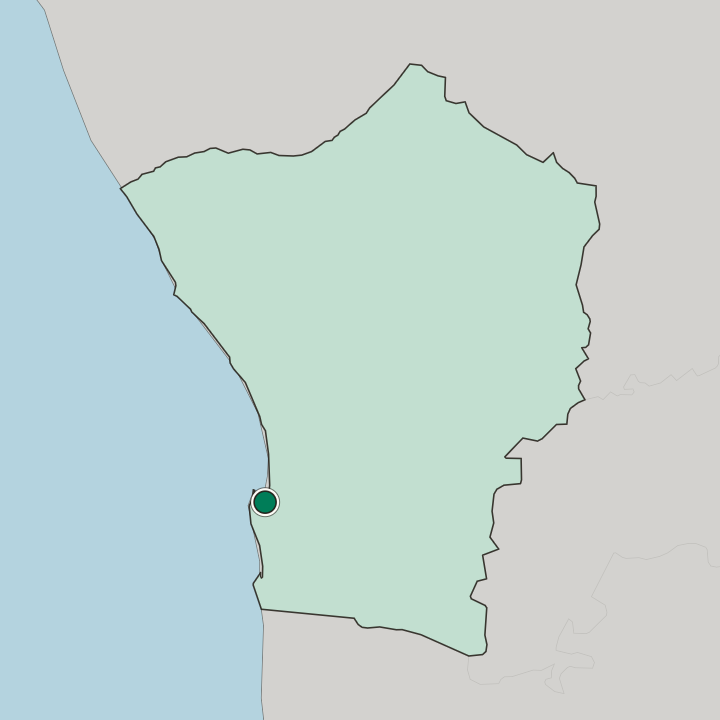
Land is scarce. Built ground covers a small stretch between the Atlantic and the interior of Erongo.
What is the climate of Walvis Bay?
The Atlantic governs the air here. Water running along this coast carries enough plankton to feed whales and seabirds, and the same ocean exposure ties the city's weather to what the sea does rather than to the ground behind it. Pelican Point breaks the swell.
Behind the sand spit the bay stays calm enough for shipping, while the open coast beyond takes the ocean at full strength. The Kuiseb River comes down to the sea nearby.
How do you get to Walvis Bay?
Ships come in past Pelican Point. The sand spit shelters the approach into the bay, and Namibia's only commercial port handles traffic that the rest of the country's coast cannot take. Fishing vessels work the same water.
Overland the city connects to Erongo behind it, with a boundary post standing at the Kuiseb River.
Common questions
What is the best area to stay in Walvis Bay?
Bay front: waking up to flamingoes on the shallows. Old core: walking between Walvis Bay's two churches. Quayside: stays beside Namibia's only commercial port.
Good for
Another city in Erongo
Updated September 2026