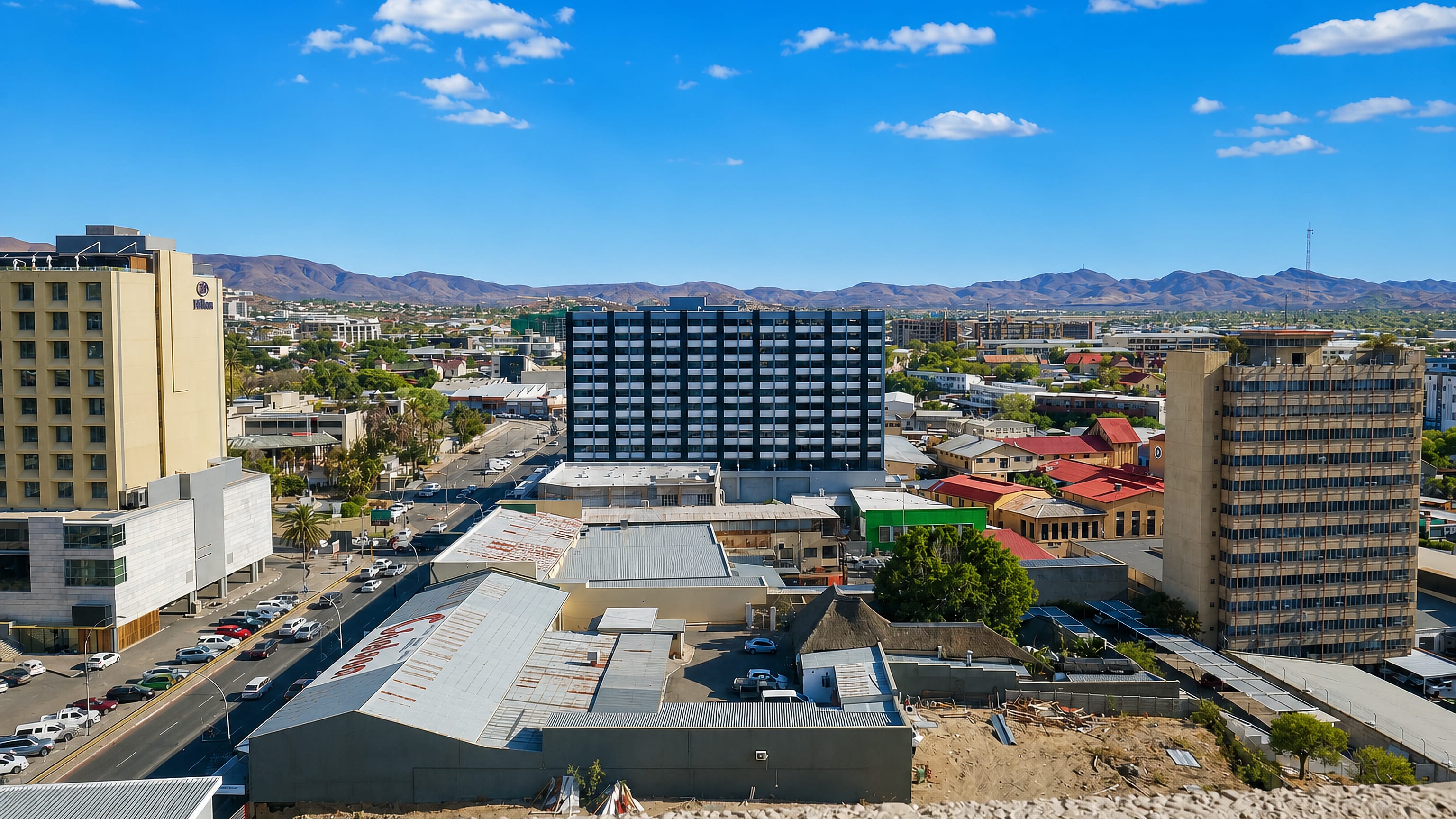
Namibia · Khomas
Where to Stay in Windhoek, Khomas
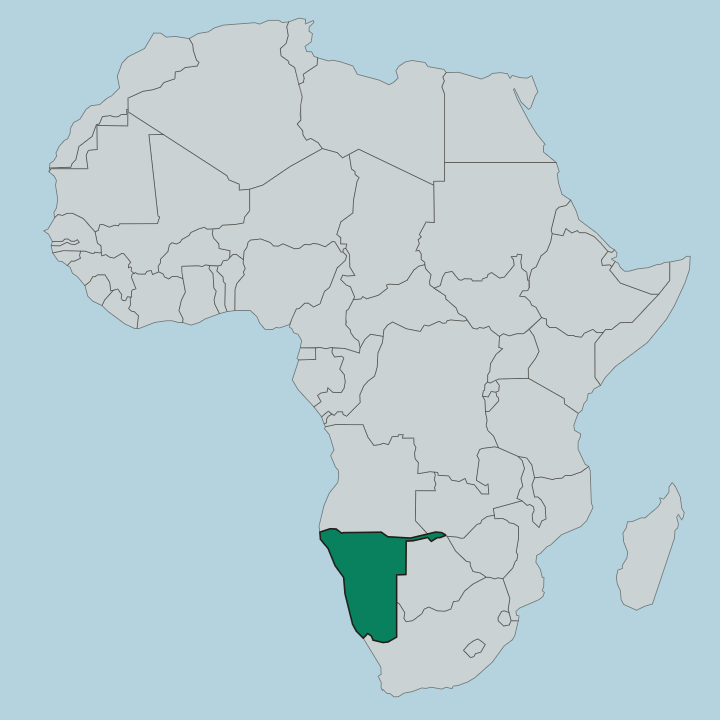
Windhoek sits on the Khomas Highland plateau at the centre of Namibia, the country's capital, known for Christ Church and the Alte Feste.
Hotel links are affiliate links: booking through them may earn us a commission, at no extra cost to you. It never affects how places are ranked. How this works


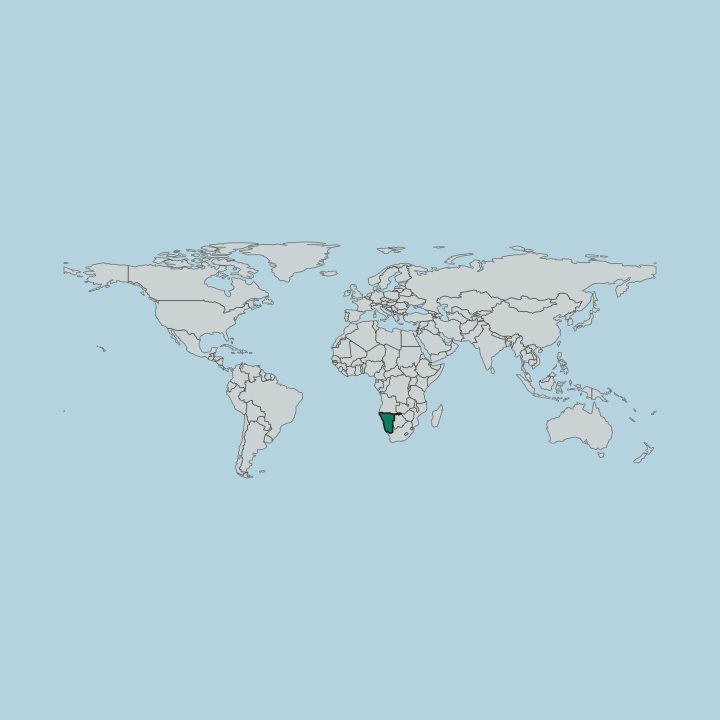
Where to stay in Windhoek
One neighbourhood here has its own guide — here's what it is best for.
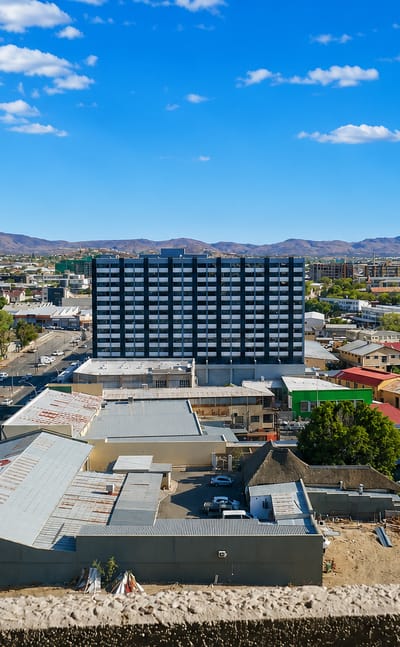
 WindhoekNamibia
Katutura
Katutura is a township of Windhoek, in Khomas Region, created in 1961 after the forced removal of the city's black population from the Old Location.Where to stay →Hotel links are affiliate links: booking through them may earn us a commission, at no extra cost to you. It never affects how places are ranked. How this works
Find hotels in Windhoek
Direct booking searches for these neighbourhoods.
Old core below Christ Church
The early garrison town survives beneath Christ Church, with the Alte Feste and Reiterdenkmal a short walk apart on the ridge.Find hotels in Old core below Christ ChurchHistory travellers near the Independence Memorial Museum in WindhoekMuseum quarter
The Independence Memorial Museum and the National Museum of Namibia sit close enough for a full day tracing the country's past on foot.Find hotels in Museum quarterFamilies wanting calmer blocks in central WindhoekStreets near St George's Cathedral
The quieter blocks around St George's Cathedral keep families off the busiest centre while staying inside the walkable core.Find hotels in Streets near St George's CathedralHotel links are affiliate links: booking through them may earn us a commission, at no extra cost to you. It never affects how places are ranked. How this works
Things to do in Windhoek
Ranked by global recognition; descriptions from Wikidata (CC0).
Museums & Galleries
3- Alte Feste Heritage
- National Museum of Namibia
- Trans-Namib Railroad Museum
Churches & Religious Sites
2- Christ Church, Windhoek Heritage
- St George's Cathedral, Windhoek
Castles & Historic Sites
3- Reiterdenkmal, Windhoek Heritage
- War Memorial Heritage
- relics of prehistoric elephant Heritage
worth knowingacross 3 categories in Windhoek
About Windhoek
What is Windhoek known for?
Windhoek is known as the capital and largest city of Namibia, gathered on the high plateau at the country's centre. Its landmarks trace the national story. Christ Church stands above the town, the Alte Feste keeps its old garrison walls, and the Independence Memorial Museum records the road to nationhood.
The National Museum of Namibia and the Reiterdenkmal sit close by, making Windhoek the place where the wider country reads its own past.
What are the main landmarks in Windhoek?
Windhoek holds landmarks that span its colonial founding and its independence. Christ Church crowns the centre. Its spire rises above the old town, where the Alte Feste keeps the garrison walls and the Reiterdenkmal recalls the colonial era.
The Independence Memorial Museum and the Three Heroes' Statues at the Parliament Building mark the country's road to nationhood, while the National Museum of Namibia, the National Earth Science Museum of Namibia, and the Trans-Namib Railroad Museum gather the collections of the capital.
What is the history of Windhoek?
Windhoek was founded in 1840 on the springs of the Khomas Highland plateau, at the centre of what is now Namibia. Water drew the first settlement. The perennial springs on the high plateau made the site a natural gathering point, and a colonial garrison later raised the fort that became the Alte Feste, still standing above the town it once guarded.
The town grew around that garrison. Christ Church went up in the colonial decades, and the Reiterdenkmal and the War Memorial were set nearby to mark the era. When the country moved toward independence, the Trans-Namib Railroad Museum kept the record of the line that tied the interior to the coast, and the Independence Memorial Museum with the Three Heroes' Statues at the Parliament Building fixed the memory of nationhood in the heart of the capital of Namibia.
The plateau town endured. Its stones hold the whole arc.
Where is Windhoek?
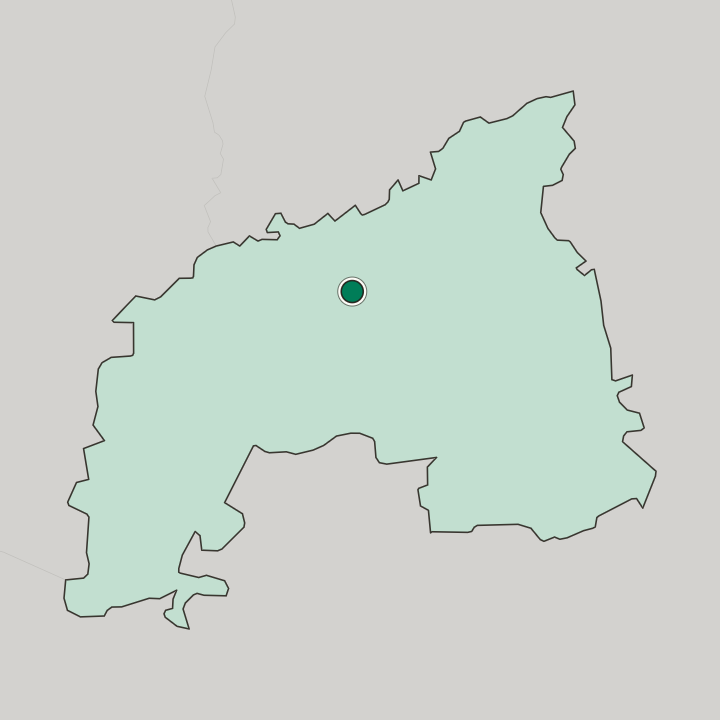
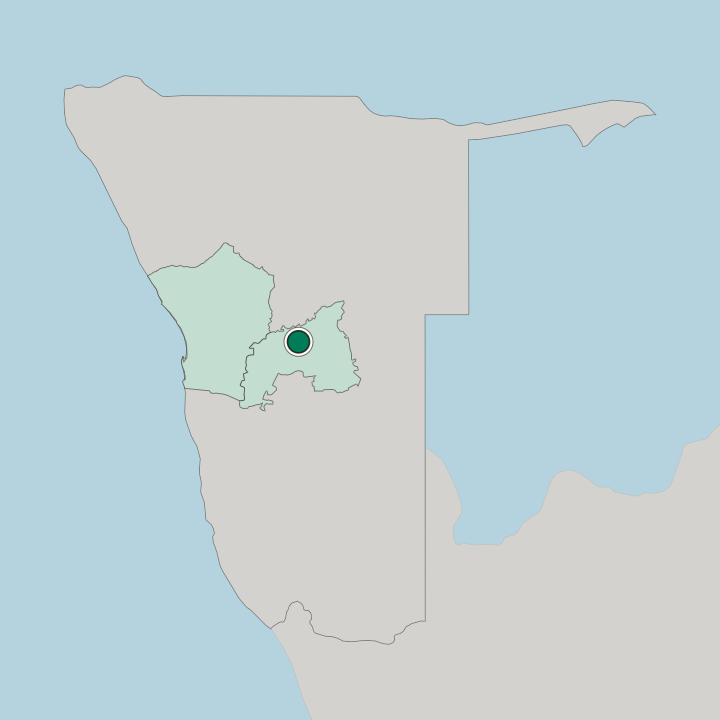
Windhoek lies at the geographical centre of Namibia, high on the Khomas Highland plateau within the Khomas region. The land is elevated and dry. The city spreads across a basin ringed by hills of the highland plateau, well inland from either coast, so that Windhoek sits on high ground at the heart of the country rather than on any river or sea.
What is the climate of Windhoek?
Windhoek has a semi-arid highland climate, dry and mild on the Khomas Highland plateau. Sunshine dominates the year. Warm days give way to cool nights on the high plateau, and the little rain that falls comes in the warmer months, when brief afternoon storms cross the interior of Namibia before the long dry stretch returns to the centre of the country.
How do you get to Windhoek?
Windhoek is the main point of entry to Namibia, reached by air from abroad and by road across the interior. Most visitors arrive here first. Flights land near the capital, and the highways and the rail line recorded by the Trans-Namib Railroad Museum spread out across the Khomas Highland plateau to link the centre of the country with the coast and the safari routes beyond.
Common questions
What is the best area to stay in Windhoek?
Old core below Christ Church: Walkers who want the colonial fabric around the Alte Feste in Windhoek. Museum quarter: History travellers near the Independence Memorial Museum in Windhoek. Streets near St George's Cathedral: Families wanting calmer blocks in central Windhoek.
Good for
Updated October 2026