New Caledonia
Province Sud, New Caledonia — Towns & Travel Guide
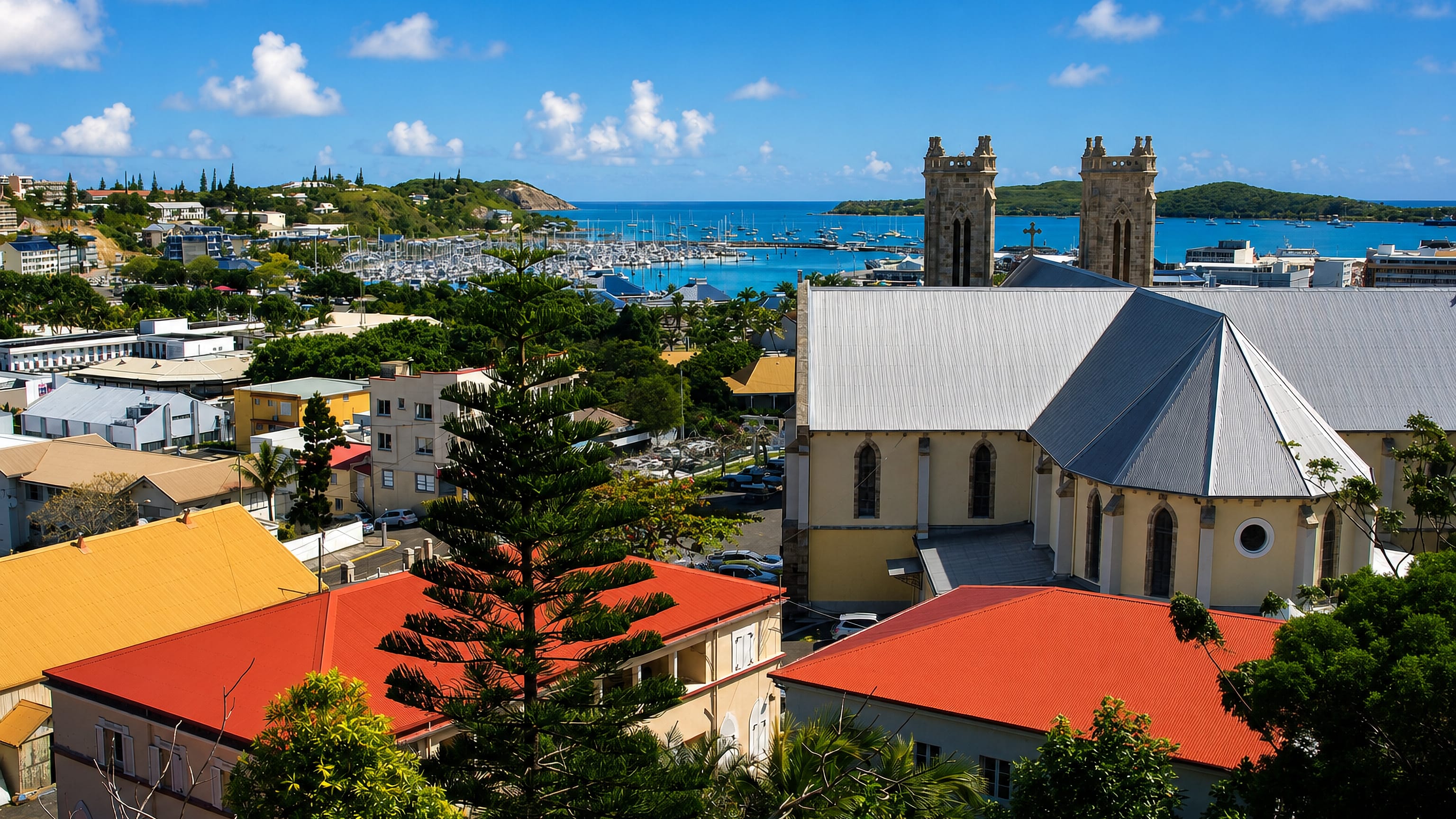
Reef-fringed lagoon water wraps Province Sud, the southern administrative division of New Caledonia and home to its capital, Nouméa.
Hotel links are affiliate links: booking through them may earn us a commission, at no extra cost to you. It never affects how places are ranked. How this works


Towns & cities in Province Sud
One town here has its own guide — it links to where to stay.
 New Caledonia
Nouméa
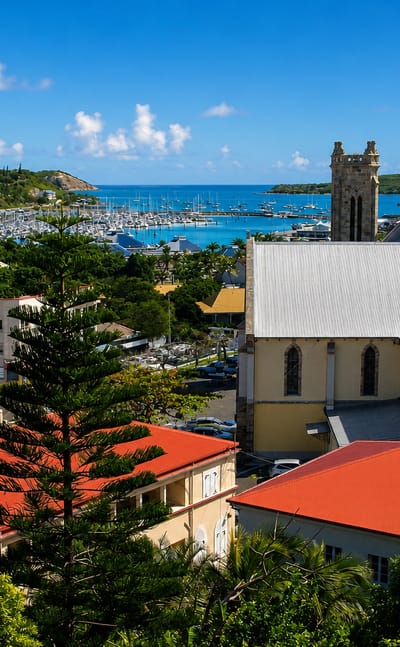
A deep harbour cradles Nouméa, capital of New Caledonia on Grande Terre, known for the Jean-Marie Tjibaou Cultural Centre and place des Cocotiers.Where to stay →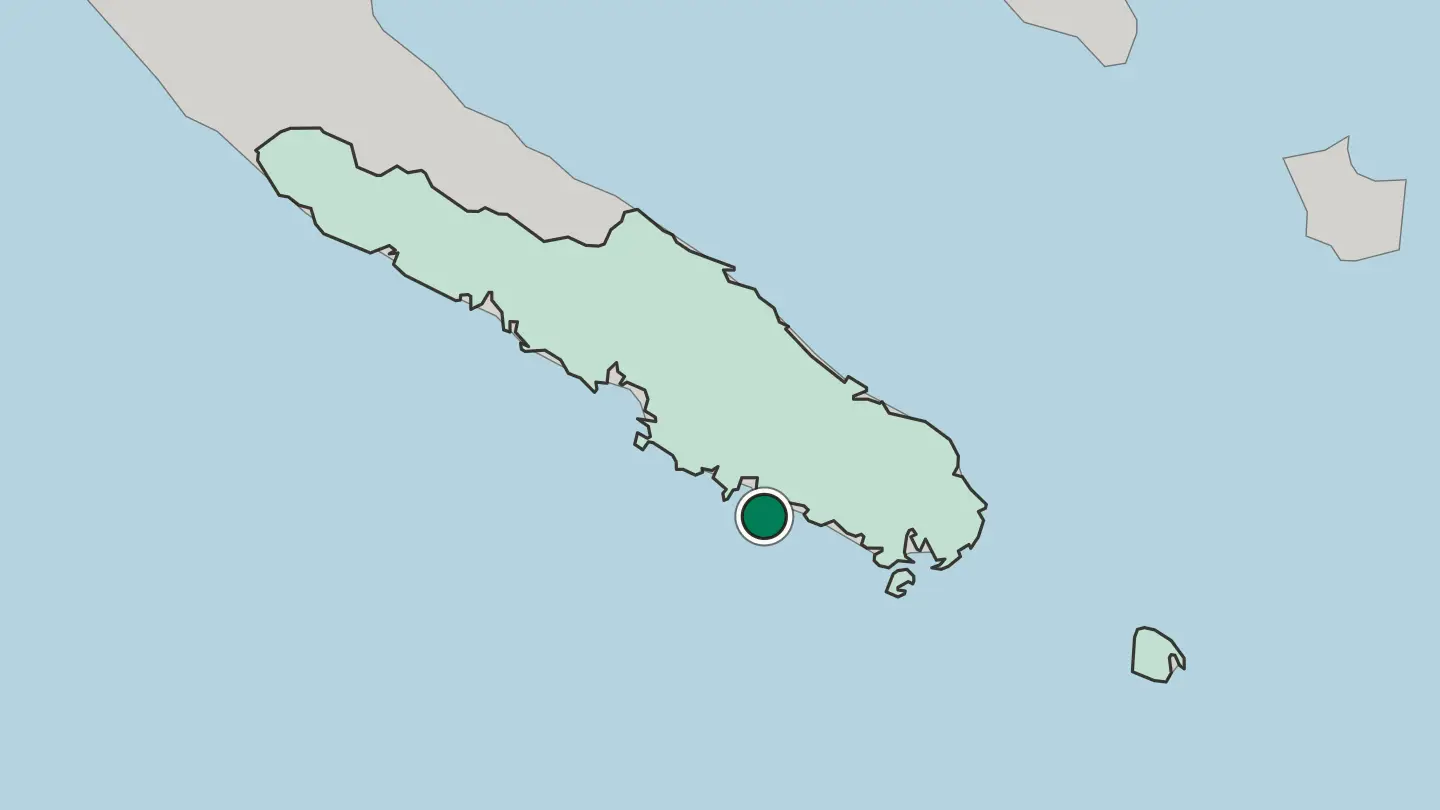
Hotel links are affiliate links: booking through them may earn us a commission, at no extra cost to you. It never affects how places are ranked. How this works
About Province Sud
Province Sud is known as the seat of Nouméa.
What is Province Sud known for?
It is the most populous of the three administrative divisions of New Caledonia, covering the southern and southwestern portion of the New Caledonian mainland and holding the bulk of its people. The division carries the French administrative name Province Sud. Its towns cluster along a coast where the sheltered lagoon shapes daily life.
Where is Province Sud?
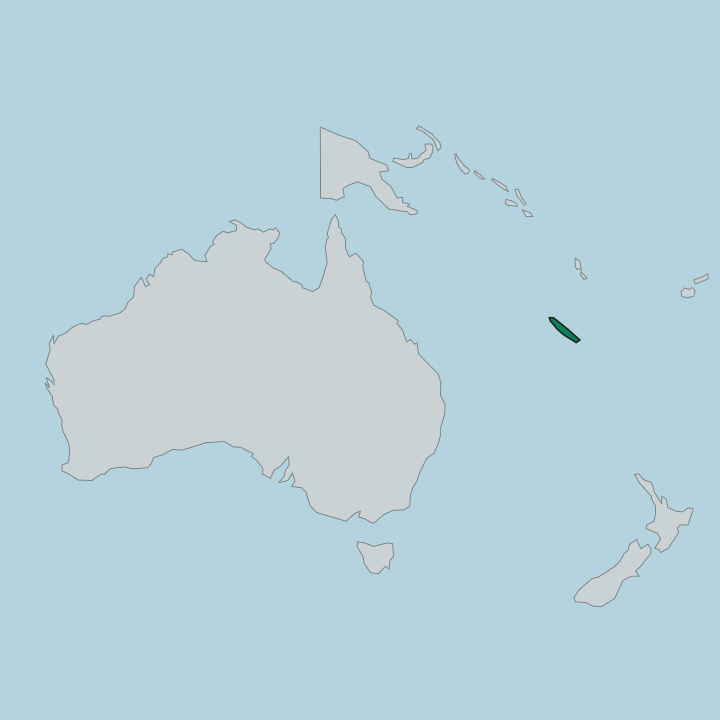
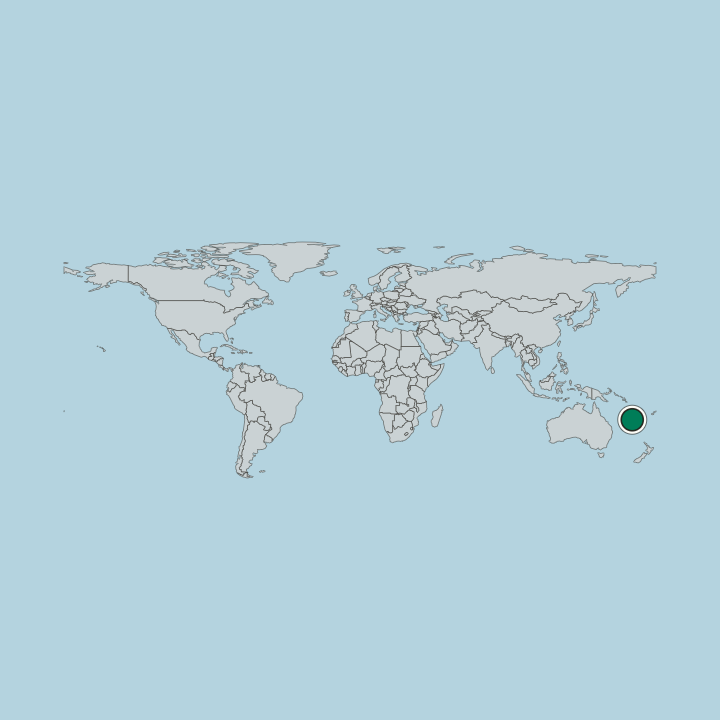
Province Sud occupies the southern and southwestern portion of the New Caledonian mainland, one of three administrative divisions that together make up New Caledonia. The land tilts from an interior spine down to a coast rimmed by one of the world's largest lagoons, and that reef-sheltered water defines the edge of nearly every settlement. Nouméa, the capital, sits on a peninsula at the division's southwest.
The tropical setting places the province deep in the southern hemisphere. Reef, lagoon, and ridge repeat down the shore. Beyond the built-up southwest, the interior rises into rougher country where valleys cut between the hills, and rivers run short and steep toward the sea.
The province holds the bulk of the mainland's people. Its geography is coastal at heart.
What is Province Sud like?
Province Sud carries a French administrative identity, and French is the working language across its towns and offices. Nouméa anchors that culture as the capital of New Caledonia and the division's centre of population. The province's life runs along the lagoon: fishing, boating, and the slow rhythm of a coast set against the reef.
French naming reaches down to the division itself, styled Province Sud rather than any English form. Coastal habit shapes the calendar here. Communities gather where the water meets the shore, and markets, wharves, and beaches draw people together in a way that inland New Caledonia rarely mirrors.
The southern division blends metropolitan French institutions with a Pacific island setting. That mix is its signature. It reads in the street names, the harbours, and the pace of the day.
What is the history of Province Sud?
Province Sud took its present form as one of three administrative divisions created to organise New Caledonia. The capital grew first along the southwest coast. From that anchor at Nouméa, the division came to correspond to the southern and southwestern portion of the New Caledonian mainland and to hold most of its population and its principal port.
History settled on the coast.
What is the climate of Province Sud?
Province Sud has a tropical climate, tempered along its coast by the New Caledonian lagoon and the trade winds that cross it. Warm, humid months alternate with a cooler, drier season, and the reef-cooled air keeps the shore around Nouméa milder than the open tropics. Rain falls heaviest in the warm season.
The interior of the New Caledonian mainland runs drier than the windward coast.
How do you get to Province Sud?
Province Sud is reached through Nouméa, the capital of New Caledonia and the division's gateway by air and sea. Boats serve the lagoon. The city's harbour is the chief port of the New Caledonian mainland, and its airport links the province to the wider Pacific while roads fan out from the southwest into the interior.
Nouméa is the way in.
Common questions
What is the best area to stay in Province Sud?
Nouméa: First stay near the lagoon and the Province Sud capital.
Good for
Updated September 2026