New Caledonia · Province Sud
Where to Stay in Nouméa, Province Sud
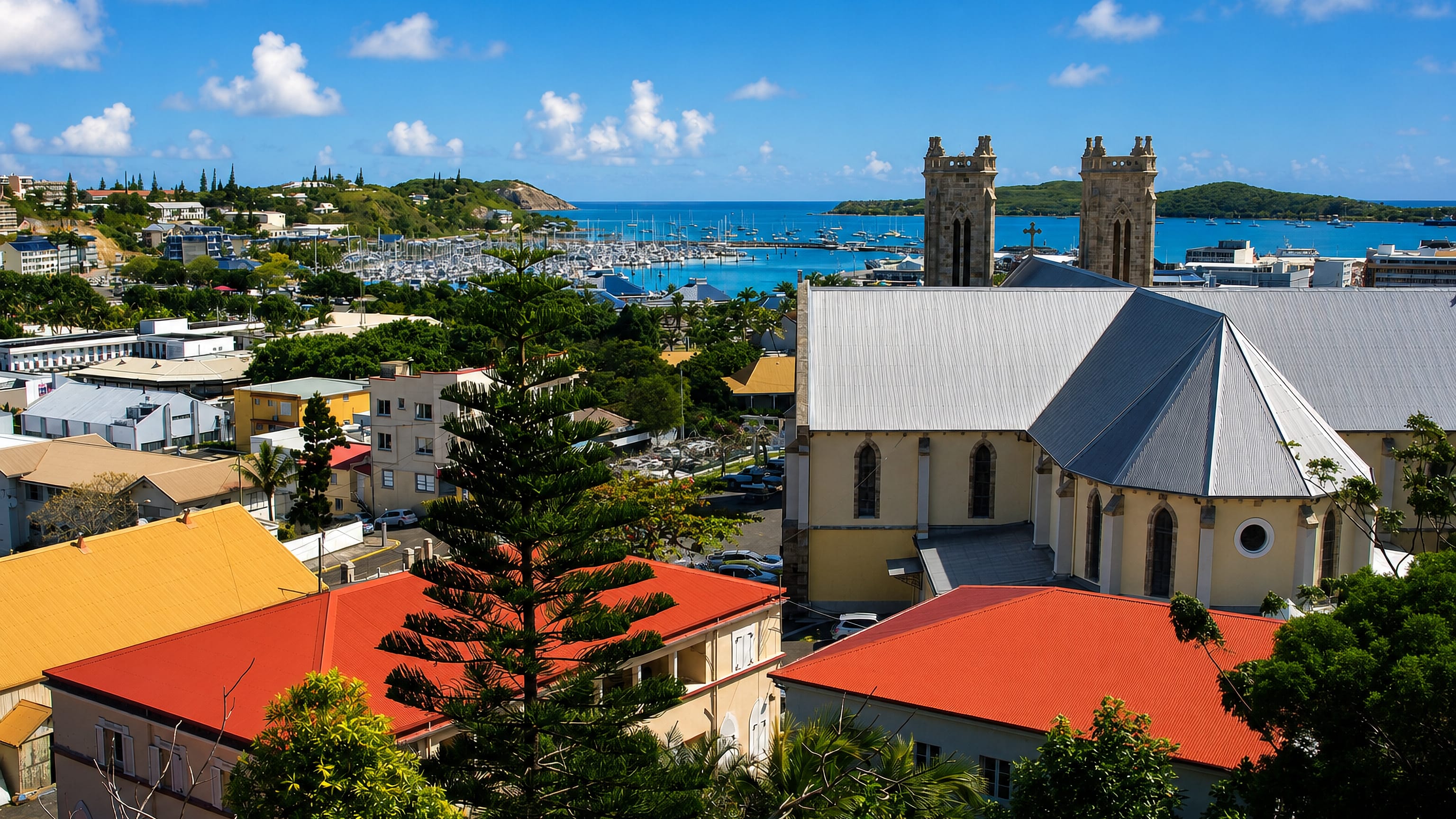
A deep harbour cradles Nouméa, capital of New Caledonia on Grande Terre, known for the Jean-Marie Tjibaou Cultural Centre and place des Cocotiers.
Hotel links are affiliate links: booking through them may earn us a commission, at no extra cost to you. It never affects how places are ranked. How this works


Where to stay in Nouméa
Where the beds are, and what that means for the visit.
Where to stay in Nouméa turns on the water. The city spreads across a peninsula on Grande Terre, and its neighbourhoods reach from the deepwater harbour and the working port out to the beaches and the headland of Ouen Toro. Stay near the centre and the palm-shaded place des Cocotiers for markets, the Nouméa Cathedral, and the promenade Pierre-Vernier along the shore.
Base yourself in Magenta if a beach and the Stade Numa-Daly Magenta suit your visit. Rivière-Salée sits inland from the bays. If you want the coast at your door, the southern beaches deliver.
Each quarter reads differently. The old centre keeps the colonial mansions and the civic buildings; the seaside districts trade them for sand, sailing, and the reef-sheltered lagoon that rings the peninsula. Choose the centre for a first stay, and the beach quarters for a longer, slower one.
Nouméa rewards a base chosen by water, not by map.
Find hotels in Nouméa
Direct booking searches for these neighbourhoods.
Centre-ville
The old core keeps colonial mansions, the palm-lined place des Cocotiers, and the promenade Pierre-Vernier within walking distance of the harbour.Find hotels in Centre-villeBeach and match days at Stade Numa-Daly MagentaMagenta
Magenta pairs a sheltered beach on the Nouméa peninsula with the Stade Numa-Daly Magenta and quick reach of the lagoon.Find hotels in MagentaQuieter inland base off the bays of NouméaRivière-Salée
Rivière-Salée sits back from the shoreline of Grande Terre, trading beachfront for calmer residential streets away from the harbour.Find hotels in Rivière-SaléeHotel links are affiliate links: booking through them may earn us a commission, at no extra cost to you. It never affects how places are ranked. How this works
Things to do in Nouméa
Ranked by global recognition; descriptions from Wikidata (CC0).
Museums & Galleries
1- New Caledonia Museum
Churches & Religious Sites
3- Nouméa Cathedral Heritage
- Église du Vœu de Nouméa
- vieux temple de Nouméa
Stadiums & Sports
3- Stade Numa-Daly Magenta
- Stade Rivière Salée
- Édouard-Pentecost stadium
worth knowingacross 3 categories in Nouméa
About Nouméa
What is Nouméa known for?
Nouméa is known as the capital and largest city of New Caledonia, and the largest Francophone city in Oceania. The harbour anchors it. It sits on a peninsula in the south of Grande Terre, the territory's main island, wrapped around a protected deepwater harbour that carries most of the territory's shipping.
The Jean-Marie Tjibaou Cultural Centre draws visitors to the outskirts, while the palm-lined place des Cocotiers marks the city's heart.
What are the main landmarks in Nouméa?
Nouméa's landmarks range from the Kanak-inspired Jean-Marie Tjibaou Cultural Centre to the twin-spired Nouméa Cathedral above the old town. The New Caledonia Museum and the Bibliothèque Bernheim gather the territory's collections near the centre. Sport fills the Stade Numa-Daly Magenta.
At the water, the promenade Pierre-Vernier and the headland of Ouen Toro trace the peninsula's edge, while the Théâtre de l'île anchors the cultural calendar.
What is the history of Nouméa?
Nouméa was founded in 1854 on a peninsula in the south of Grande Terre, chosen for its protected deepwater harbour. The port made the city. From that anchorage grew the chief port of New Caledonia and, in time, the largest Francophone city in Oceania, drawing European, Polynesian, Indonesian, and Vietnamese communities alongside Melanesian and Kanak islanders.
Colonial mansions from those decades still stand near the old centre. The city's institutions followed its growth. The Nouméa Cathedral rose above the town, and civic and cultural buildings gathered around the harbour and the place des Cocotiers.
Later the Jean-Marie Tjibaou Cultural Centre gave the Kanak heritage of New Caledonia a modern home on the city's edge. Settlement spread across the peninsula toward Magenta and the beaches. Founded in 1854, Nouméa carries its harbour origin in every seaward street.
The water shaped the plan.
Where is Nouméa?
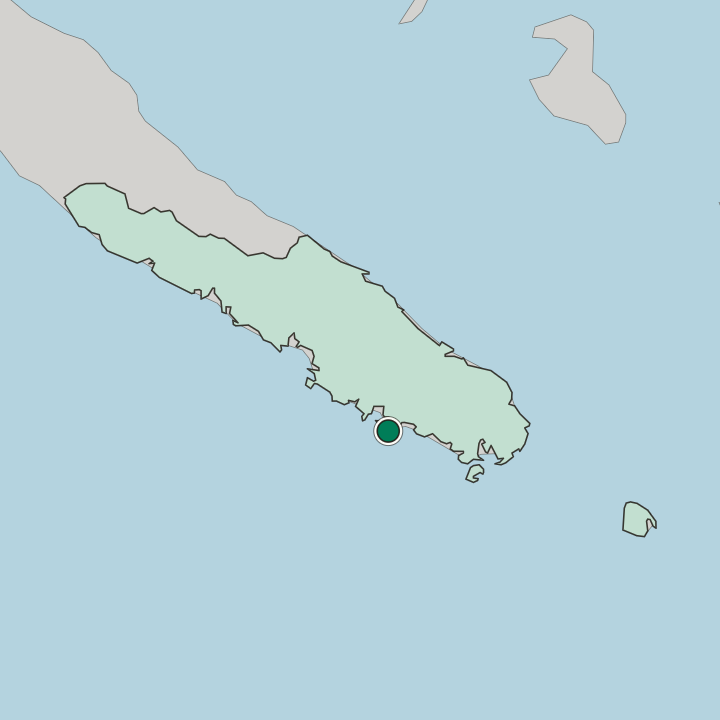
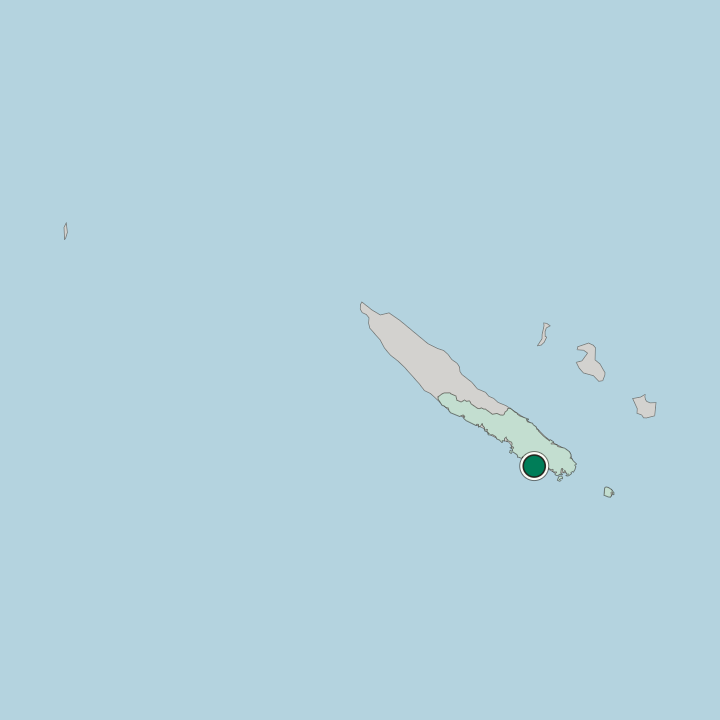
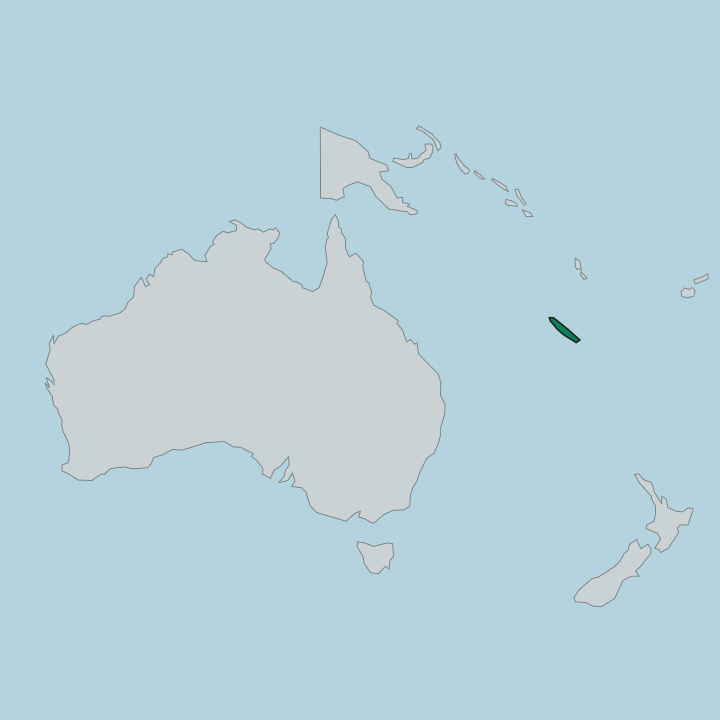
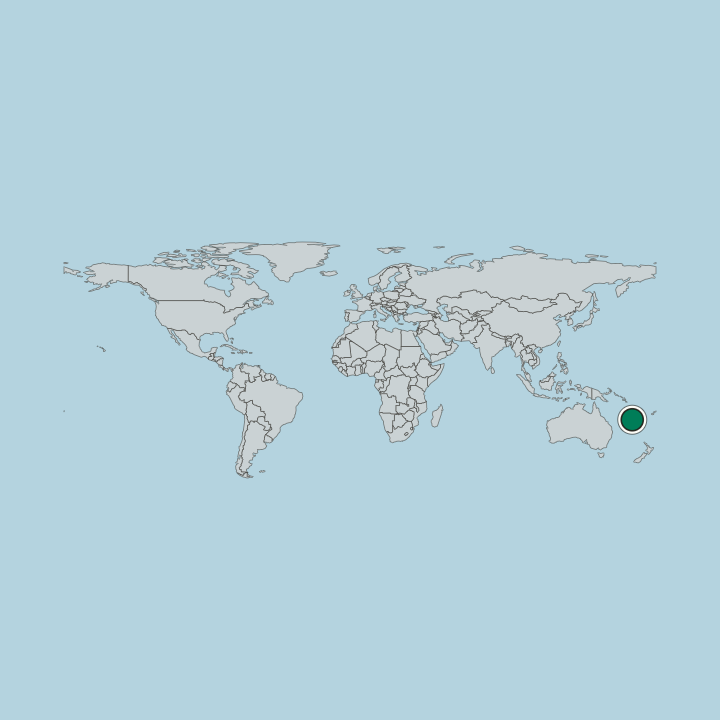
Nouméa sits on a peninsula in the south of Grande Terre, the main island of New Caledonia, wrapped by a protected deepwater harbour and the reef-sheltered lagoon. Bays cut the shore. The headland of Ouen Toro rises above the southern beaches, and inlets and coves break the coastline into a run of small harbours around the peninsula.
Beyond the built-up land, ridges climb into the New Caledonian interior.
What is the climate of Nouméa?
Nouméa has a tropical climate, cooled by the trade winds and the lagoon that wraps its peninsula on Grande Terre. Warm, humid months give way to a milder, drier season, and the sea keeps the shore around Ouen Toro temperate for the tropics. Rain concentrates in the warm months.
The harbour and the reef moderate the extremes the open ocean would bring.
How do you get to Nouméa?
Nouméa is the main point of entry to New Caledonia by air and sea. Boats work the harbour. Its protected deepwater harbour is the territory's chief port, handling shipping and inter-island vessels, while the city's airport links Grande Terre to the wider Pacific and roads run north into the interior.
Local services connect the centre with Magenta and Rivière-Salée.
Common questions
What is the best area to stay in Nouméa?
Centre-ville: First stay by place des Cocotiers and Nouméa Cathedral. Magenta: Beach and match days at Stade Numa-Daly Magenta. Rivière-Salée: Quieter inland base off the bays of Nouméa.
Good for
Updated October 2026