New Caledonia: Regions, Cities & Travel Guide
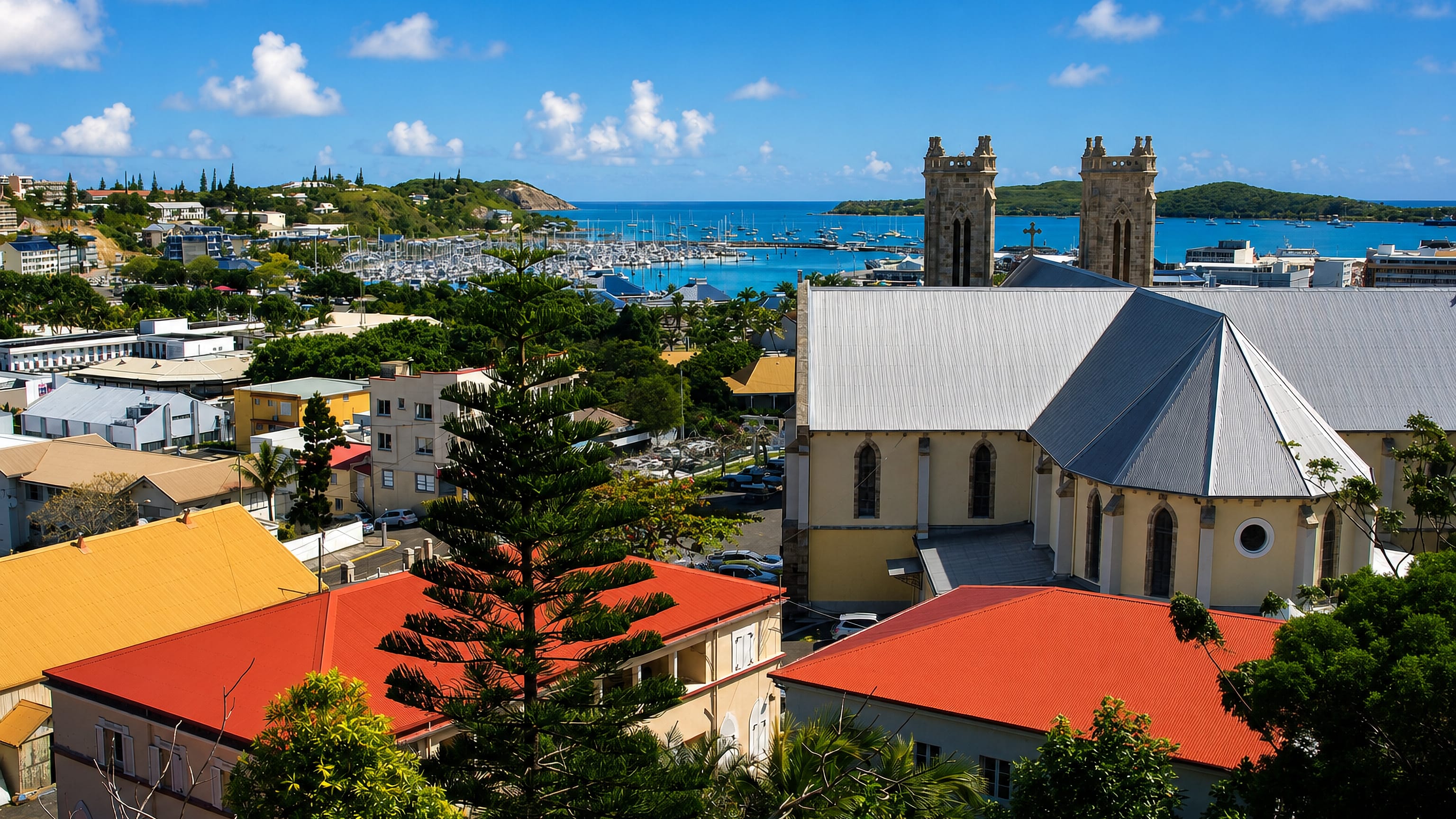
New Caledonia is a French Pacific archipelago of coral lagoons and Kanak villages, centred on the island of Grande Terre and the capital, Nouméa.
Hotel links are affiliate links: booking through them may earn us a commission, at no extra cost to you. It never affects how places are ranked. How this works


Top destinations in New Caledonia
One city to start from, then drill into its areas and hotels.
 New Caledonia
Nouméa
A deep harbour cradles Nouméa, capital of New Caledonia on Grande Terre, known for the Jean-Marie Tjibaou Cultural Centre and place des Cocotiers.Where to stay →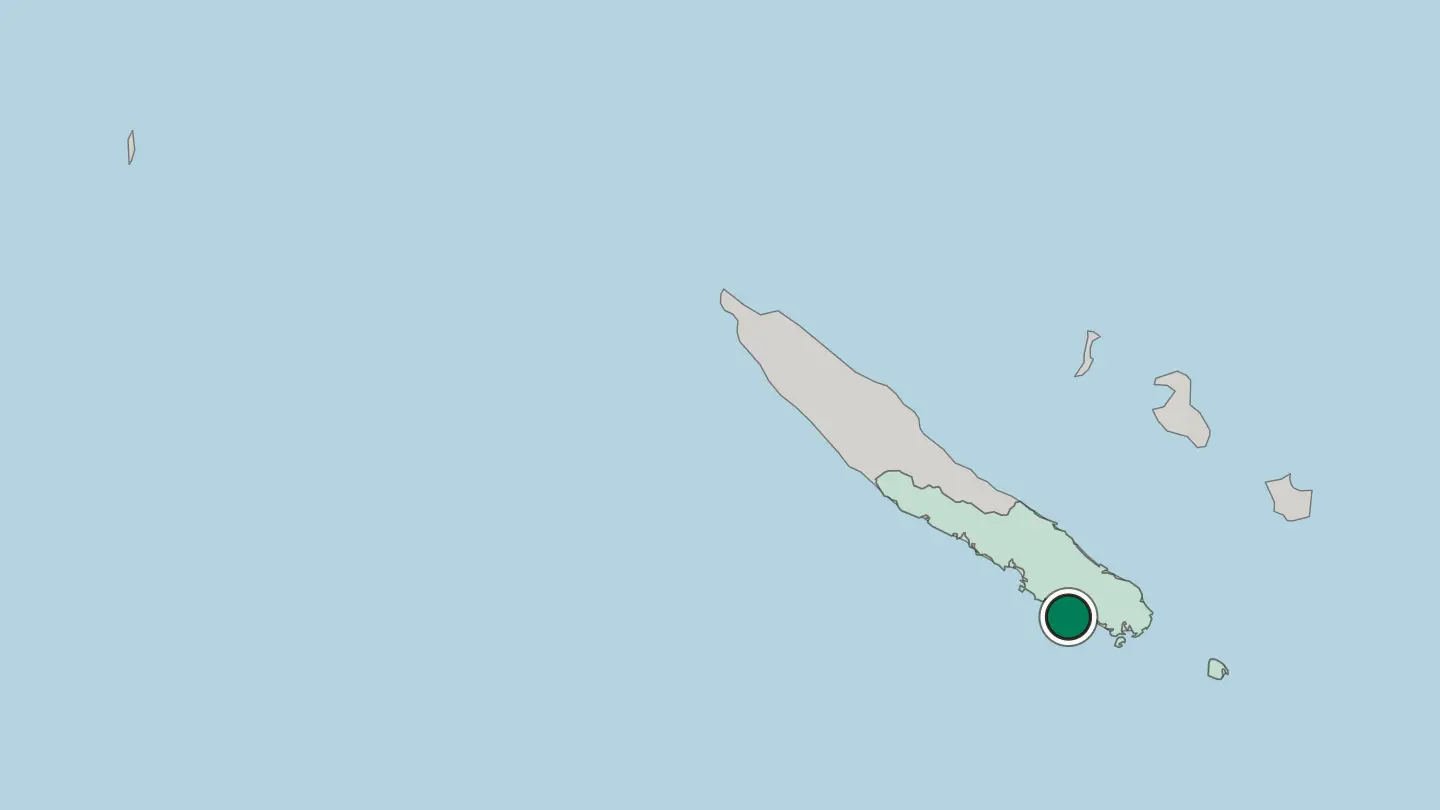
Hotel links are affiliate links: booking through them may earn us a commission, at no extra cost to you. It never affects how places are ranked. How this works
Browse by region
One region so far — open it to see its cities and towns.
About New Caledonia
What is New Caledonia known for?
New Caledonia is known for the vast reef-fringed lagoon that rings its islands. A barrier reef runs some 1,600 kilometres around Grande Terre, sheltering water so clear it draws divers to the wrecks off Nouméa. The land holds its own draws too.
Mont Panié rises above northern rainforest, while the Isle of Pines and the Loyalty Islands of Lifou, Maré, and Ouvéa scatter white sand across the Coral Sea. Kanak custom shapes daily life.
Where is New Caledonia?
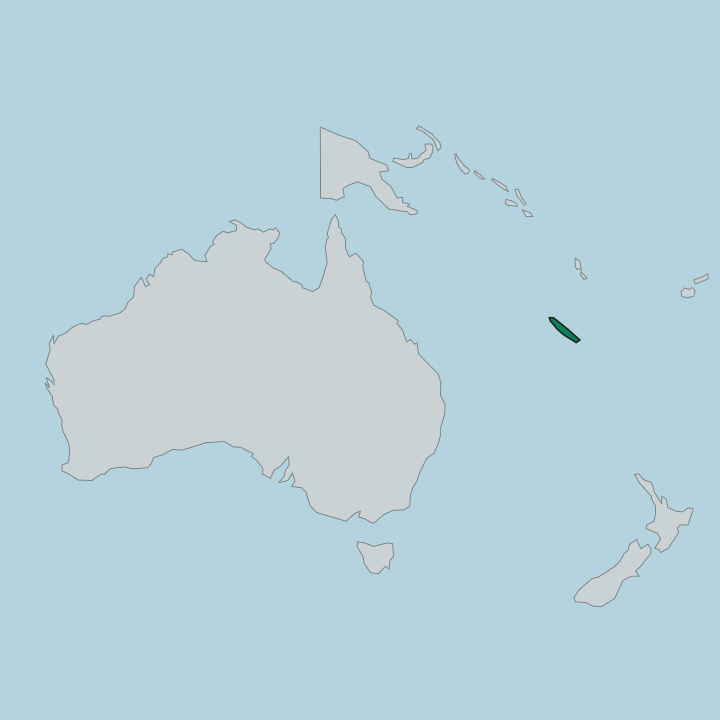
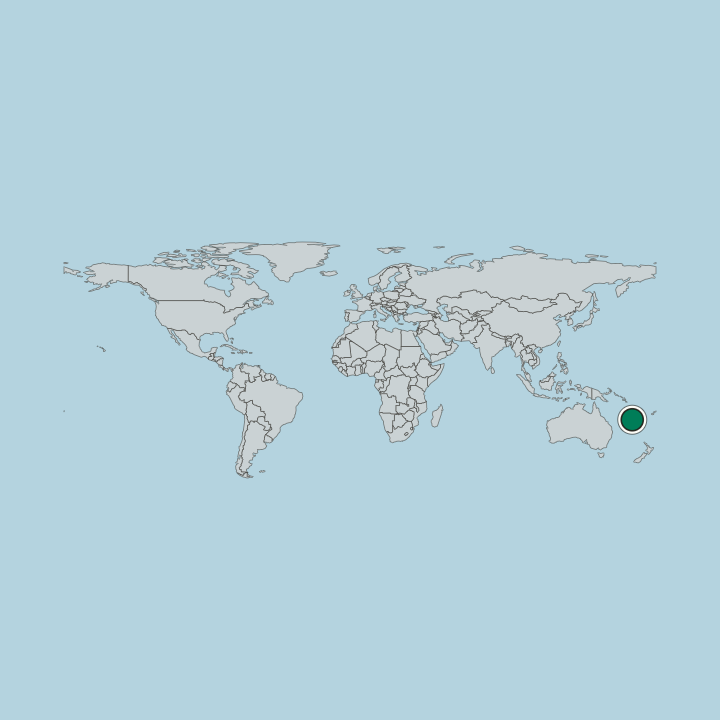
New Caledonia sits in the south-west Pacific, in the Coral Sea east of Australia and south of Vanuatu, at the eastern edge of Melanesia. Its heart is Grande Terre, a long, narrow island running north-west to south-east for some 350 kilometres, rarely more than 70 kilometres wide. A spine of mountains splits it.
The range climbs to Mont Panié in the north, the archipelago's highest summit, and divides a wetter windward east coast from a drier, savanna-covered west where towns like Bourail and La Foa sit among cattle country. Red earth marks the south, where nickel-bearing rock stains the hills and feeds the mines that built the modern economy. Off the mainland the land breaks into islands.
The Loyalty Islands lie to the east, raised coral platforms named Ouvéa, Lifou, and Maré, ringed by cliffs and beaches. The Isle of Pines closes the archipelago to the south, its tall columnar pines standing over pale bays. Around it all runs a barrier reef of roughly 1,600 kilometres, the second longest on earth, enclosing one of the largest lagoons anywhere.
The sea shapes New Caledonia. The reef, the lagoon, and the scattered atolls hold reefs and seagrass that shelter turtles, dugongs, and seabirds across a stretch of ocean recognised for its marine life.
What is the history of New Caledonia?
People first reached these islands more than three thousand years ago, the Lapita potters whose decorated shards were unearthed on Grande Terre and named after a site near Koné. From them descend the Kanak, the Melanesian clans whose customary land, chiefs, and languages still order life across the main island and the Loyalty Islands. Their world turned in 1853. France annexed the archipelago that year, and Nouméa was founded soon after as a colonial port and penal station, receiving convicts shipped from Europe over the decades that followed.
Nickel changed everything else. Mining began in the south in the 1870s, drawing indentured labour and settlers while pushing Kanak clans onto narrow reserves, a dispossession that fed lasting grievance. The twentieth century brought revolt and reckoning.
Tension over land and self-rule erupted into violence in the 1980s, most sharply on Ouvéa, and led to accords that promised a gradual transfer of power and a series of votes on independence. New Caledonia remains a special collectivity of France, self-governing in much of its affairs yet bound still to Paris. The question of its future stays open.
What is New Caledonia like?
Two worlds meet in New Caledonia and neither cancels the other. Kanak custom runs through the archipelago in the clan structures, the chiefly authority, and the coutume, the ritual gift and greeting that marks entry to a tribe's land. Around thirty Kanak languages survive alongside French, spoken in the villages of the Loyalty Islands and the mainland's east coast.
Ceremony carries the culture. The pilou dance, carved case doorposts, and woven money of shell and fur appear at weddings and mournings, while the great roundhouse of a chief still stands as the emblem of Kanak identity. The French layer sits mostly in and around Nouméa.
Cafés, pastry shops, and a marina give the capital the feel that earns it the nickname Paris of the Pacific, and the table blends French technique with island produce. Bougna anchors the Kanak kitchen, yams, taro, and chicken or fish baked in coconut milk under hot stones. The sea supplies the rest, with lobster from the Isle of Pines and prawns raised along the west coast near Bourail.
Rugby and pétanque fill weekends. It is French Melanesia, distinct from both.
What is the climate of New Caledonia?
New Caledonia has a tropical climate tempered by the south-east trade winds. Two seasons divide the year. A warm, humid wet season from December to March brings the heaviest rain and the risk of cyclones spinning through the Coral Sea, then a cooler, drier season from June to September settles in with fresher air and calmer water.
The mountain spine of Grande Terre splits the weather, soaking the windward east while the west around Bourail stays markedly drier. Sea temperatures stay warm year-round.
How do you get to New Caledonia?
Nearly everyone arrives by air into La Tontouta, the international airport about 45 minutes north-west of Nouméa by road. Flights come mainly from Australia, New Zealand, Japan, and the French hub network, plus links to nearby Pacific islands. The scale is oceanic.
Reaching the Loyalty Islands or the Isle of Pines means a short domestic hop from Nouméa's Magenta airfield or a ferry across the lagoon, since no bridge joins them to Grande Terre. Cruise ships also call at Nouméa and the outer islands.
Good for
Updated September 2026