Nigeria · Abia State
Where to Stay in Aba, Abia State
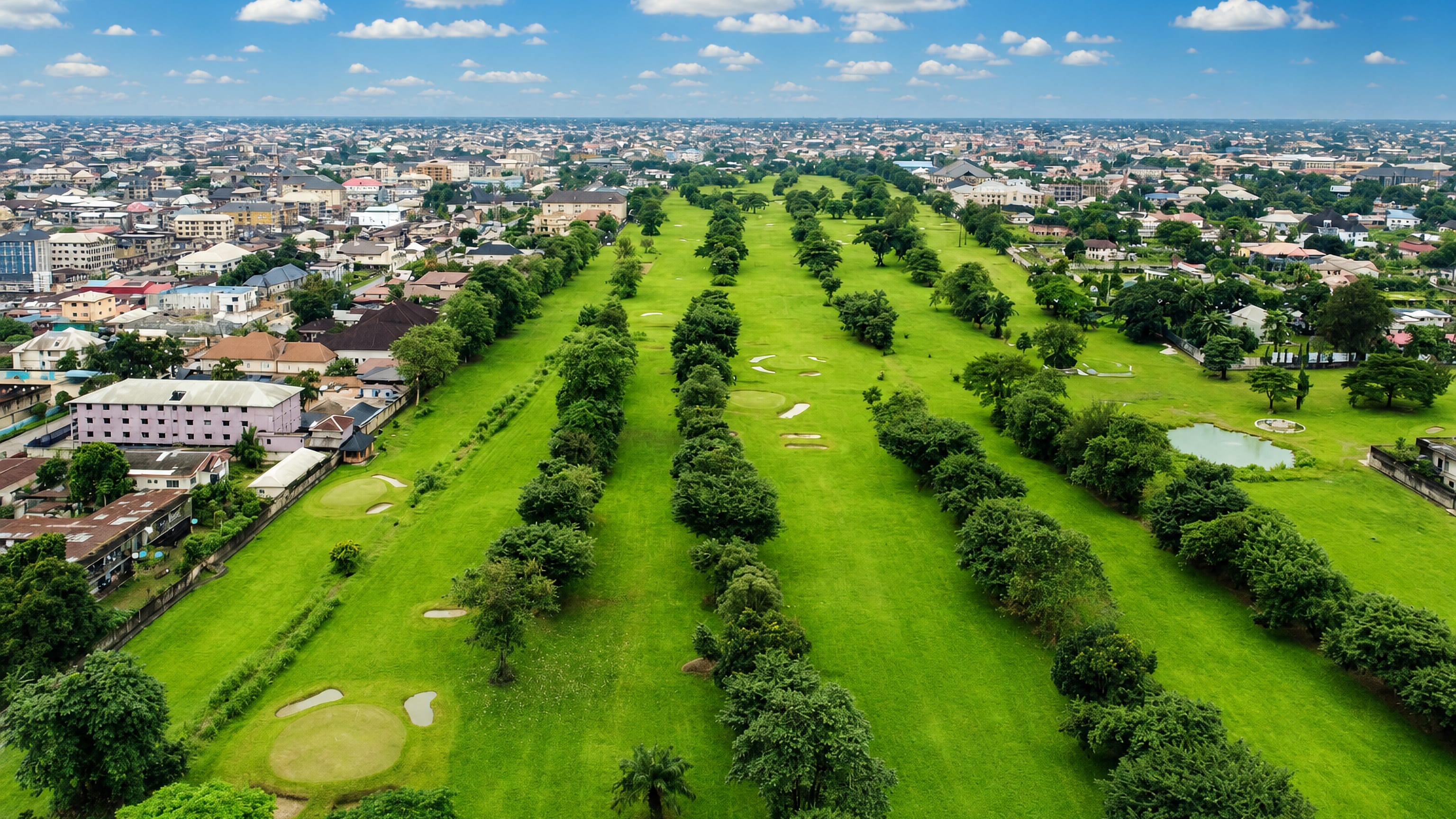
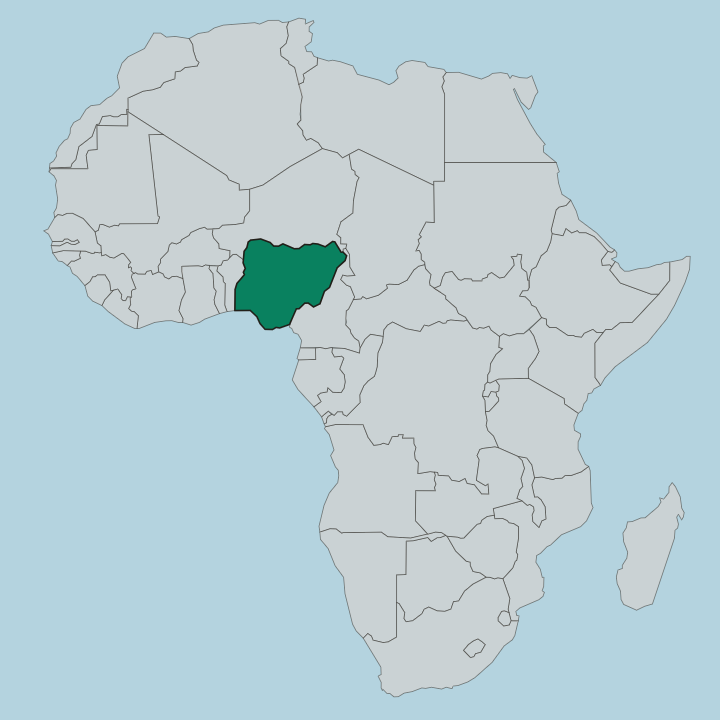
Aba is the commercial centre of Abia State, a city of craftsmen on the west bank of the Aba River in Nigeria.
Hotel links are affiliate links: booking through them may earn us a commission, at no extra cost to you. It never affects how places are ranked. How this works


Where to stay in Aba
The practical side of choosing where to sleep.
The river gives the city its axis. Aba lies along the west bank of the Aba River, and a bed on that side keeps a visitor on the same side as the commercial centre the city is known for. Trade decides the rhythm. Abia State runs its commerce through Aba, so the city's working rhythm belongs to trade rather than to tourism, and a room here is chosen for its distance from business rather than from a sight.
Museums are the exception to that. National Museum of Colonial History, Aba and the Mbonu Emerem museum of art are the two addresses that reward a purely visiting stay, and both sit inside the same city rather than out on its edges. Five roads reach Aba.
Port Harcourt, Owerri, Umuahia, Ikot Ekpene, and Ikot-Abasi all connect to the city, so a visitor arriving from any of them lands on a different edge, and the sensible bed is the one nearest whichever approach the journey uses. Two houses survive from an older Aba. Chief Ochu Kalu's House and Obu House are the built heritage the record names, and a stay chosen around them is a stay chosen around the old fabric rather than the trading floor.
Craftsmen are the reason many come, and the record names no single quarter for the workshops that made Aba's name, so a central base is the safer arrangement.
Find hotels in Aba
Direct booking searches for these neighbourhoods.
The west bank of the Aba River
The strip Aba was built along, with the commercial centre of Abia State close in and the Aba River holding the boundary on one side.Find hotels in The west bank of the Aba Rivervisits led by the National Museum of Colonial History, Aba and the Mbonu Emerem museum of artAround the National Museum of Colonial History
The museum side of Aba, the part of the city that rewards a purely visiting stay rather than a trading one.Find hotels in Around the National Museum of Colonial Historydrivers coming in from Port Harcourt, Owerri, Umuahia, Ikot Ekpene, or Ikot-AbasiThe road approaches
The outer edges where Aba's five road connections arrive, useful when the journey rather than the workshops decides the bed.Find hotels in The road approachesHotel links are affiliate links: booking through them may earn us a commission, at no extra cost to you. It never affects how places are ranked. How this works
About Aba
What is Aba known for?
Craft work made the city's name. Aba is recorded for its craftsmen, and it serves as the commercial centre of Abia State, which puts trade and making side by side in the same streets. Roads converge here from five directions: Port Harcourt, Owerri, Umuahia, Ikot Ekpene, and Ikot-Abasi all connect through Aba, which is why a city of workshops also functions as a junction.
History has its museums. National Museum of Colonial History, Aba and the Mbonu Emerem museum of art hold the formal record, while Chief Ochu Kalu's House and Obu House survive as built ones.
What are the main landmarks in Aba?
Two museums and two houses make the list. National Museum of Colonial History, Aba carries the formal record, and the Mbonu Emerem museum of art stands as the city's second collection. The houses are the older evidence.
Chief Ochu Kalu's House and Obu House are the two built survivals the record names for Aba, and their presence is the reason the city's heritage is not only a matter of what the museums hold. Craftsmen supply the rest.
What is the history of Aba?
A museum name carries the city's past. National Museum of Colonial History, Aba is the institution that fixes the colonial period as the era the city's record centres on, and no earlier founding date appears anywhere in it. Water shaped the site before anything else.
Aba grew along the west bank of the Aba River, and a settlement on a bank at the intersection of roads to Port Harcourt, Owerri, Umuahia, Ikot Ekpene, and Ikot-Abasi had every reason to become a place of exchange. Craft followed trade. The craftsmen the city is known for belong to that same commercial character, and Abia State's commercial centre is what Aba became rather than what it started as.
Two houses hold what the museums cannot. Chief Ochu Kalu's House and Obu House are the built survivals in Aba's record, and both are named rather than described, which is all the record gives. Art has its own house.
Mbonu Emerem museum of art is the second collection, and its presence alongside the colonial-history museum means Aba keeps two quite different accounts of itself in public hands. Abia State names Aba as its commercial centre, and that role rests on the junction and the workshops rather than on any administrative act.
Where is Aba?
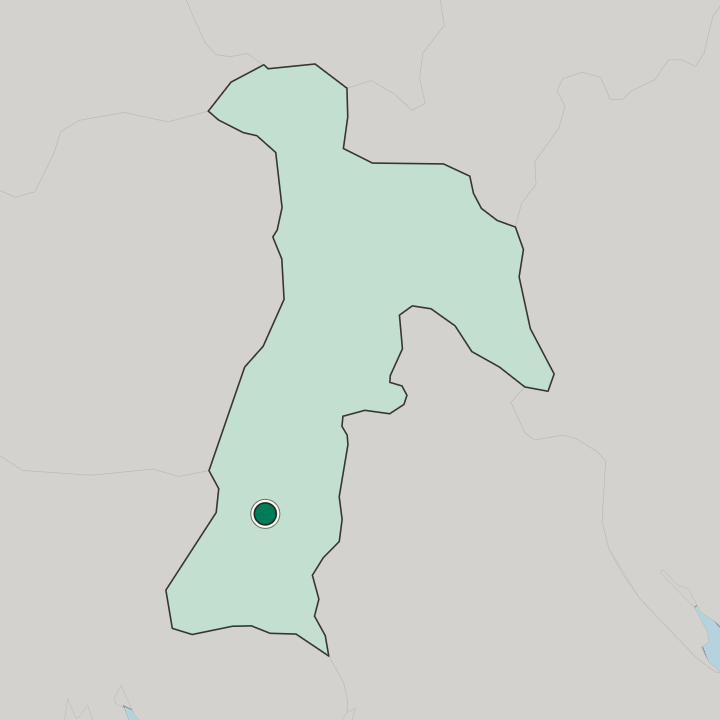
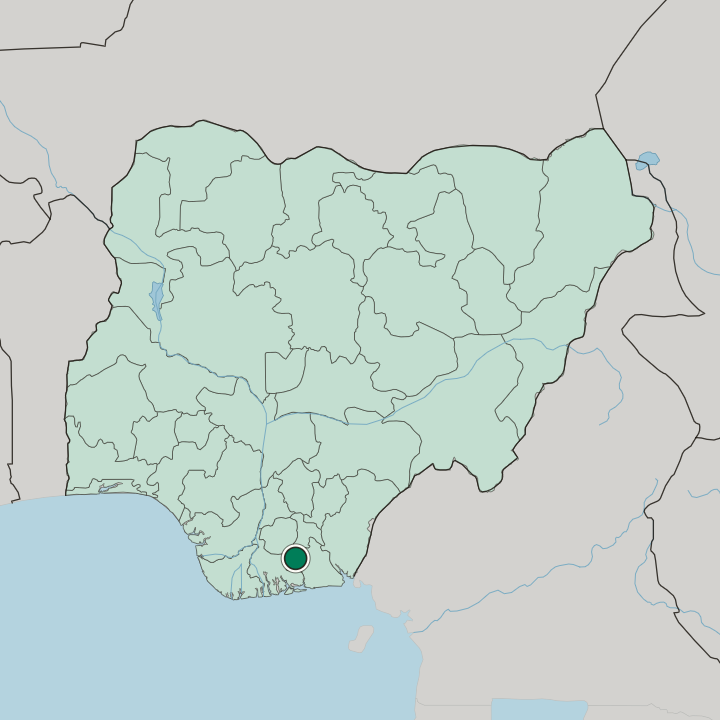
The Aba River sets the edge. Aba lies along the river's west bank, which fixes the city's position against a named watercourse rather than against any regional boundary. Roads do the rest of the work: Port Harcourt, Owerri, Umuahia, Ikot Ekpene, and Ikot-Abasi all converge on Aba, and that intersection is the single clearest fact about where the city sits.
Abia State contains it. The setting is interior and tropical, with the Aba River as the only water feature the record names for the city.
What is the climate of Aba?
Rainfall, not temperature, marks the seasons. Aba stands well inside the tropics on the west bank of the Aba River, so the wet stretch and the dry one divide the calendar, and the river is the feature that registers the difference most plainly. That matters for the roads.
Approaches from Port Harcourt, Owerri, and Ikot-Abasi are easier work in the drier stretch, and a visit built around the National Museum of Colonial History, Aba or the craftsmen's workshops is best fitted to it.
How do you get to Aba?
Aba is a junction before it is anything else. Roads from Port Harcourt, Owerri, Umuahia, Ikot Ekpene, and Ikot-Abasi intersect at the city, which makes overland arrival straightforward from five separate directions. No airport or railway is named.
The Aba River marks the side of the city the built ground occupies, so every approach ends on that west bank, inside the commercial centre of Abia State.
Common questions
What is the best area to stay in Aba?
The west bank of the Aba River: trade errands in Abia State's commercial centre, close to the Aba River. Around the National Museum of Colonial History: visits led by the National Museum of Colonial History, Aba and the Mbonu Emerem museum of art. The road approaches: drivers coming in from Port Harcourt, Owerri, Umuahia, Ikot Ekpene, or Ikot-Abasi.
Good for
Another city in Abia State
Updated September 2026