Nigeria · Anambra State
Where to Stay in Igbo-Ukwu, Anambra State
Igbo-Ukwu is a town in Anambra State, Nigeria, known for the archaeology that carries its name and for the two museums holding the finds.
Hotel links are affiliate links: booking through them may earn us a commission, at no extra cost to you. It never affects how places are ranked. How this works


Where to stay in Igbo-Ukwu
Where the beds are, and what that means for the visit.
The museums fix the centre of a visit. Igbo Ukwu Museum, Anambra and the National Museum, Igbo-Ukwu are the two addresses that give the town its visitors, and a bed within reach of them is the only arrangement that makes a short stay worth the journey. Obiuno, Ngo, and Ihite are the three quarters, and a room in any of them is inside the same town rather than a separate destination.
Nothing lies far from anything else. Thirty-six administrative wards sound like a lot of ground, but they subdivide a single town, so the practical choice is which quarter rather than which end of a city. Neighbouring towns widen the options.
Ora-eri, Ichida, Azigbo, Ezinifite, Amichi, Isuofia, and Ikenga all share a border with Igbo-Ukwu, and any of them can serve as a base for a visitor who arrives by road and does not need to sleep beside the museums. Anambra State supplies the larger centres. DIGC,Ekwulobia and DIGC,Nnewi appear on Igbo-Ukwu's own record, which points a visitor toward Ekwulobia and Nnewi when the town itself has nothing suitable. The archaeology is the reason to be here at all, so the sensible arrangement puts the National Museum, Igbo-Ukwu within a short walk and treats everything else as a matter of convenience.
Find hotels in Igbo-Ukwu
Direct booking searches for these neighbourhoods.
Obiuno
One of the three quarters that make up Igbo-Ukwu, with Ngo and Ihite, all of them inside the same small town as the two museums.Find hotels in Obiunolonger stays inside Igbo-Ukwu's own ward structure rather than a neighbouring townIhite
The third of Igbo-Ukwu's quarters after Obiuno and Ngo, part of the same thirty-six-ward town and no distance at all from the archaeology.Find hotels in Ihitedrivers content to sleep in Amichi, Isuofia, or Ichida and come in for the museumsThe bordering towns
The ring of settlements sharing a border with Igbo-Ukwu, from Ora-eri round to Azigbo and Ezinifite, each a short road journey from the excavation town.Find hotels in The bordering townsHotel links are affiliate links: booking through them may earn us a commission, at no extra cost to you. It never affects how places are ranked. How this works
Things to do in Igbo-Ukwu
Ranked by global recognition; descriptions from Wikidata (CC0).
Museums & Galleries
2- Igbo Ukwu Museum, Anambra Heritage
- National Museum, Igbo-Ukwu
Churches & Religious Sites
2- DIGC,Ekwulobia
- DIGC,Nnewi
Castles & Historic Sites
1- Archaeology of Igbo-Ukwu
worth knowingacross 3 categories in Igbo-Ukwu
About Igbo-Ukwu
Archaeology made the name.
What is Igbo-Ukwu known for?
The Archaeology of Igbo-Ukwu is what the town is recorded for, and two museums hold the material: the Igbo Ukwu Museum, Anambra and the National Museum, Igbo-Ukwu. Three quarters make up the town: Obiuno, Ngo, and Ihite, each holding several villages, with thirty-six administrative wards dividing the whole. Neighbours ring it closely.
Ora-eri, Ichida, Azigbo, Ezinifite, Amichi, Isuofia, and Ikenga all border Igbo-Ukwu, which places the town inside a tight cluster of settlements rather than out on its own.
What are the main landmarks in Igbo-Ukwu?
One find defines the place. Archaeology of Igbo-Ukwu is the entry that carries the town's name into the wider record, and both the Igbo Ukwu Museum, Anambra and the National Museum, Igbo-Ukwu exist to hold what came out of the ground here. Two museums serve one small town.
DIGC,Ekwulobia and DIGC,Nnewi round out the list, both named for other places in Anambra State rather than for Igbo-Ukwu itself.
What is the history of Igbo-Ukwu?
The ground here was dug, and what came out of it gave the town a place in the record that its size would not otherwise have earned. Archaeology of Igbo-Ukwu is the formal name for that body of work. No founding date attaches to the town itself.
What the record fixes instead is a structure: three quarters called Obiuno, Ngo, and Ihite, each containing several villages, and thirty-six administrative wards laid across the whole of it. Villages came first. The quarters gather them, which means Igbo-Ukwu is a composite of smaller settlements rather than a single grown centre, and the ward count follows from that.
Neighbours define the edges. Ora-eri, Ichida, Azigbo, Ezinifite, Amichi, Isuofia, and Ikenga border Igbo-Ukwu, and a town hemmed in by seven named neighbours has its limits set by agreement rather than by any river or ridge. Museums came much later.
Igbo Ukwu Museum, Anambra and the National Museum, Igbo-Ukwu are the institutional answer to the excavations, and their existence in a town of this scale is the clearest measure of what was found. Anambra State holds it all, and the record beyond that reaches only as far as DIGC,Ekwulobia and DIGC,Nnewi, two entries naming other towns in the same state.
Where is Igbo-Ukwu?
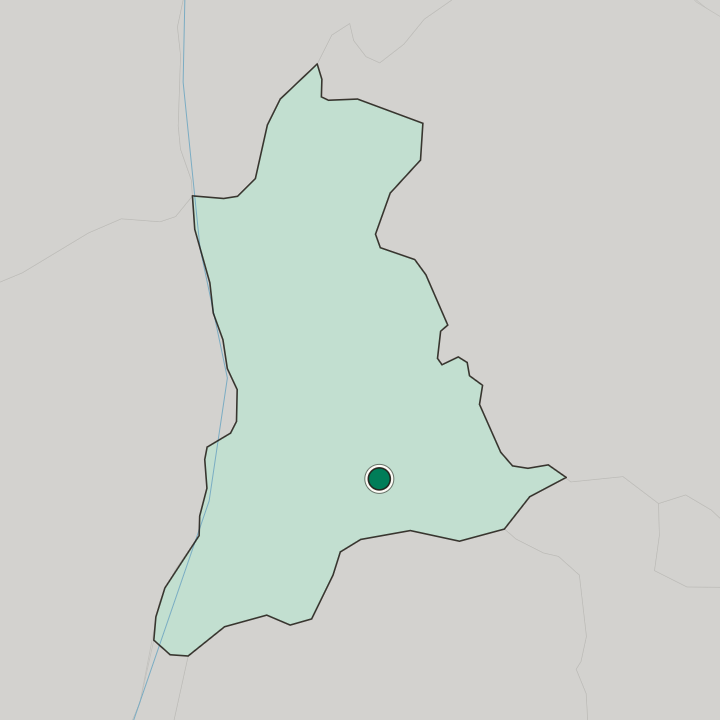
Seven towns share Igbo-Ukwu's boundary. Ora-eri, Ichida, Azigbo, Ezinifite, Amichi, Isuofia, and Ikenga press in from every side, which leaves the town no open frontier in any direction. Inside, the town divides three ways: Obiuno, Ngo, and Ihite, with villages under each and thirty-six administrative wards over the whole.
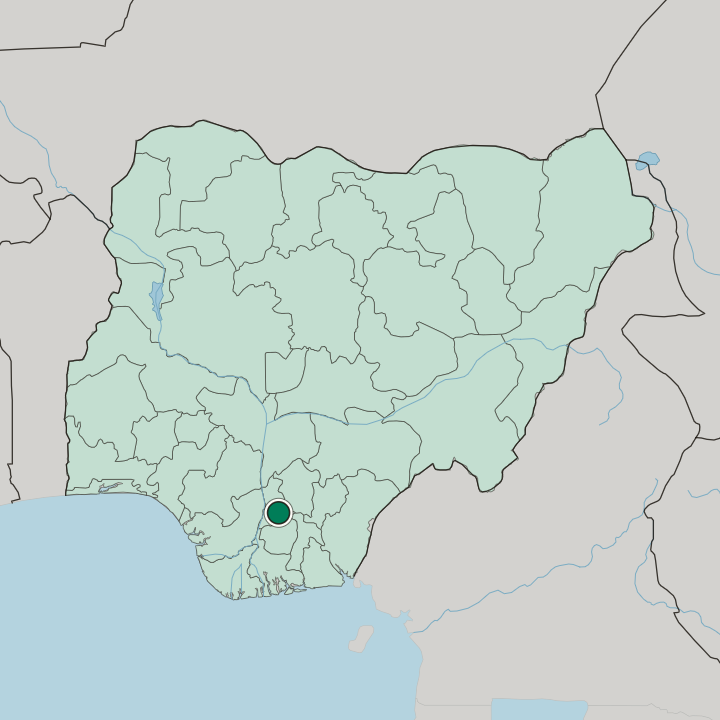
No river or coast is named. The setting is interior Anambra State, well inside the tropics, and the town's position is best given by the places around it rather than by any landform.
What is the climate of Igbo-Ukwu?
Wet and dry replace summer and winter. Igbo-Ukwu lies well inside the tropics with no coast, lake, or river in its record, so nothing large moderates the swing between the two stretches, and the year is read by rainfall rather than by temperature. The wet stretch matters for one reason here.
Excavated ground and open sites are harder work under rain, so a visit aimed at the National Museum, Igbo-Ukwu and the archaeology behind it is easier arranged for the drier part of the year.
How do you get to Igbo-Ukwu?
Road is the only way in that the record names. No airport, railway, or terminal appears for Igbo-Ukwu, so arrival means the approaches from the towns that border it, Ichida, Amichi, Ezinifite and the rest, and then the short run into whichever quarter holds the bed. Anambra State is the frame.
Traffic bound for the Igbo Ukwu Museum, Anambra or the National Museum, Igbo-Ukwu converges on a town of three quarters, so the last stage of any journey is measured in wards rather than in kilometres.
Common questions
What is the best area to stay in Igbo-Ukwu?
Obiuno: walk-in visits to the National Museum, Igbo-Ukwu and the excavation ground. Ihite: longer stays inside Igbo-Ukwu's own ward structure rather than a neighbouring town. The bordering towns: drivers content to sleep in Amichi, Isuofia, or Ichida and come in for the museums.
Good for
More cities in Anambra State
Updated September 2026