Nigeria
Anambra State, Nigeria — Towns & Travel Guide
Anambra State sits in south-east Nigeria, named for the Ọmambala River and anchored by the Niger port of Onitsha.
Hotel links are affiliate links: booking through them may earn us a commission, at no extra cost to you. It never affects how places are ranked. How this works


Towns & cities in Anambra State
Pick a town or city — each links to where to stay.

 Nigeria
Onitsha
Onitsha is a great river-port city of southeastern Nigeria, an Igbo trading town on the east bank of the Niger, with one of the largest markets in Africa.Where to stay →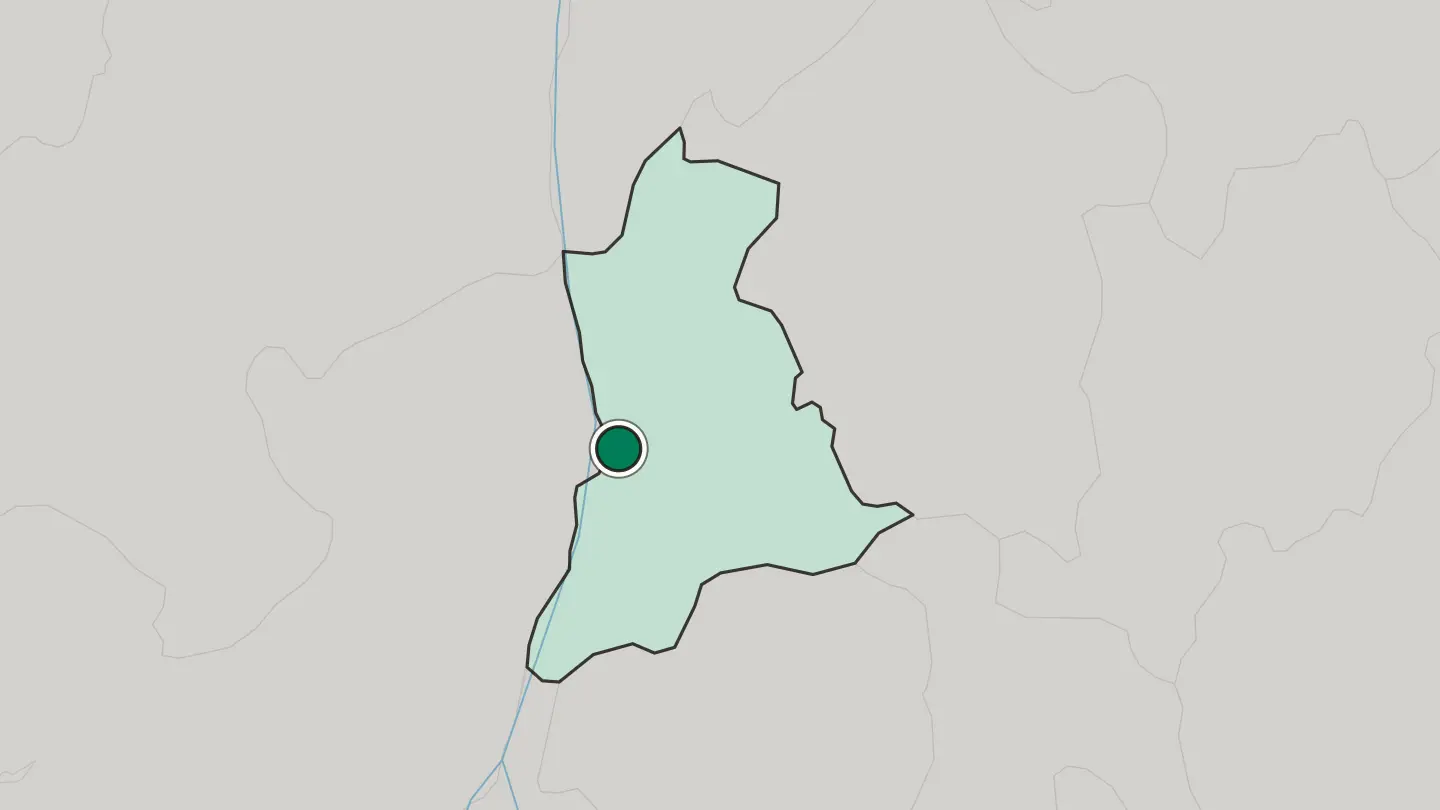
 Nigeria
Awka
Awka, or Ọka, is the capital of Anambra State, a university city that took the role on 21 August 1991 when the older state was divided.Where to stay →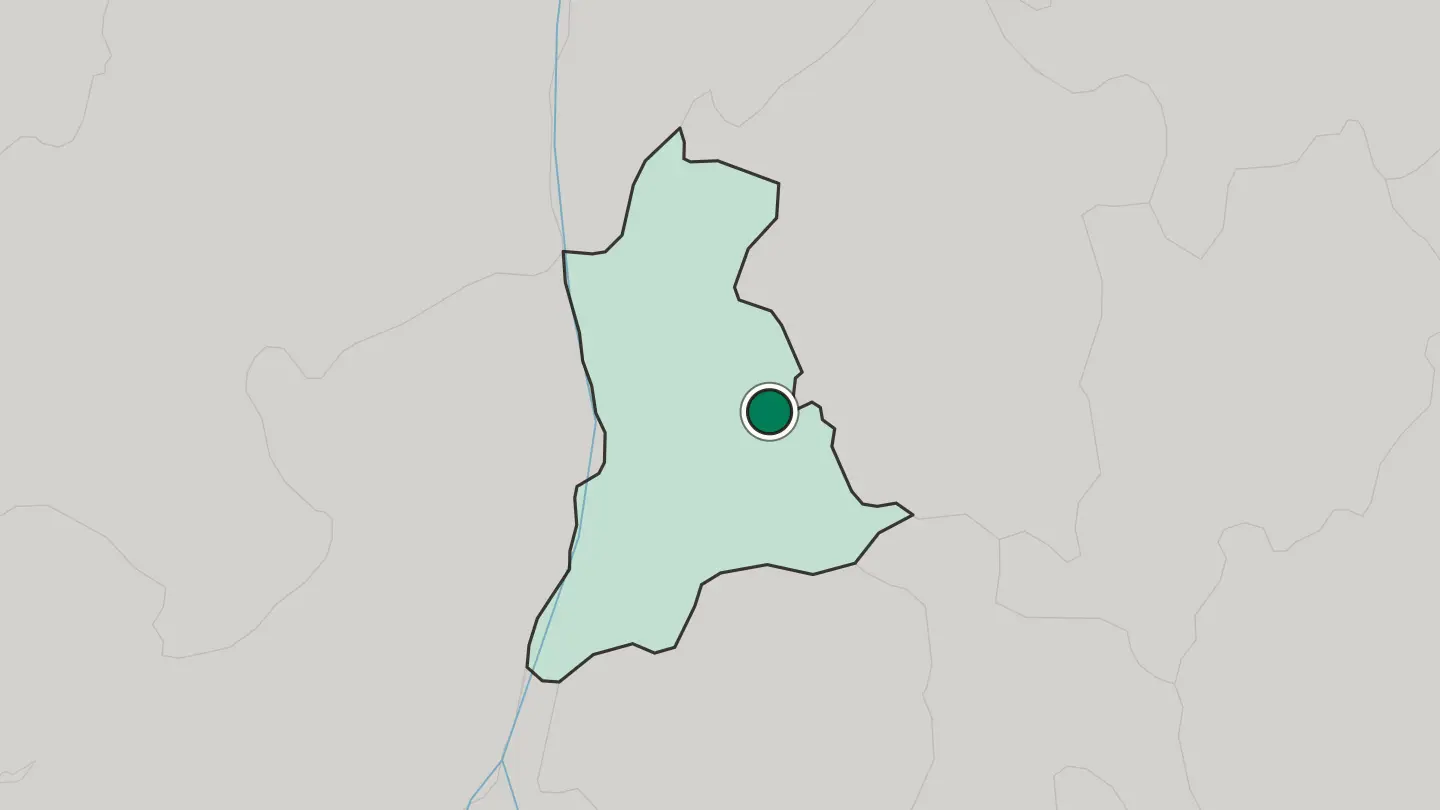 Nigeria
Igbo-Ukwu
Igbo-Ukwu is a town in Anambra State, Nigeria, known for the archaeology that carries its name and for the two museums holding the finds.Where to stay →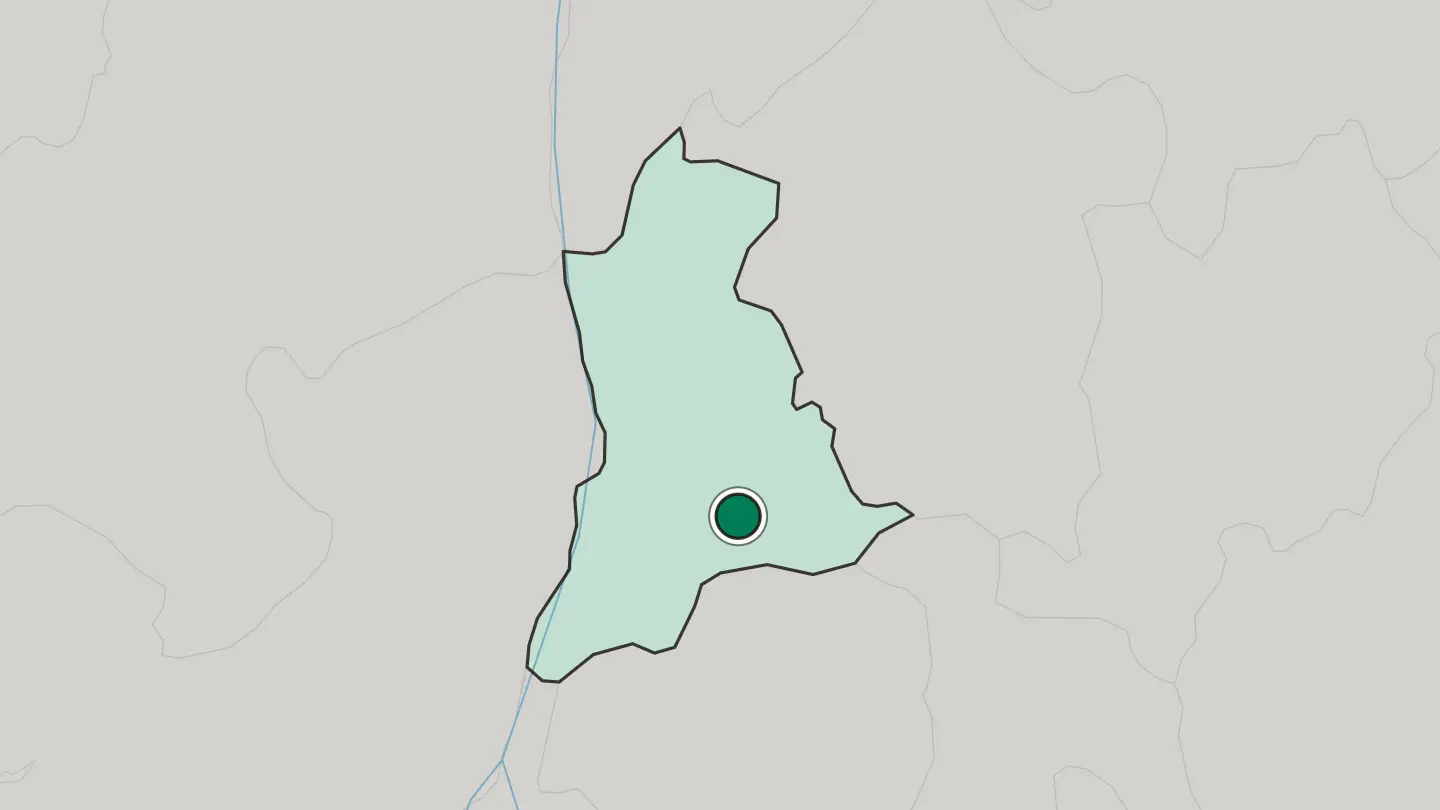
Hotel links are affiliate links: booking through them may earn us a commission, at no extra cost to you. It never affects how places are ranked. How this works
About Anambra State
Commerce defines Anambra.
What is Anambra State known for?
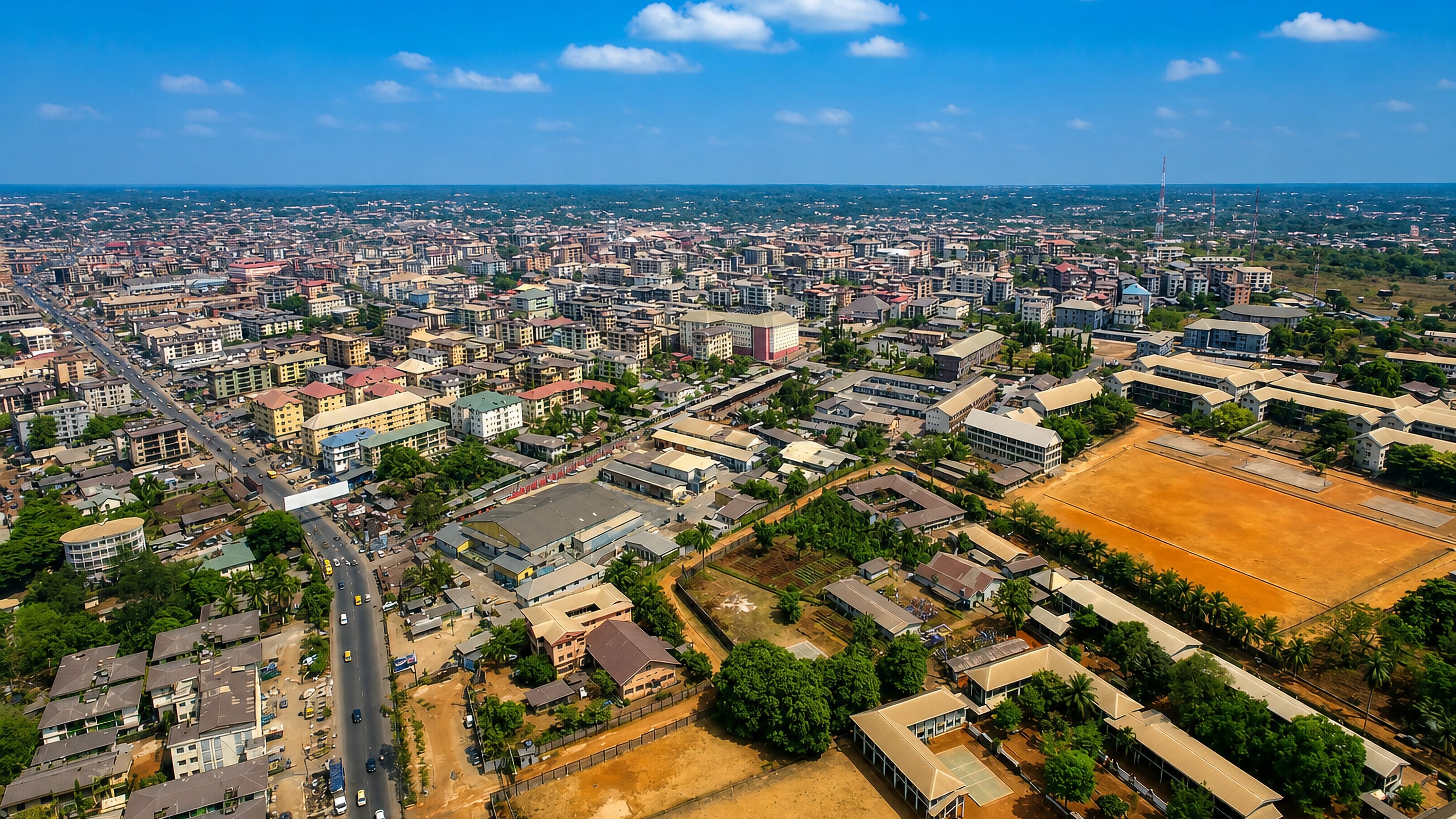
Onitsha, on the eastern bank of the Niger River, grew from a river port into the site of one of West Africa's largest markets, and its trade reaches deep into the Igbo south-east. Nnewi, a short drive south-east, builds motor parts and cars and supplies workshops across the country. Awka, the capital, keeps an older reputation for blacksmithing and metalwork.
The land carries far older weight too, because the medieval Kingdom of Nri once centred here and left the bronzes of Igbo-Ukwu behind.
Where is Anambra State?
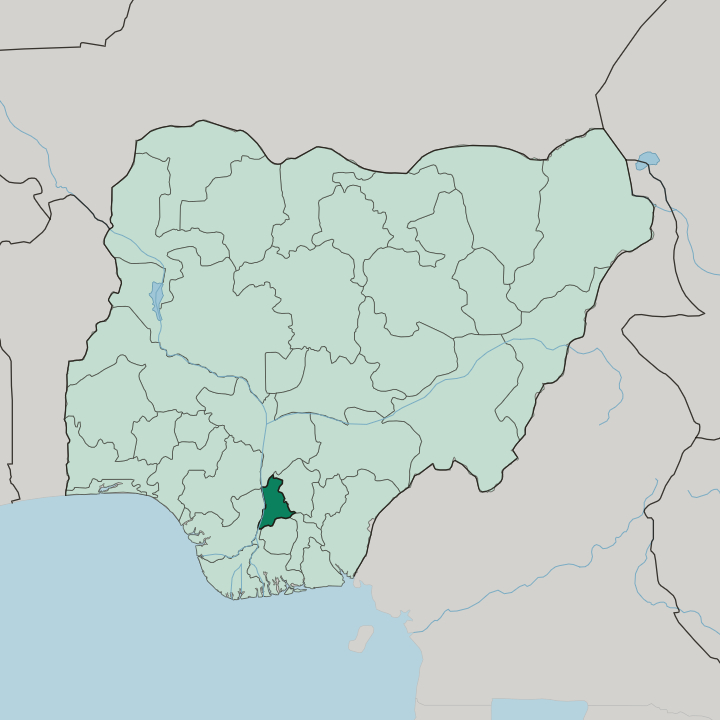
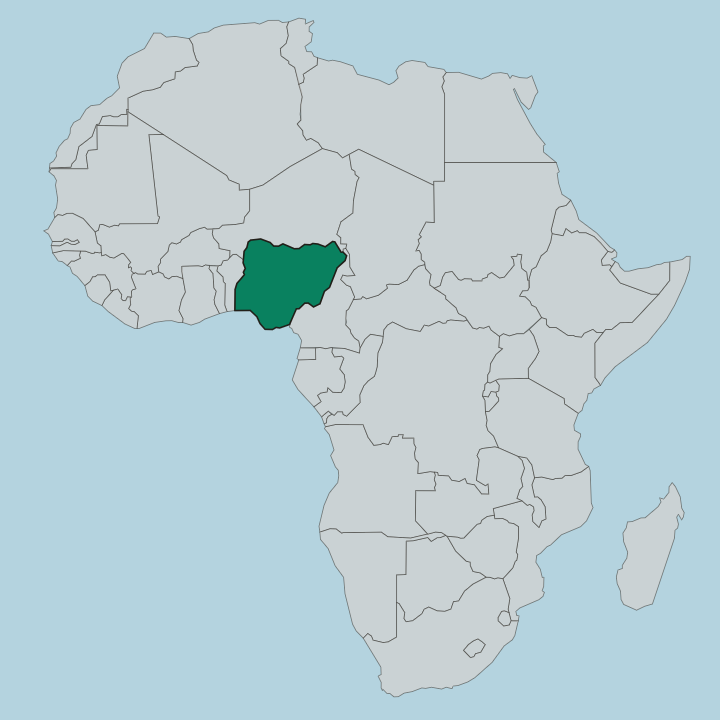
Anambra lies in south-east Nigeria, deep in the Igbo heartland. The Niger River runs down its whole western edge, dividing it from Delta and Edo on the far bank. Enugu borders it to the east and Kogi to the north, while Imo, Rivers and Abia close it off to the south and south-east.
The state takes its name from the Ọmambala, or Anambra River, a tributary that drains the north before joining the Niger. Water shapes this ground. The northern lowlands flood in the wet months as the Ọmambala and the Niger spill their banks, leaving fertile silt behind and long stretches of seasonal wetland across the plain.
South of the flood plain the land firms up, and towns such as Awka and Nnewi sit on higher, drier ground. Onitsha holds the river frontier, strung along the eastern bank of the Niger where the water is broad and busy with barge and canoe traffic. Much of the rest is densely settled farmland, worked hard and dotted with market towns.
The rainforest that once covered the south has largely given way to that farming. It stays crowded.
What is Anambra State like?
Anambra is Igbo country through and through, and Igbo and English are the languages you hear on its streets. Trade and enterprise run through the culture as strongly as anything. Families here have long sent their sons into apprenticeships and markets, and the merchant houses of Onitsha and the workshops of Nnewi grew out of that habit.
Faith sits close beside commerce, with churches filling most towns and Sunday shaping the week. Old title systems and clan councils still carry weight. The state also guards a deep well of ceremony.
The Ofala Festival at Onitsha brings the Obi, the town's traditional ruler, out in state before his people each year. Masquerade traditions stay strong, and the towering Ijele masquerade, one of the largest in West Africa, dances at the biggest occasions. The kinetic Atilogwu dance, all leaps and acrobatics, belongs to this ground as well.
History reaches back a very long way. The Kingdom of Nri once held religious and political sway from Igbo-Ukwu here, and the ninth-century bronzes dug from that town are among the oldest fine metalwork in sub-Saharan Africa. New yam is still celebrated when the harvest comes in.
That thread ties the modern trading state back to its farming roots.
What is the history of Anambra State?
The past runs deep. Long before the modern state, the Kingdom of Nri spread its priestly authority across this land from Igbo-Ukwu, and the bronzes excavated there date to the ninth century. Onitsha rose later as a riverside kingdom and a Niger trading port, drawing foreign merchants and Christian missionaries through the colonial era.
Anambra State itself was carved out of the old East Central State in 1976. A second split in 1991 hived off Enugu and moved the capital to Awka, giving the state the shape it holds now.
What is the climate of Anambra State?
Anambra runs hot and humid all year, in the tropical rhythm of southern Nigeria. Rain rules from about April into October, when heavy downpours swell the Ọmambala and the Niger and flood the northern lowlands. The drier months, roughly November to March, bring the harmattan, a dusty wind off the Sahara that hazes the sky and cools the mornings.
Little seasonal contrast in temperature. What changes through the year is the water, not the heat.
How do you get to Anambra State?
Nearly everyone arrives on Anambra's roads. They funnel traffic through Onitsha and across its bridge over the Niger River, the main gateway from the west into the whole south-east of the country. The Chinua Achebe International Airport at Umueri, in the north of the state, opened as the first airport inside Anambra's own borders and handles a growing slate of flights.
Boats still cross and work the river at Onitsha. Inside the state, road links Onitsha, Awka and Nnewi in a tight, heavily travelled triangle.
Common questions
What is the best area to stay in Anambra State?
Onitsha: trade and the Niger waterfront. Awka: the quieter administrative capital. Nnewi: business in the motor-parts workshops.
More regions in Nigeria
Updated September 2026