Nigeria · Cross River State
Where to Stay in Calabar, Cross River State
Calabar is a historic port city on the Cross River in southeastern Nigeria, an old Efik trading state.
Hotel links are affiliate links: booking through them may earn us a commission, at no extra cost to you. It never affects how places are ranked. How this works


Where to stay in Calabar
Where the beds are, and what that means for the visit.
Where you stay in Calabar turns on the town or the waterside. The old centre on the hills keeps the museums, the mansions, and the markets within reach, and staying downtown suits anyone here for the history. The old streets climb the ridge.
Rooms sit among the colonial houses. Out toward the river and the marina, the city looks over the estuary. A room by the water trades the old streets for the waterfront, the resort, and the road to the forest.
The green estuary spreads past the edge. If you want the museums and the mansions, stay downtown; if you want the river, take a room by the water. Both choices keep Calabar's hilltop streets and museums close by.
Find hotels in Calabar
Direct booking searches for these neighbourhoods.
The old centre
On the hills within reach of the museums and colonial housesFind hotels in The old centreStays wanting the river and the marinaThe waterside
By the estuary near the waterfront and the road to the forestFind hotels in The watersideHotel links are affiliate links: booking through them may earn us a commission, at no extra cost to you. It never affects how places are ranked. How this works
Things to do in Calabar
Ranked by global recognition; descriptions from Wikidata (CC0).
Museums & Galleries
3- Calabar Old Residency Museum Heritage
- Calabar Drill Monkey Ranch Heritage
- Slave History Museum
Churches & Religious Sites
2- Big Qua Town PCN
- Emmanuel Baptist Church, Calabar
Castles & Historic Sites
2- Chief Egbo Bassey's House Heritage
- Old Consulate Building Calabar Heritage
Landmarks & Notable Places
1- Residence area calabar south cross river state, Nigeria
worth knowingacross 4 categories in Calabar
About Calabar
Calabar is the old river port of the Efik.
What is Calabar known for?
It rose on the hills above the Cross River estuary, where Efik merchants once traded with the ships of Europe, and it keeps colonial mansions, a slave-trade museum, and a famous December carnival that draws crowds from across the land. The green rainforest closes in nearby. River and carnival mark the city.
What are the main landmarks in Calabar?
The old colonial mansions line the streets of Calabar. Fine houses and the old consulate stand above the river, from the days of the palm-oil trade, the mark of the old port. Museums tell the river's story.
The Slave History Museum and the Old Residency keep the hard past, while the Drill Ranch in the forest nearby shelters rare monkeys and apes.
What is the history of Calabar?
Calabar grew as a trading state of the Efik. On the hills above the river the Efik built their towns, and their chiefs, the Obongs, grew rich trading first slaves and then palm oil to the ships of Europe, so that Old Calabar became one of the great ports of the coast. Old Calabar became a great port.
Ships from Bristol and Liverpool crowded the river to load, and the Efik grew into a power on the coast, dealing on their own terms with Europe. The British came to the river. Calabar became the seat of the first colonial consulate and then the capital of a large region, and missionaries settled here, among them Mary Slessor, long remembered in the town.
The port faded, but the city held on. Trade moved to larger harbours, yet Calabar kept its old mansions and its place, and in time it drew fame again for its great street carnival. The rainforest still crowds the hills.
Calabar keeps its river and its carnival in the southeast.
Where is Calabar?
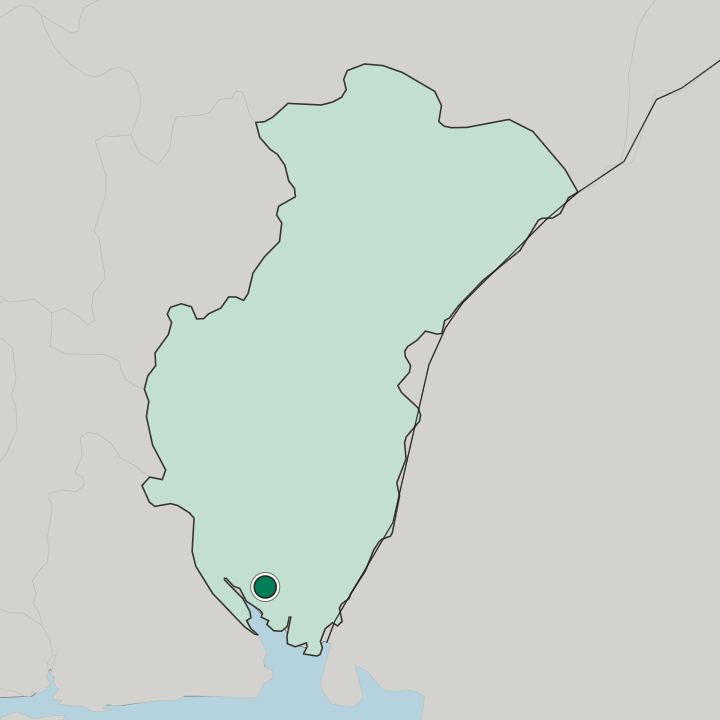
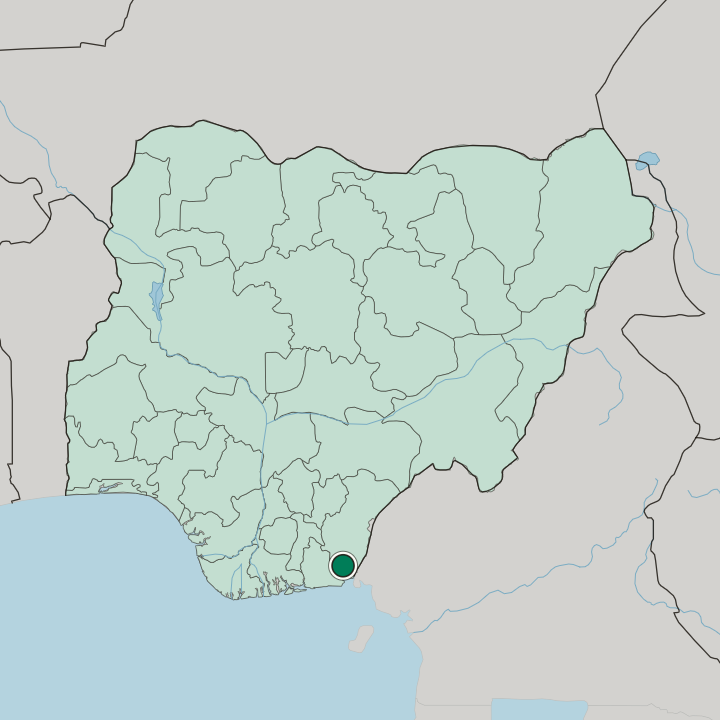
Calabar lies on the Cross River near the coast of southeastern Nigeria. The city stands on low green hills above the wide river estuary, where the rainforest meets the sea, close to the border with Cameroon. Dense forest rings the town.
The broad estuary opens to the south.
What is the climate of Calabar?
Calabar's climate is hot and wet, the weather of forest country. Warm, humid air hangs over the forest all year, and among the heaviest rains in Nigeria fall through a long wet season, with a shorter drier spell. Storms break most days in the rains.
The green land stays warm and damp.
How do you get to Calabar?
Calabar lies in the far southeast of Nigeria near the Cameroon border. Roads run to it from Uyo and the coast, and an airport links the city to Lagos and Abuja, while boats work the river estuary. Buses run out from Calabar to the delta towns nearby.
Most arrive by road or air from Lagos.
Common questions
What is the best area to stay in Calabar?
The old centre: Visitors here for the museums, mansions, and markets. The waterside: Stays wanting the river and the marina.
Good for
Updated October 2026