Nigeria
Cross River State, Nigeria — Towns & Travel Guide
Cross River State is Nigeria's rainforest corner, running from Calabar on the coast up to the Obudu highlands.
Hotel links are affiliate links: booking through them may earn us a commission, at no extra cost to you. It never affects how places are ranked. How this works


Towns & cities in Cross River State
One town here has its own guide — it links to where to stay.
 Nigeria
Calabar
Calabar is a historic port city on the Cross River in southeastern Nigeria, an old Efik trading state.Where to stay →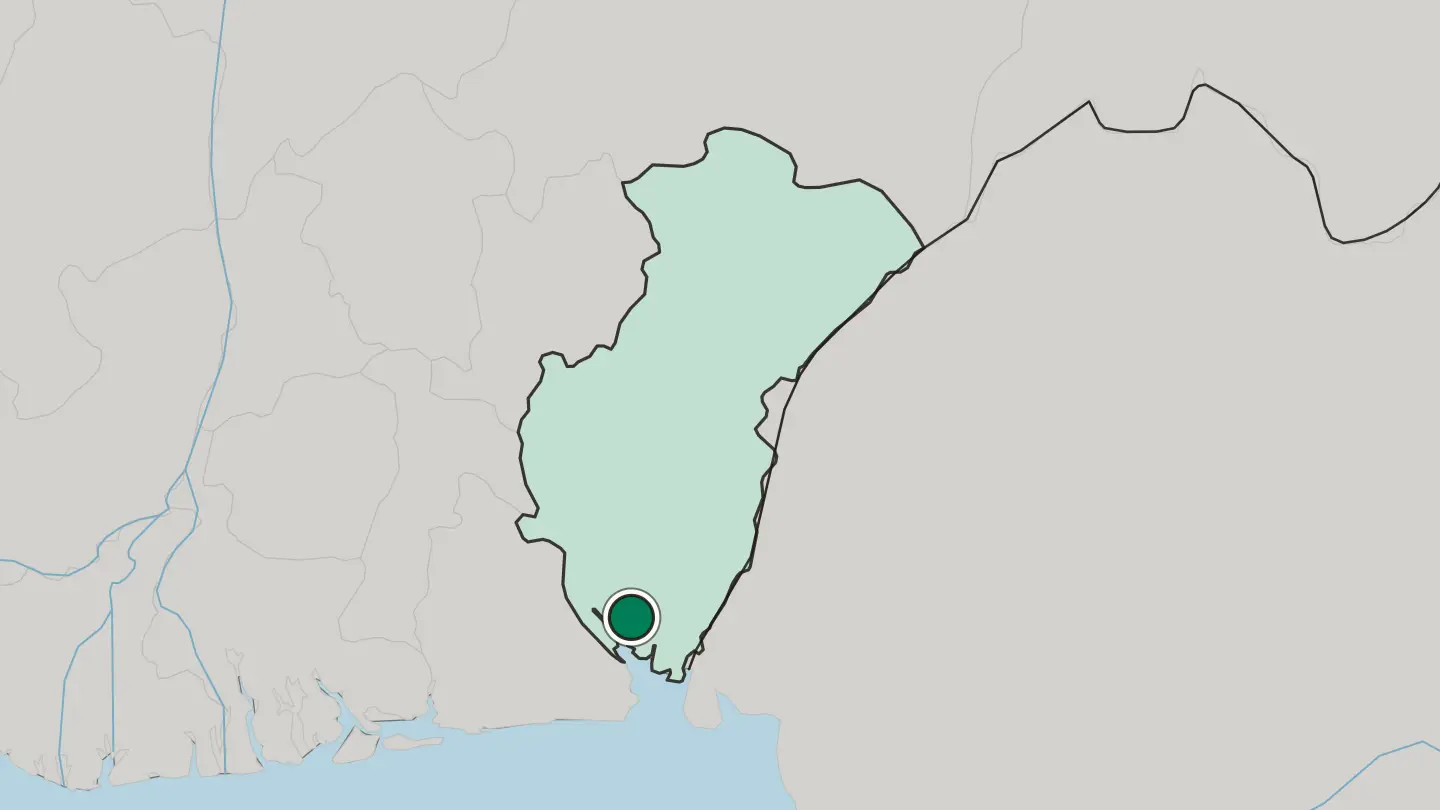
Hotel links are affiliate links: booking through them may earn us a commission, at no extra cost to you. It never affects how places are ranked. How this works
About Cross River State
Two things carry its name abroad.
What is Cross River State known for?
The first is the Calabar Carnival, a month-long street parade each December that fills the capital with costumed bands and draws visitors from across Nigeria and beyond. The second is the forest: the Cross River National Park shelters some of West Africa's last drill monkeys and the rare Cross River gorilla, and the cool Obudu Mountain Resort sits high on a plateau near the Cameroon border. Between the two lies the Cross River itself, the waterway the state is named for.
Where is Cross River State?
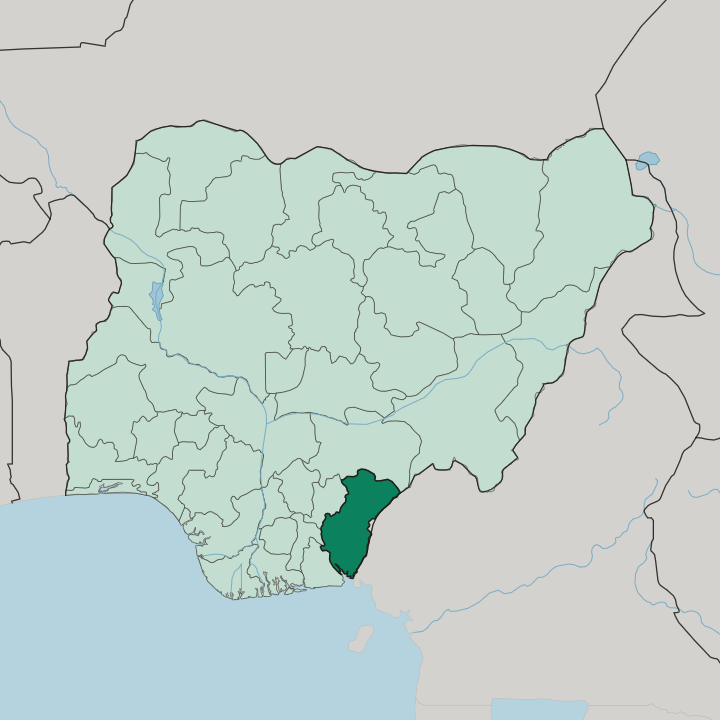
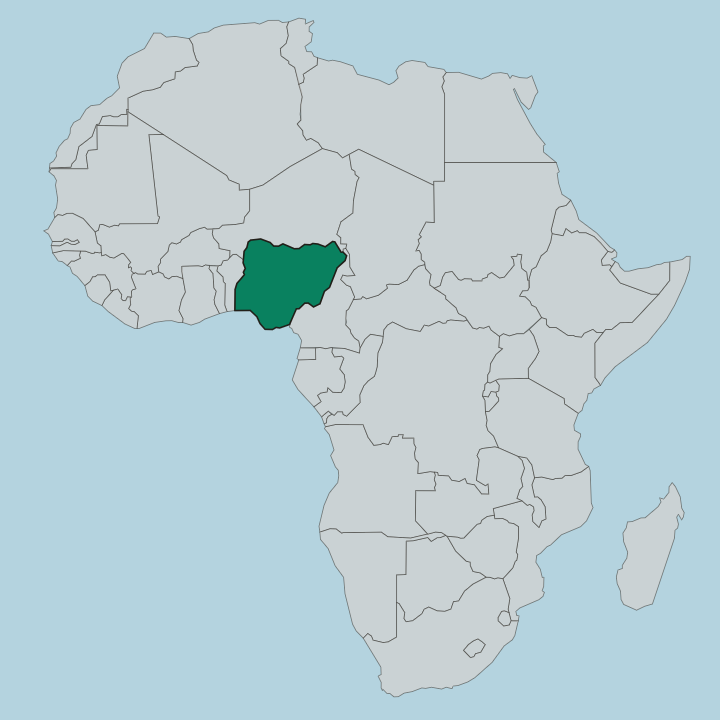
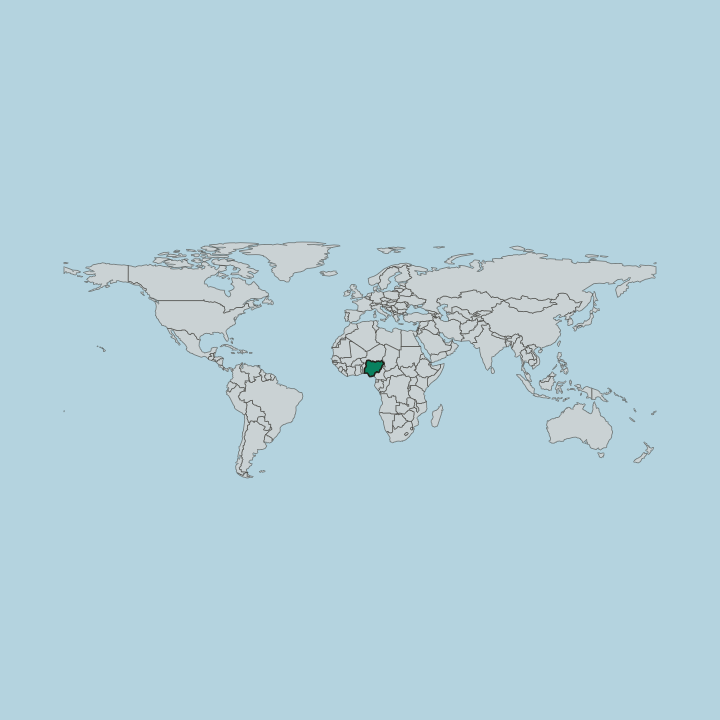
Cross River State sits in the south-eastern corner of Nigeria, in the country's South-South zone. Its whole eastern edge is the international border with Cameroon. To the north lies Benue State, to the west Ebonyi and Abia, and to the south-west Akwa Ibom, which was carved out of Cross River itself in 1987.
The land runs long and narrow. Down south, around Calabar, the state meets the sea through a tangle of creeks and the Cross River Estuary, where the Calabar and Great Kwa rivers feed the wider inlet. The Cross River gives the state its name and its shape.
It cuts through the interior before bending to form much of the western boundary, then empties south toward the Atlantic. Most of the state between the rivers is dense lowland rainforest, part of the Cross-Sanaga-Bioko coastal forests that run east into Cameroon. Northward the forest thins into the Guinean forest-savanna mosaic, and the ground climbs.
In the far north-east it rises sharply to the Obudu Plateau, high enough that the air turns cool and the grass stays green. Coast, forest, and mountain lie stacked one behind the next.
What is Cross River State like?
Culture here begins on the water. The Efik of the riverside south and around Calabar built their wealth as traders and middlemen, and their Ekpe, or Leopard, society once made and enforced the laws of Old Calabar. Inland live the Ejagham, the Ekoi people, whose carved stone monoliths and masks belong to the same forest world.
Efik is the language of the coast and the old capital, and it carries the region's memory in its proverbs and drum names. Faith shows here too. Presbyterian missionaries reached Calabar in the nineteenth century, and Duke Town Church still stands as a mark of that arrival.
The December carnival pulls all of it into the street. Costumed bands, brass, and floats fill Calabar for weeks, and the parade has grown into one of the largest such events on the continent. Food is its own draw.
Cross River kitchens are known across Nigeria for edikang ikong and afang, thick soups built on the greens the forest gives up. It is a small state that reaches well beyond its size.
What is the history of Cross River State?
Old Calabar was one of West Africa's great trading ports. From the seventeenth century the Efik houses of Duke Town and Creek Town sold enslaved people to European ships, then turned to palm oil once Britain outlawed the trade. Calabar later served as an early seat of British colonial administration in the region.
The modern state took shape much later. It was drawn up in 1967 and given the name Cross River in the reorganisation of 1976, before Akwa Ibom was split away from it in 1987.
What is the climate of Cross River State?
The coast is hot and wet. Calabar runs a tropical monsoon climate, humid all year, with a short dry spell from December to February and a long rains that peaks in the middle of the year, when downpours can fall almost daily through July and August. The forest interior stays much the same, warm and heavy with rain.
The exception is the Obudu Plateau in the north-east, where the height pulls temperatures down and the nights turn genuinely cool.
How do you get to Cross River State?
Most visitors fly into Calabar. Margaret Ekpo International Airport sits inside the capital and links it by air to Lagos and Abuja, the usual entry points from abroad. Reaching the north is a longer haul: the Obudu Plateau lies a drive of several hours from Calabar, and many travellers approach it instead through Enugu, where the road is shorter and better kept.
Inside the state, road is the only real way between the coast, the forest parks, and the highlands.
Common questions
What is the best area to stay in Cross River State?
Calabar: an easy landing point for Cross River State. Obudu highlands: the cool highland plateau. The forest interior: the rainforest and its wildlife.
Good for
More regions in Nigeria
Updated September 2026