Nigeria · Federal Capital Territory
Where to Stay in Abuja, Federal Capital Territory
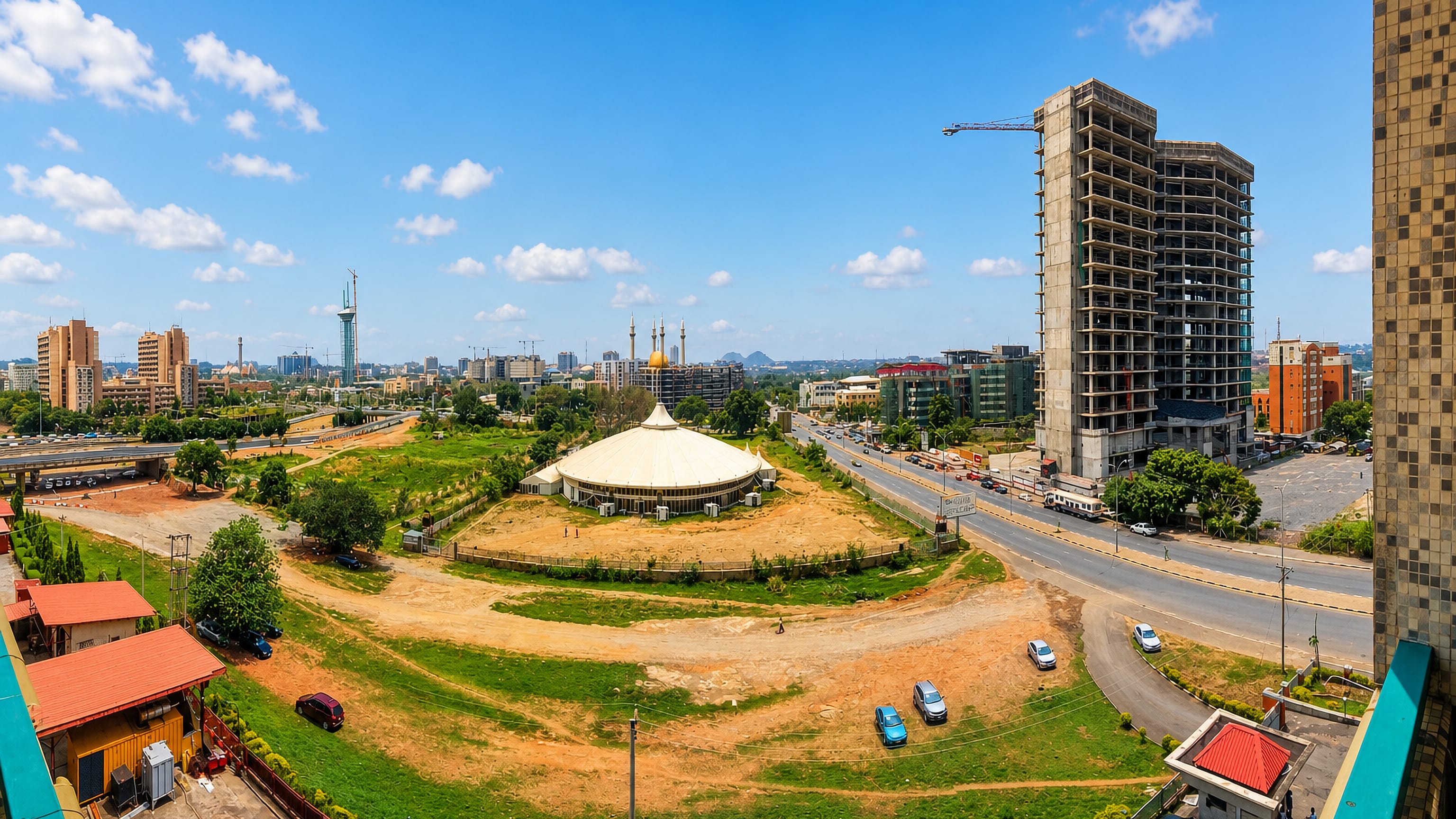
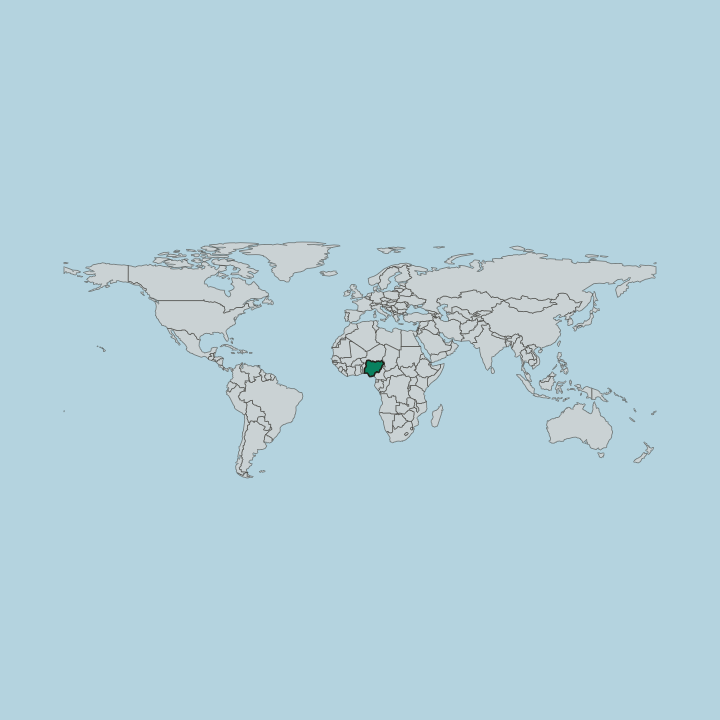
Built at the geographic midpoint of the country, Abuja is the capital city of Nigeria, known for the National Church of Nigeria and the Unity Fountain.
Hotel links are affiliate links: booking through them may earn us a commission, at no extra cost to you. It never affects how places are ranked. How this works


Where to stay in Abuja
Where the beds are, and what that means for the visit.
Abuja spreads across more than 50 districts, so where you base yourself in the Federal Capital Territory shapes the whole trip. Maitama sits among the diplomatic quarters and quieter residential streets, close to the leafy grounds where the Unity Fountain stands. It suits travellers who want calm.
Garki, laid out among government offices and markets nearer the older core of the capital, keeps you within reach of civic landmarks and the everyday commerce of the city, and it tends to feel busier and more central than the northern districts. The choice between the two mirrors the wider split of Abuja itself. Maitama leans toward embassies, guest houses, and the National Church of Nigeria rising on its high ground, while Garki keeps the pace of a working district close to the seat of the Federal Government of Nigeria.
If you value quiet evenings and space, look north to Maitama. If you want to be near the offices, halls, and the Cathedral of the Twelve Apostles, Garki places you closer to the centre of things.
Find hotels in Abuja
Direct booking searches for these neighbourhoods.
Maitama
Abuja's northern diplomatic quarter, where embassies and guest houses line quiet streets below the high ground of the National Church of Nigeria.Find hotels in MaitamaCentral footing among government offices and marketsGarki
A busy working district near the older core of the capital, keeping the Federal Government of Nigeria offices and the Cathedral of the Twelve Apostles within easy reach.Find hotels in GarkiHotel links are affiliate links: booking through them may earn us a commission, at no extra cost to you. It never affects how places are ranked. How this works
Things to do in Abuja
Ranked by global recognition; descriptions from Wikidata (CC0).
Churches & Religious Sites
3- National Church of Nigeria
- Cathedral of the Twelve Apostles
- Assemblies Of God Church garki
Castles & Historic Sites
1- Unity Fountain
Stadiums & Sports
1- Ladi Kwali Hall
Landmarks & Notable Places
3- Presken Hotels @ Abuja Heritage
- The Envoy Hotel, Abuja Heritage
- BARCELONA HOTELS INTERNATIONAL Abuja
worth knowingacross 4 categories in Abuja
About Abuja
What is Abuja known for?
Abuja is known as the seat of the Federal Government of Nigeria, a planned capital that took over the role from Lagos. It is a young city. Its skyline gathers national institutions, worship halls, and civic monuments rather than the old trading quarters of the coast, and the National Church of Nigeria and the Cathedral of the Twelve Apostles anchor its religious architecture.
The Unity Fountain draws crowds to its centre. The Federal Capital Territory frames it on every side.
What are the main landmarks in Abuja?
The main landmarks of Abuja gather around its planned civic core. The National Church of Nigeria and the Cathedral of the Twelve Apostles stand as the capital's principal Christian buildings, while the Unity Fountain marks a public gathering point near the government quarter. Ladi Kwali Hall serves as a large event and conference venue, and the Deeper Christian Life Ministry keeps a prominent presence in the city's religious life.
Together they define the built face of the Federal Capital Territory.
What is the history of Abuja?
Abuja's history as a capital is short and deliberate. The name itself reaches back to a settlement recorded in 1828, but the modern city was designed from open ground to serve as a neutral federal seat at the middle of the country. On 12 December 1991 it replaced Lagos as the capital of Nigeria, drawing government agencies away from the crowded coast.
The move was decades in the making. What followed was rapid, planned construction across the Federal Capital Territory. Districts were laid out one after another until the city stretched over more than 50 districts, and national buildings rose where farmland and bush had stood.
The National Church of Nigeria and the Cathedral of the Twelve Apostles came with this wave of capital-building, and civic monuments such as the Unity Fountain gave the young city gathering places of its own. Abuja grew as an act of state, not of trade, and that origin still marks its wide avenues and ordered quarters.
Where is Abuja?
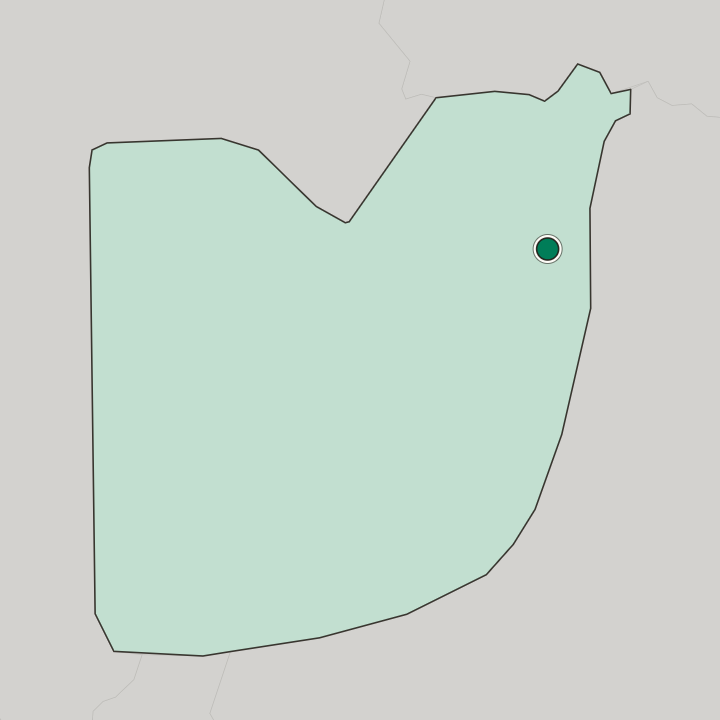
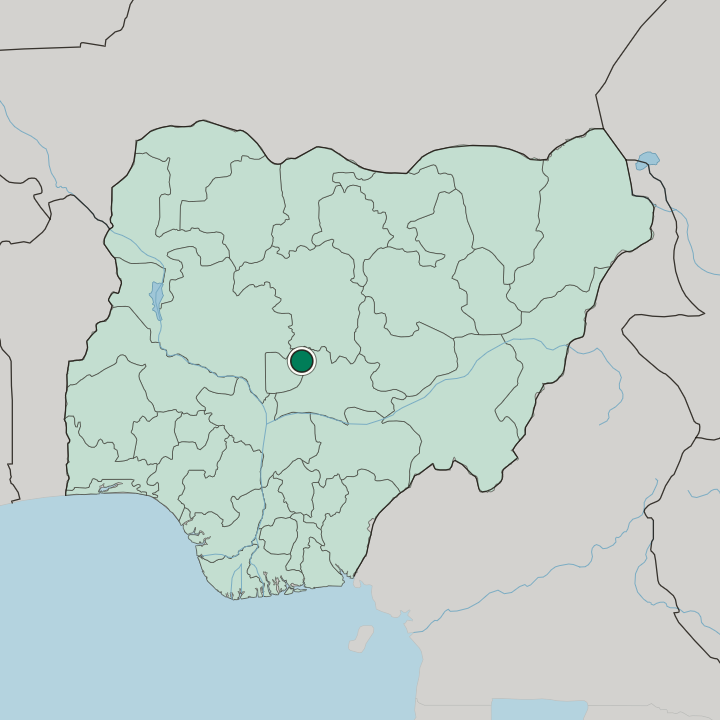
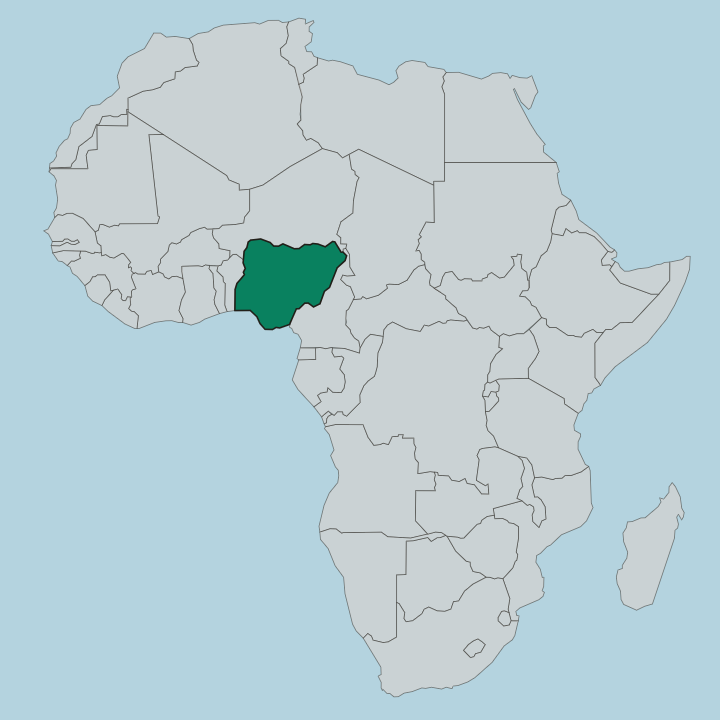
Abuja sits at the geographic midpoint of the country, within the Federal Capital Territory that surrounds it on all sides. That was the point. It lies inland, away from the coast where Lagos grew, on ground chosen for its neutral position among Nigeria's regions.
The city and its more than 50 districts fill a planned zone rather than a natural harbour or river mouth, and the Federal Capital Territory gives the capital its own administrative frame apart from any surrounding state.
What is the climate of Abuja?
Abuja has a tropical climate shaped by its inland, central position in Nigeria. The year divides into a warm wet season and a drier season rather than into cold and heat. Rain arrives in force during the wet months, when storms build over the Federal Capital Territory and green the surrounding country, while the dry stretch brings hazy, dust-laden air from the north and clearer, hotter days.
Nights stay mild through the year. The seasons turn on rain, not on frost.
How do you get to Abuja?
Abuja is reached mainly by air and by road as the capital of Nigeria. Long-distance highways run in from Lagos and the other major centres, converging on the Federal Capital Territory at the middle of the country. Its central position makes it a crossing point between coast and interior.
The grid does the rest. Wide planned avenues across the more than 50 districts carry traffic between the government quarter, Maitama, and Garki.
Common questions
What is the best area to stay in Abuja?
Maitama: Diplomatic-quarter calm near the Unity Fountain grounds. Garki: Central footing among government offices and markets.
Good for
Updated October 2026