Nigeria
Federal Capital Territory, Nigeria — Towns & Travel Guide
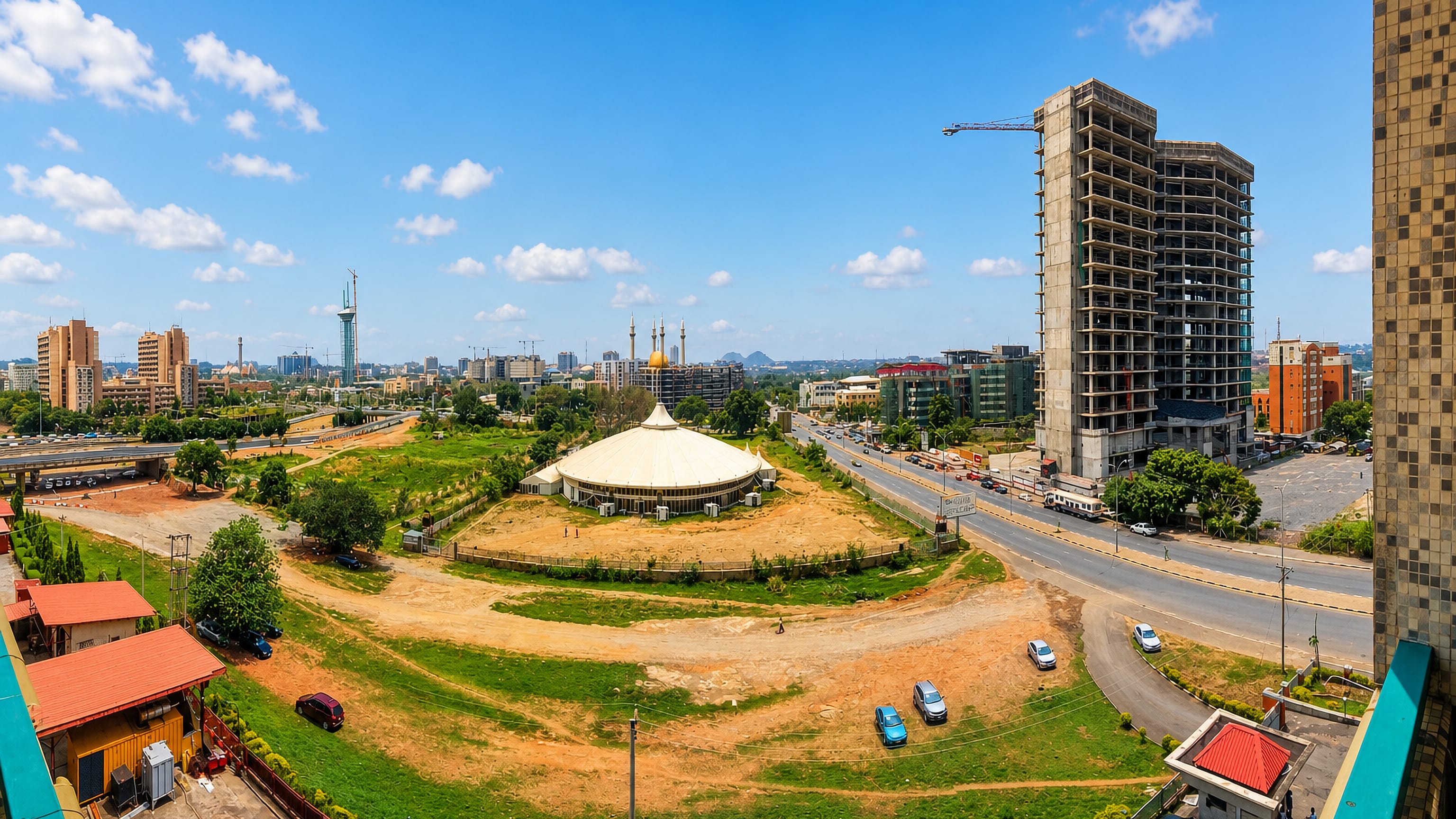
The Federal Capital Territory holds Abuja, Nigeria's planned capital, on the high savanna plains at the country's centre.
Hotel links are affiliate links: booking through them may earn us a commission, at no extra cost to you. It never affects how places are ranked. How this works


Towns & cities in Federal Capital Territory
One town here has its own guide — it links to where to stay.
 Nigeria
Abuja
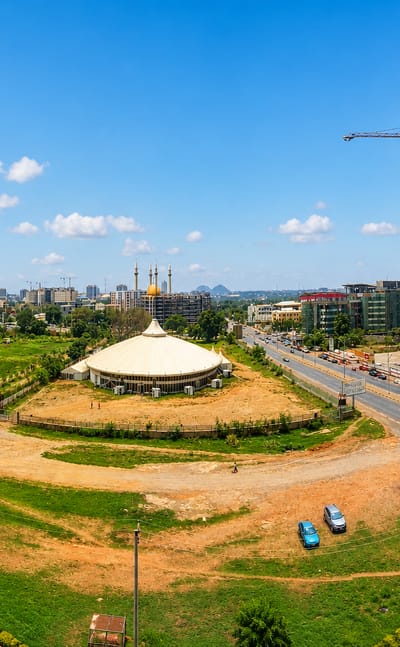
Built at the geographic midpoint of the country, Abuja is the capital city of Nigeria, known for the National Church of Nigeria and the Unity Fountain.Where to stay →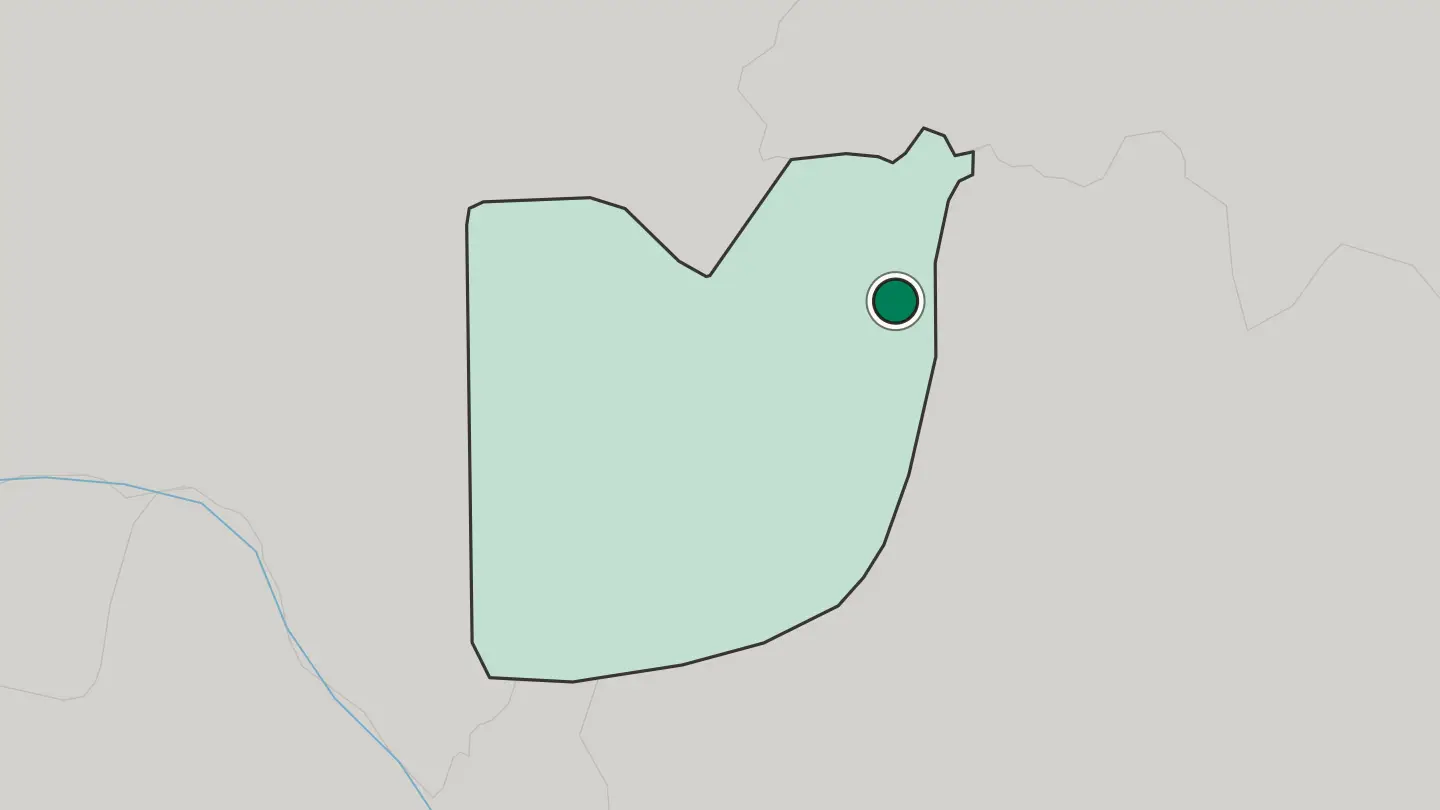
Hotel links are affiliate links: booking through them may earn us a commission, at no extra cost to you. It never affects how places are ranked. How this works
About Federal Capital Territory
This is where Nigeria runs itself.
What is Federal Capital Territory known for?
The Federal Capital Territory was carved out of the country's middle in 1976 to hold a purpose-built national capital, and Abuja rose on empty savanna to replace crowded Lagos. Aso Rock, a granite monolith rising some 400 metres above the city, looms behind the seat of government and gives the presidential complex its name. Zuma Rock marks the northern approach.
The territory belongs to no single ethnic majority, which was the whole point of putting the capital here.
Where is Federal Capital Territory?
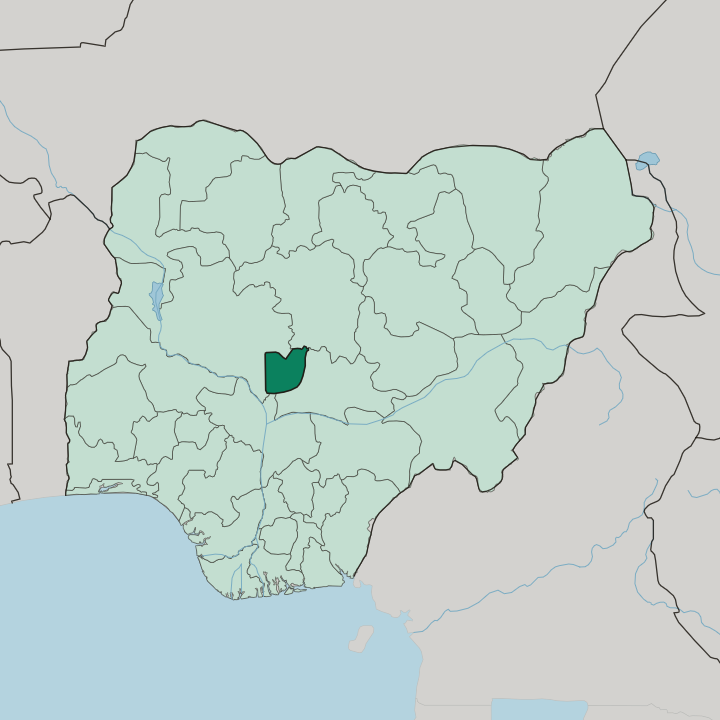
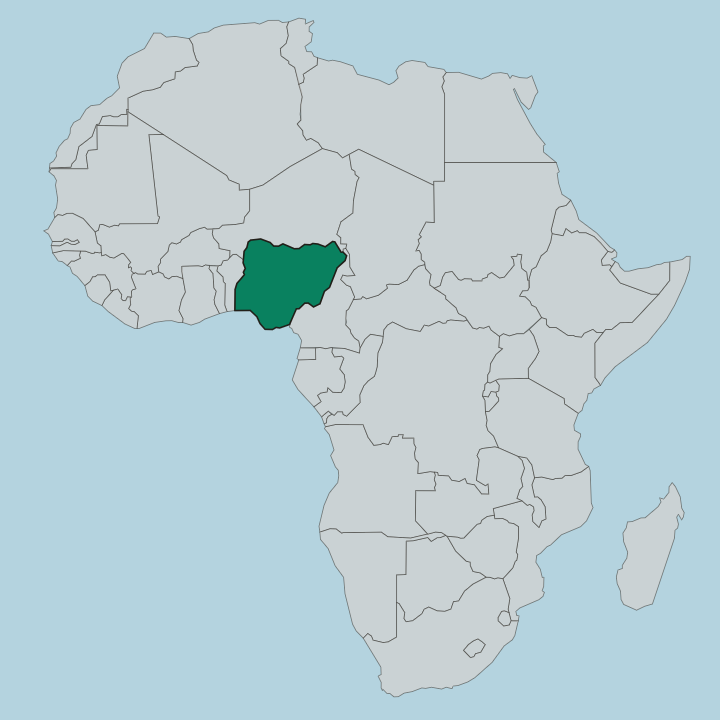
The territory lies dead centre in Nigeria. It sits just north of the point where the Niger River takes in the Benue River, and it forms a compact block of land rather than one of the country's sprawling states. The ground is high savanna plain, part of the Guinea savanna belt, broken by broad shallow valleys and by isolated rock hills that rise straight from the flats.
Geographers call those hills inselbergs. Aso Rock is the most famous, a bare granite mass standing some 400 metres over Abuja on the eastern side of the city. Zuma Rock guards the north-western approach, a still larger monolith on the road down from Kaduna.
Beyond the planned capital the land turns rural fast, spreading into six area councils where farming country and small towns take over. Gwagwalada, Kuje, Bwari, Kwali and Abaji ring the built city. The territory borders Niger State to the west and north, Kaduna to the north-east, Nasarawa to the east, and Kogi to the south-west.
Rock hills mark the horizon almost everywhere.
What is Federal Capital Territory like?
The territory carries two lives at once. One is the official Abuja of wide boulevards, ministries and diplomacy, a city designed on paper and built to look the part of a national capital. The other is older and rural, the country of the Gbagyi, the people the Hausa long called Gwari, who farmed these plains and hills before the surveyors ever arrived.
The Koro, Gade and Gwandara share that older ground with them. Their villages still work the land in the area councils around the capital, and Gbagyi craft and music persist alongside the government town. Abuja itself draws Nigerians from every corner of the country, so its streets mix Hausa, Yoruba, Igbo and dozens of smaller nations who came for the work of the capital.
English is the common tongue that binds them, as it does across Nigeria. That deliberate blend was the founding idea. No single group was meant to own this ground, and the mix on the streets is the result.
Markets, mosques and churches sit close together in a city that is young by any measure and still filling in its plan.
What is the history of Federal Capital Territory?
The territory is a deliberate act of state. Nigeria created it in 1976, cutting a block of land mainly from Niger State, with pieces from the old Kwara, Plateau and Kaduna areas, precisely because the land sat central and belonged to no dominant group. Lagos, the coastal capital, had grown congested and boxed in, and the government wanted a neutral seat at the country's heart.
Building Abuja took the following decade. The capital formally moved from Lagos in 1991, and the Gbagyi and their neighbours found their homeland turned into the nation's centre of government.
What is the climate of Federal Capital Territory?
The territory has a tropical savanna climate with two clear seasons. Rain falls from around April to October, heaviest in the middle of that stretch, when the savanna greens and the shallow valleys run. The dry months follow.
From December into February the harmattan blows down off the Sahara, a dry, dusty wind that hazes the sky over Abuja and cools the mornings. It stays warm the year round on these high plains, hottest in the run-up to the rains and gentler once the harmattan sets in.
How do you get to Federal Capital Territory?
Most travellers fly straight in. Nnamdi Azikiwe International Airport, named for Nigeria's first president, sits on the road out toward Gwagwalada and handles both international and domestic flights into Abuja. From the terminal it is a run of roughly 40 kilometres along the airport expressway to the Central Business District.
Overland, trunk roads and a standard-gauge railway link Abuja to Kaduna in the north and onward across the country. Inside the territory, taxis and hired cars connect the capital with the area councils.
Common questions
What is the best area to stay in Federal Capital Territory?
Maitama: embassies and the calm upper end of Abuja. Wuse II: dining, business and Abuja's nightlife. Garki: government visits on a tighter budget. Central Business District: the landmarks and the seat of government.
More regions in Nigeria
Updated September 2026