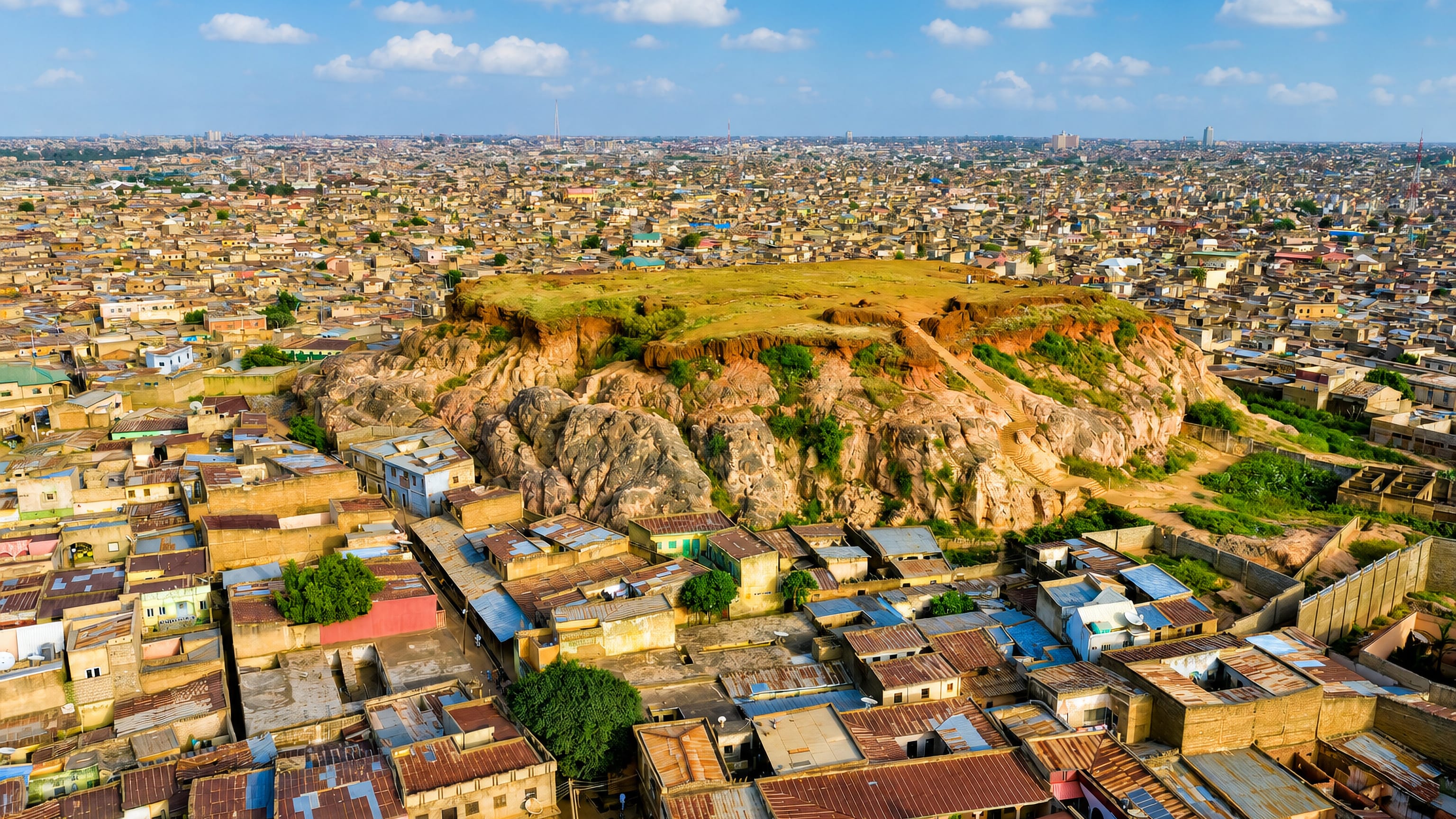
Nigeria · Kano State
Where to Stay in Kano, Kano State
Kano is the great ancient city of northern Nigeria, a walled Hausa capital on the edge of the Sahel that has traded across the Sahara for a thousand years.
Hotel links are affiliate links: booking through them may earn us a commission, at no extra cost to you. It never affects how places are ranked. How this works


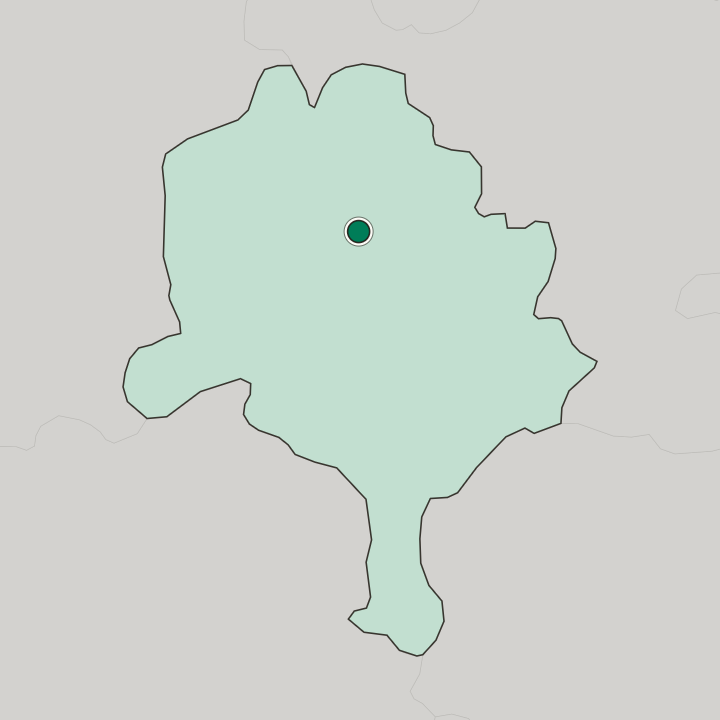
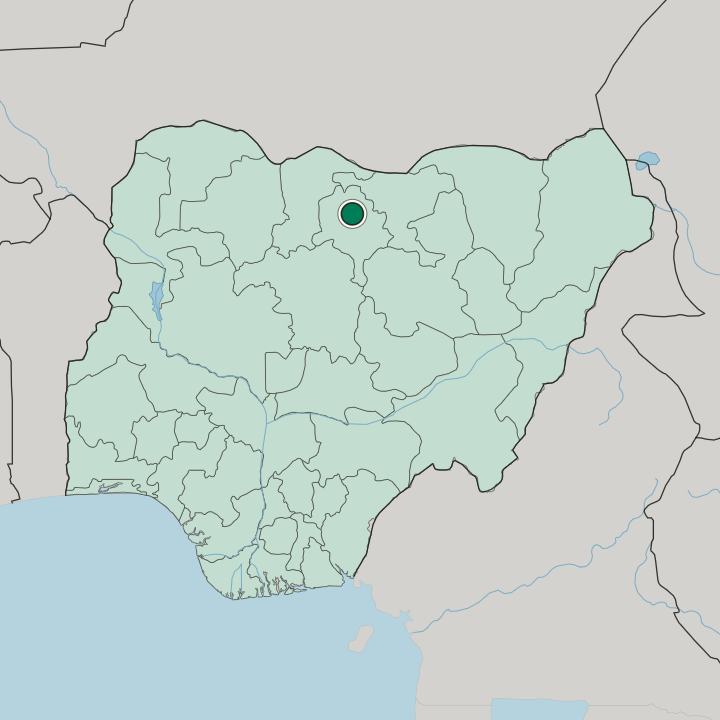
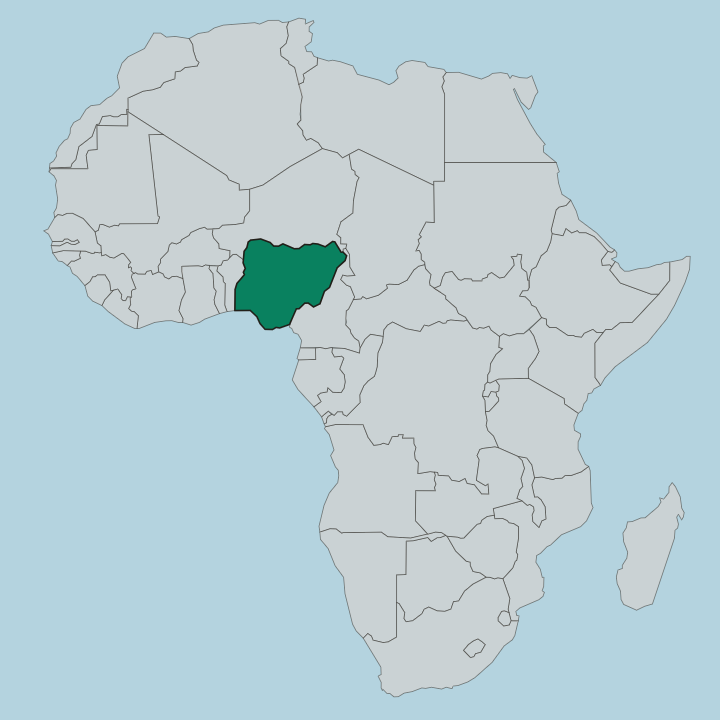
Where to stay in Kano
The practical side of choosing where to sleep.
Where you stay in Kano turns on the old walled city or the newer town. The lanes within the walls keep the palace, the market, and the dye pits within reach, and staying in the old city suits anyone here for its heritage. Mud walls line the alleys.
The market roars all day. Out in the newer districts beyond the walls, the city spreads in wide roads and modern quarters. A room in the new town trades the old lanes for hotels, easy roads, and the airport nearby.
The plain runs flat past the edge. Stay in the old city for the walls, or in the new town for the roads. The gates stand a short ride in.
Find hotels in Kano
Direct booking searches for these neighbourhoods.
The old city
Within the ancient walls near the dye pitsFind hotels in The old cityStays wanting hotels and the airportThe new town
Out beyond the walls on the wide roadsFind hotels in The new townHotel links are affiliate links: booking through them may earn us a commission, at no extra cost to you. It never affects how places are ranked. How this works
Things to do in Kano
Ranked by global recognition; descriptions from Wikidata (CC0).
Museums & Galleries
2- Gidan Makama Museum, Kano Heritage
- National Museum - Gidan Makama
Churches & Religious Sites
3- Cathedral of Our Lady of Fatima, Kano
- First Baptist Church, Kano
- Living Faith Church Kano
Landmarks & Notable Places
1- Boys hostel building Bayero University Kano
worth knowingacross 3 categories in Kano
About Kano
Kano is the caravan city of the Hausa north.
What is Kano known for?
On the dry savanna at the southern edge of the Sahara, it grew as the greatest market of the trans-Saharan trade, and it keeps that heritage within its old earthen walls, among them the Emir's palace of Gidan Rumfa, the ancient Kurmi market, the indigo dye pits of Kofar Mata, and the old iron-working hill of Dala. Red earth walls ring the town. Dust hangs over the market lanes.
What are the main landmarks in Kano?
The old walled city is the emblem of Kano. The ancient earthen ramparts, pierced by their old gates and enclosing the palace and mosques, ring the historic town, the mark of the city, above the plain. A dye works lies within.
The indigo pits of Kofar Mata still stain the ground where dyers work, while the Emir's palace of Gidan Rumfa, the Kurmi market, and the Gidan Makama museum mark the streets of Kano.
What is the history of Kano?
Kano is one of the oldest cities of West Africa. Ironworkers settled Dala Hill more than a thousand years ago, and a walled Hausa city rose on the plain, growing rich on the trade that crossed here between the Sahara and the forest lands. The desert roads made it great.
Salt, cloth, and kola nuts passed through Kano between the Mediterranean and the Guinea coast, and its dyers and weavers were famous across the Sahel. The city passed under new masters but kept its trade. When the Fulani rose in holy war in 1804, Kano became an emirate of the Sokoto Caliphate, ruled from the palace of Gidan Rumfa, and its markets only grew.
The groundnut pyramids came later. In colonial times great pyramids of groundnut sacks rose by the railway, and Kano shipped its harvests south to the sea, but the old walled city held its dye pits and mosques. The Emir still reigns in the old city.
Kano keeps its walls and its markets on the edge of the desert.
Where is Kano?
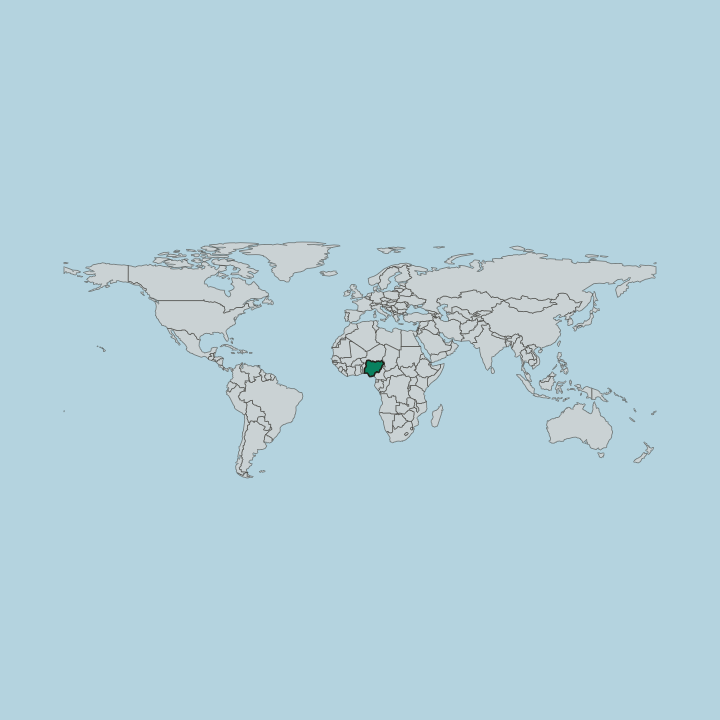
Kano lies on the open savanna of northern Nigeria, in the dry Sahel below the Sahara. The city spreads across a flat plain of the Hausa country, watered by the seasonal Jakara stream, on the old caravan road between the forest and the desert. Flat dry bush runs to the skyline.
The land bakes hard in the dry months.
What is the climate of Kano?
Kano has a hot semi-arid climate of the Sahel. Fierce dry heat holds most of the year, broken by short summer rains, and the dry harmattan wind blows red dust down from the Sahara in winter. The sun burns hard on the plain.
Brief rains green the land in summer.
How do you get to Kano?
Kano lies in the north of Nigeria, the road and rail hub of the Hausa country. Highways and an old rail line run to it from Lagos and the south and across the Sahel, and its airport is the busiest of the north. Desert tracks run on toward Niger.
Lagos lies far away to the southwest.
Common questions
What is the best area to stay in Kano?
The old city: Visitors here for the walls, palace, and market. The new town: Stays wanting hotels and the airport.
Good for
Updated September 2026