Netherlands · Provincie Flevoland
Where to Stay in Lelystad, Provincie Flevoland
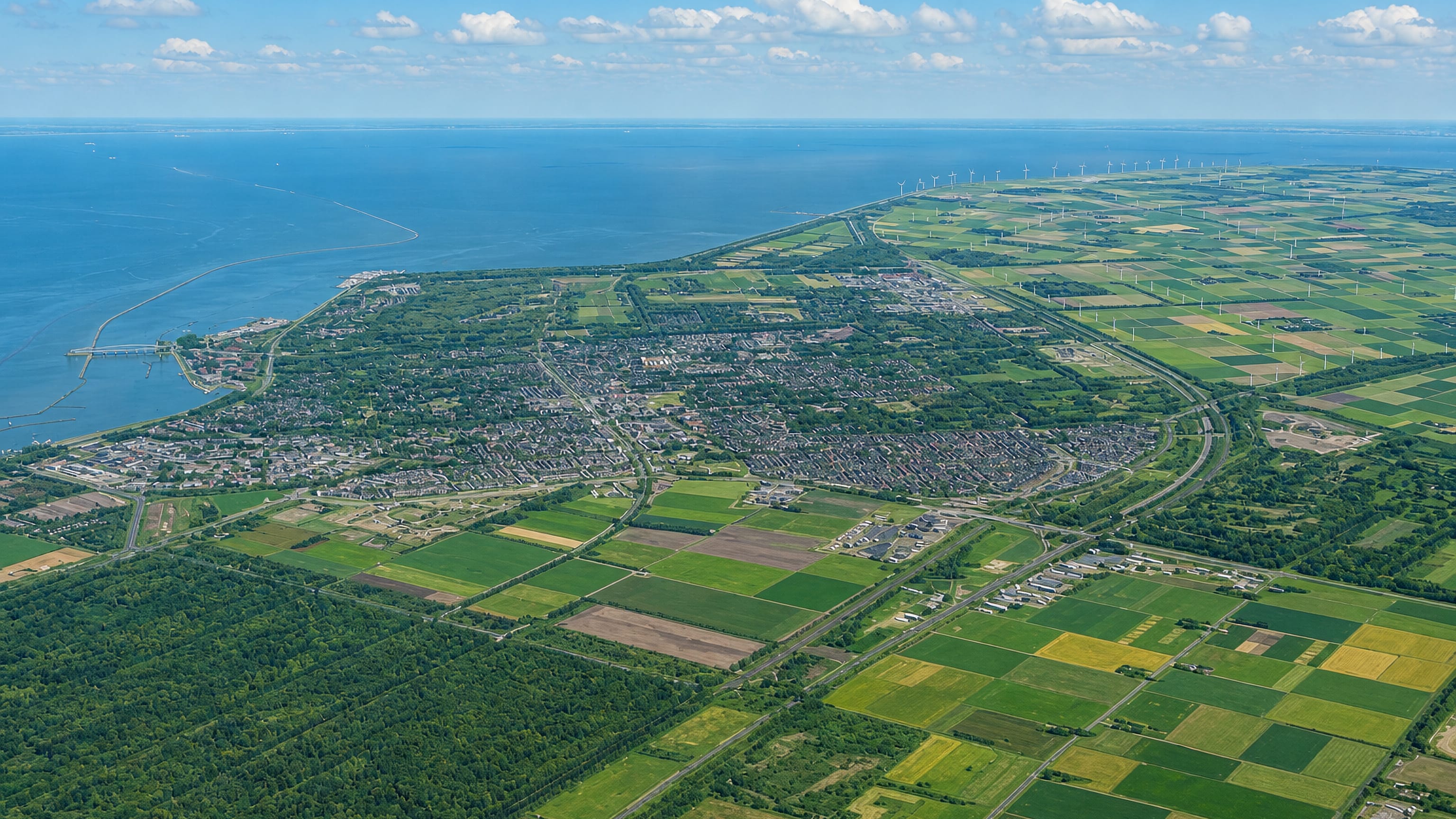
Lelystad is the capital of Flevoland, a city built on reclaimed land and named for Cornelis Lely, the engineer of the Afsluitdijk.
Hotel links are affiliate links: booking through them may earn us a commission, at no extra cost to you. It never affects how places are ranked. How this works


Where to stay in Lelystad
Where visitors usually base themselves, and why.
The split runs between centre and outskirts. Rooms in the middle of town sit near the Ontmoetingskerk and the shops, which is the practical choice for anyone here on business or passing through Flevoland, even though the centre is the part of Lelystad that visitors rate lowest. Everything there is walkable.
Beds are not plentiful in the way they are in a holiday town, so booking ahead counts for more than picking a street, and the gap between one part of the city and another is measured in minutes on a bicycle rather than in atmosphere. The reasons to come are further out. Batavialand and Nieuw Land both stand away from the centre, and a room nearer them suits visitors whose day is built around the museums instead of the shopping streets.
De Pijler is out that way too. A stay on the outer edge trades street life for open horizons and simple parking, with the Zendmast Lelystad in view across most of the flat ground between, and it makes obvious sense for anyone arriving by car. Lelystad rewards a plan more than a wander, and the plan usually decides the neighbourhood rather than the other way round.
Find hotels in Lelystad
Direct booking searches for these neighbourhoods.
Around the Ontmoetingskerk
The Ontmoetingskerk and the shops fall inside one short walkFind hotels in Around the OntmoetingskerkMuseum days at Batavialand and Nieuw LandBy Batavialand
Batavialand puts the reclaimed-land collections at the door. Beds are limited here, so book early.Find hotels in By BatavialandDrivers touring Flevoland from LelystadThe outer edge
Open ground under the Zendmast Lelystad, with parking that the centre cannot match. Beds are limited here, so book early.Find hotels in The outer edgeHotel links are affiliate links: booking through them may earn us a commission, at no extra cost to you. It never affects how places are ranked. How this works
Things to do in Lelystad
Ranked by global recognition; descriptions from Wikidata (CC0).
Museums & Galleries
2- Nieuw Land
- Batavialand
Churches & Religious Sites
2- De Pijler
- Ontmoetingskerk
Landmarks & Notable Places
1- Zendmast Lelystad
worth knowingacross 3 categories in Lelystad
About Lelystad
The attractions sit out on the edges.
What is Lelystad known for?
Batavialand and Nieuw Land take most of the visitor traffic Lelystad gets, and the town centre draws less interest than the outskirts do, which is unusual enough to be worth knowing before booking. De Pijler and the Zendmast Lelystad are names people repeat. Lelystad also carries the provincial business of Flevoland as its capital, while Almere, the larger city, takes the attention.
What are the main landmarks in Lelystad?
Lelystad's reputation rests on two museums. Batavialand and Nieuw Land are the names visitors travel for, and both keep to the outskirts in the pattern the whole city follows, which is why a first afternoon in Lelystad rarely starts in the middle of town. The Ontmoetingskerk serves the city itself.
Above all of it the Zendmast Lelystad carries its mast over ground lying about three metres below sea level, and De Pijler completes a short roll of named landmarks.
What is the history of Lelystad?
Nothing here predates the water. Lelystad was founded in 1967 on land taken back from the sea, and it carries the name of Cornelis Lely, the engineer behind the Afsluitdijk that made the reclamation possible in the first place. The ground sits about three metres below sea level.
That single fact governs the city's past more firmly than any charter would, because the streets, the church, and the museums all stand on a floor that engineering created and drainage keeps dry. Municipal standing followed the building work. The record gives 1980 for the municipality, more than a decade after the founding date, which is the ordinary sequence for a city laid out to a plan rather than grown from a village.
Flevoland then made it the capital. Batavialand and Nieuw Land hold the account of how the province came into being at all, while the Ontmoetingskerk, De Pijler, and the Zendmast Lelystad belong to the same short span of years, since nothing standing in Lelystad is older than the reclaimed ground beneath it. Almere grew faster and bigger.
The provincial functions stayed in Lelystad regardless, which is why a young city with a modest centre holds the offices for the whole of Flevoland.
Where is Lelystad?
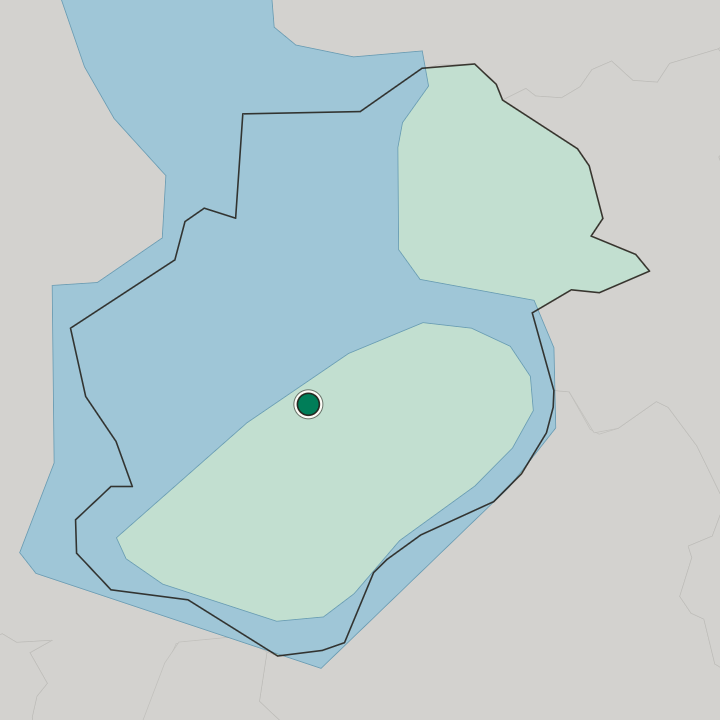
Water decided every boundary. Lelystad occupies reclaimed ground in Flevoland, roughly three metres below sea level, and the municipality takes in a great deal of open land and water beyond the built-up streets of the city itself. Horizons run long.
Almere shares the same young province, and the Zendmast Lelystad shows from a distance over ground with almost nothing to interrupt the view.
What is the climate of Lelystad?
Open water calls the shots here. Lelystad lies low and open on ground reclaimed from it, with nothing much between the city and the surrounding water to slow the wind, so gusts come through hard in the colder months and spring stays cool longer than it does inland. Extremes rarely trouble Lelystad.
Rain turns up in every season, and a clear morning can close over well before the afternoon ends.
How do you get to Lelystad?
Approach is across reclaimed land. The roads and rail through Flevoland serve Lelystad, and the run from elsewhere in the Netherlands is short enough that Batavialand and Nieuw Land are often taken as a day out rather than an overnight stay. Getting around needs wheels.
Since the attractions sit on the outskirts, a bicycle or a car turns a scattered city into a manageable one, and the Zendmast Lelystad serves as a marker for anyone crossing the flat ground between them.
Common questions
What is the best area to stay in Lelystad?
Around the Ontmoetingskerk: Work nights in the middle of Lelystad. By Batavialand: Museum days at Batavialand and Nieuw Land. The outer edge: Drivers touring Flevoland from Lelystad.
Good for
Another city in Provincie Flevoland
Updated October 2026