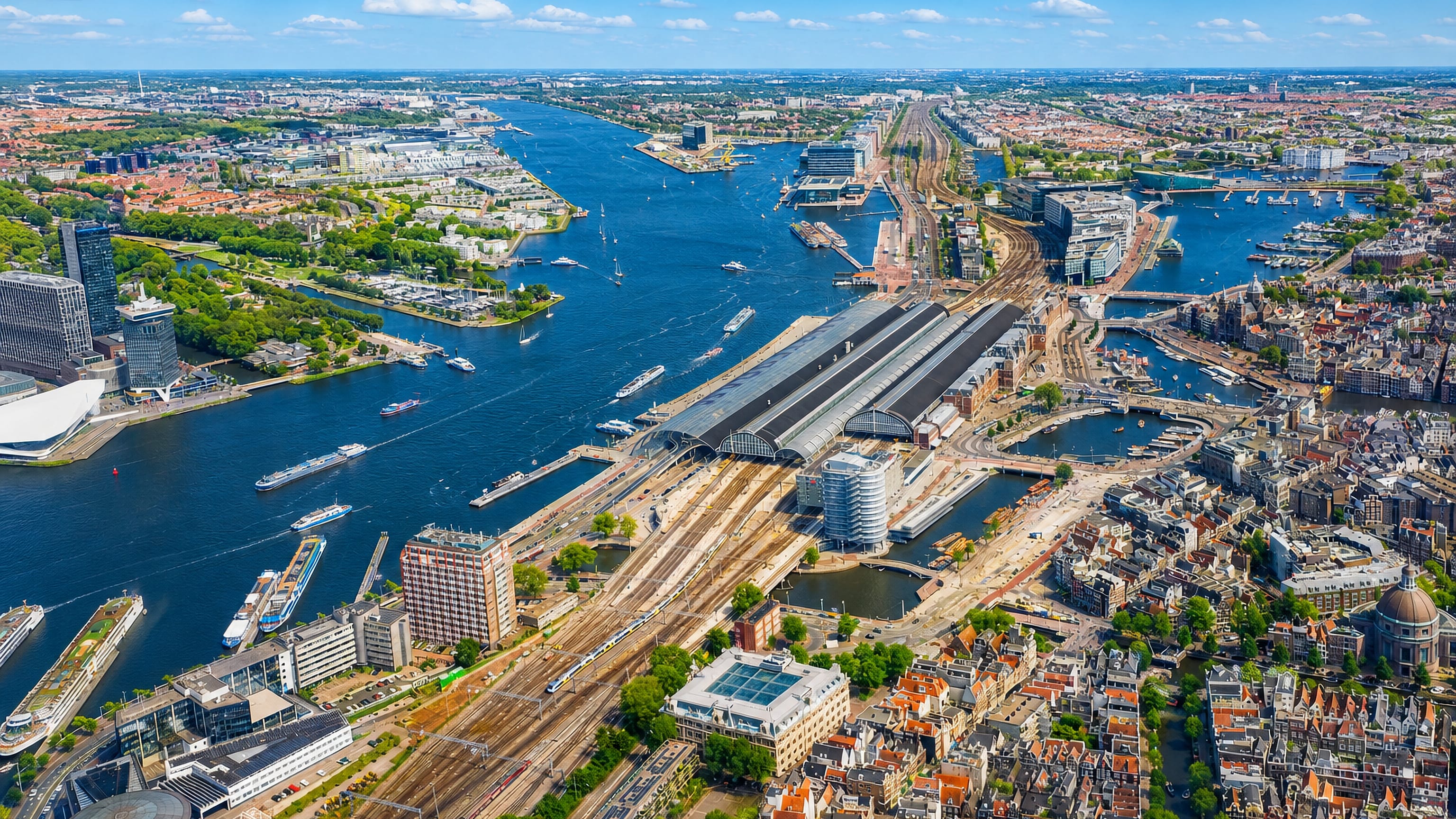
Netherlands: Regions, Cities & Travel Guide
The Netherlands is a flat delta country of northwestern Europe, much of its land reclaimed from the sea along the North Sea coast.
Hotel links are affiliate links: booking through them may earn us a commission, at no extra cost to you. It never affects how places are ranked. How this works


Top destinations in Netherlands
Cities to start from, then drill into areas and hotels.
 Netherlands
Amsterdam
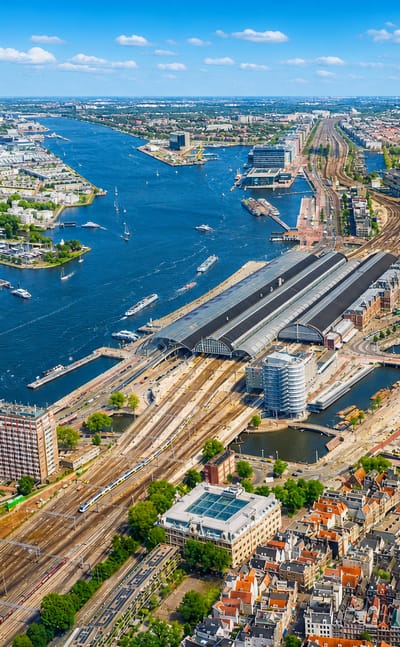
Amsterdam laces its centre with canals in Noord-Holland, the capital of the Netherlands, ringed by gabled houses and more than 1,500 bridges.Where to stay →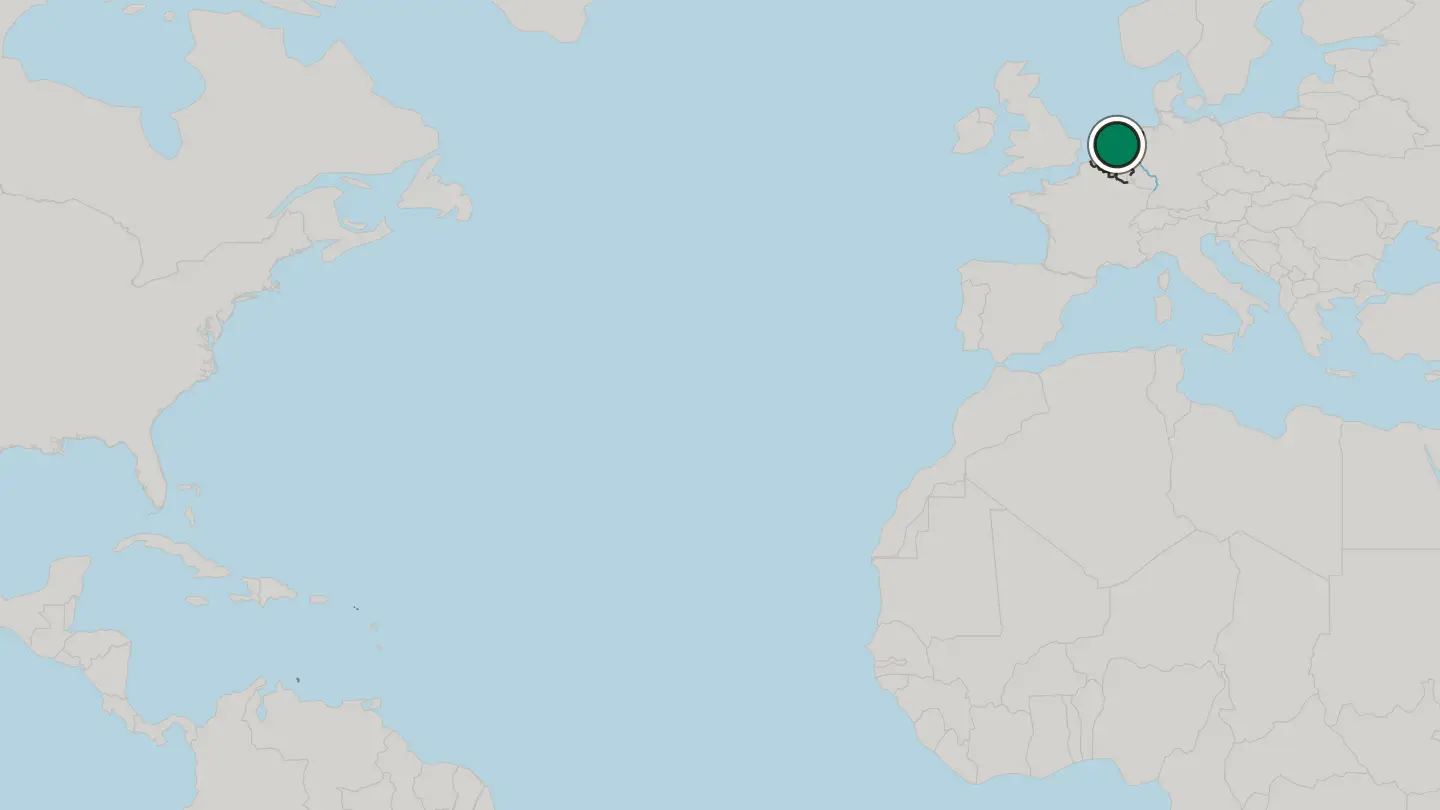
 Netherlands
The Hague
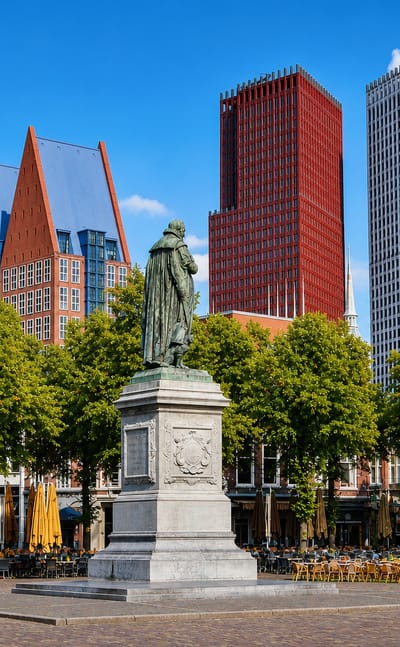
The Hague faces the North Sea in Zuid-Holland, the seat of Dutch government and home to the Peace Palace and the Binnenhof.Where to stay →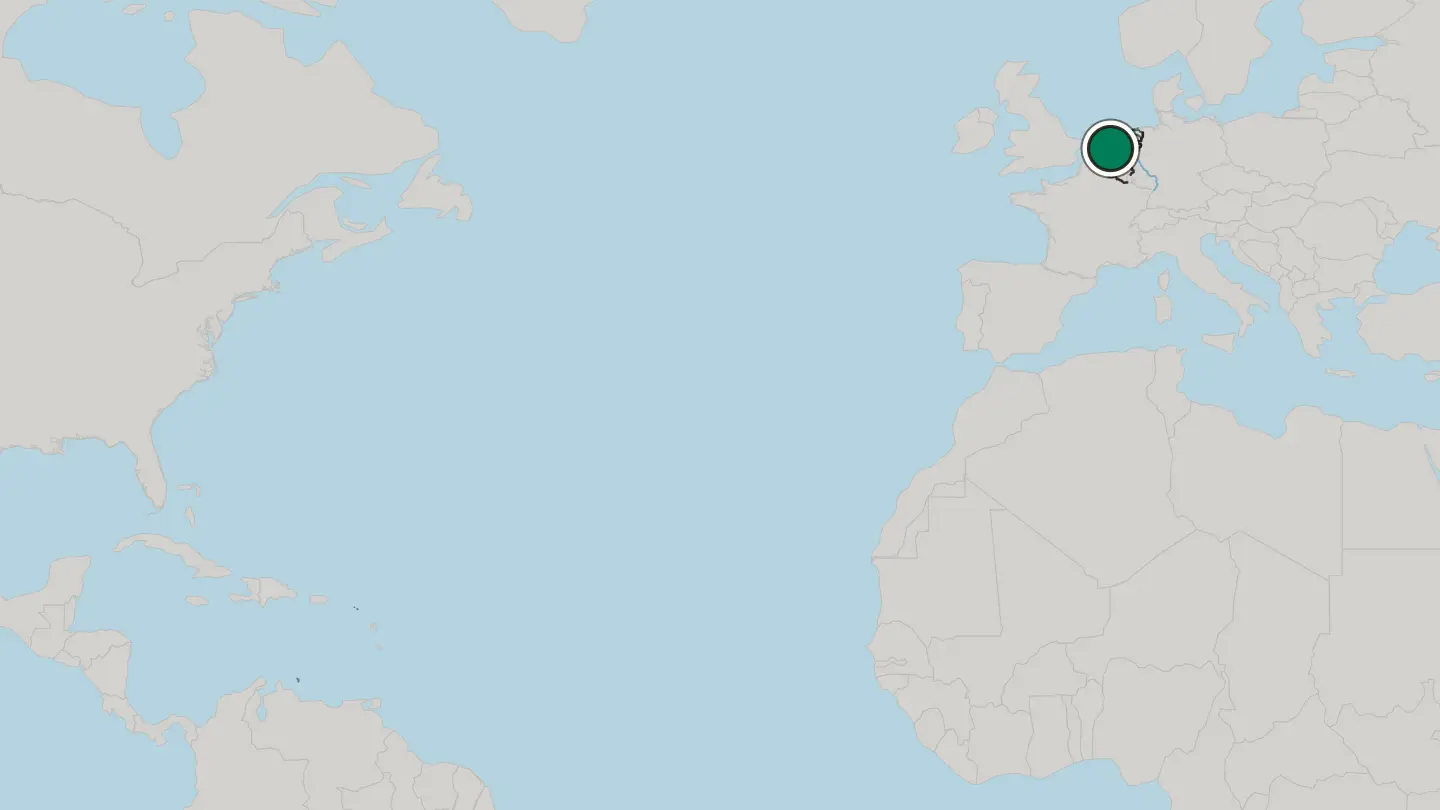
 Netherlands
Rotterdam
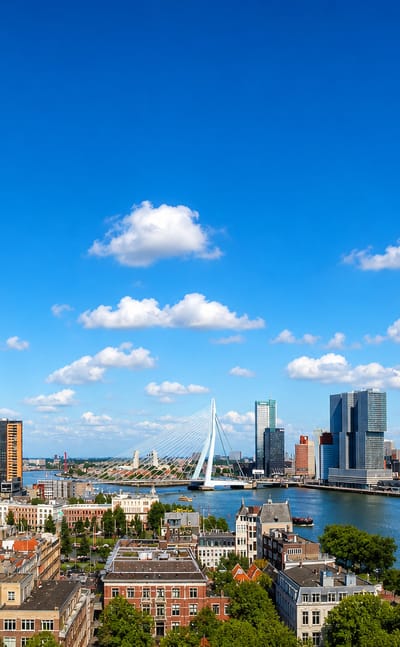
Rotterdam lines the New Meuse in Zuid-Holland, a modern port city of the Netherlands built where the Rhine-Meuse-Scheldt delta nears the North Sea.Where to stay →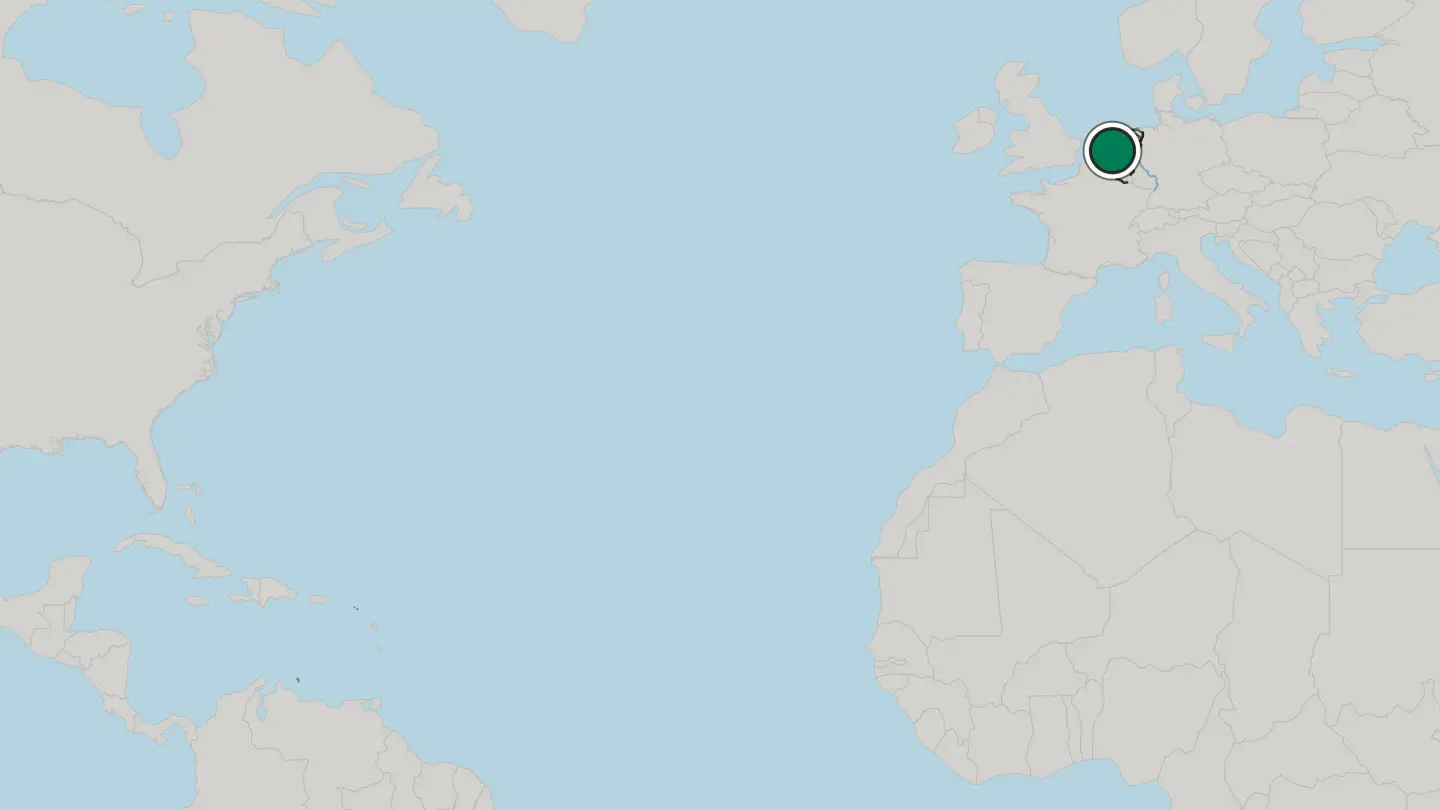
 Netherlands
Eindhoven
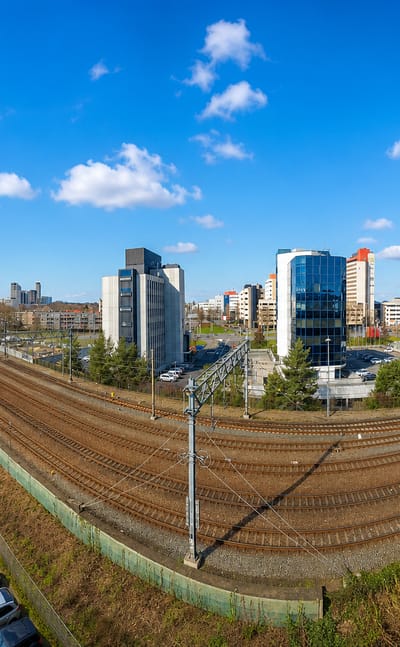
Eindhoven rises from the Campine in Noord-Brabant, the largest city of the southern Netherlands, marked by the domed Evoluon and its water towers.Where to stay →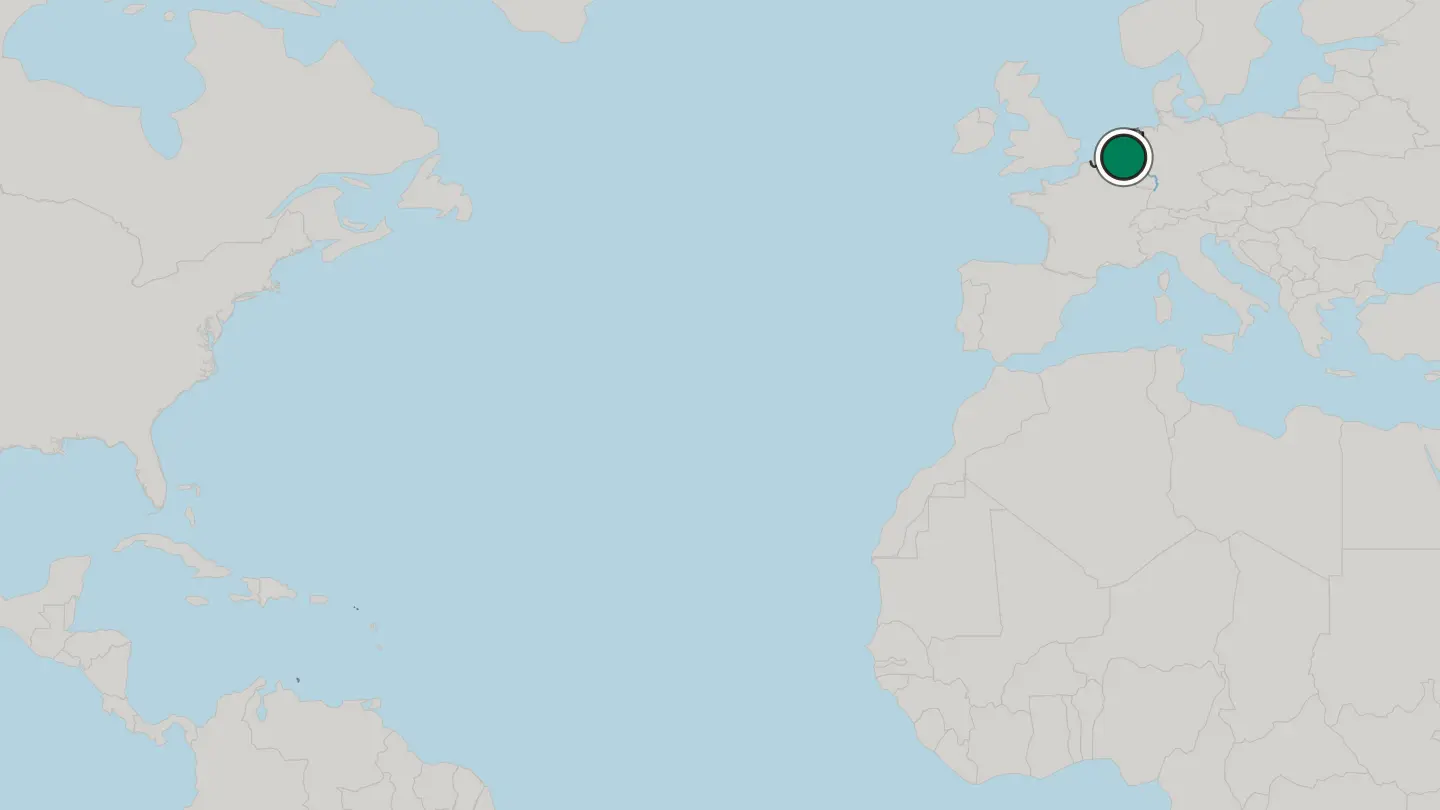
 Netherlands
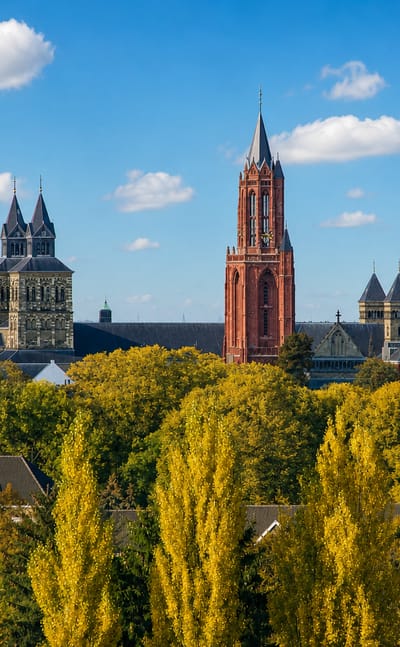
Maastricht
Maastricht stands on the Meuse in Limburg, a walled city of the Netherlands set around the Basilica of Saint Servatius and the Sint Servaasbrug.Where to stay →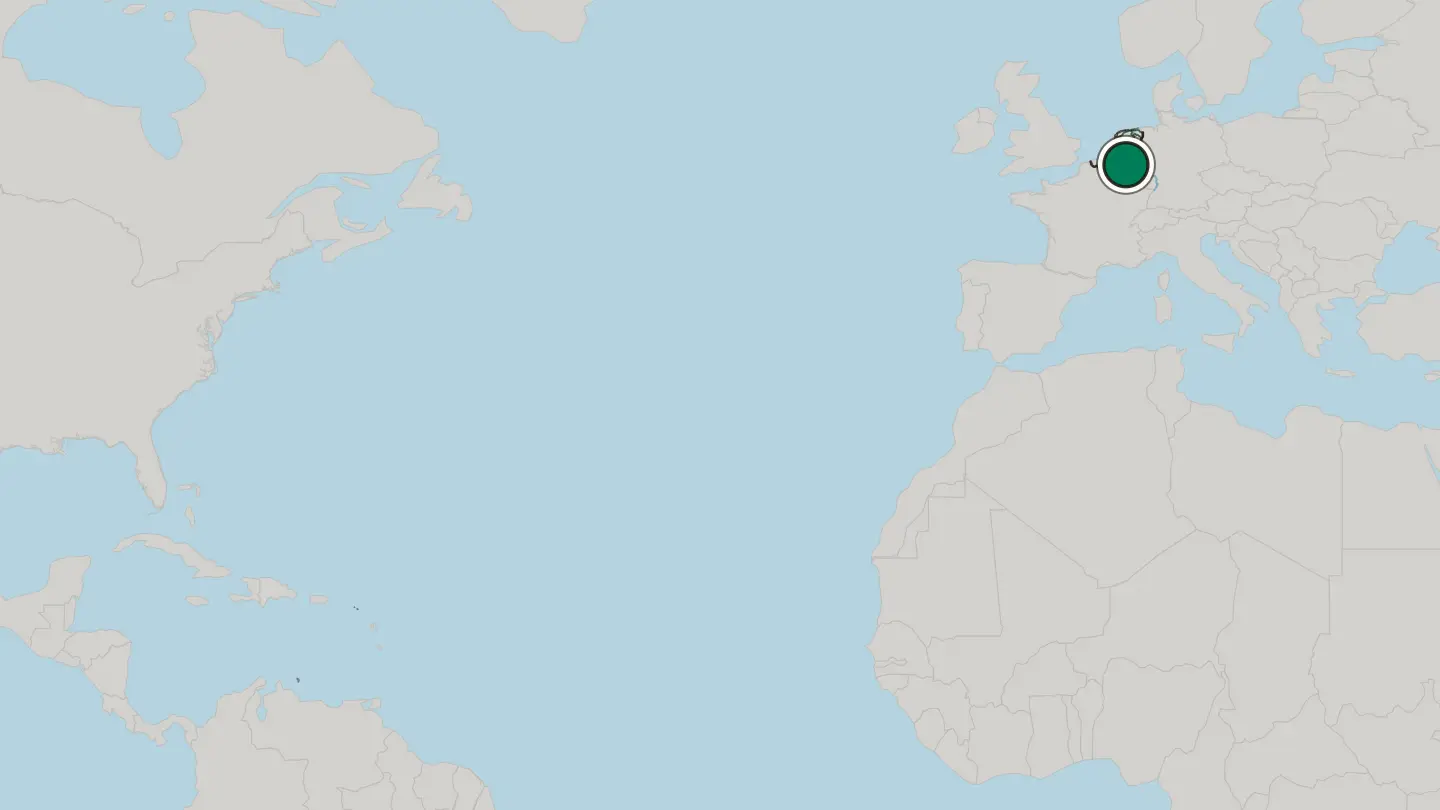
 Netherlands
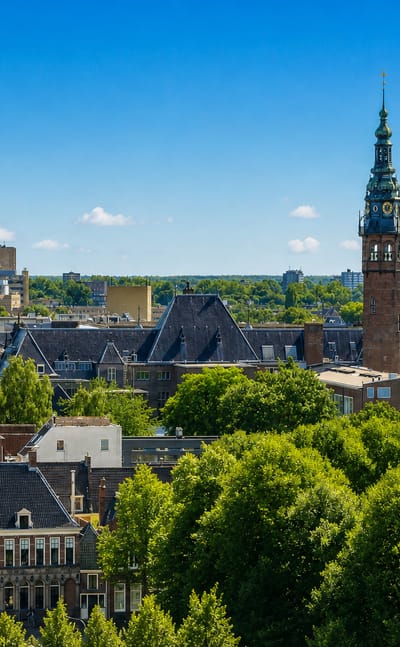
Groningen
Groningen is the largest city of the Dutch north, a university town built around a medieval market square and a daring modern-art museum.Where to stay →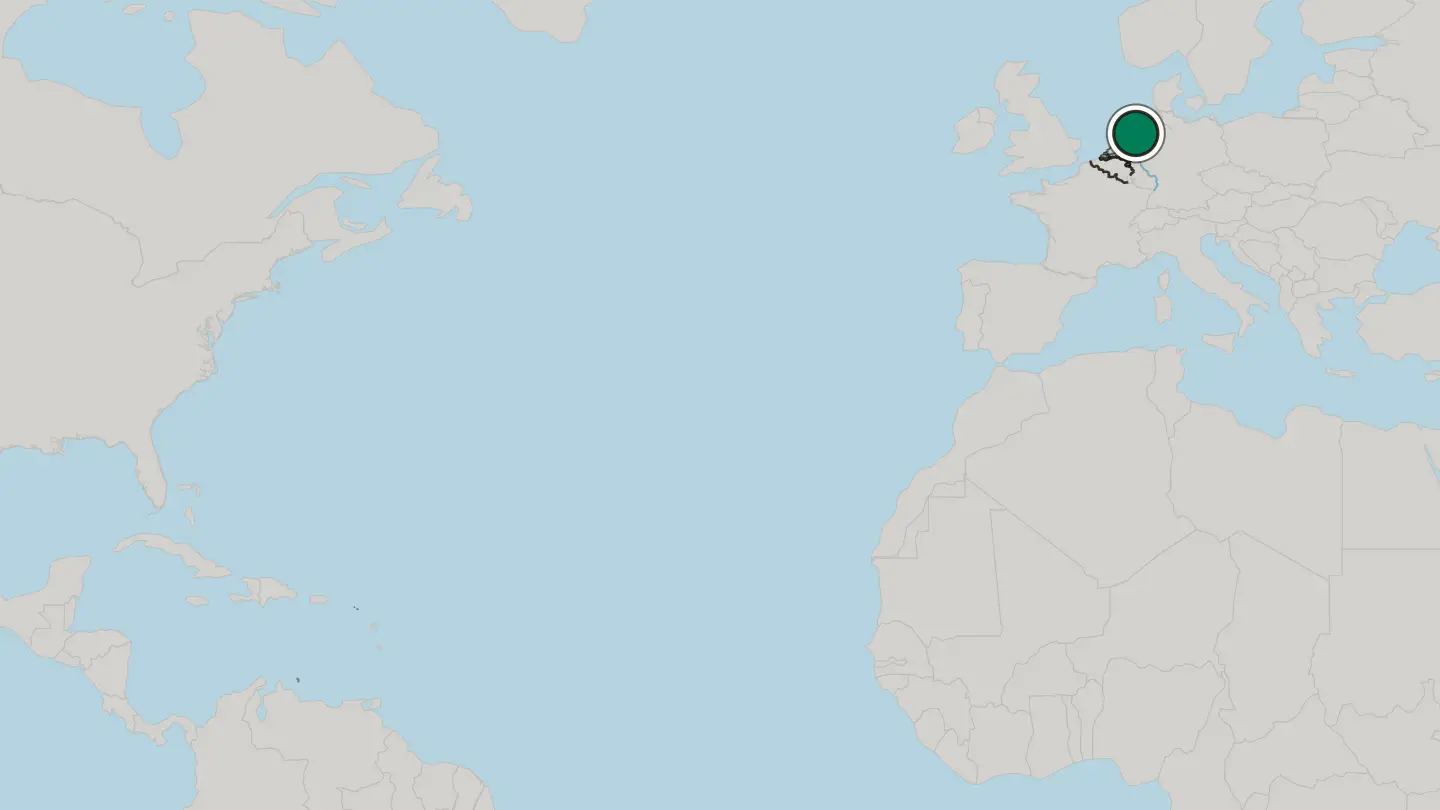
 Netherlands
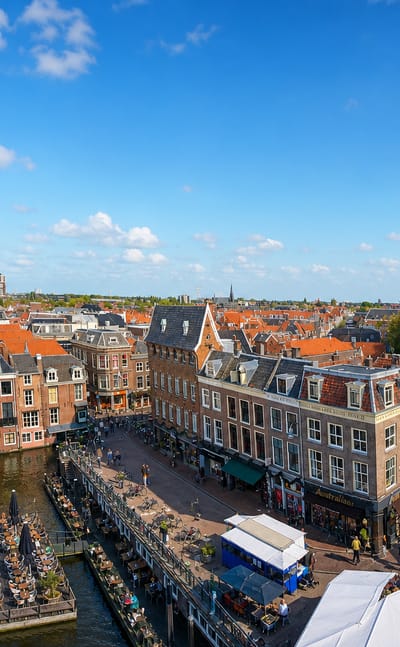
Leiden
The Oude Rijn threads the old centre of Leiden, a canal town in Zuid-Holland north of The Hague, known for its university and the Pieterskerk.Where to stay →
 Netherlands
Nijmegen
Nijmegen stands on the Waal in Gelderland, among the oldest cities in the Netherlands and host of the International Four Days Marches.Where to stay →
 Netherlands
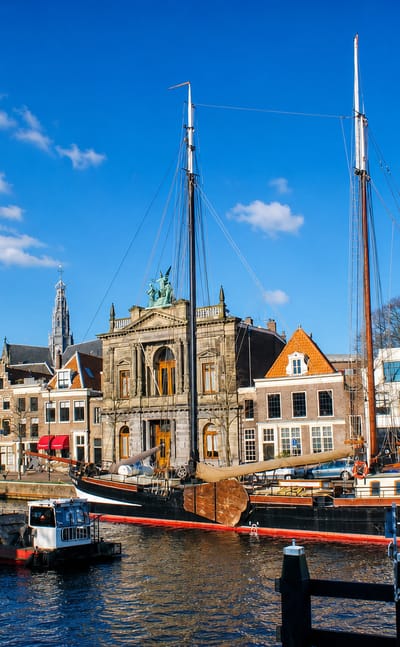
Haarlem
The Spaarne winds through the old centre of Haarlem, the capital of Noord-Holland near Amsterdam, known for the Grote Kerk and the painter Frans Hals.Where to stay →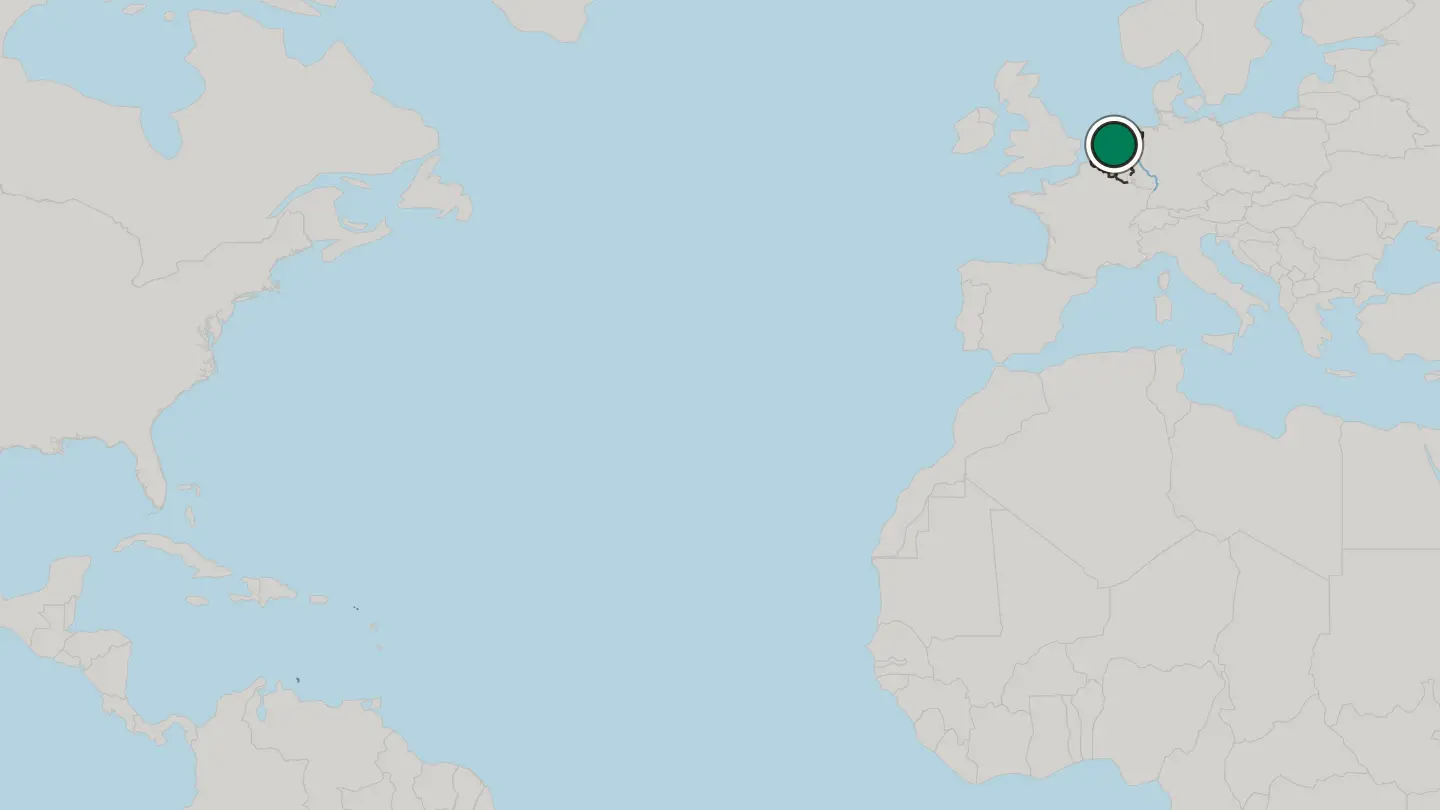
Hotel links are affiliate links: booking through them may earn us a commission, at no extra cost to you. It never affects how places are ranked. How this works
Regions of Netherlands
 Netherlands
Provincie Drenthe
Drenthe is the Netherlands' quiet northeastern province, land of prehistoric hunebed dolmens, wet heathland, and old farming villages.Towns & cities →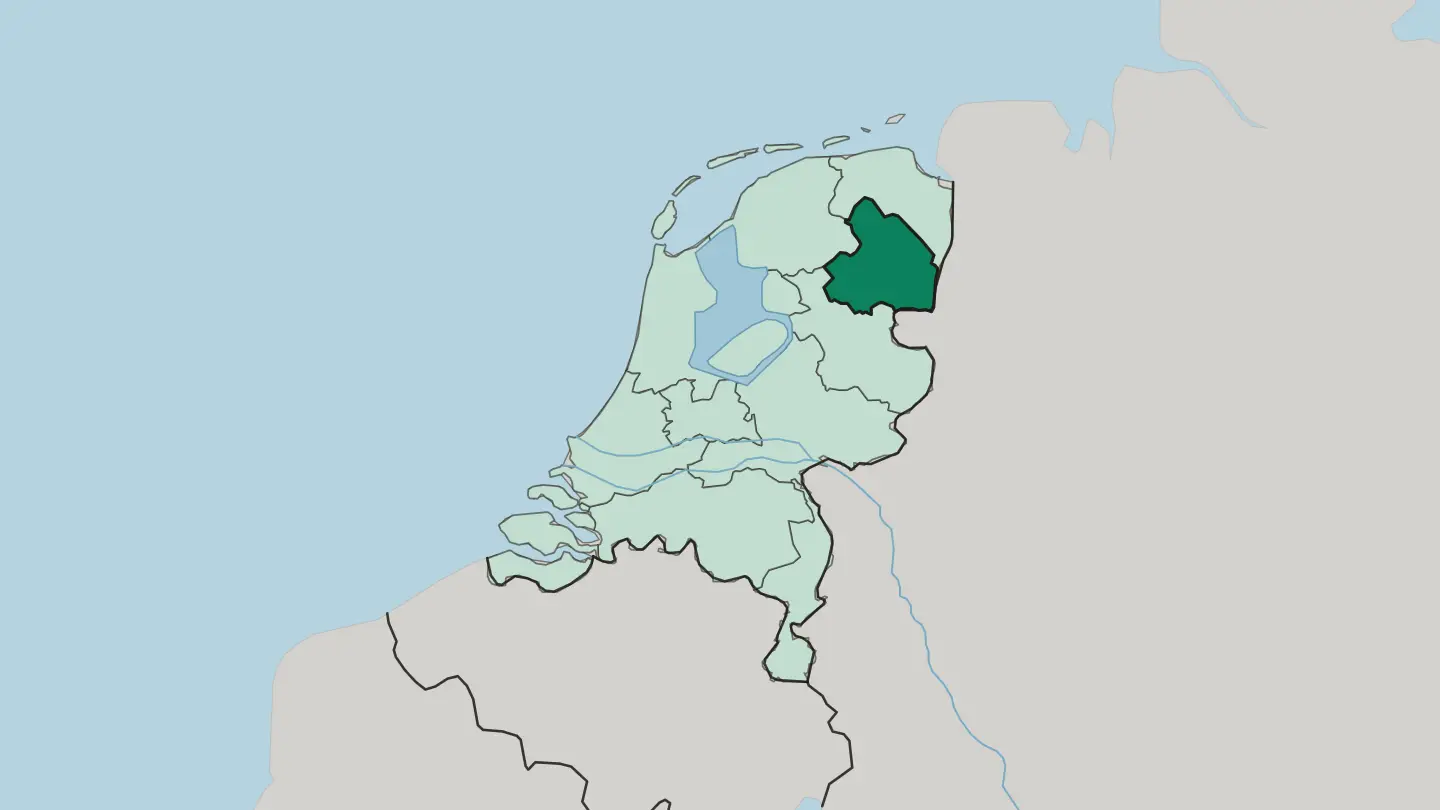
 Netherlands
Provincie Flevoland
Flevoland is the Netherlands' youngest province, drained from the old Zuiderzee and drawn up from scratch after 1986.Towns & cities →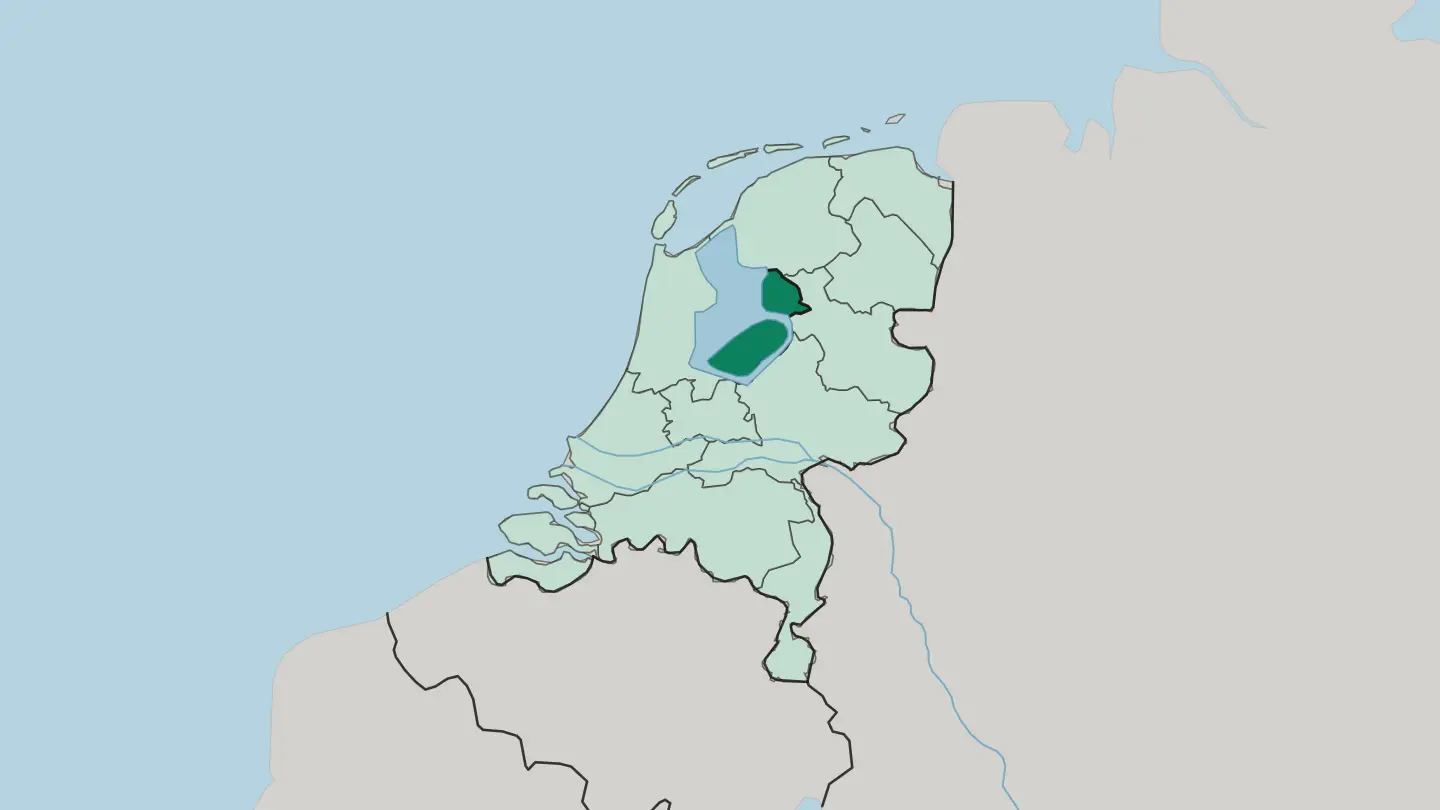
 Netherlands
Provincie Friesland
Friesland is a province of lakes and grassland in the north of the Netherlands, with its own language and its capital at Leeuwarden.Towns & cities →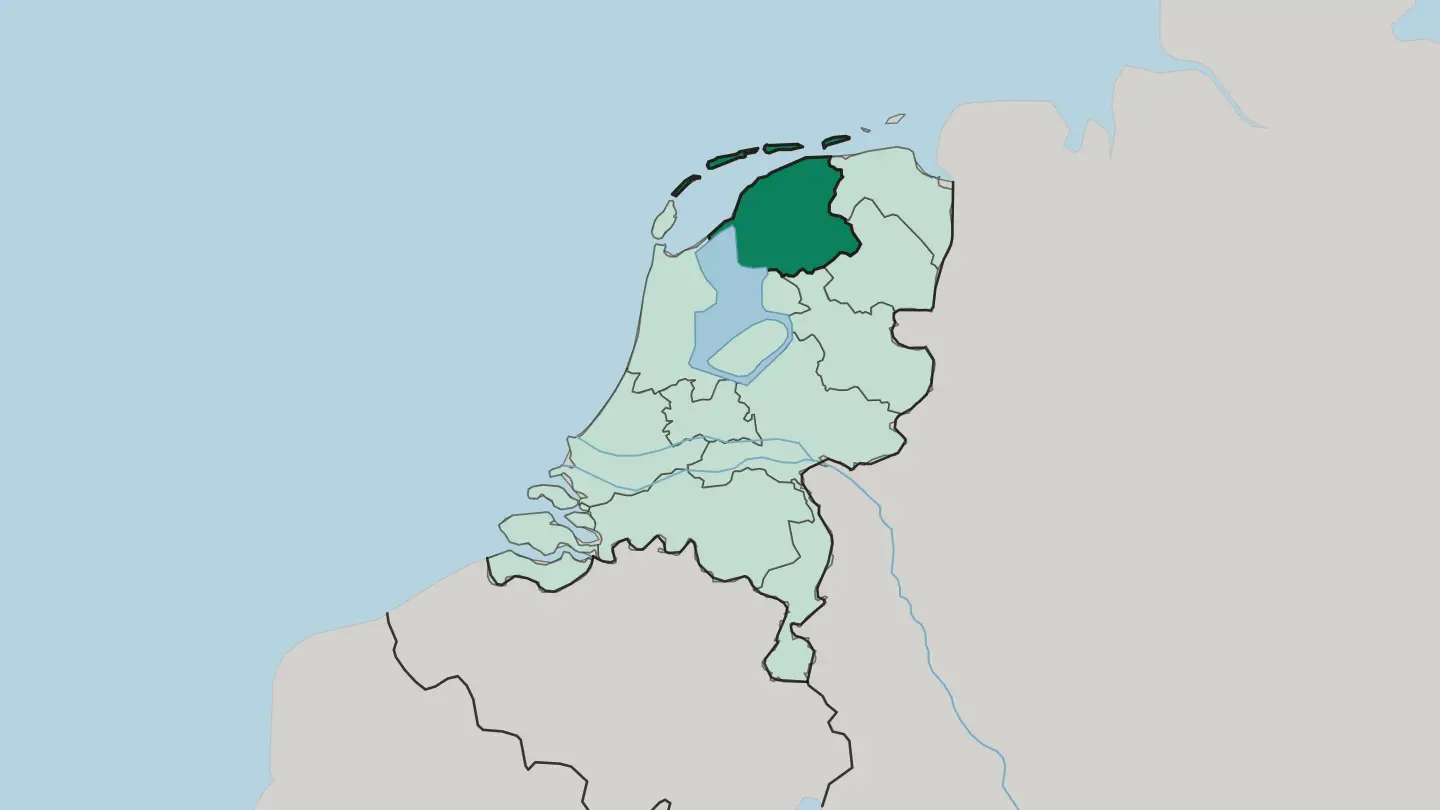 Netherlands
Provincie Gelderland
Gelderland is the largest province of the Netherlands, spread across the east where the Rhine, Waal and IJssel divide the land.Towns & cities →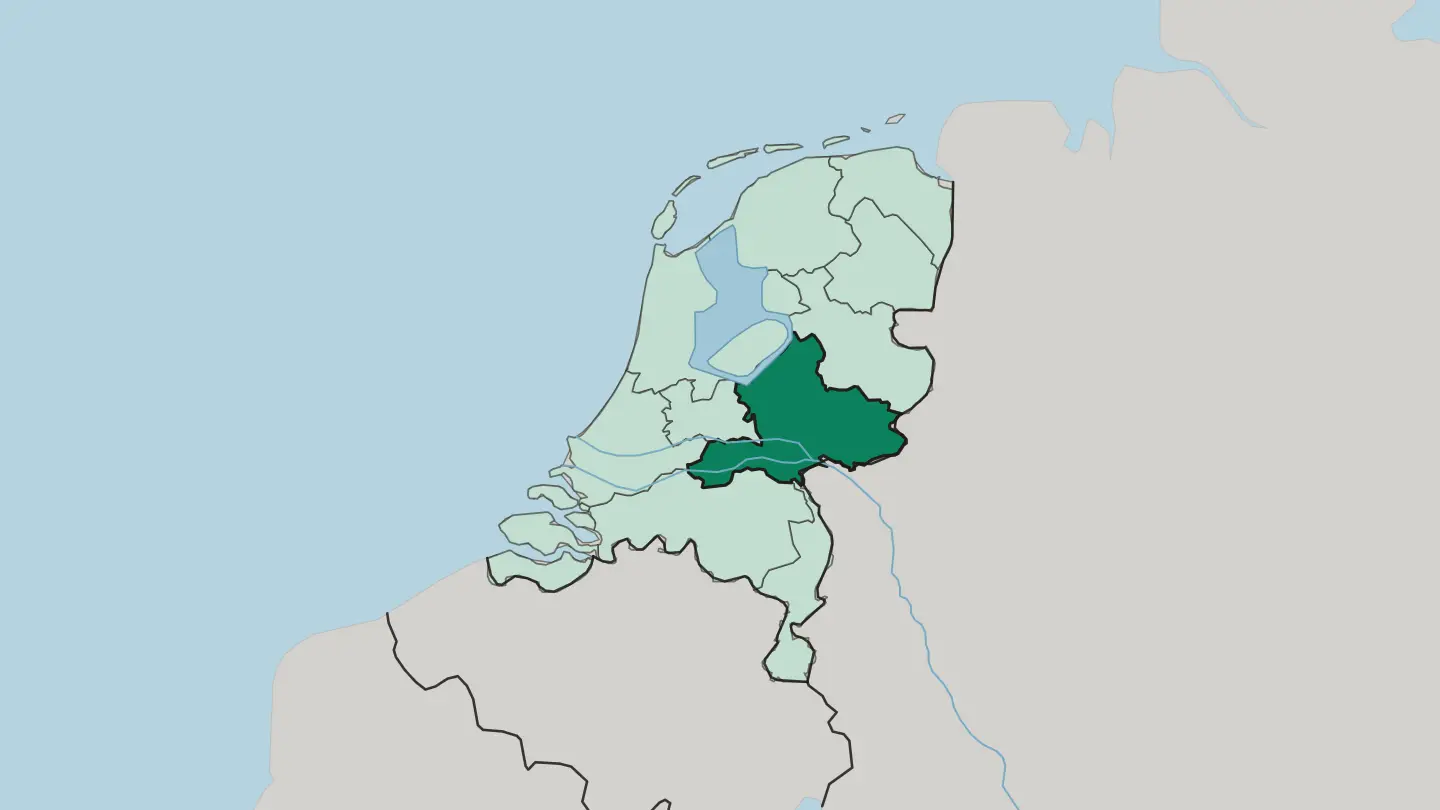 Netherlands
Provincie Groningen
Groningen is the northeasternmost province of the Netherlands, flat polder country between the Wadden Sea and the German border.Towns & cities →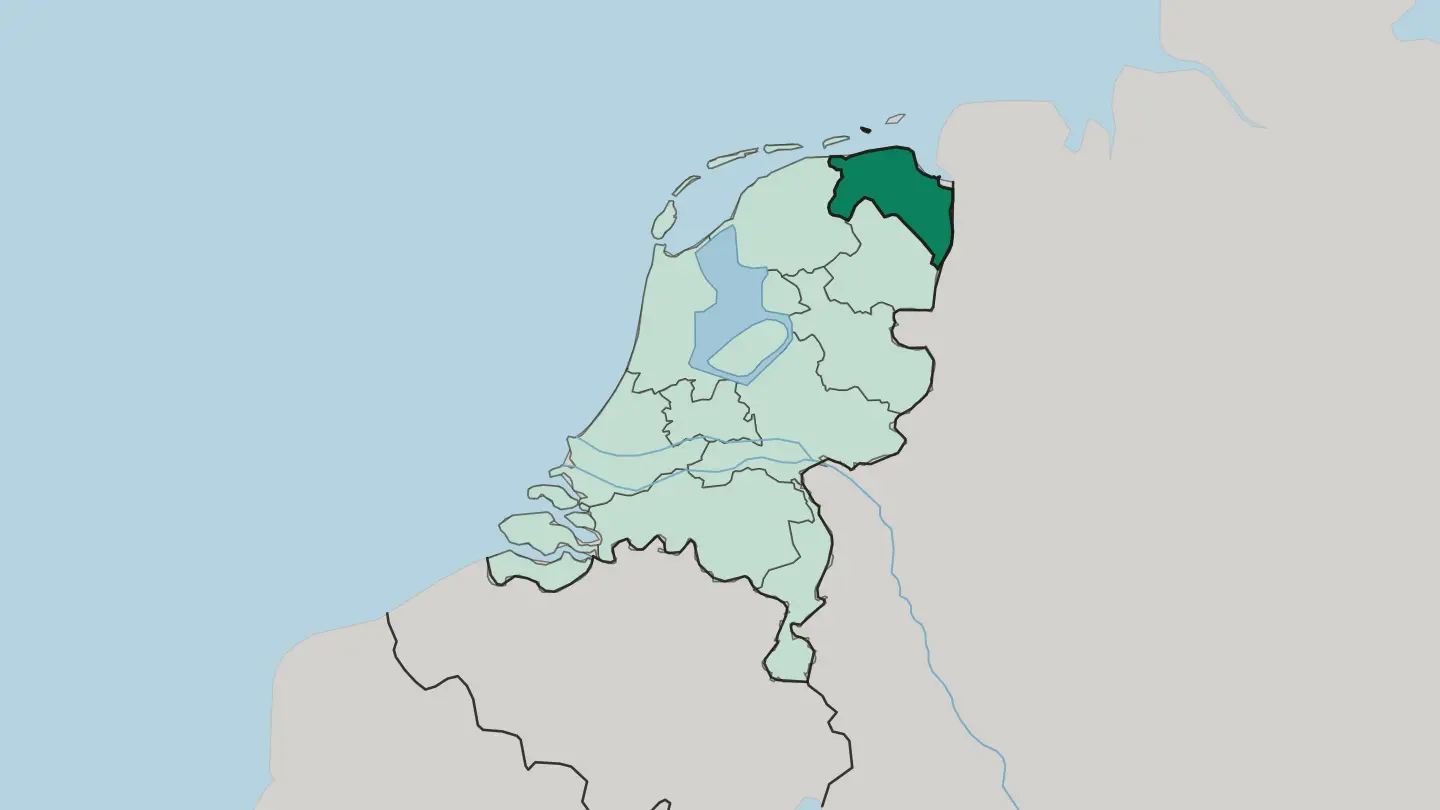 Netherlands
Provincie Limburg
Limburg is the hilly southern tip of the Netherlands, a slim salient wedged between Belgium and Germany along the Maas.Towns & cities →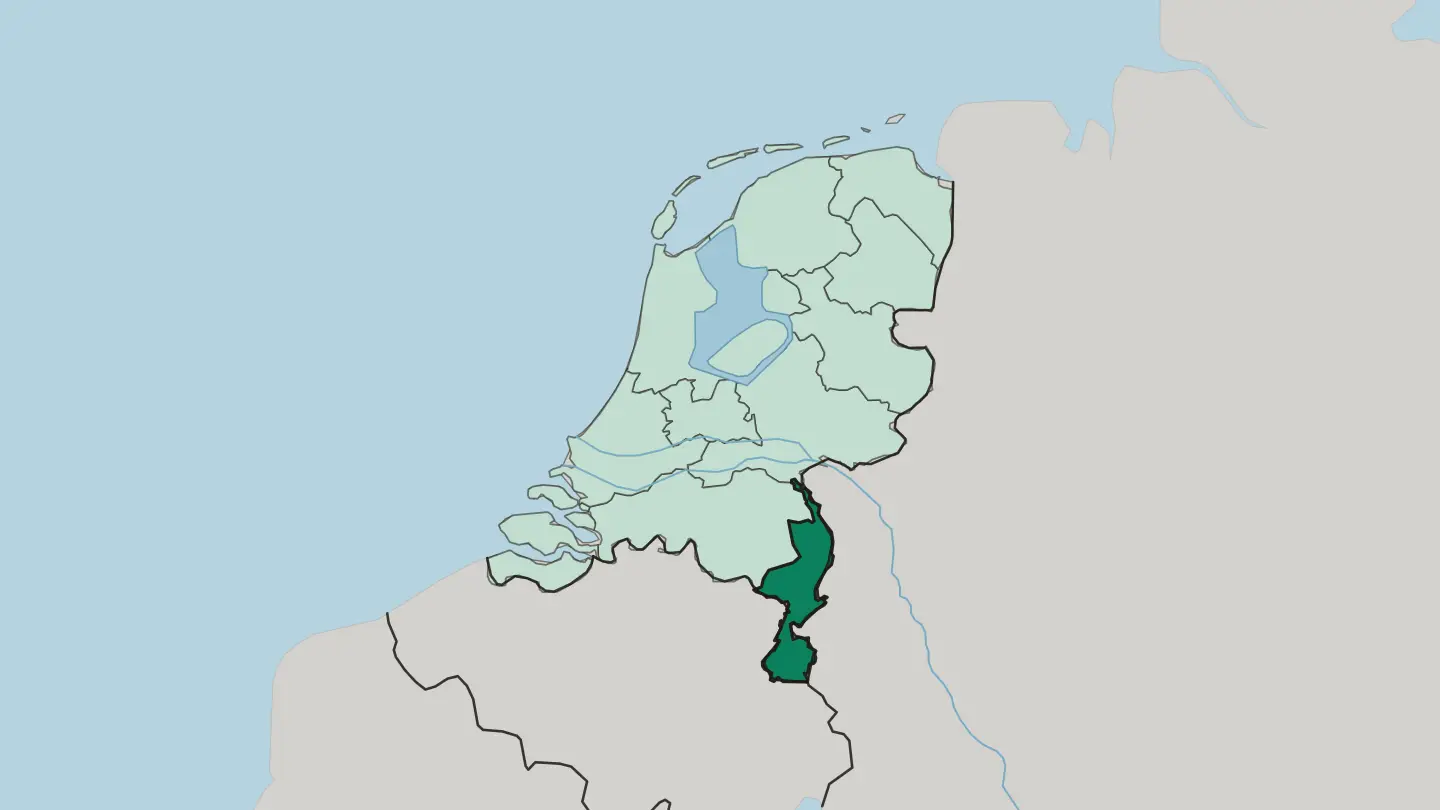 Netherlands
Provincie Noord-Brabant
Noord-Brabant is a province in the south of the Netherlands, running along the Meuse from the Belgian border up to the Rhine-Meuse-Scheldt delta.Towns & cities →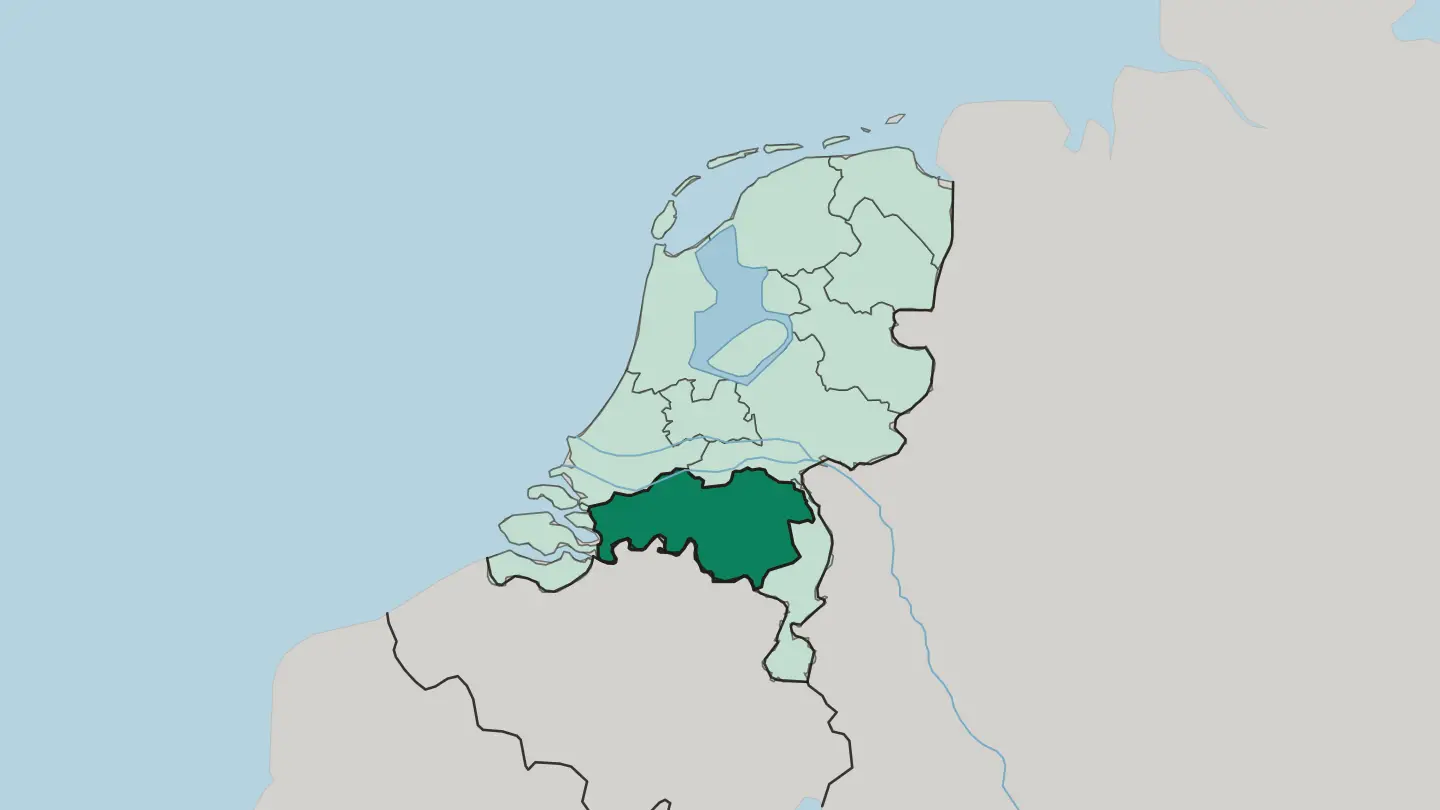 Netherlands
Provincie Noord-Holland
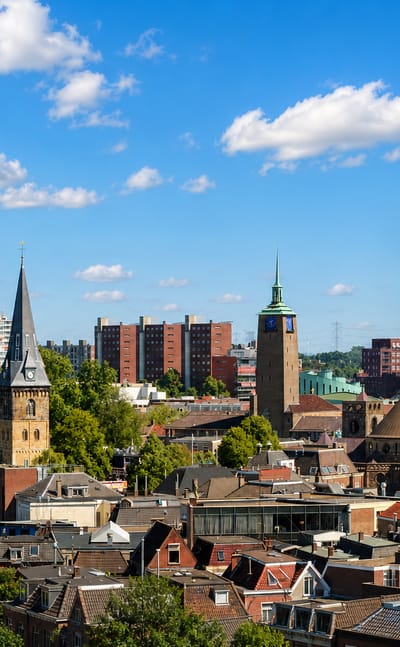
Noord-Holland is the Dutch province of Amsterdam and Haarlem, a peninsula of polders and dunes between the North Sea and the IJsselmeer.Towns & cities →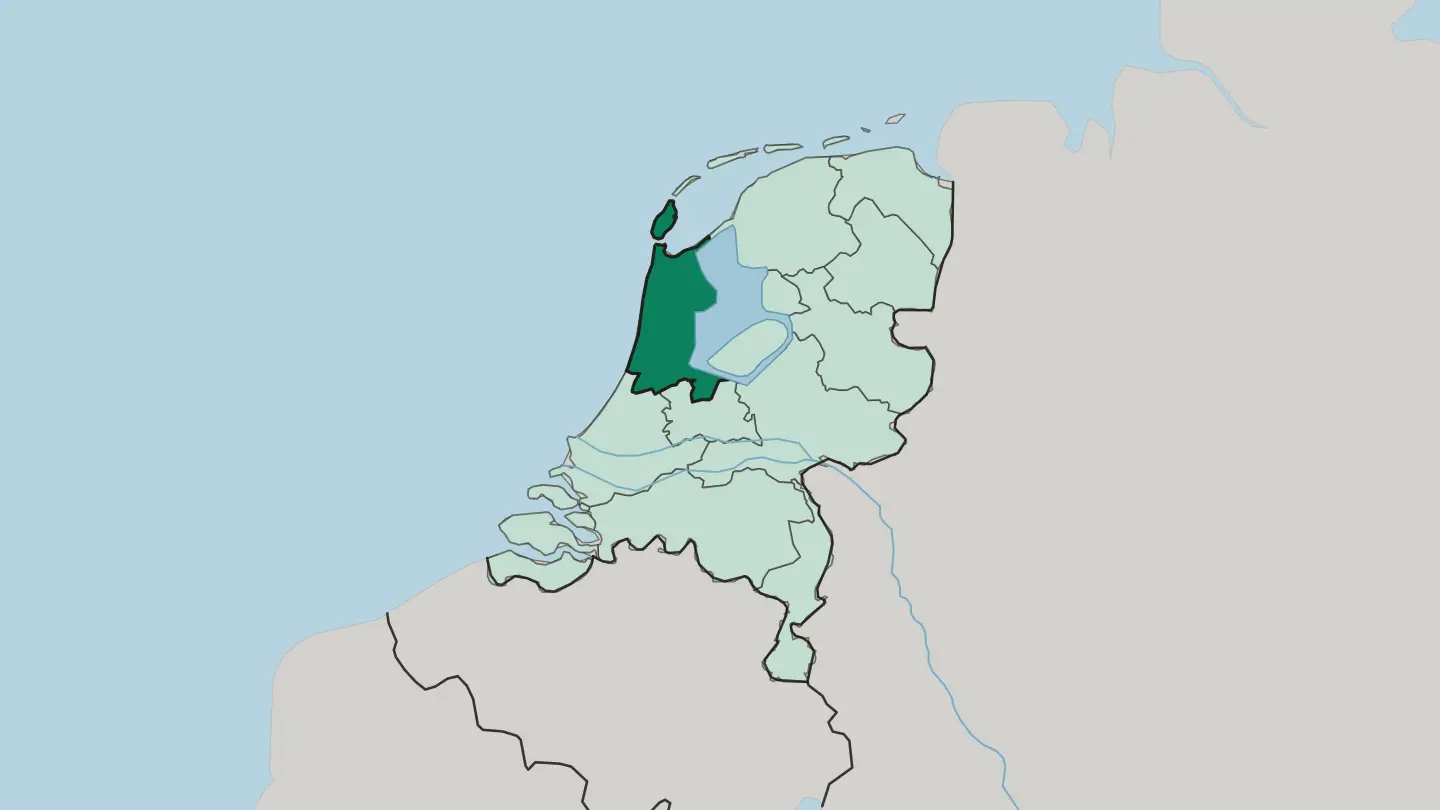
 Netherlands
Provincie Overijssel
Overijssel is the Netherlands' province beyond the IJssel, where Hanseatic river towns give way to the sandy Twente hills near Germany.Towns & cities →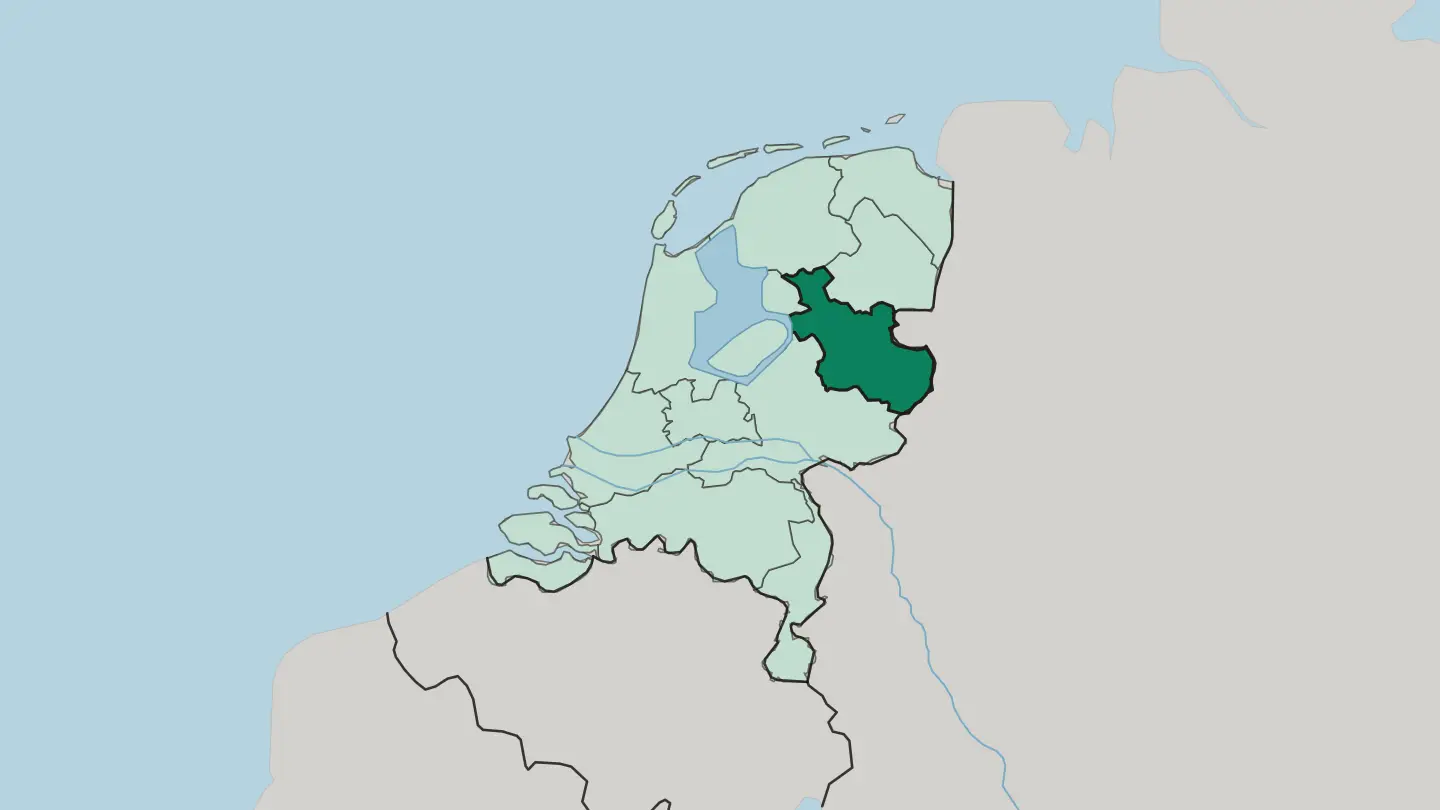
 Netherlands
Provincie Utrecht
Utrecht is the compact central province of the Netherlands, where the Dom Tower rises over canal cellars and wooded ridges roll east.Towns & cities →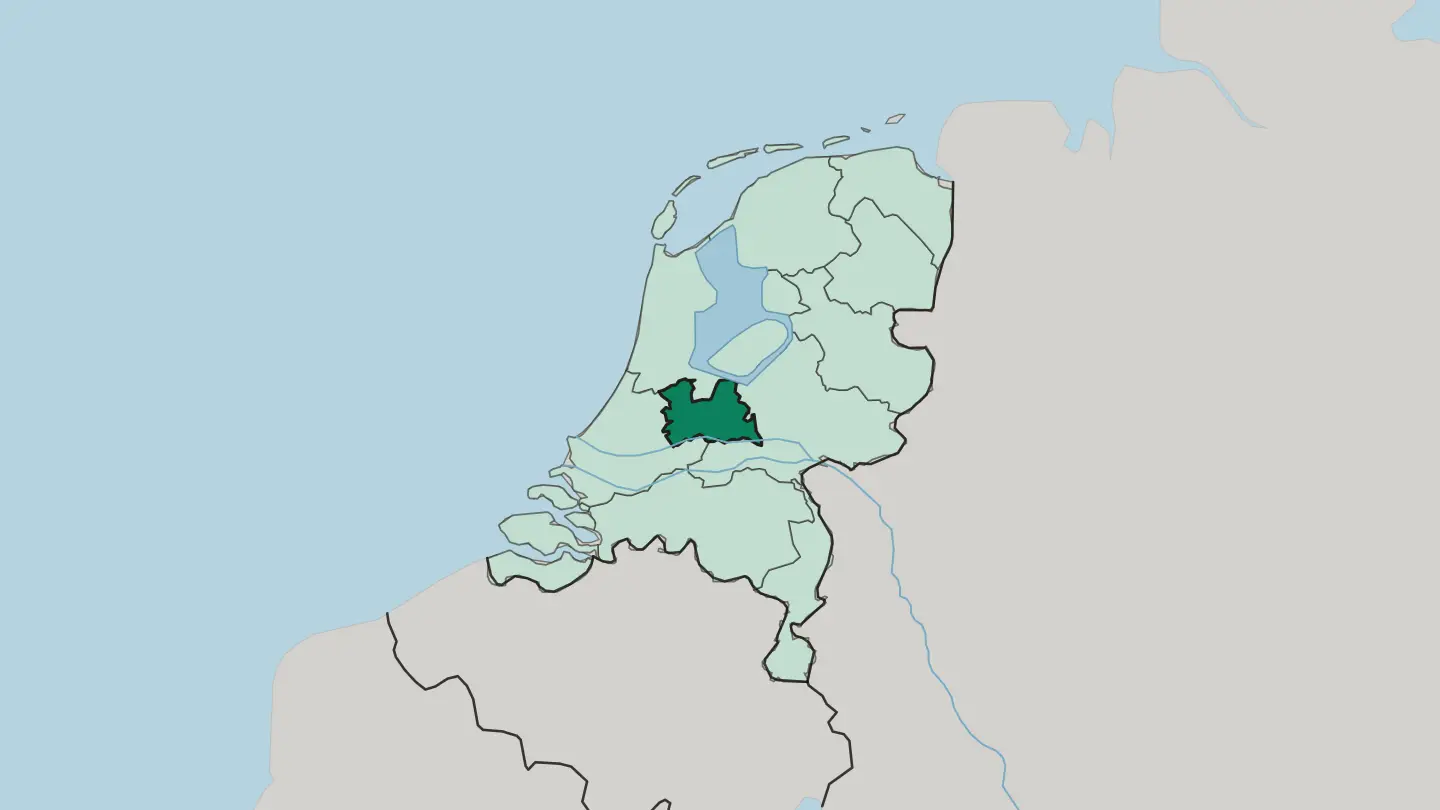 Netherlands
Provincie Zeeland
Zeeland is the sea-fringed south-west province of the Netherlands, a scatter of islands and peninsulas at the Rhine-Meuse-Scheldt delta.Towns & cities →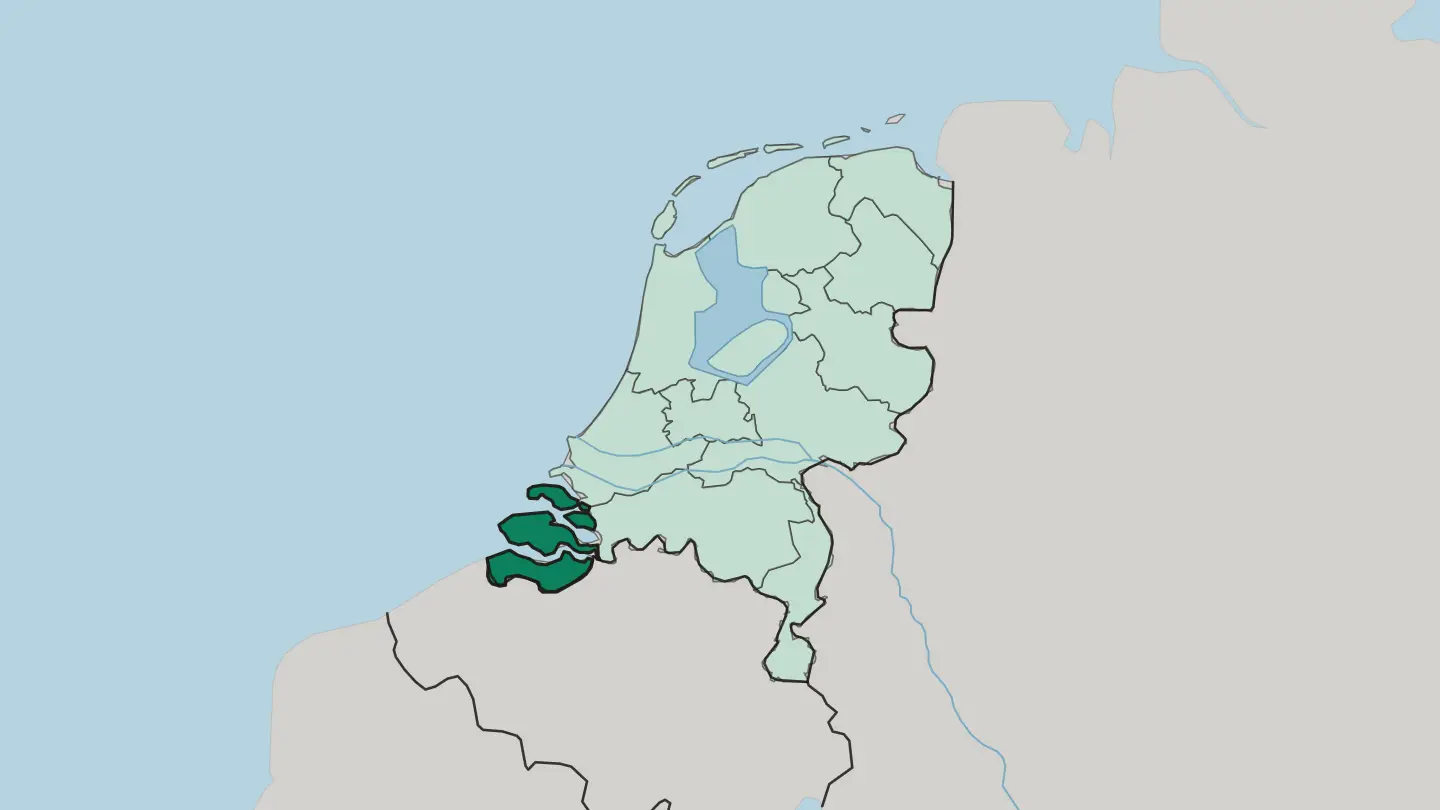 Netherlands
Provincie Zuid-Holland
Zuid-Holland is a province in the west of the Netherlands, where the Rhine-Meuse-Scheldt delta drains into the North Sea past Rotterdam.Towns & cities →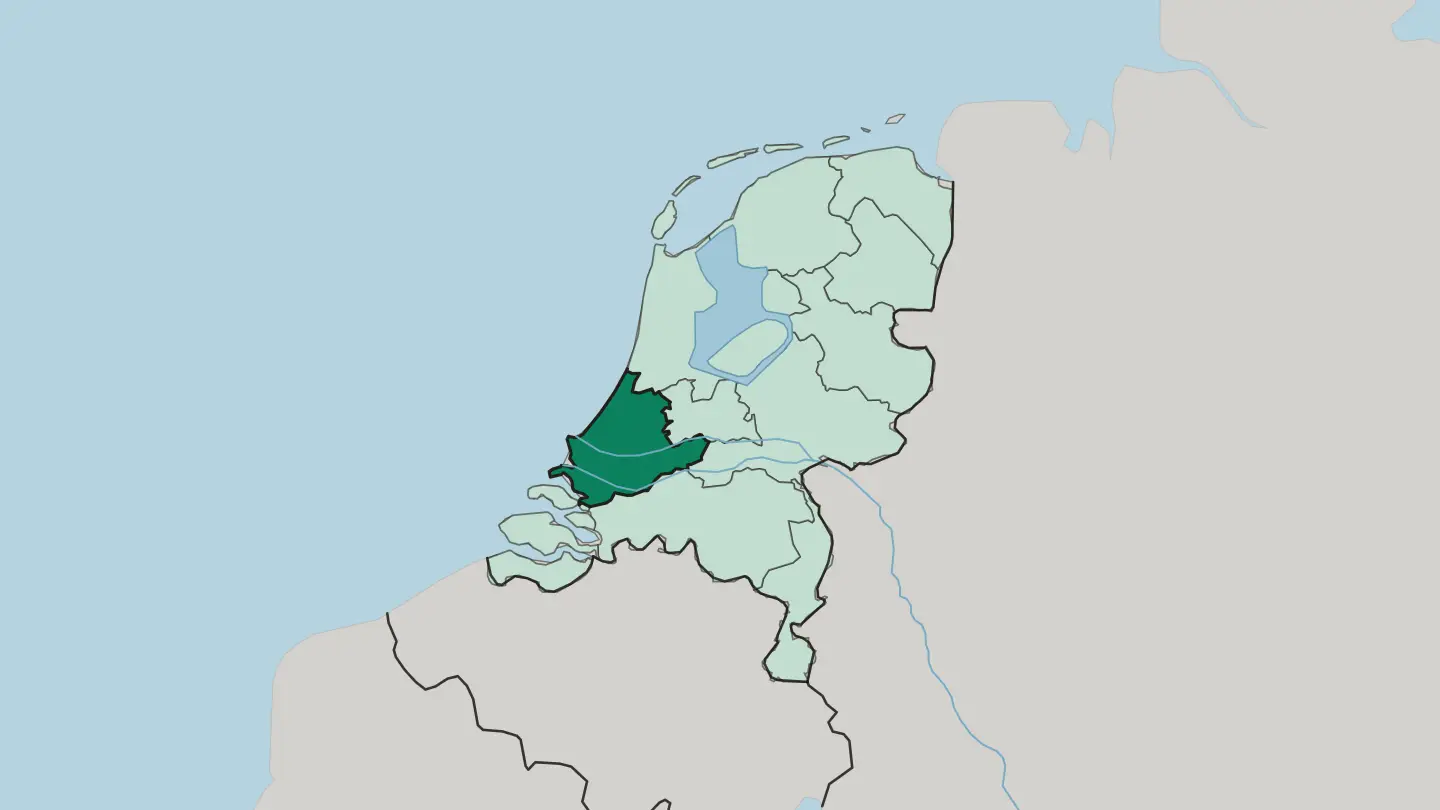
Explore by experience
Not sure which place? Start from how you want to travel.



About Netherlands
What is Netherlands known for?
The Netherlands is known as the flat delta country of northwestern Europe, the largest of the four lands of the Kingdom of the Netherlands. Water shapes it. Much of the country lies reclaimed from the sea, a low land of windmills and tulip fields spread across twelve provinces between Germany, Belgium, and the North Sea.
Its people are the Dutch.
Where is Netherlands?
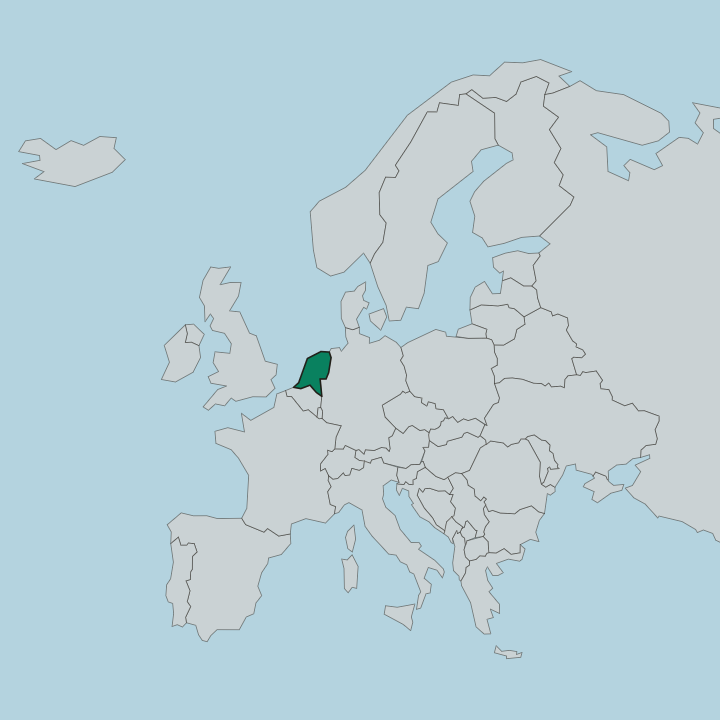
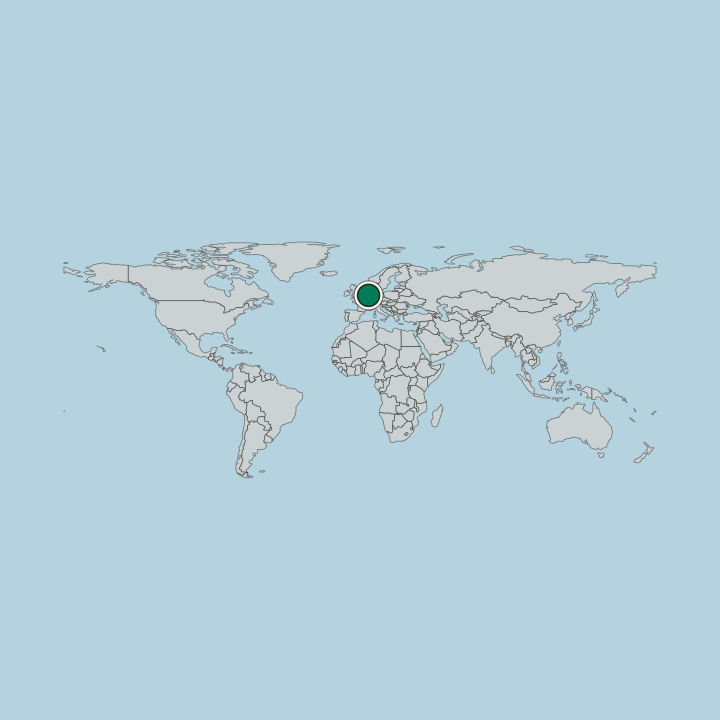
The Netherlands sits in the low river delta of northwestern Europe, its land flattening out toward the North Sea. The country lies low. Much of it was reclaimed from the sea over the centuries, a flat expanse of fields and water where the ground in places dips below the level of the North Sea itself.
Windmills stand across it. The old drainage windmills and the blooming tulip fields mark this reclaimed delta, a landscape shaped as much by human hands as by the rivers of northwestern Europe. Land borders frame the country to the east and south.
Germany lies to the east. Belgium runs along the southern border, while the North Sea forms the whole coastline to the north and west, and maritime borders reach across the water to the United Kingdom, Germany, and Belgium. Twelve provinces make up the land.
From Friesland in the north to the provinces along the German and Belgian borders, the twelve provinces divide the European Netherlands, the largest of the four countries of the Kingdom of the Netherlands, which also reaches to overseas territories in the Caribbean.
What is the history of Netherlands?
The Netherlands took its modern republican form in 1795, on land that people had been winning from the sea for centuries. Before the state, there was the water. Long before the modern state, the low delta of northwestern Europe was drained into fields, the slow work of reclamation binding the future provinces together along the North Sea.
That labour built the country. Out of the reclaimed delta and its river mouths grew the trading land that would become the Netherlands, its wealth carried on the water toward the North Sea and the wider world. The modern Kingdom of the Netherlands drew the land together into a single realm.
Twelve provinces make up the European part. As the largest of the four constituent countries of the Kingdom of the Netherlands, the European Netherlands joined with lands overseas, the realm reaching out to territories in the Caribbean far from the North Sea. The old name endures.
Much of the country is still informally called Holland, after the western provinces that long led its trade, though the wider land across all twelve provinces is the Netherlands.
What is Netherlands like?
The Netherlands carries a single national language across its twelve provinces, with Dutch spoken from the North Sea coast to the German border. Dutch names the people too. Alongside Dutch, the province of Friesland keeps West Frisian as a second official tongue, a reminder that the low country of northwestern Europe holds more than one voice.
The language reaches overseas. In the Caribbean territories of the Kingdom of the Netherlands, Dutch shares official standing with English and Papiamento, carrying the culture of the Netherlands far beyond the North Sea. Heritage sits close to the water here.
The windmills and the blooming tulip fields stand among the country's oldest images, drawn from the reclaimed delta and its centuries of work against the sea. Town pride runs deep. Across the twelve provinces, historic town centres are held with much local pride, from the western provinces long called Holland to Friesland in the north.
The culture faces the sea. Grown on trade across the North Sea, the life of the Netherlands has long looked outward from its delta toward Germany, Belgium, and the wider world.
What is the climate of Netherlands?
The Netherlands has a mild temperate climate, held in check by the North Sea along its coast. The sea softens the seasons. Cool wet winters and mild summers run across the low delta of northwestern Europe, the winds off the North Sea carrying cloud and rain over the flat land through much of the year.
How do you get to Netherlands?
The Netherlands is reached by air, by sea, and by rail from across northwestern Europe. The North Sea brings ferries. Flights land near the western cities, ferries cross the North Sea, and rail and road lines run in from Germany to the east and Belgium to the south, tying the country into the heart of northwestern Europe.
Updated September 2026