Netherlands · Provincie Noord-Brabant
Where to Stay in Oss, Provincie Noord-Brabant
A Brabant town between Nijmegen and 's-Hertogenbosch, Oss keeps the ruins of a fourteenth-century castle and the collections of the Jan Cunen Museum.
Hotel links are affiliate links: booking through them may earn us a commission, at no extra cost to you. It never affects how places are ranked. How this works


Where to stay in Oss
Where the beds are, and what that means for the visit.
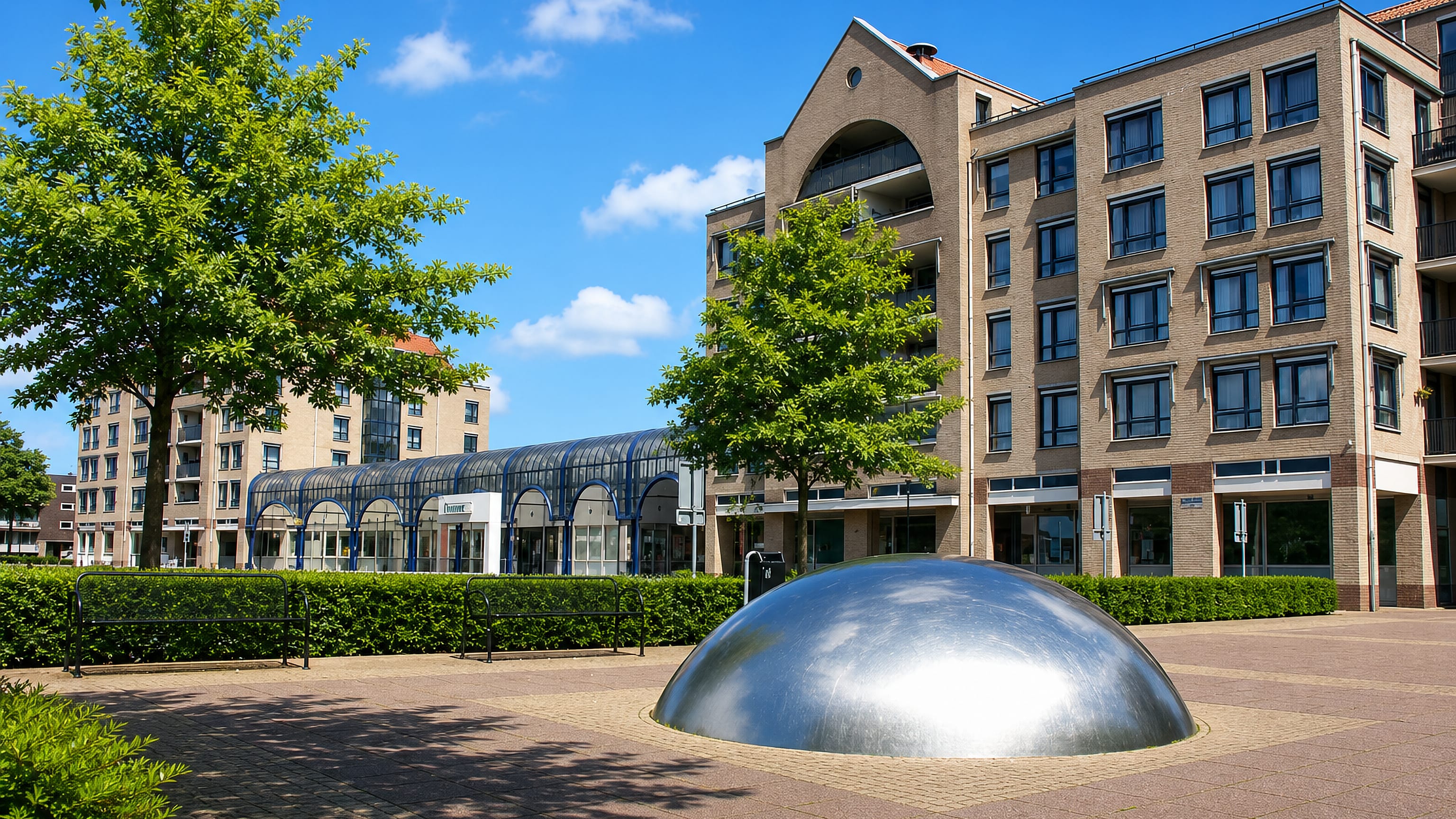
Two choices, and they are unalike. A room in the town of Oss puts the Jan Cunen Museum, the castle ruins and Sint-Willibrorduskerk within one short circuit, which is what most visitors want if the reason for coming is the collections rather than the countryside around them. The core is walkable throughout.
Nothing in it is far from anything else, and the streets that carry the shops and the eating places are the same ones that carry the older buildings, so an evening needs no planning beyond stepping outside. Ravenstein is the other option. It sits inside the same municipality yet is written up as a town apart, smaller in scale and quieter in the evening, and anyone who prefers a modest street to a shopping one will find the trade a fair one.
Beds there are limited. The wider municipality spreads across some hundred and seventy-five square kilometres of Brabant ground, so a stay in the outer villages means driving to the Sint-Benedictuskerk, the Heilig Hartkerk or the Pharmacological Laboratory rather than walking to them. Guests without a car should stay central.
Those with one gain the run of the country between Nijmegen and 's-Hertogenbosch, where Oss sits, and lose only the short walk back from dinner.
Find hotels in Oss
Direct booking searches for these neighbourhoods.
Oss town centre
The Jan Cunen Museum, Sint-Willibrorduskerk and the castle ruins fall within one short circuit on foot.Find hotels in Oss town centreGuests who would rather have a small town than the shopping streets of OssRavenstein
Ravenstein lies inside the Oss municipality but is written up as a town in its own right. Rooms are few around here — worth securing early.Find hotels in RavensteinHotel links are affiliate links: booking through them may earn us a commission, at no extra cost to you. It never affects how places are ranked. How this works
Things to do in Oss
Ranked by global recognition; descriptions from Wikidata (CC0).
Museums & Galleries
1- Jan Cunen Museum
Churches & Religious Sites
5- Onze-Lieve-Vrouw Onbevlekt Ontvangenkerk Heritage
- Sint-Willibrorduskerk Heritage
- Heilig Hartkerk Heritage
- Sint-Benedictuskerk Heritage
- Gerardus Majellakerk Heritage
Landmarks & Notable Places
2- Piet van Lierop residence
- Pharmacological Laboratory
worth knowingacross 3 categories in Oss
About Oss
What is Oss known for?
The Jan Cunen Museum holds the municipal collections, while the Pharmacological Laboratory is the odd entry on a heritage register otherwise dominated by parish churches. Castle ruins survive here too. They date from the fourteenth century, and they are the oldest fabric the town can show a visitor.
Sint-Willibrorduskerk, the Heilig Hartkerk and the Gerardus Majellakerk mark the older parishes, and Ravenstein keeps a character of its own inside the same municipality.
What are the main landmarks in Oss?
Churches carry the register. Sint-Willibrorduskerk, the Sint-Benedictuskerk, the Sint-Pauluskerk, the Heilig Hartkerk, the Gerardus Majellakerk and the Onze-Lieve-Vrouw Onbevlekt Ontvangenkerk account for most of what is listed, a run of dedications spread across a municipality wide enough to hold several parishes at once. The Jan Cunen Museum is the exception.
So are the Piet van Lierop residence, the Pharmacological Laboratory and the fourteenth-century castle ruins, which between them cover a private house, a working building and the oldest stonework in Oss.
What is the history of Oss?
Ruins mark the beginning. The castle whose remains stand at Oss belongs to the fourteenth century, and it is the earliest thing the municipality can point to, everything else on the register having been raised in the centuries of parish building and private wealth that followed. Geography took over from there.
Between Nijmegen and 's-Hertogenbosch, the settlement grew on the ground that links two larger centres, and that middle place shows through the whole later record. Parishes then multiplied across the municipality. Sint-Willibrorduskerk, the Sint-Benedictuskerk, the Sint-Pauluskerk, the Heilig Hartkerk, the Gerardus Majellakerk and the Onze-Lieve-Vrouw Onbevlekt Ontvangenkerk stand for generations of foundation and refoundation spread over ground wide enough that no single church could serve it.
Ravenstein was never absorbed into that pattern, and it is still described as a town of its own rather than a quarter of Oss. Two later buildings shift the register away from religion altogether: the Piet van Lierop residence, which is a private house, and the Pharmacological Laboratory, which is a working one. Both sit oddly beside the churches.
The Jan Cunen Museum gathers up what the buildings themselves cannot say, and between the museum, the ruins and the long list of dedications the town's account of itself is reasonably complete.
Where is Oss?
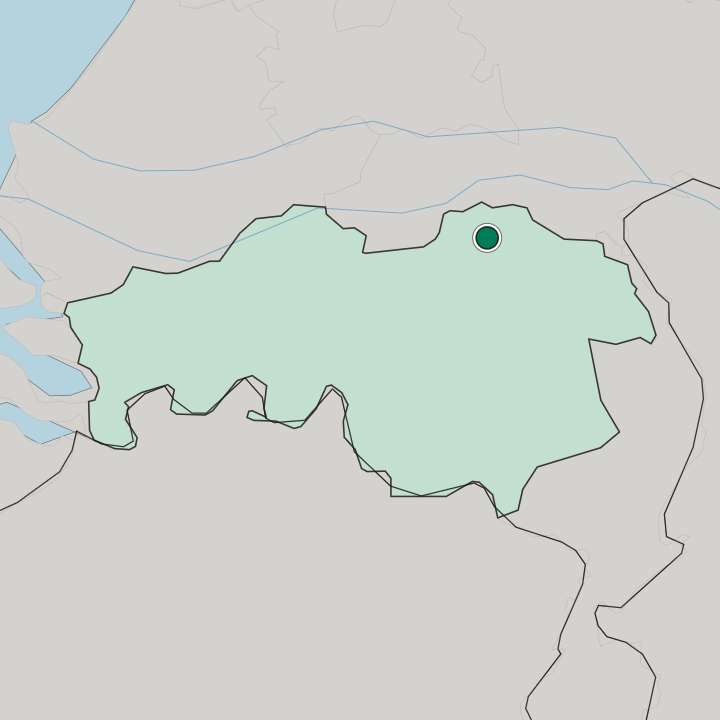
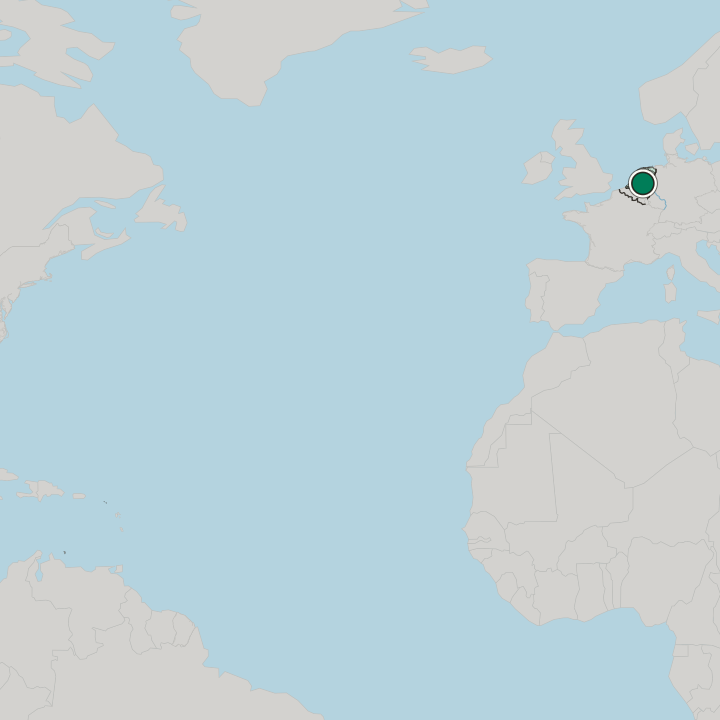
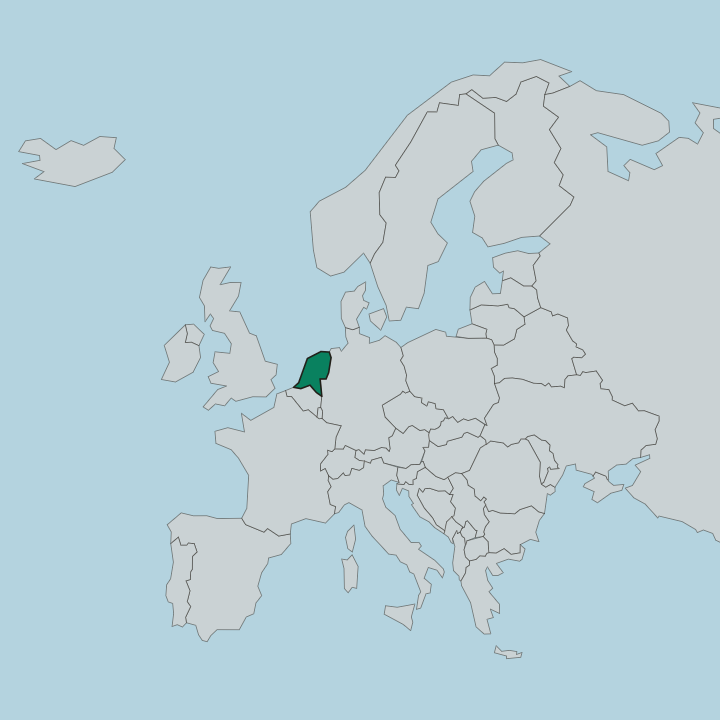
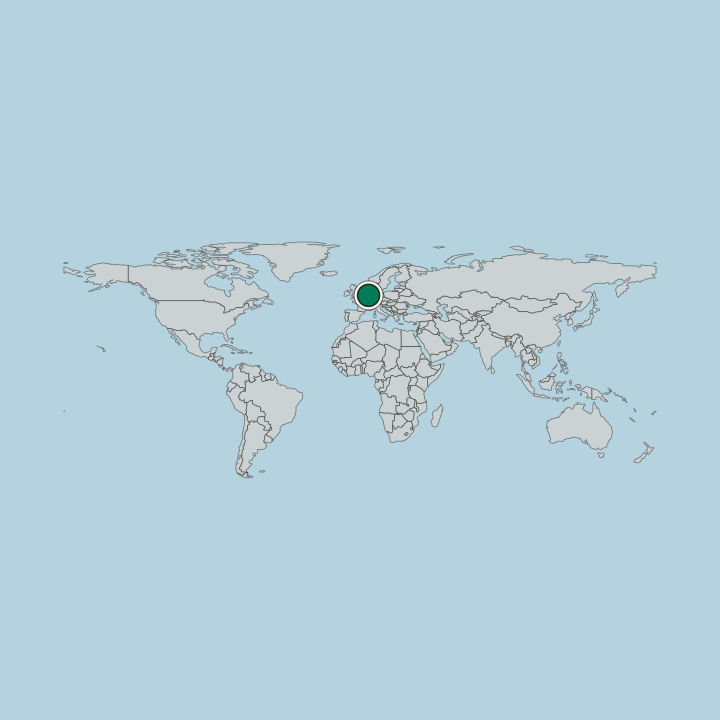
Oss occupies the southern Netherlands, in North Brabant, on the low ground between Nijmegen and 's-Hertogenbosch, and its municipality reaches across some hundred and seventy-five square kilometres of field, village and built-up quarter. That is a lot of ground. Ravenstein falls inside it, far enough from the town centre to be counted separately in most descriptions.
The country is flat throughout.
What is the climate of Oss?
What lingers here is the damp. Oss shares the temperate weather of the southern Netherlands, where the cold months run damp rather than severe and the warm ones stay moderate, with cloud crossing on the majority of days in any given month. Hard frost is uncommon.
The country between Nijmegen and 's-Hertogenbosch lies open and low, so nothing slows the wind over it, and the gap between a bright morning and a soaked afternoon is often wider than the gap between one season and the next.
How do you get to Oss?
Nijmegen and 's-Hertogenbosch flank the town, and the routes running between those two centres carry most of the arrivals into Oss. Ravenstein lies within the same municipality. The town centre itself is compact enough that the Jan Cunen Museum, Sint-Willibrorduskerk and the castle ruins can be taken in on one walk, but the outer villages are spread over a municipal area of some hundred and seventy-five square kilometres and are not walkable from it.
Distances out there are real.
Common questions
What is the best area to stay in Oss?
Oss town centre: Visitors coming for the Jan Cunen Museum and the castle ruins. Ravenstein: Guests who would rather have a small town than the shopping streets of Oss.
Good for
More cities in Provincie Noord-Brabant
Updated October 2026