Netherlands · Provincie Utrecht
Where to Stay in Veenendaal, Provincie Utrecht
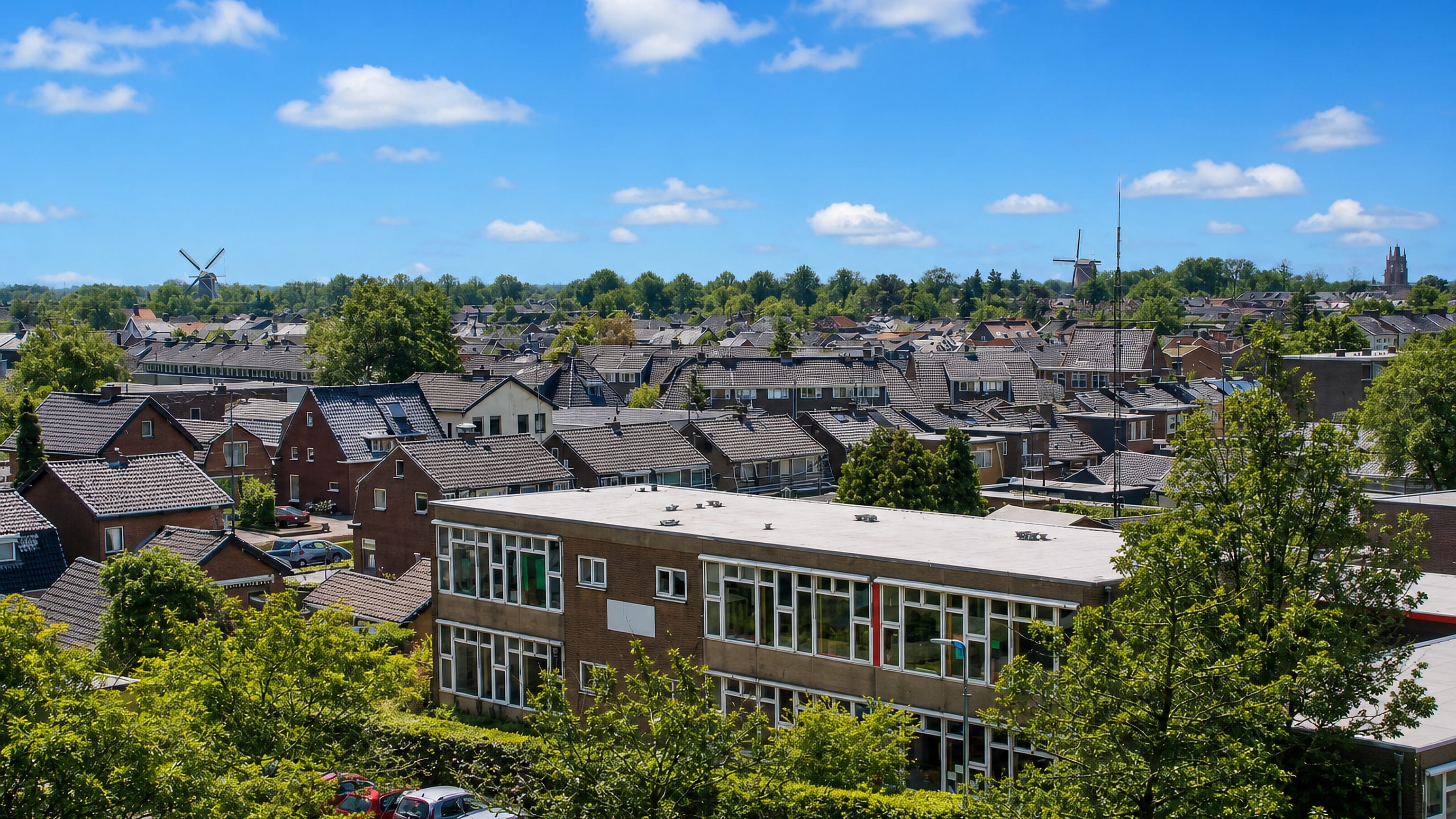
Veenendaal is a compact town in the province of Utrecht and the only settlement of its own municipality, with the Oude Kerk among its landmarks.
Hotel links are affiliate links: booking through them may earn us a commission, at no extra cost to you. It never affects how places are ranked. How this works


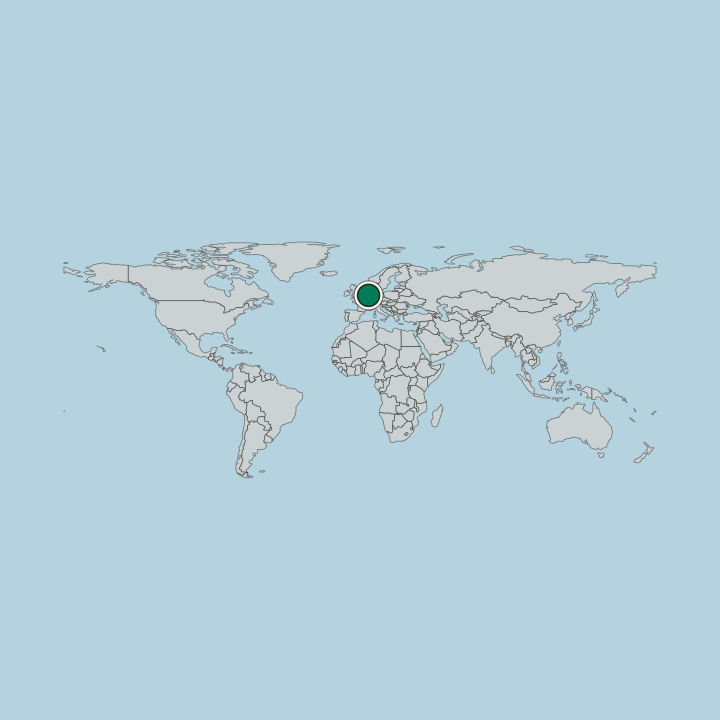
Where to stay in Veenendaal
How the choice of base plays out on the ground.
The Oude Kerk marks where most beds make sense. Veenendaal keeps everything inside one town, since the municipality holds no second settlement, and the centre near that church puts the shops, the museum and the memorial within one walk of each other. Few places here take guests.
A town on this scale runs no hotel quarter, so what exists sits either close to the middle or out along the approach roads, and the choice comes down to whether an evening on foot matters more than a parking space. Walking wins for most visits. Stichting Museum Veenendaal and Monument voor de Gevallenen stand near enough to the centre that a single afternoon covers both, with the Julianakerk a short way further on.
Quieter streets lie around the Sint-Salvatorkerk. Beds on that side sit back from the shopping frontages, which suits you when sleep counts for more than a five-minute walk, and the roads there give up their kerbside space more easily. De Hoeksteen anchors another residential pocket, well away from the centre yet still inside the same continuous town, so nothing is really far.
The protected houses give the centre its older grain. Dubbel woonhuis and Winkel-woning stand among the frontages a guest passes between the Oude Kerk and the shops, which is much of the pleasure of staying in the middle rather than on the rim. Utrecht province opens out past the last streets for anyone driving on.
Find hotels in Veenendaal
Direct booking searches for these neighbourhoods.
Centrum
The middle of the town beside the Oude Kerk, with Stichting Museum Veenendaal and Monument voor de Gevallenen a walk away. Beds are limited here, so book early.Find hotels in Centrumyou if quiet counts for more than a five-minute walkAround the Sint-Salvatorkerk
Residential streets set back from the shopping frontages, with Winkel-woning and Dubbel woonhuis between there and the centre. Rooms are few around here — worth securing early.Find hotels in Around the Sint-SalvatorkerkHotel links are affiliate links: booking through them may earn us a commission, at no extra cost to you. It never affects how places are ranked. How this works
Things to do in Veenendaal
Ranked by global recognition; descriptions from Wikidata (CC0).
Museums & Galleries
1- Stichting Museum Veenendaal
Churches & Religious Sites
3- Oude Kerk (Veenendaal) Heritage
- Sint-Salvatorkerk Heritage
- Julianakerk Heritage
Castles & Historic Sites
1- Monument voor de Gevallenen
Landmarks & Notable Places
3- Dubbel woonhuis Heritage
- Winkel-woning Heritage
- Woonhuis is een in een eclectische stijl opgetrokken villa Heritage
worth knowingacross 4 categories in Veenendaal
About Veenendaal
Veenendaal reads as one town, not many.
What is Veenendaal known for?
The municipality holds no other settlement inside its borders, so everything the place carries sits within a single compact street plan rather than spread across villages. Churches mark the ground. The Oude Kerk, the Julianakerk, the Sint-Salvatorkerk and De Hoeksteen account for four church buildings between them, and Stichting Museum Veenendaal runs the town's collection.
Monument voor de Gevallenen keeps the fallen in view.
What are the main landmarks in Veenendaal?
Churches count for most here. The Oude Kerk, the Julianakerk, the Sint-Salvatorkerk and De Hoeksteen make up the four church buildings of the town, and they remain the most recognisable structures on a street plan otherwise given over to housing and shops. Stichting Museum Veenendaal keeps the local collection, and Monument voor de Gevallenen serves as the memorial to the fallen.
Protected houses fill the gaps. A double house listed as Dubbel woonhuis, a shop-and-dwelling recorded as Winkel-woning and a villa on the same protected register survive among the later blocks.
What is the history of Veenendaal?
The Oude Kerk holds the oldest name in Veenendaal. That name alone sets it apart from the Julianakerk, the Sint-Salvatorkerk and De Hoeksteen, the three other church buildings standing in the town, and the four of them together trace how the place filled out its street plan. Growth stayed inside one town.
The municipality took in no second settlement, so the record here belongs to a single place rather than to a group of villages sharing an administrative name, and the town remains the only one within its own borders. Housing carries the middle years. A double house entered on the monument lists as Dubbel woonhuis, a shop-and-dwelling recorded as Winkel-woning and a villa on the same register survive among the later blocks that went up around them.
Four church buildings, three protected houses, one museum and one memorial make up the named sites the town carries. The twentieth century left its own mark. Monument voor de Gevallenen stands for the fallen of the war years, and it remains the fixed point of remembrance here.
Stichting Museum Veenendaal runs the collection, and Museum Veenendaal is where the town's own account is set out. Utrecht province surrounds all of it.
Where is Veenendaal?
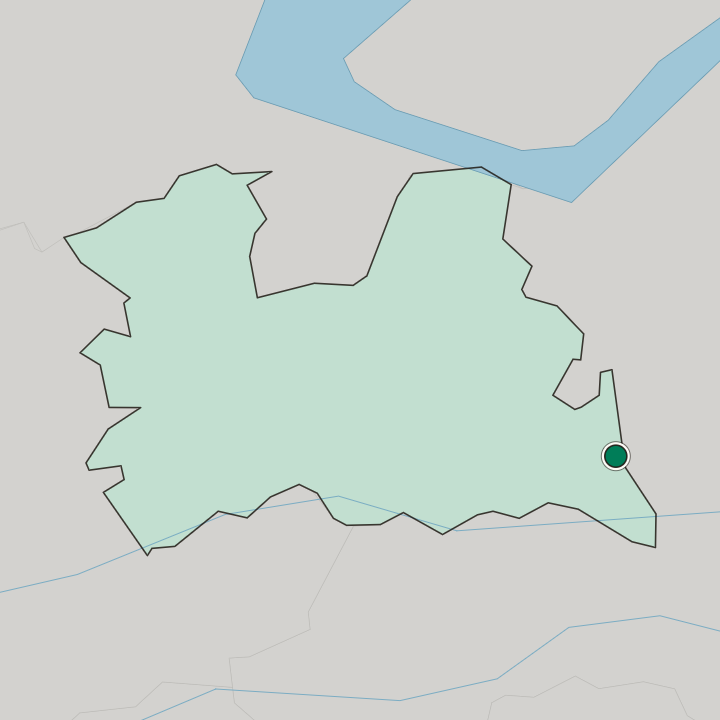
Veenendaal does not stretch far. The municipality's territory is compact, and because no village shares its borders, the built-up town accounts for most of that space rather than a patchwork of fields lying between separate settlements. Streets do the shaping here.
The Oude Kerk, the Julianakerk and the Sint-Salvatorkerk sit inside the same continuous fabric, which keeps distances short and makes the town walkable end to end. The province of Utrecht carries on past the edge.
What is the climate of Veenendaal?
The temperate band sets the terms for Veenendaal, so winters stay soft, summers stay moderate, and no month runs dry enough to plan a trip around. Wet days turn up year-round. Grey stretches outlast the bright ones through the darker half of the year, and this corner of Utrecht province takes that weather much as the rest of it does.
Hard frost is uncommon. Walking between the Oude Kerk and the museum stays easy in most conditions, since the distances are short enough that a shower costs minutes rather than an afternoon.
How do you get to Veenendaal?
Everything here sits close together. Veenendaal spreads as a single built-up town inside the province of Utrecht, so an arrival at any edge leaves the Oude Kerk, Museum Veenendaal and the shopping streets within a short ride. The town plan does the rest.
Distances between the Julianakerk, the Sint-Salvatorkerk and De Hoeksteen stay walkable, which spares most visitors any decision about local transport once the bags are down.
Common questions
What is the best area to stay in Veenendaal?
Centrum: guests who want the Oude Kerk and the shops from the door. Around the Sint-Salvatorkerk: you if quiet counts for more than a five-minute walk.
Good for
More cities in Provincie Utrecht
Updated September 2026