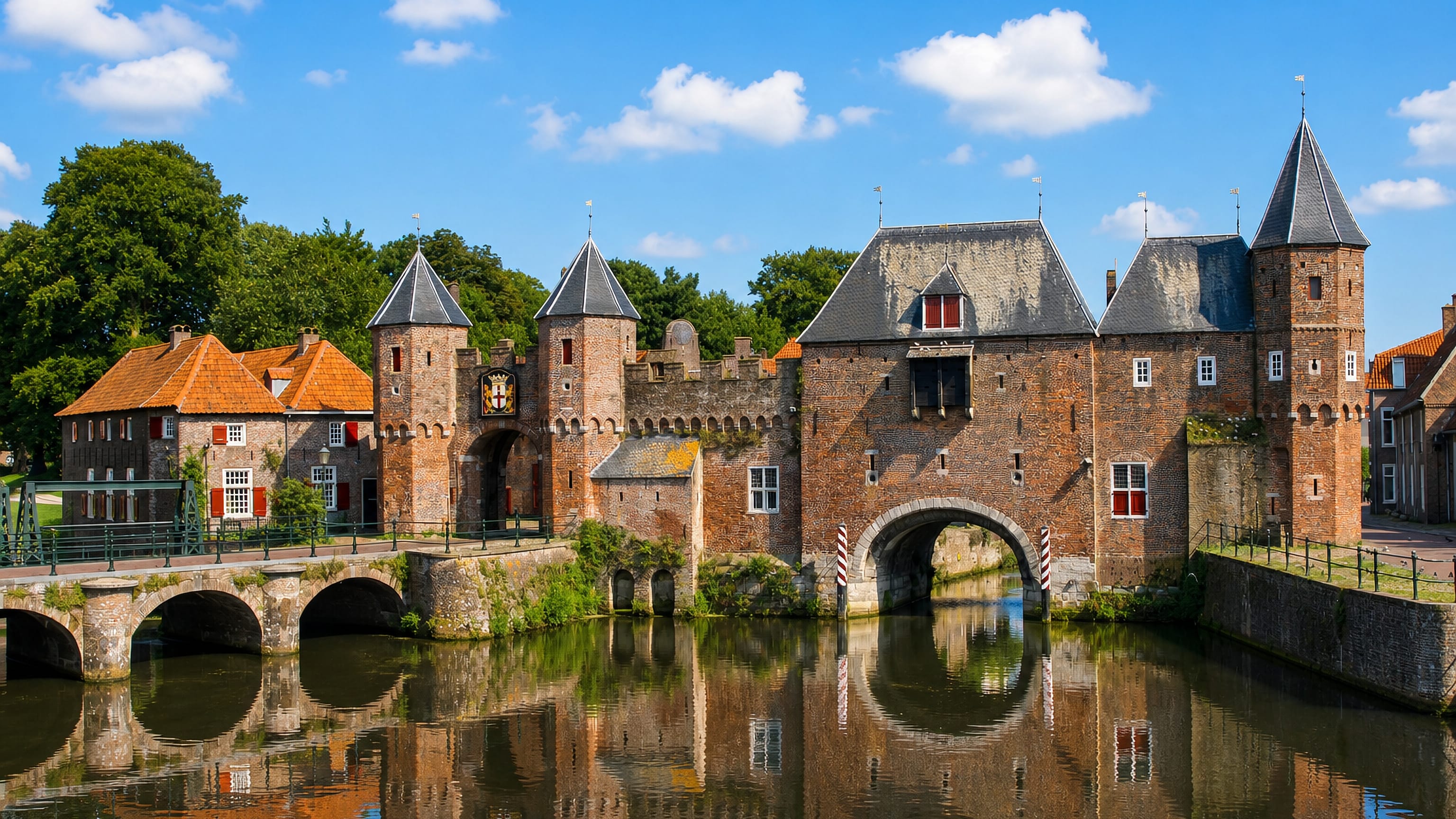
Netherlands
Provincie Utrecht, Netherlands — Towns & Travel Guide
Utrecht is the compact central province of the Netherlands, where the Dom Tower rises over canal cellars and wooded ridges roll east.
Hotel links are affiliate links: booking through them may earn us a commission, at no extra cost to you. It never affects how places are ranked. How this works


Towns & cities in Provincie Utrecht
Pick a town or city — each links to where to stay.
 Netherlands
Utrecht
Utrecht gives Provincie Utrecht its name, a cathedral city whose register runs from Domplein to the Rietveld Schröder House.Where to stay →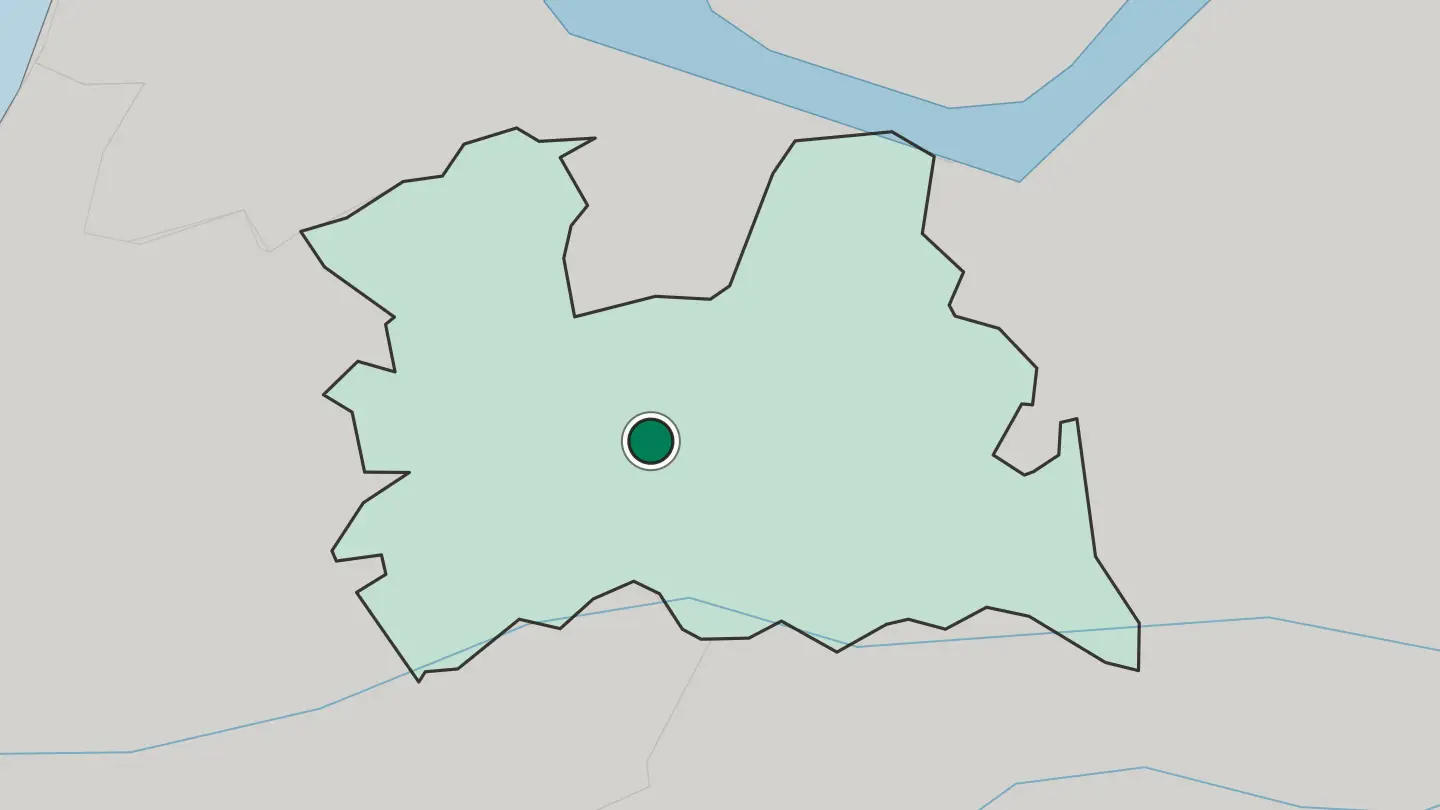
 Netherlands
Amersfoort
Amersfoort is a medieval city in Utrecht province, east of Amsterdam, with the Tower of Our Lady rising over its old brick centre.Where to stay →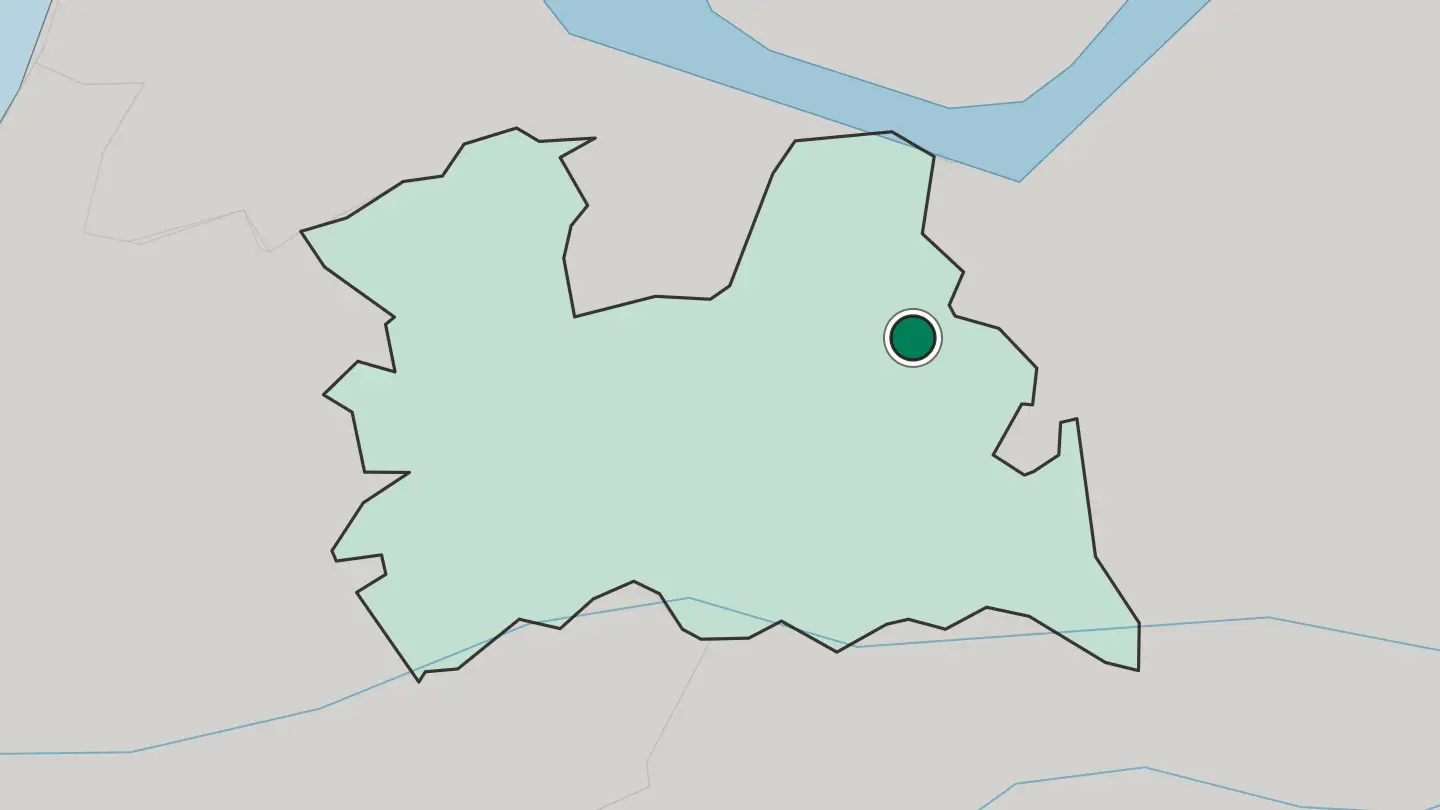
 Netherlands
Nieuwegein
Nieuwegein is a 1971 municipality in Provincie Utrecht, south of Utrecht itself, with the Gerbrandy Tower and Kasteel Heemstede on its register.Where to stay →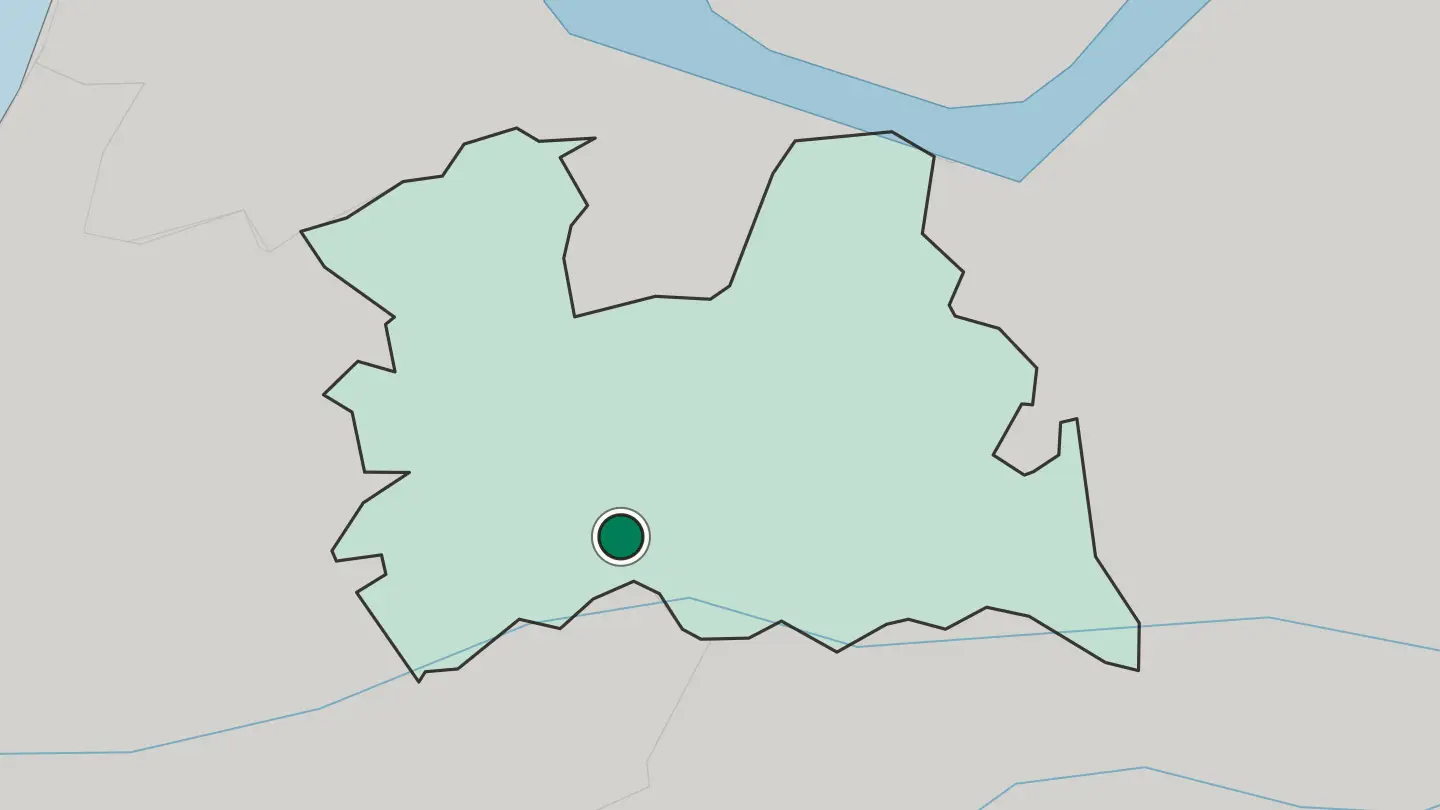
 Netherlands
Veenendaal
Veenendaal is a compact town in the province of Utrecht and the only settlement of its own municipality, with the Oude Kerk among its landmarks.Where to stay →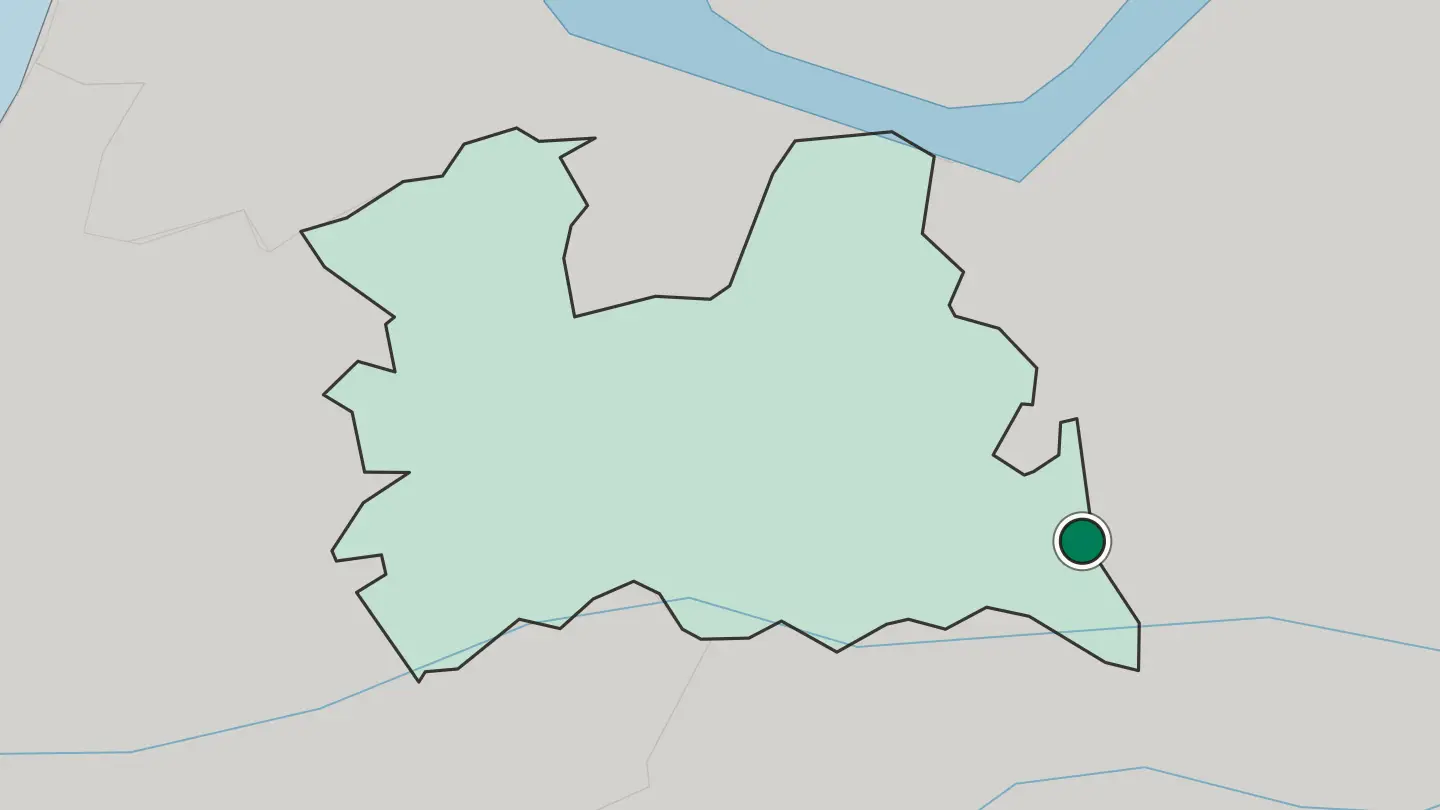
Hotel links are affiliate links: booking through them may earn us a commission, at no extra cost to you. It never affects how places are ranked. How this works
About Provincie Utrecht
What is Provincie Utrecht known for?
Utrecht is the country's second-smallest province, and its centre. The city of Utrecht anchors it. Its Dom Tower rises over the city, and the Oudegracht below runs a full level lower than the street, lined with medieval wharf cellars turned into cafés.
East of the city the Utrechtse Heuvelrug lifts the flat country into wooded sandhills of pine, heath and old country estates. Gelderland lies over that ridge.
Where is Provincie Utrecht?
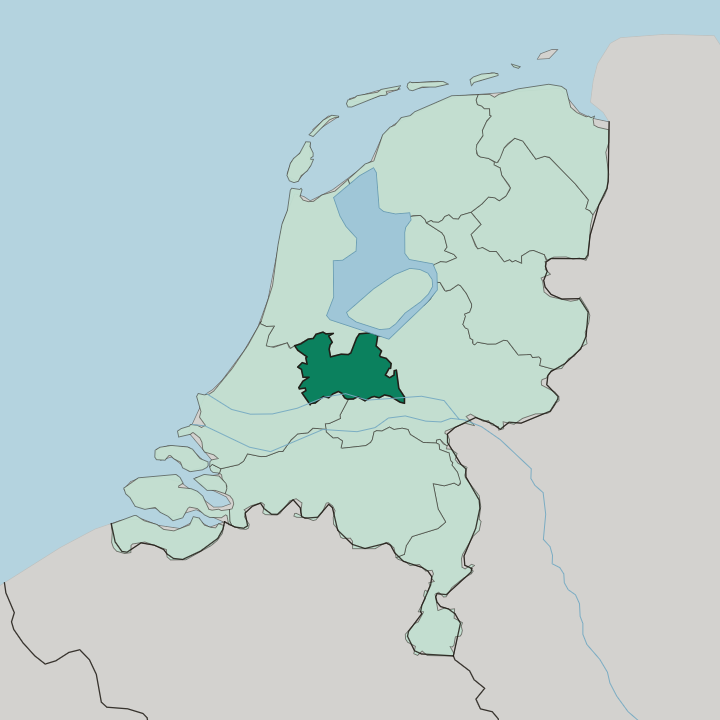
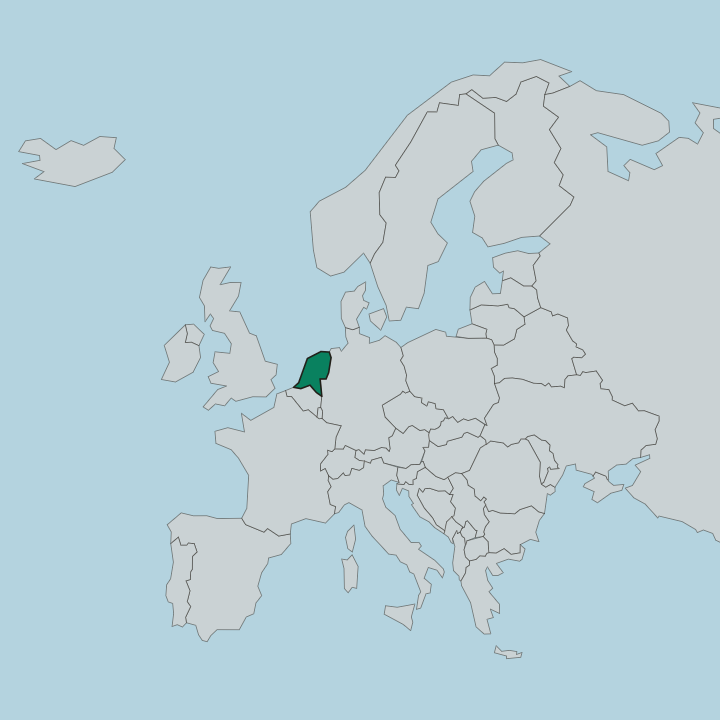
Utrecht sits in the middle of the Netherlands, the second-smallest province and a near-crossroads for the whole country. Utrecht is compact. Gelderland lies to the east and south-east, South Holland to the west and south-west, and the shallow Eemmeer closes the north-eastern edge.
Two landscapes divide the province between them. Along the eastern side the Utrechtse Heuvelrug rises in a low chain of sandhills, left as moraine by tongues of glacial ice, and it carries pine woods, heath and old country estates on ground that stays dry. Everything to the west and south is river land and polder, flat and threaded with water.
The Lek runs along the southern border, the branch the Rhine becomes past the town of Wijk bij Duurstede, where the Kromme Rijn twists off toward the city. The Vecht leaves Utrecht northward for the old Zuiderzee lowlands. Peat meadows and dead-straight drainage ditches fill the west, part of the open Groene Hart that the big Randstad cities ring.
Water and ridge set the terms here. The capital grew where the dry sand of the Heuvelrug met the river plain, and the split has shaped the province ever since.
What is Provincie Utrecht like?
Utrecht has been the religious heart of the Netherlands since the eighth century, and the church still shapes its skyline and its calendar. The Dom Tower marks it. Willibrord made the city a bishop's seat, and for centuries the prince-bishops ruled a swathe of the northern Netherlands from here, so the old centre carries churches, cloisters and a cathedral square where the nave once stood.
A university city sits on top of that older one. Utrecht University was founded in 1636, and its students give the medieval streets and the terraces along the Oudegracht a young, unhurried tempo. The illustrator Dick Bruna drew Miffy here, and the small white rabbit is honoured with a museum in the city.
Beyond the capital the province turns rural and settled. The Heuvelrug is dotted with country houses and walled estate gardens, and the villages along the Vecht keep the summer houses that Amsterdam's merchants built out along the water. Life here runs quieter than in Holland proper.
It is a province of church towers, campus bicycles and estate walls, more inward and provincial than the coast, and comfortable being so.
What is the history of Provincie Utrecht?
The story starts on the Rhine. Roman soldiers raised a fort at Utrecht around the year 47, one of the castella strung along the river that marked the empire's northern frontier. Willibrord was consecrated bishop here in 695, and Utrecht grew into the great episcopal power of the medieval Low Countries.
Two later treaties carry the province's name. In 1579 the Union of Utrecht bound the rebelling northern provinces together and laid the ground for the Dutch Republic, and in 1713 the Peace of Utrecht, signed in the city, ended the War of the Spanish Succession.
What is the climate of Provincie Utrecht?
Utrecht sits inland, but the North Sea still governs its weather from the west. Skies change fast. Winters stay cool and grey rather than hard, summers run mild and green, and rain falls in every month rather than gathering into one wet season.
Lying a little further from the coast than Holland, the province catches slightly warmer summer afternoons and colder frosts after dark than the shore, though the difference is small on such flat, low ground. Expect wind and cloud year-round.
How do you get to Provincie Utrecht?
Utrecht is the easiest province in the country to reach. Its central station is the busiest rail hub in the Netherlands, the point where the main lines cross, so trains run there from every corner of the country and straight from Schiphol airport near Amsterdam in about half an hour. Amersfoort is a second junction on the northern and eastern lines.
Motorways braid through the middle of the province, which makes driving quick but the ring around the capital dense. Most visitors simply take the train.
Common questions
What is the best area to stay in Provincie Utrecht?
Utrecht: canal-side cellars under the Dom Tower. Amersfoort: a medieval walled second city. Zeist and the Utrechtse Heuvelrug: forest estates on the sandhill ridge.
More regions in Netherlands
Updated October 2026