Norway · Møre og Romsdal fylke
Where to Stay in Fiskå, Møre og Romsdal fylke
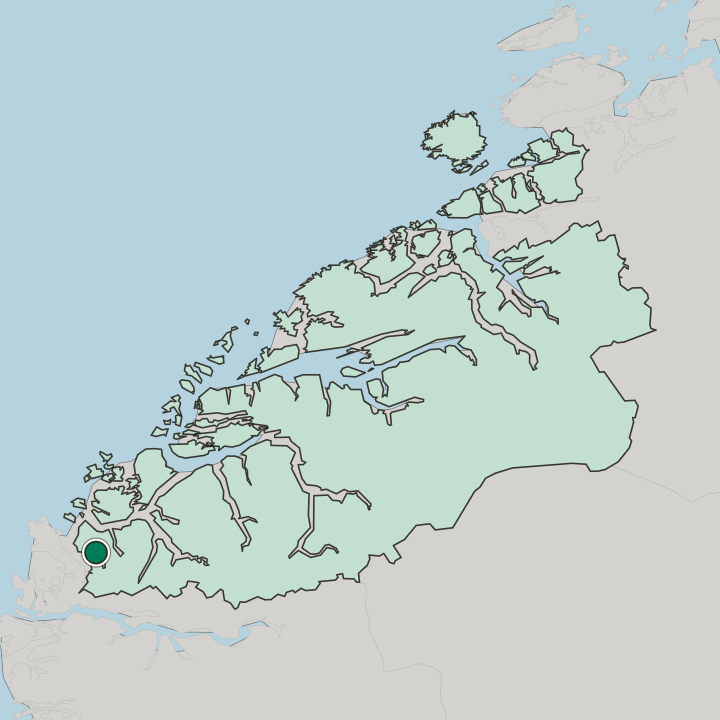
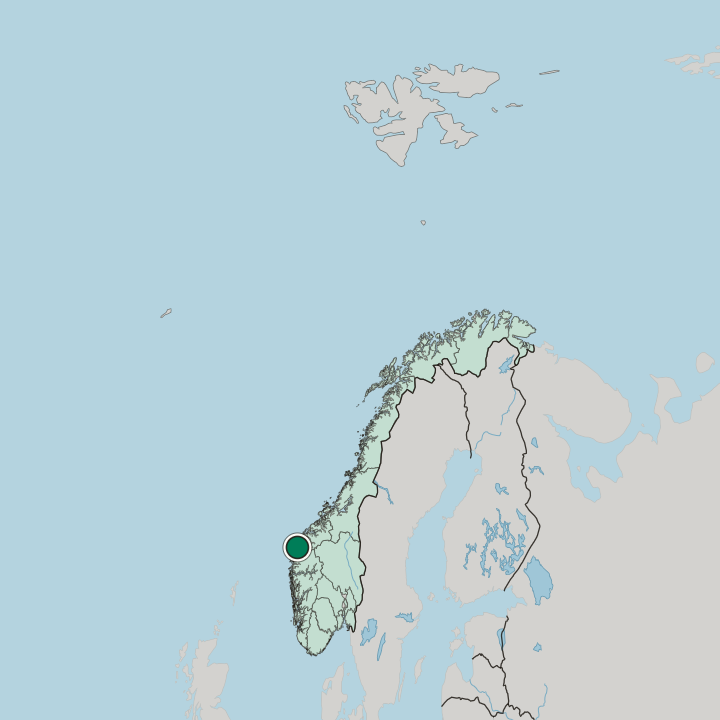
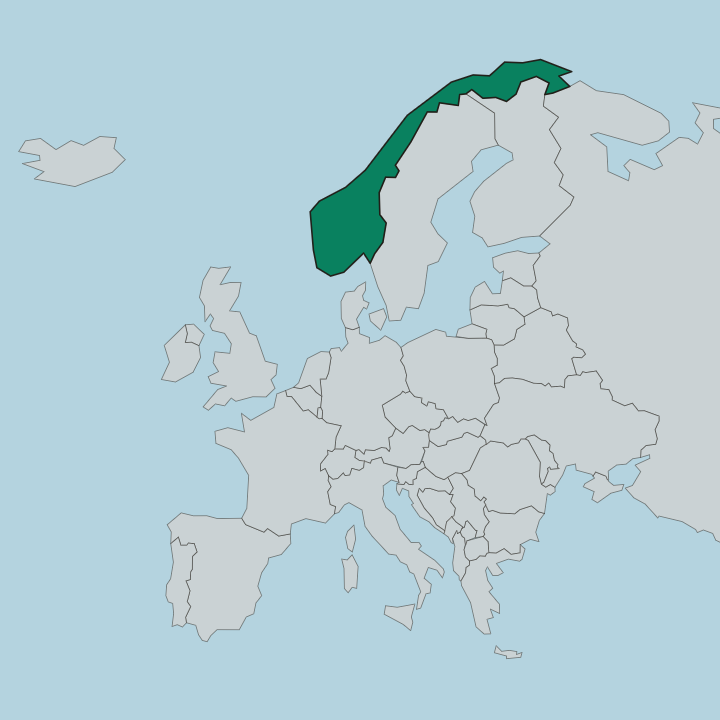
Fiskå is a small village in western Norway (Vestlandet), in the south-western part of Møre og Romsdal, within Vanylven.
Hotel links are affiliate links: booking through them may earn us a commission, at no extra cost to you. It never affects how places are ranked. How this works


Where to stay in Fiskå
The practical side of choosing where to sleep.
Fiskå offers little in the way of lodging. This is the small village centre of Vanylven, in the south-western part of Møre og Romsdal, so the handful of rooms gather in and around the village rather than spreading across a built-up resort, and any traveller planning a night here should book before arriving rather than count on finding a vacancy. Stay here for the country churches.
The character of the place suits drivers touring the parish churches of the district, from Sankt Jetmund kirke near the village to Åram kirke and Syvde kirke out across western Norway (Vestlandet), at the unhurried pace the area invites. Visitors who want a wider choice of hotels generally base in the larger towns of Møre og Romsdal and treat Fiskå as a stop on a church-and-coast route through Vanylven. Rooms tighten in summer.
Book well ahead, because a small village keeps no surplus of beds beyond its own modest need and the seasonal trade that passes through.
Find hotels in Fiskå
Direct booking search for this neighbourhood.
Hotel links are affiliate links: booking through them may earn us a commission, at no extra cost to you. It never affects how places are ranked. How this works
About Fiskå
What is Fiskå known for?
Fiskå is known as the small centre of Vanylven, in the south-western part of Møre og Romsdal. It is one of the village communities of western Norway (Vestlandet), and the four parish churches scattered across the surrounding district give it more of a draw than its size alone would suggest. Sankt Jetmund kirke is the best known.
Travellers who stop here come for the country churches and the quiet of this corner of Vestlandet rather than for a town.
What are the main landmarks in Fiskå?
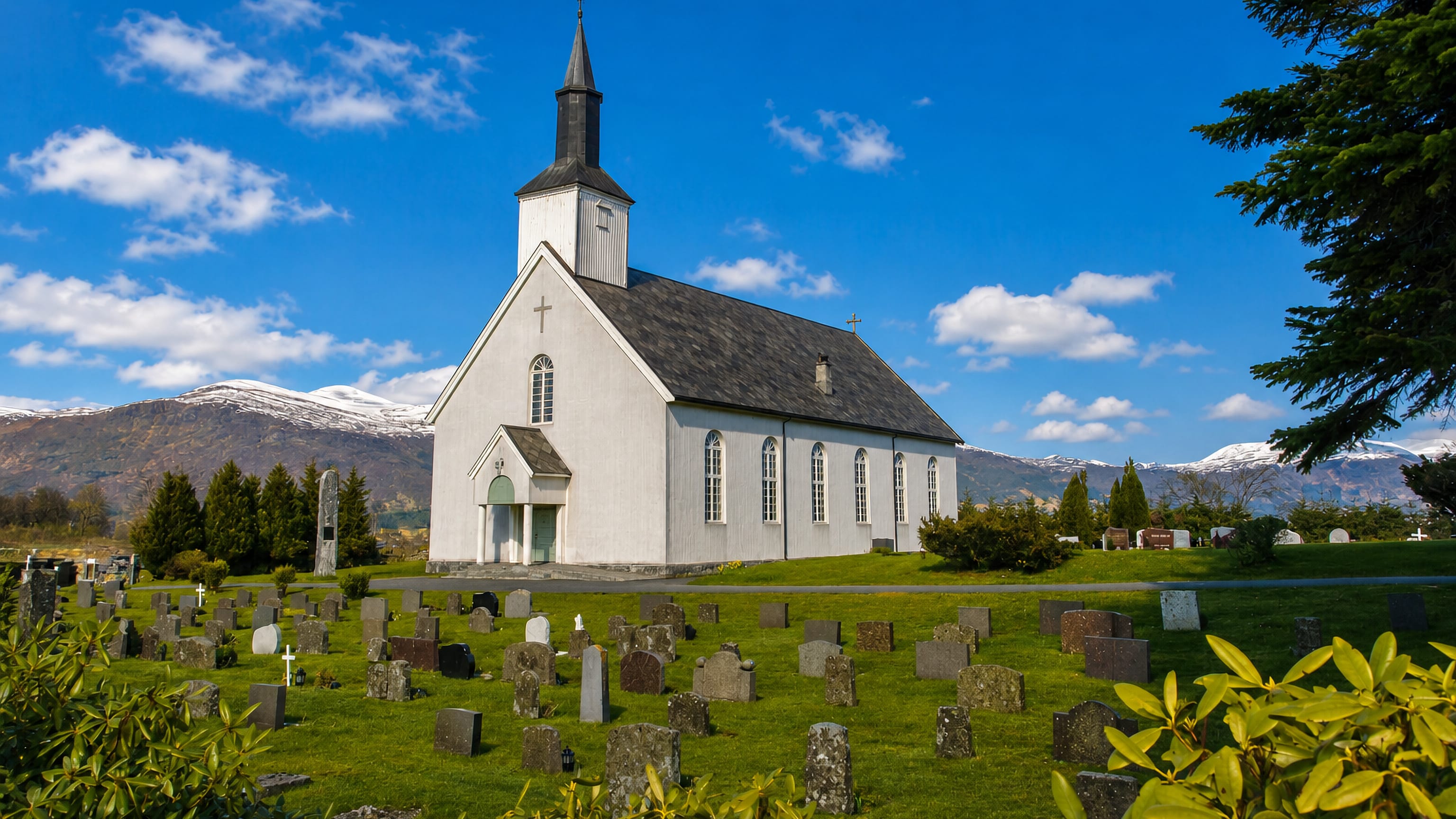
The parish churches are the sights here. Sankt Jetmund kirke, raised in 1864 and held as a protected heritage building, stands near the village and is the best known of the four, while Åram kirke, Syvde kirke, and Vanylven kirke are scattered across the wider district of Vanylven, each a listed church serving its own part of this corner of Møre og Romsdal. The churches carry the history.
Beyond them the draw is the country itself, the quiet land of western Norway (Vestlandet) around Fiskå rather than any larger monument.
What is the history of Fiskå?
Fiskå grew as a village and parish centre rather than a town. Its story is the story of the scattered farming and fishing communities of Vanylven, in the south-western part of Møre og Romsdal, where the parish churches gathered the people of each district long before any larger settlement formed. The churches mark that past.
Sankt Jetmund kirke, built in 1864, stands among the older listed churches of the district, and the line of parish churches across the country around Fiskå records how the people of this corner of western Norway (Vestlandet) settled and worshipped in scattered communities rather than a single centre. There was never a great industry here. The village took its shape from the land and the sea around it, a small centre serving the surrounding farms and shores of Vanylven, and its identity shifted with the administrative changes that have reorganised the municipalities of Møre og Romsdal over the years.
Fiskå kept its village footing through all of it. It remains a small place, its history written into the parish churches and the working country of Vestlandet rather than into any town record.
Where is Fiskå?
Fiskå lies in the south-western part of Møre og Romsdal, the small centre of Vanylven in western Norway (Vestlandet). This is coastal and valley country, where the land of the district runs down toward the sea that defines so much of the surrounding region. The village sits among scattered settlements.
Roads thread between Fiskå and the parish communities around it, past Sankt Jetmund kirke and the other churches, and the wider country of Vestlandet frames the village on every side.
What is the climate of Fiskå?
Fiskå has the mild, wet weather of coastal Vestlandet. Open to the damp Atlantic air that crosses western Norway (Vestlandet), it sees a steady share of rain through the year and winters kept softer than the inland districts of Møre og Romsdal by the nearness of the sea. Gales arrive straight off the sea.
Summers stay cool and green around Fiskå and the parish churches of Vanylven, and the long northern daylight of the season keeps the country bright late into the evening.
How do you get to Fiskå?
The road is the only way in. Fiskå lies in the south-western part of Møre og Romsdal, the small centre of Vanylven reached by the coastal and valley roads that cross this corner of western Norway (Vestlandet), so most travellers arrive by car, bus, or the ferries that serve the wider district. No railway reaches this corner of the coast.
Drivers come from the larger towns of Møre og Romsdal, threading the country past the parish churches, and the trip is as much about the coast and villages crossed as about the distance covered.
Common questions
What is the best area to stay in Fiskå?
Fiskå village centre: drivers touring the parish churches of Vanylven.
Good for
More cities in Møre og Romsdal fylke
Updated September 2026