Norway · Møre og Romsdal fylke
Where to Stay in Hornindal, Møre og Romsdal fylke
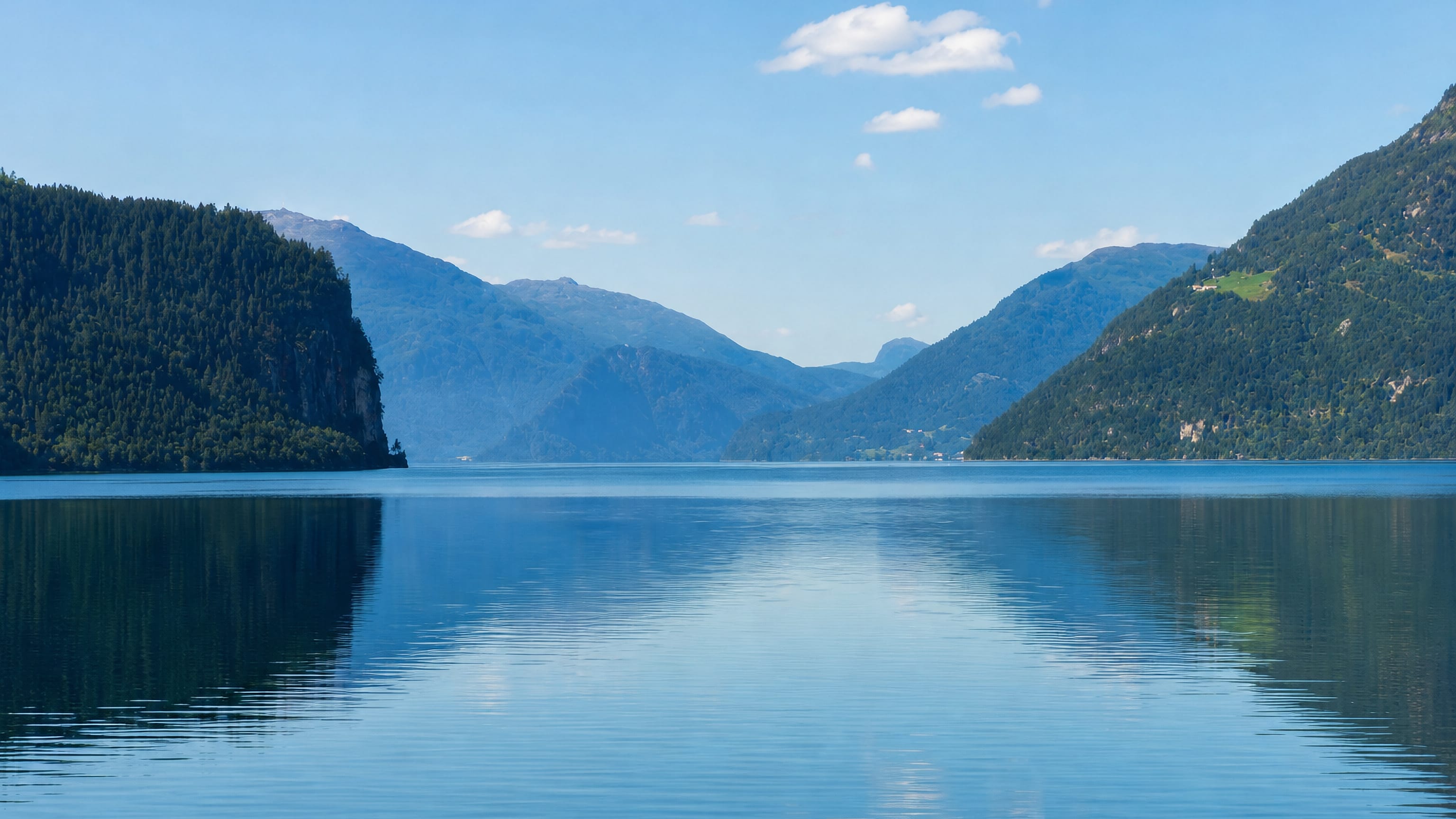
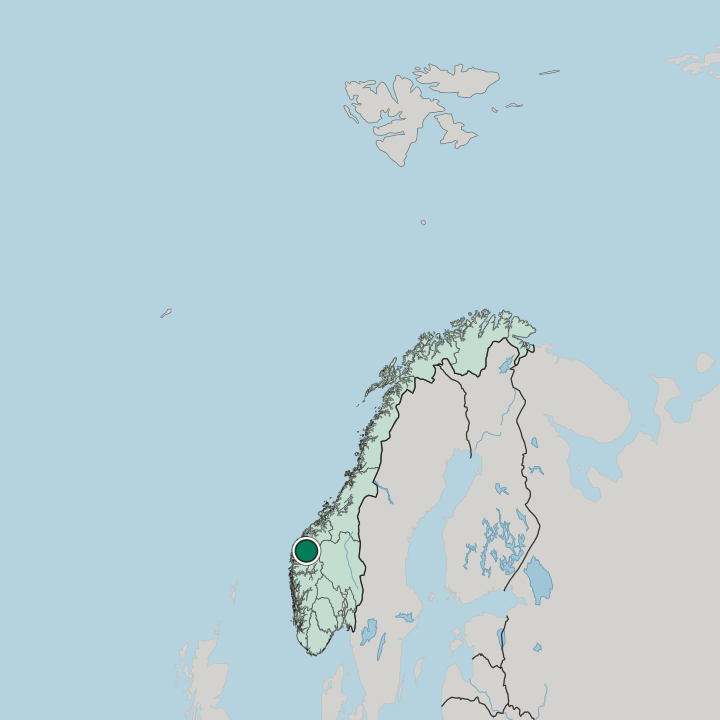
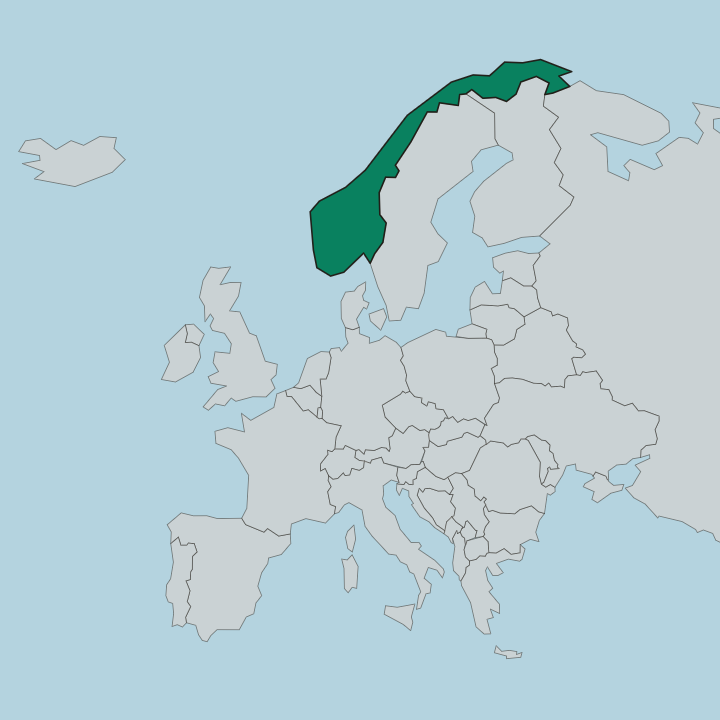
Hornindal sits at the eastern end of Hornindalsvatnet in western Norway, a former Nordfjord municipality absorbed into Volda in 2020.
Hotel links are affiliate links: booking through them may earn us a commission, at no extra cost to you. It never affects how places are ranked. How this works


Where to stay in Hornindal
Where visitors usually base themselves, and why.
Grodås is where the beds are. The village served as the administrative centre of Hornindal for as long as the municipality existed, and it remains the natural base for anyone spending a night at the eastern end of Hornindalsvatnet. Hornindal kirke and the Anders Svor Museum are the two places most visitors set out to see.
Beyond Grodås the old municipality is water and valley, with the ground rising away from Hornindalsvatnet and little in the way of a second centre to choose between. Nordfjord is the older label for this countryside, and it still tells a traveller more about the valley than any county boundary does. Volda Municipality holds the area, which widens the practical choice considerably: travellers willing to drive can base themselves anywhere in Møre og Romsdal and reach the lake, while Eid Municipality lies along the rest of the water.
Beds in Grodås are limited. Booking early matters most in summer, when Hornindalsvatnet draws people to the Nordfjord valleys and the small stock of rooms in the valley fills quickly. A stay here suits travellers who want deep water, a quiet valley, and the two named sights of Hornindal rather than a town at the end of the day.
Find hotels in Hornindal
Direct booking searches for these neighbourhoods.
Grodås
The village that served as Hornindal's administrative centre, and the only settlement in the valley with rooms rather than open ground. Beds are limited here, so book early.Find hotels in Grodåsnights beside the deepest lake in Northern EuropeHornindalsvatnet shore
The eastern end of Hornindalsvatnet, where the old Hornindal municipality met water that Eid Municipality holds for the rest of its length. Rooms are few around here — worth securing early.Find hotels in Hornindalsvatnet shorea wider choice of rooms within driving reach of NordfjordVolda
The municipality that took in Hornindal's ground, offering beds elsewhere in Møre og Romsdal for travellers willing to drive to the lake.Find hotels in VoldaHotel links are affiliate links: booking through them may earn us a commission, at no extra cost to you. It never affects how places are ranked. How this works
About Hornindal
What is Hornindal known for?
Hornindalsvatnet is the deepest lake in Northern Europe, and the old Hornindal municipality occupied its eastern end while Eid Municipality held the rest of the water. Grodås was the administrative centre. Hornindal kirke and the Anders Svor Museum are the two named draws, and the Nordfjord district around them gives the valley its older identity, older than any of the boundary changes.
Volda Municipality took the ground in 2020.
What are the main landmarks in Hornindal?
Hornindal kirke is the valley's church, and it carries the old municipality's name. The Anders Svor Museum is the other fixed point, and between the two of them they account for most of what a visitor to Hornindal comes to look at indoors. Outdoors it is the lake.
Hornindalsvatnet takes the outdoor attention, deep enough to hold the record for Northern Europe, and the stretch that belonged to Hornindal is its eastern end.
What is the history of Hornindal?
Hornindal has been made and unmade twice. The municipality was established in 1867 and lasted until 1965, when it was dissolved, and then it was re-established in 1977 and ran for another stretch before it was dissolved again in 2020. Sogn og Fjordane held it through both.
Nordfjord is the older frame, the traditional district that sat under every county arrangement the valley has been given and outlasted all of them. Grodås carried the administrative work in both incarnations, while the boundaries around it were drawn, erased, and drawn again. The dissolution in 2020 moved the ground into Volda Municipality and, with it, out of Sogn og Fjordane and into Møre og Romsdal, so the valley changed county without moving an inch.
The lake did not change. Hornindalsvatnet still runs from the old Hornindal ground into Eid Municipality, and it is still the deepest lake in Northern Europe, whatever is written on the map above it. The Anders Svor Museum keeps the name in circulation.
Hornindal survives as the name of the valley and the church rather than as a unit of government.
Where is Hornindal?
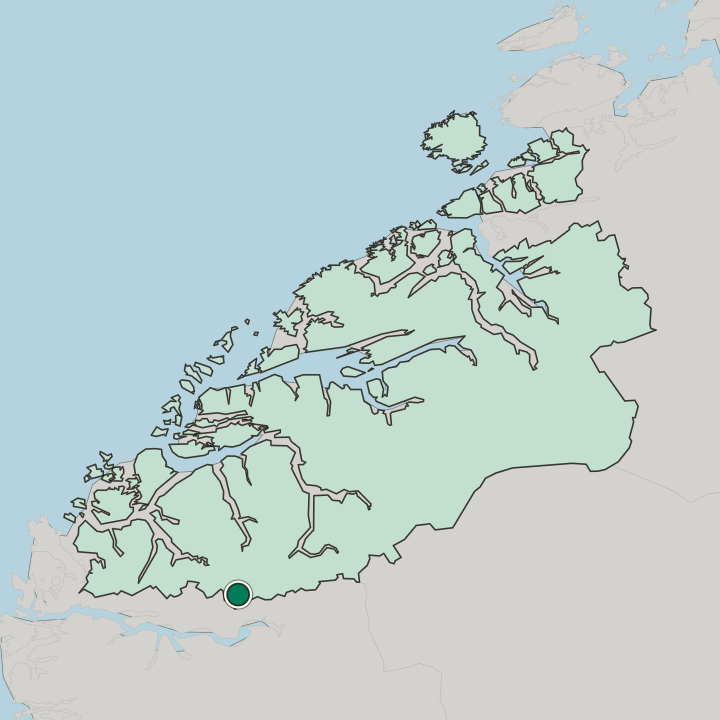
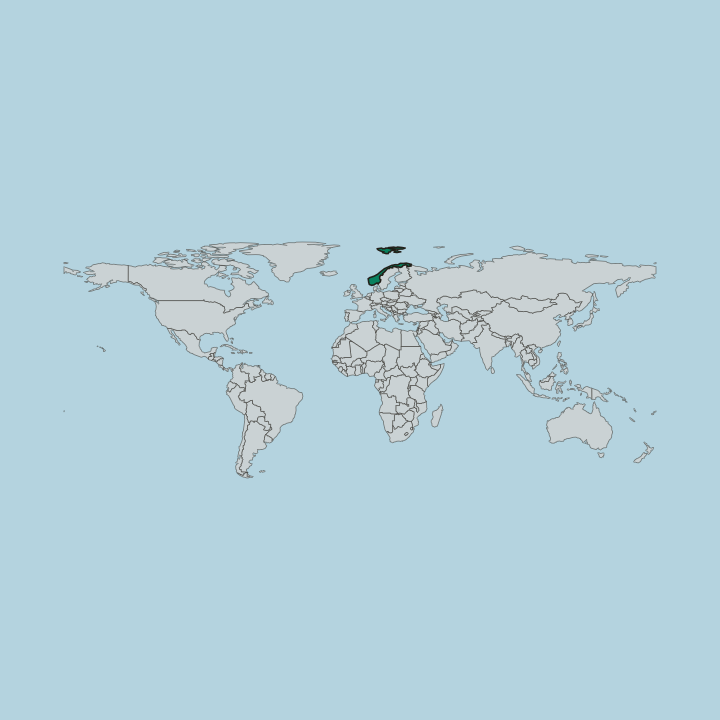
The old municipality covers the ground at the eastern end of Hornindalsvatnet, in the south-western part of Møre og Romsdal, within the traditional district of Nordfjord in western Norway. Water and valley split it. Hornindalsvatnet continues into Eid Municipality, so only its eastern end belongs here, and the rest of the old Hornindal is the valley ground gathered around Grodås.
Volda Municipality draws the outer line.
What is the climate of Hornindal?
Hornindalsvatnet is deep enough that it takes a long time to warm and a long time to cool, which softens the edges of both seasons for the ground at its eastern end. Depth holds the temperature steady. Weather reaches the valley off the open ocean through Nordfjord, and rain is a normal condition rather than an interruption.
Summers by the water stay cool.
How do you get to Hornindal?
Arrival is by road. Grodås is the point of arrival, and the routes in come either along Hornindalsvatnet from Eid Municipality or from the rest of Volda Municipality, which the old Hornindal ground now belongs to. Nordfjord is the district a traveller is crossing to get here.
Distances inside the old municipality are small, so a base at Grodås puts Hornindal kirke, the Anders Svor Museum, and the lake shore within a short drive of one another.
Common questions
What is the best area to stay in Hornindal?
Grodås: the old administrative centre at the head of Hornindalsvatnet. Hornindalsvatnet shore: nights beside the deepest lake in Northern Europe. Volda: a wider choice of rooms within driving reach of Nordfjord.
Good for
More cities in Møre og Romsdal fylke
Updated September 2026