Norway · Møre og Romsdal fylke
Where to Stay in Larsnes, Møre og Romsdal fylke
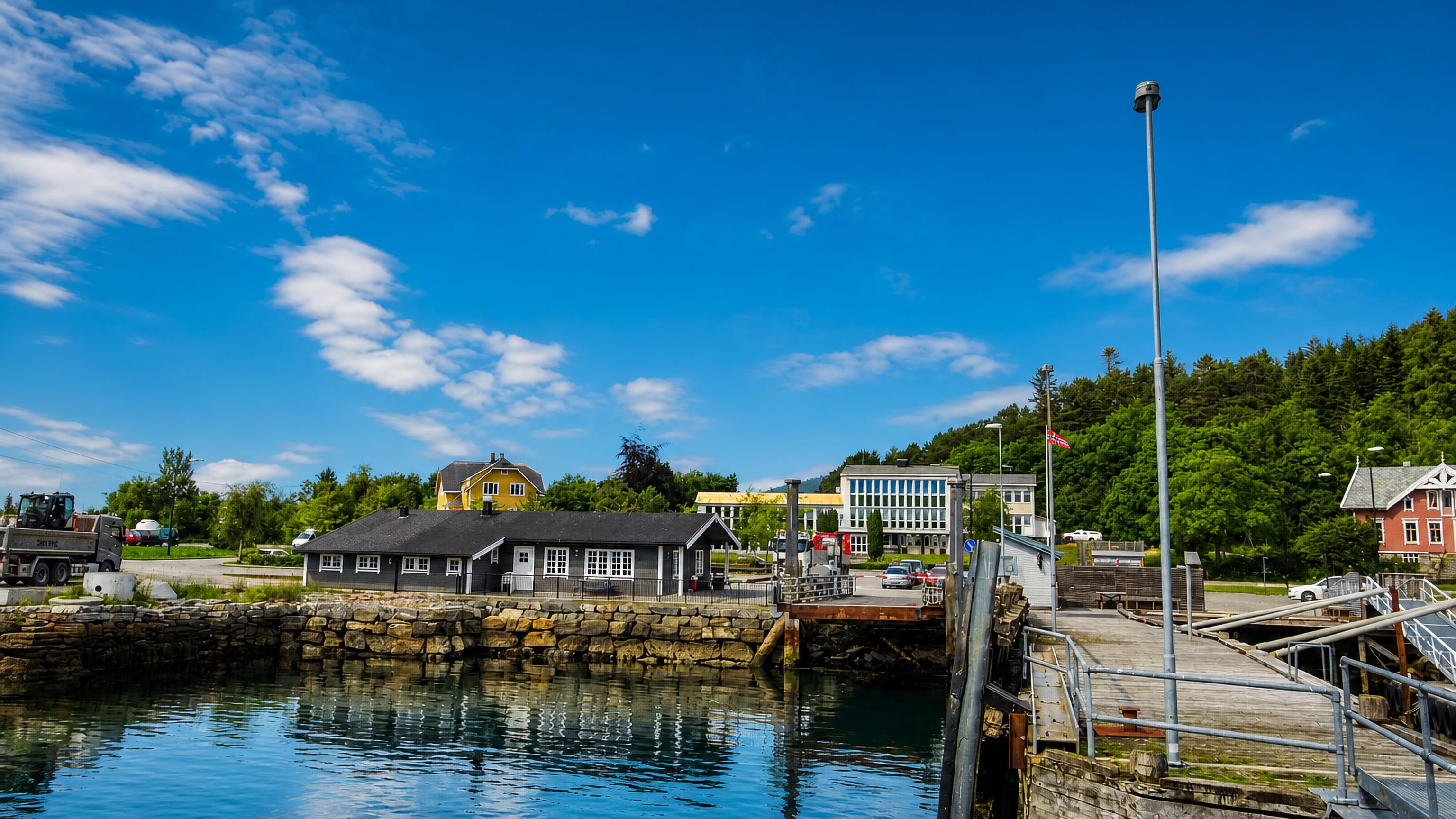
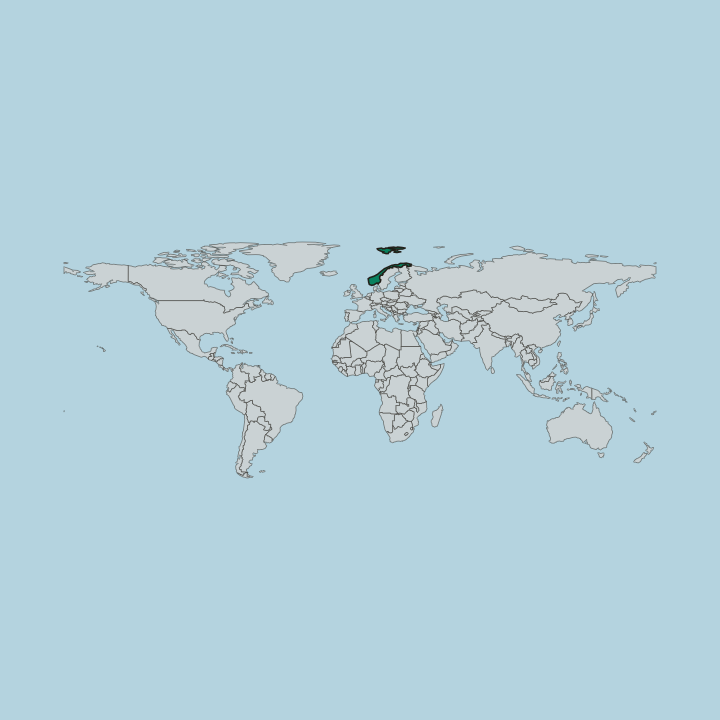
Larsnes is the administrative centre of Sande in Møre og Romsdal, an island village on the southwest side of Gurskøya.
Hotel links are affiliate links: booking through them may earn us a commission, at no extra cost to you. It never affects how places are ranked. How this works


Where to stay in Larsnes
The practical side of choosing where to sleep.
Beds are scarce out on Gurskøya. Larsnes is a small island administrative village rather than a resort, so a traveller will find only a handful of rooms here on the southwest side of the island, enough for someone touring the Sande islands or waiting on a ferry. Stay for the island crossings.
Larsnes suits a visitor who wants the outer-island world of western Norway (Vestlandet) over a mainland town, a base by the harbour for the neighbouring islands. The wider region holds the fuller choice. Ulsteinvik keeps the nearest town hotels, and the islands around Sande add scattered farm and harbour lodging across Møre og Romsdal. Stay on the island for the ferries.
Head to Ulsteinvik for selection.
Find hotels in Larsnes
Direct booking searches for these neighbourhoods.
The Larsnes harbour on Gurskøya
rooms by the Larsnes harbour on the southwest side of Gurskøya where the island boats depart. Beds are limited here, so book early.Find hotels in The Larsnes harbour on Gurskøyayou prefer farm and harbour lodging out among the outer islandsThe Sande islands
scattered island rooms across the Sande group. Rooms are few around here — worth securing early.Find hotels in The Sande islandsyou need a town with a fuller choice of hotelsUlsteinvik for selection
the larger town holding the nearest hotel rangeFind hotels in Ulsteinvik for selectionHotel links are affiliate links: booking through them may earn us a commission, at no extra cost to you. It never affects how places are ranked. How this works
About Larsnes
Larsnes is a working village.
What is Larsnes known for?
Fish processing, fish farming, manufacturing and cement production keep it going.
What are the main landmarks in Larsnes?
Three churches mark the Sande islands. Larsnes Church stands in the village itself, while Gursken Church and Sande Church hold their own corners of the island district, the chief built landmarks of this part of Møre og Romsdal. The sea is the real sight.
The open water around Gurskøya, the ferry wakes between the islands, and the ring of outer islands give Larsnes its island frame in western Norway (Vestlandet), a harbour village set among the skerries.
What is the history of Larsnes?
Larsnes grew where the boats could land. The settlement took shape on the sheltered southwest side of Gurskøya, the spot on the outer islands of Sande where a harbour could serve the surrounding skerries, and the building of Larsnes Church gave the island farms a centre to gather around. Faith spread island by island.
Gursken Church and Sande Church rose in their own parishes across the district, so the Sande country grew as a scattering of island congregations rather than a single town in this corner of Møre og Romsdal. The harbour drew the offices to itself. As the ferries knit the islands together, Larsnes became the administrative centre of Sande, the place from which the crossings to the neighbouring islands run.
The sea kept the village outward-facing. Larsnes held its role as an island harbour and ferry point on the edge of western Norway (Vestlandet), a working settlement of the outer coast rather than an inland town.
Where is Larsnes?
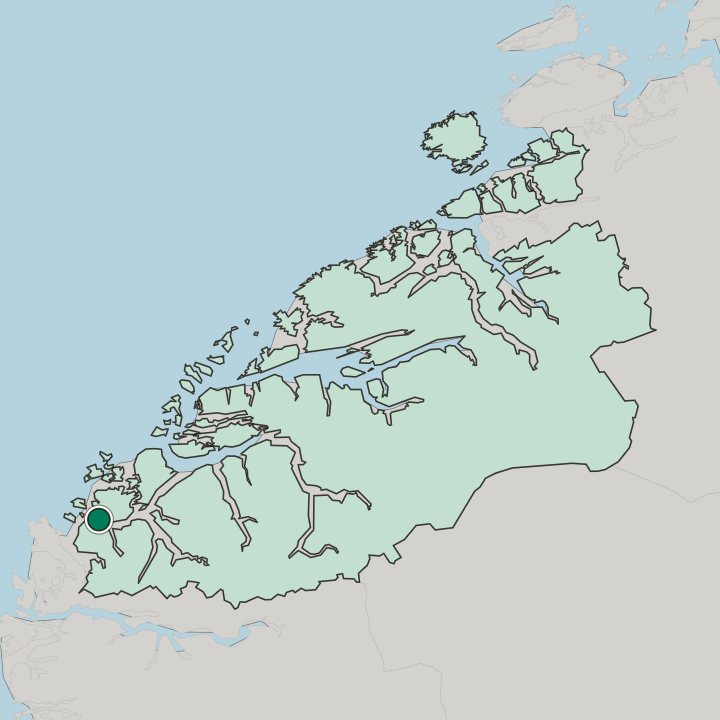
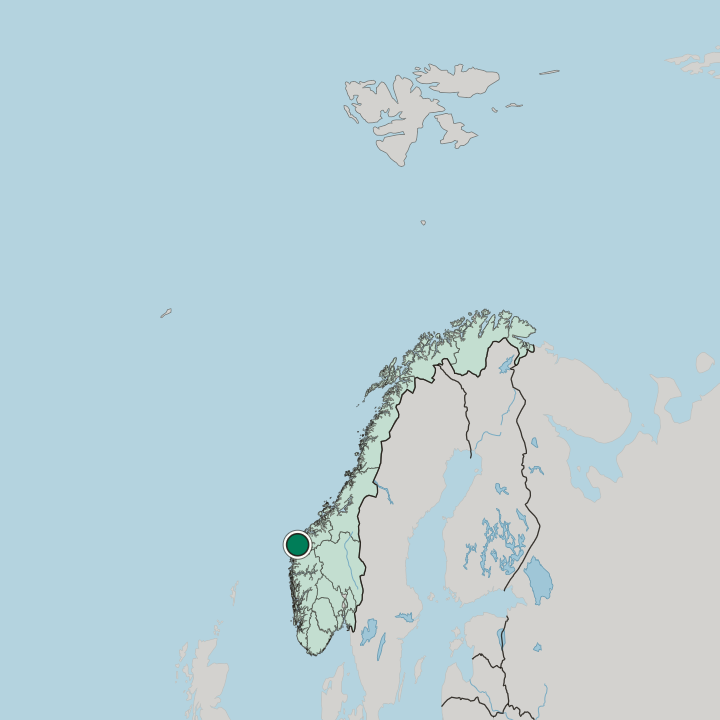
Larsnes sits on the southwest side of Gurskøya. The village faces the open sea among the outer islands of western Norway (Vestlandet), in the south-western part of Møre og Romsdal where the coast breaks into a scatter of islands and sounds. Water surrounds it on every side.
The island of Kvamsøya lies about 8 kilometres to the west, the town of Ulsteinvik about 25 kilometres to the north-east, and the channels of the Sande group run between the skerries, so Larsnes reads as an outer-island harbour rather than a sheltered fjord-head settlement.
What is the climate of Larsnes?
The open sea rules the island. Out on the southwest side of Gurskøya, Larsnes sees the wet and windy mild weather of the outer islands of western Norway (Vestlandet), where the ocean moderates the winters and frost rarely takes hold but storms blow hard across the exposed coast. Wind and rain set the tone.
Cloud rolls in off the sea around Kvamsøya for much of the year, leaving the island shores of Sande green and grey rather than frozen, milder than the inland fjords of Møre og Romsdal but far more exposed.
How do you get to Larsnes?
You reach Larsnes by boat and bridge. The village sits on the southwest side of Gurskøya in the south-western part of Møre og Romsdal, tied to its neighbours by the ferries and island links of western Norway (Vestlandet). Crossings run from the harbour.
Common questions
What is the best area to stay in Larsnes?
The Larsnes harbour on Gurskøya: you want to stay in the administrative centre of Sande itself. The Sande islands: you prefer farm and harbour lodging out among the outer islands. Ulsteinvik for selection: you need a town with a fuller choice of hotels.
Good for
More cities in Møre og Romsdal fylke
Updated October 2026