New Zealand · Manawatu-Wanganui
Where to Stay in Palmerston North, Manawatu-Wanganui
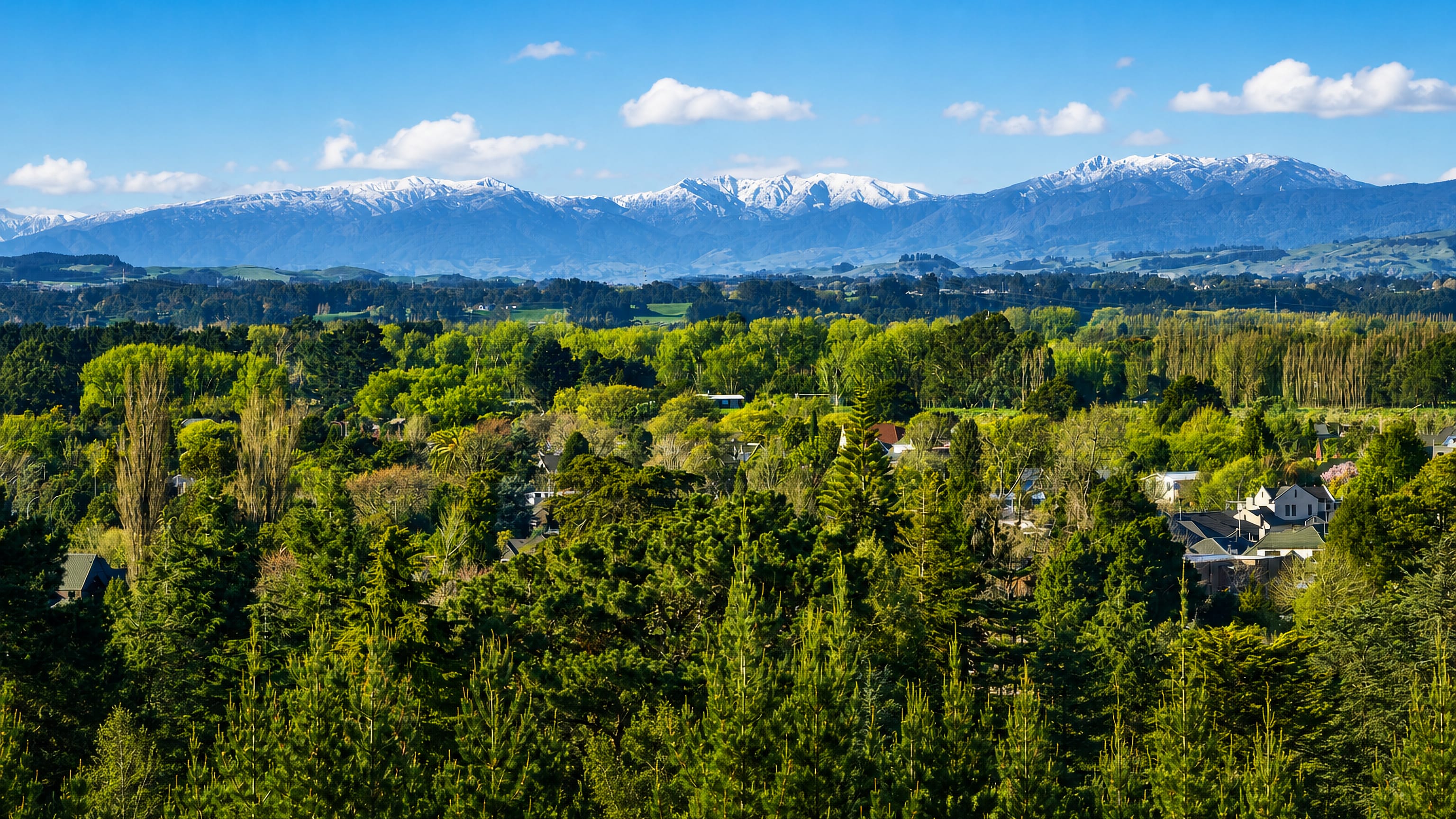
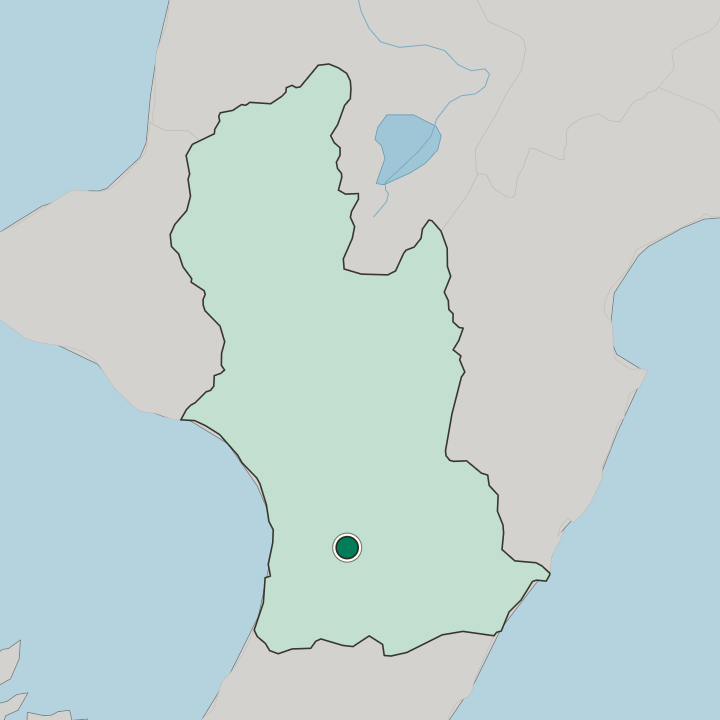
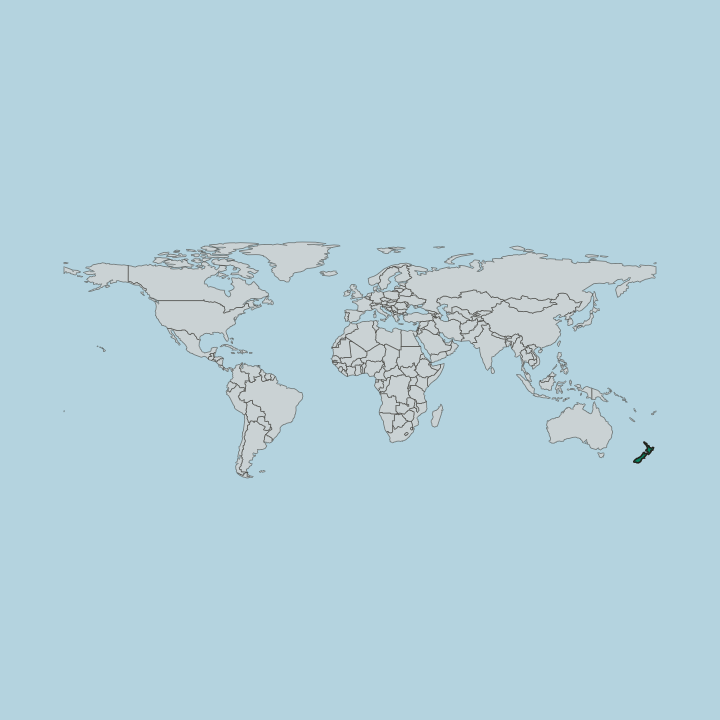
Palmerston North is the seat of Manawatū-Whanganui, a university city on the Manawatū Plains near the north bank of the Manawatū River.
Hotel links are affiliate links: booking through them may earn us a commission, at no extra cost to you. It never affects how places are ranked. How this works


Where to stay in Palmerston North
The right area depends on your trip — here's what each neighbourhood is best for.

 Palmerston NorthNew Zealand
Hokowhitu
Hokowhitu is a riverside suburb of Palmerston North, where Caccia Birch House, All Saints' Church and Wildbase Recovery stand.Where to stay → Palmerston NorthNew Zealand
West End
West End is a suburb of Palmerston North, holding Te Manawa, the New Zealand Rugby Museum and All Saints' Church.Where to stay → Palmerston NorthNew Zealand
Milson
Milson is a Palmerston North suburb lying north of the city, on the far side of the North Island Main Trunk Rail.Where to stay →Palmerston NorthNew ZealandAwapuni
Awapuni is a suburb of Palmerston North in Manawatū-Whanganui, New Zealand, known across the country for the Awapuni Racecourse.Where to stay →Hotel links are affiliate links: booking through them may earn us a commission, at no extra cost to you. It never affects how places are ranked. How this works
Find hotels in Palmerston North
Direct booking searches for these neighbourhoods.
Around Te Manawa
Te Manawa and the New Zealand Rugby Museum fall inside one walkFind hotels in Around Te ManawaCampus business and graduation weekendsThe Massey University side
Massey University and Wildbase Recovery are the near neighbours here. Beds are limited here, so book early.Find hotels in The Massey University sideQuiet residential nights in Palmerston NorthRanfurly Street and Ruahine Street
Listed houses on Ranfurly Street and Ruahine Street, minutes from the museumsFind hotels in Ranfurly Street and Ruahine StreetHotel links are affiliate links: booking through them may earn us a commission, at no extra cost to you. It never affects how places are ranked. How this works
Things to do in Palmerston North
Ranked by global recognition; descriptions from Wikidata (CC0).
Museums & Galleries
1- Te Manawa
Churches & Religious Sites
2- All Saints' Church Heritage
- St Peter's Anglican Church
Landmarks & Notable Places
8- Caccia Birch House Heritage
- Concrete log cabin Heritage
- Ansett Tower (Former T & G Building) Heritage
- House (Formerly Guy Homestead) Heritage
- House (40 Ranfurly Street) Heritage
Show 3 more →
- Kaingahou Heritage
- House (239 Ruahine Street) Heritage
- House (241 Ruahine Street) Heritage
worth knowingacross 3 categories in Palmerston North
About Palmerston North
Students give the city its character.
What is Palmerston North known for?
The largest campuses of Massey University, the Universal College of Learning, and the Institute of the Pacific United all sit here, and the effect on the streets, the cafés, and the calendar is greater than in most New Zealand cities of comparable size. The New Zealand Rugby Museum is the other draw. Te Manawa carries the museum collections for everyone else.
What are the main landmarks in Palmerston North?
Te Manawa heads the list. The New Zealand Rugby Museum follows, All Saints' Church and St Peter's Anglican Church mark the older congregations, and Caccia Birch House and Kaingahou stand among the named residences the city protects. One tower carries a former name.
The Ansett Tower, formerly the T & G Building, rises over a centre that also holds the Coronation Memorial Fountain, the Te Peeti Awe Awe Memorial, a concrete log cabin, and Wildbase Recovery.
What is the history of Palmerston North?
The city dates from 1877. Palmerston North grew on the Manawatū Plains within reach of the Manawatū Gorge, whose far end lies about 12 km off, and the river and the gorge between them set the routes that the early town depended on. Names came from two directions.
Te Manawa, Kaingahou, and the Te Peeti Awe Awe Memorial keep Māori names in the middle of a city that otherwise carries an English one, while All Saints' Church and St Peter's Anglican Church stand for the settler congregations of the same century. Education reshaped the place later. The largest campuses of Massey University, the Universal College of Learning, and the Institute of the Pacific United turned a regional service town into a student city, and the administrative work of the Manawatū-Whanganui seat carried on beside it.
Buildings record the shifts. The Ansett Tower, formerly the T & G Building, and the listed houses along Ranfurly Street and Ruahine Street belong to the town's later street stock, while Caccia Birch House and the former Guy Homestead carry the names of earlier households. Palmerston North remains a city of the plains rather than of the coast, about 140 km from Wellington and some 35 km from the mouth of its own river, and those distances explain much of what it does.
Where is Palmerston North?
Flat country, one large river. Palmerston North stands on the Manawatū Plains near the north bank of the Manawatū River, some 35 km from the river's mouth and about 12 km from the end of the Manawatū Gorge. Wellington lies 140 km off.
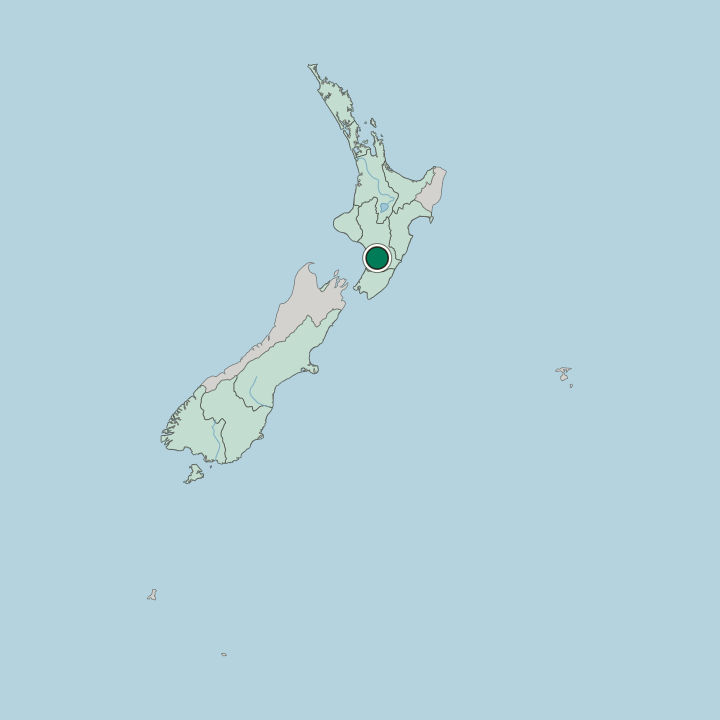
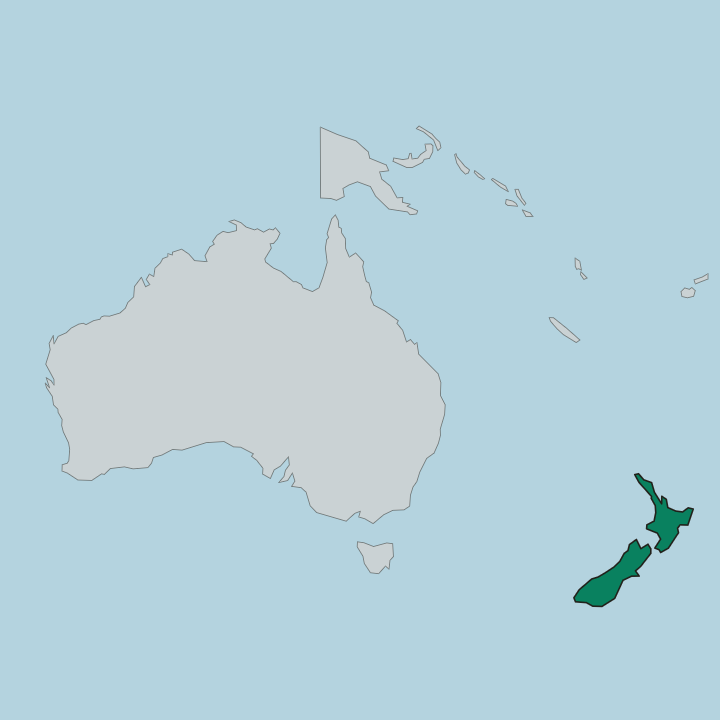
The city holds the seat of Manawatū-Whanganui in the North Island of New Zealand, and its ground gives out into farmland rather than into hills.
What is the climate of Palmerston North?
Wind is the local complaint. Air moving between the open plains and the Manawatū Gorge crosses Palmerston North with little to check it, and the temperate pattern of the North Island keeps summer heat and winter cold inside narrow limits either way. Frosts stay light.
Rain is spread through the year rather than saved for one season.
How do you get to Palmerston North?
Wellington is the usual starting point. The run covers about 140 km, while the route through the Manawatū Gorge brings traffic in from the opposite side, and between them those two approaches account for most arrivals. Flat ground makes driving simple.
Once here, the short distances mean a car is optional for anything between Te Manawa, the New Zealand Rugby Museum, and Massey University.
Common questions
What is the best area to stay in Palmerston North?
Around Te Manawa: Museum days at Te Manawa and the Rugby Museum. The Massey University side: Campus business and graduation weekends. Ranfurly Street and Ruahine Street: Quiet residential nights in Palmerston North.
Good for
Updated September 2026