New Zealand
Manawatu-Wanganui, New Zealand — Towns & Travel Guide
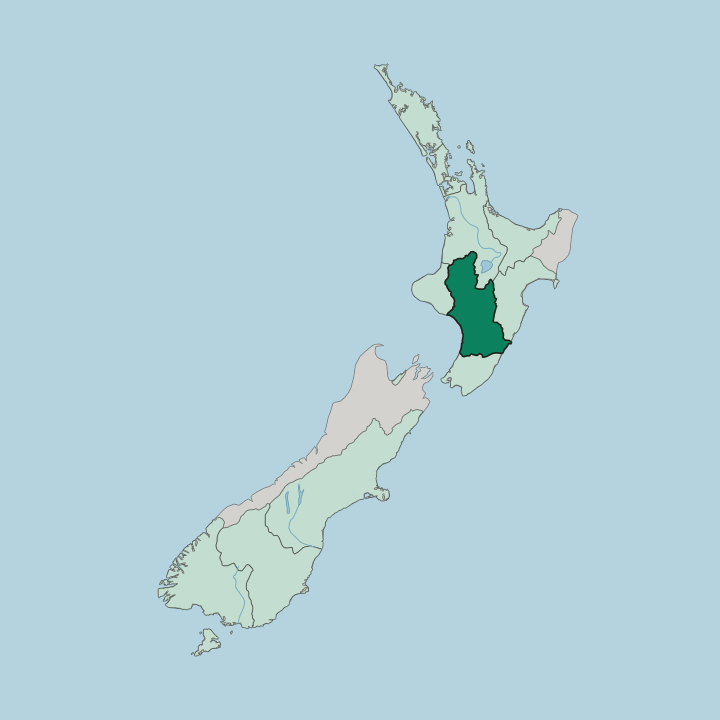
Manawatu-Wanganui sits in the lower half of the North Island, a large New Zealand region whose main centres are Palmerston North and Whanganui.
Hotel links are affiliate links: booking through them may earn us a commission, at no extra cost to you. It never affects how places are ranked. How this works


Towns & cities in Manawatu-Wanganui
One town here has its own guide — it links to where to stay.

 New Zealand
Palmerston North
Palmerston North is the seat of Manawatū-Whanganui, a university city on the Manawatū Plains near the north bank of the Manawatū River.Where to stay →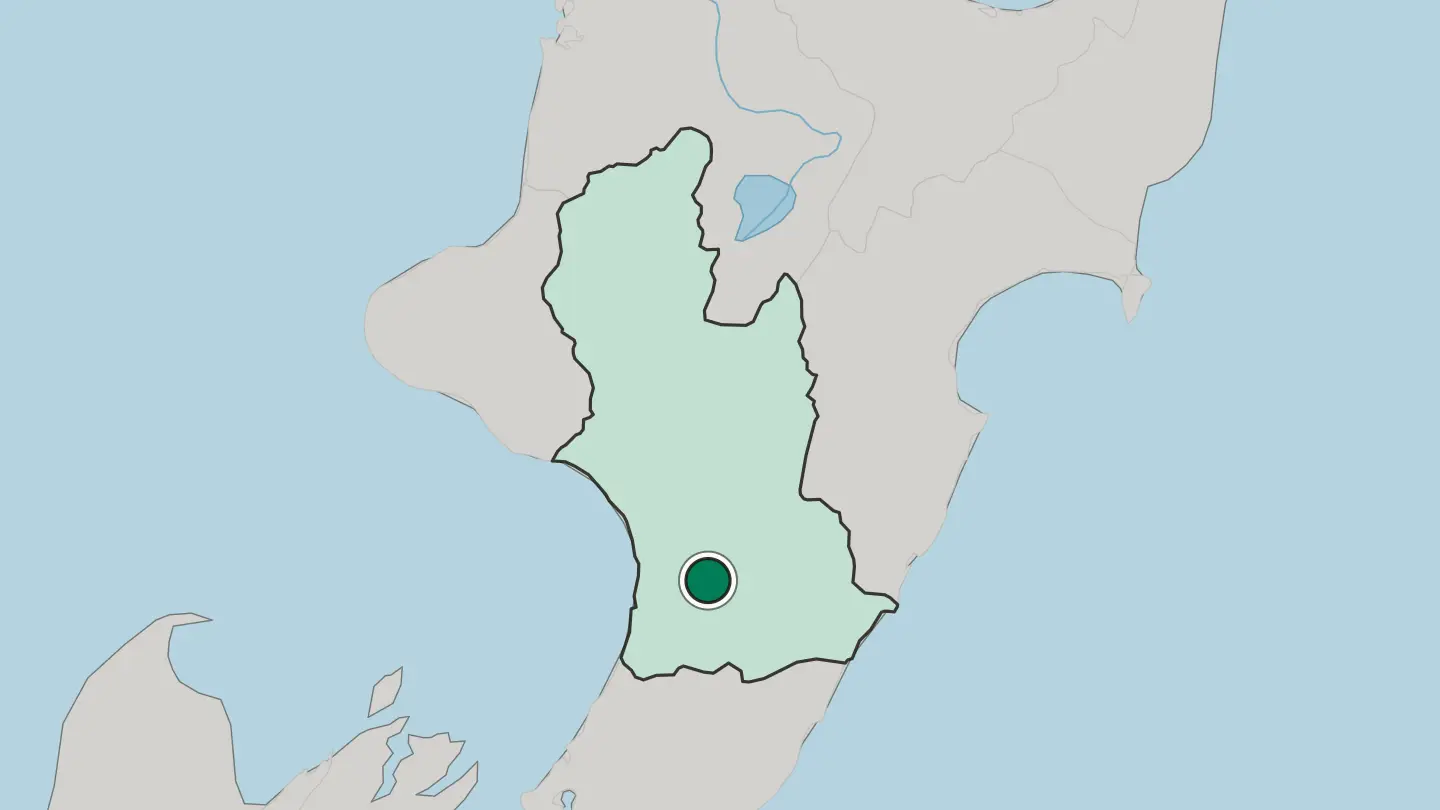
Hotel links are affiliate links: booking through them may earn us a commission, at no extra cost to you. It never affects how places are ranked. How this works
About Manawatu-Wanganui
Size, mostly.
What is Manawatu-Wanganui known for?
Manawatu-Wanganui runs to over twenty-two thousand square kilometres, which makes it the sixth largest region by area in New Zealand, and that scale is the first thing to understand about it. Two cities carry the population. Palmerston North and Whanganui are the main centres, and the rest of the region spreads out well beyond them across ground that takes hours to cross.
The Manawatū-Whanganui Regional Council operates as Horizons Regional Council.
Where is Manawatu-Wanganui?
This is a big region. Manawatu-Wanganui takes in over twenty-two thousand square kilometres of the lower half of the North Island, enough to rank sixth by area among the regions of New Zealand and enough to make internal travel a real consideration. Two cities break the spread.
Palmerston North and Whanganui are the population centres, and everything else in the region sits somewhere between or beyond them. The name records two parts. Manawatu and Wanganui are joined in a single title, and the form used by the regional council, Manawatū-Whanganui, carries macrons and an extra consonant that the shorter spelling leaves out.
The setting is temperate. The region lies well south of the equator on the North Island, so its seasons run in the southern order, with the warm months falling opposite the northern calendar. Boundaries came late.
The region in its present form dates from 1989, and the Manawatū-Whanganui Regional Council has administered it since, operating publicly under the name Horizons Regional Council. Scale shapes everything else. With Palmerston North at one end of the settled pattern and Whanganui at the other, the practical geography here is less about relief than about how long it takes to cross.
What is Manawatu-Wanganui like?
The region wears two names. Manawatu-Wanganui is the plain form, while the Manawatū-Whanganui Regional Council uses the fuller spelling, and the difference between the two marks a region assembled from parts rather than grown out of one centre. Even the council renamed itself.
It operates publicly as Horizons Regional Council, a working title that avoids having to choose between the halves every time the region is addressed. Two centres share the weight. Palmerston North and Whanganui are the main population centres, and neither absorbs the other, so regional life is divided between them in a way that single-city regions of New Zealand do not have to manage.
The countryside holds the balance. Over twenty-two thousand square kilometres of the lower half of the North Island lie outside the two cities, which leaves most of the region rural in character and long in the travelling. 1989 set the frame. Everything the region does administratively runs from that date, when Manawatu-Wanganui took the shape the regional council still works with.
The sixth-largest label sticks. That ranking is one of the few descriptions applying to the whole region at once, rather than to Palmerston North or Whanganui separately.
What is the history of Manawatu-Wanganui?
1989 is the founding date. Manawatu-Wanganui took its present form then, and the Manawatū-Whanganui Regional Council has administered it since, using Horizons Regional Council as its public name. The cities came first.
Palmerston North and Whanganui were established centres before the regional boundary existed, and the region drew its two halves around them rather than the other way about.
What is the climate of Manawatu-Wanganui?
The North Island sets the terms. Manawatu-Wanganui sits in the lower half of it, well south of the equator, which puts the region in the temperate band and reverses its seasons against the northern calendar. Size complicates the picture.
A region running to over twenty-two thousand square kilometres does not have one weather, so conditions at Palmerston North and at Whanganui need not match on the same day.
How do you get to Manawatu-Wanganui?
Palmerston North and Whanganui are the entry points. Both cities function as arrival centres for Manawatu-Wanganui, and which one to aim at depends on where in the lower half of the North Island the trip is actually going. The rest takes driving.
Over twenty-two thousand square kilometres separate the far corners of the region, so onward travel from either city is measured in hours rather than in short hops.
Common questions
What is the best area to stay in Manawatu-Wanganui?
Palmerston North: Days run out of Palmerston North rather than across to Whanganui. Whanganui: Days that start at the Whanganui end of Manawatu-Wanganui instead. The country between: Nights out in the twenty-two thousand square kilometres the two cities do not cover.
Good for
More regions in New Zealand
Updated September 2026