New Zealand · Otago
Where to Stay in Dunedin, Otago
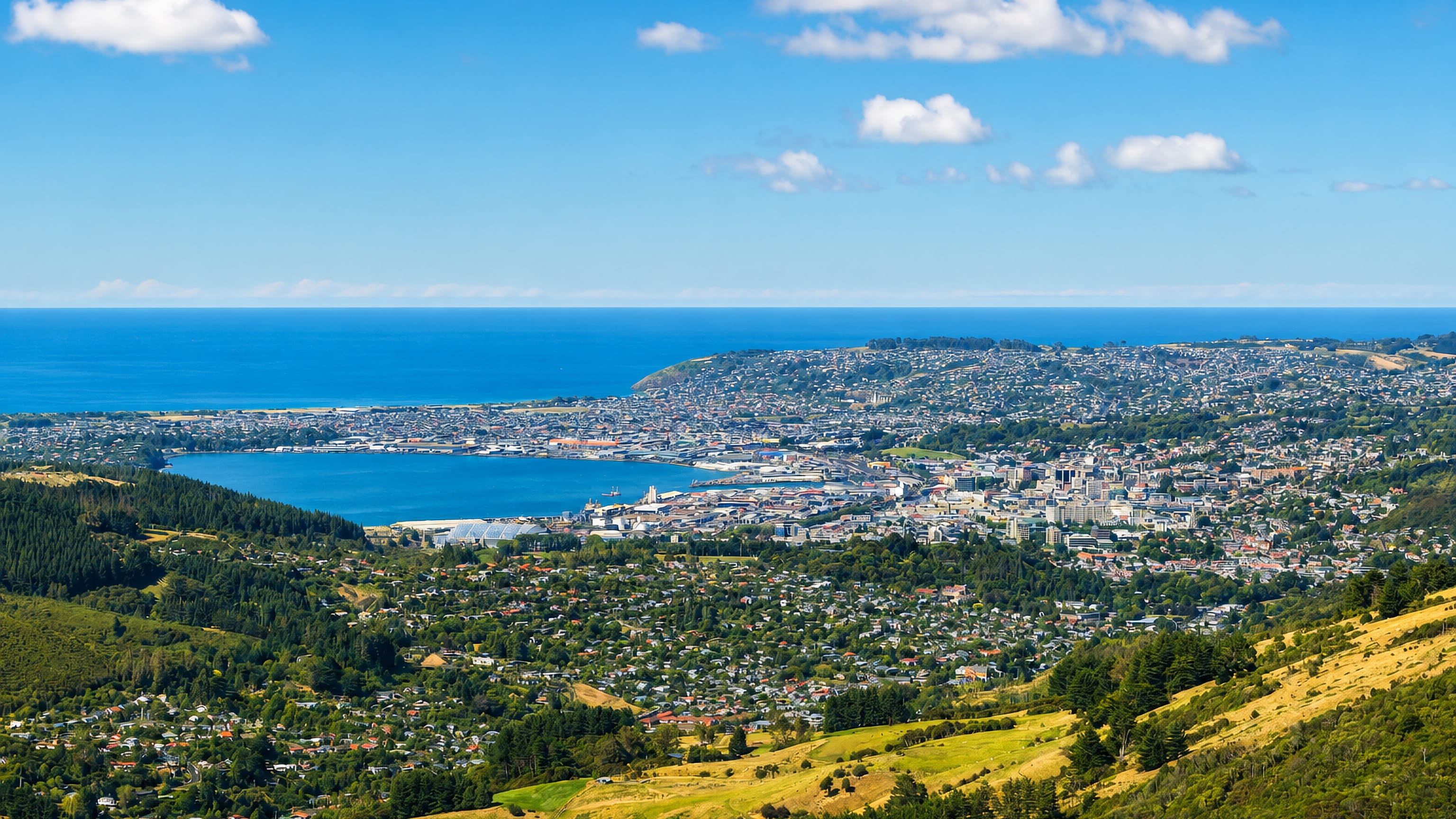
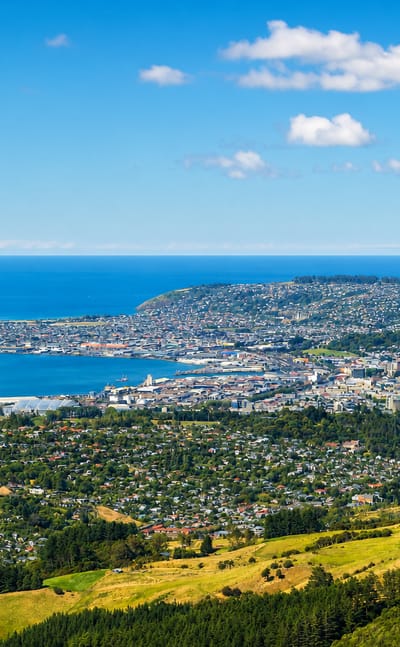
Scottish stone lines Dunedin's harbour, principal city of Otago on the South Island of New Zealand, known for the Otago Museum and First Church of Otago.
Hotel links are affiliate links: booking through them may earn us a commission, at no extra cost to you. It never affects how places are ranked. How this works


Where to stay in Dunedin
One neighbourhood here has its own guide — here's what it is best for.
 DunedinNew ZealandBeach and open Pacific coast east of central Dunedin
Saint Kilda
Saint Kilda trades Dunedin's heritage core for a surf beach on the open Pacific, out where the city meets the sea.Saint Kilda →Hotel links are affiliate links: booking through them may earn us a commission, at no extra cost to you. It never affects how places are ranked. How this works
Find hotels in Dunedin
Direct booking search for this neighbourhood.
Hotel links are affiliate links: booking through them may earn us a commission, at no extra cost to you. It never affects how places are ranked. How this works
Things to do in Dunedin
Ranked by global recognition; descriptions from Wikidata (CC0).
Museums & Galleries
4- Olveston Historic Home Heritage
- Toitū Otago Settlers Museum Heritage
- Otago Museum Heritage
- Dunedin Gasworks Museum Heritage
Churches & Religious Sites
8- First Church of Otago Heritage
- St. Joseph's Cathedral Heritage
- Knox Church Heritage
- St Patrick's Basilica, South Dunedin Heritage
- All Saints Church Heritage
Show 3 more →
- Coptic Orthodox Church Heritage
- Former Holy Trinity Methodist Church, Dunedin Heritage
- St Matthew's Church, Dunedin Heritage
Castles & Historic Sites
2- Cargill Monument Heritage
- Dunedin Corduroy Causeway Heritage
Stadiums & Sports
3- University Oval
- Logan Park
- Edgar Centre
Landmarks & Notable Places
2- F. W. Petre's House (Former) Heritage
- Fitting Shop (Smithy or Purifier House) Heritage
worth knowingacross 5 categories in Dunedin
About Dunedin
What is Dunedin known for?
Dunedin is known as the principal city of the Otago region and the second-most populous city on the South Island of New Zealand. Its Scottish roots run deep. The name comes from Dùn Èideann, the Scottish Gaelic name for Edinburgh, and the city was predominantly settled by Scots, who left their stone churches and civic buildings across the centre.
Known in Māori as Ōtepoti, it sits at the head of a long harbour.
What are the main landmarks in Dunedin?
Dunedin's landmarks are largely the work of its Scottish settlers in stone. The First Church of Otago and Knox Church raise their spires over the centre, while St. Joseph's Cathedral anchors the city's Catholic heritage. The Otago Museum and Toitū Otago Settlers Museum hold the region's collections.
Nearby, the Dunedin Public Art Gallery and the Edwardian mansion of Olveston Historic Home round out the city's built heritage, with the Cargill Monument marking its founders in the centre.
What is the history of Dunedin?
Dunedin's story runs from Māori hunters to Scottish settlers. Archaeological evidence shows Māori had used the area from about 1280, and the place carried the Māori name Ōtepoti long before European arrival. Seal hunters reached the coast around 1790, followed by whalers who worked the harbour until 1826, and the modern city was founded in 1848 and predominantly settled by Scots.
The harbour drew them in. The Scottish settlers gave the city its name and its stone. Dunedin is an anglicised form of Dùn Èideann, the Scottish Gaelic name for Edinburgh, and the settlers raised the First Church of Otago, Knox Church, and the civic buildings that still define the centre.
The Cargill Monument commemorates the city's founders. Dunedin grew into the principal city of the Otago region and the second-most populous on the South Island. Founded in 1848, it wears its Scottish origin in every carved facade.
The stone remembers.
Where is Dunedin?
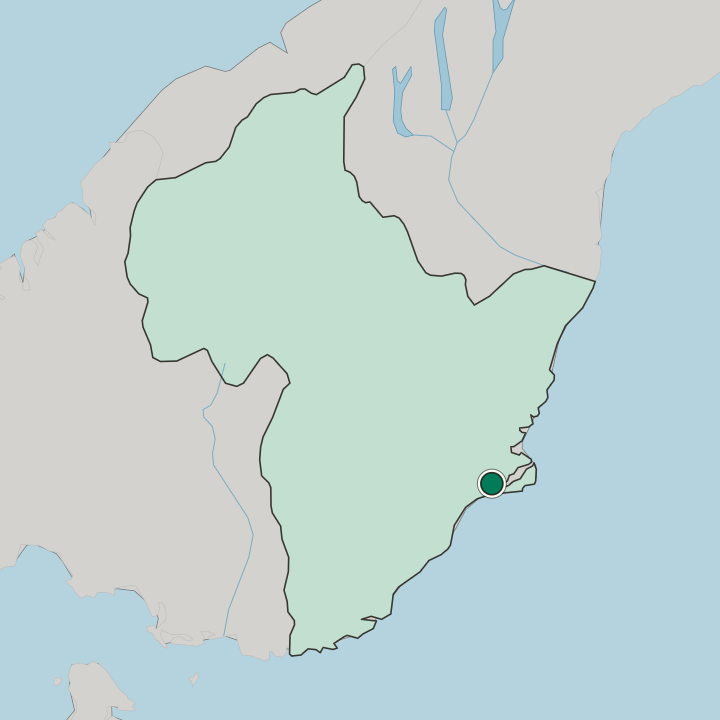
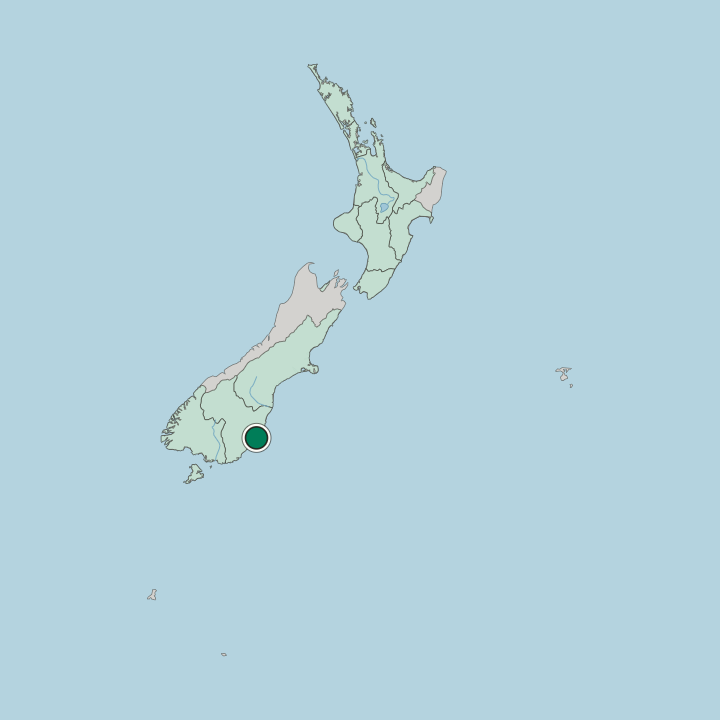
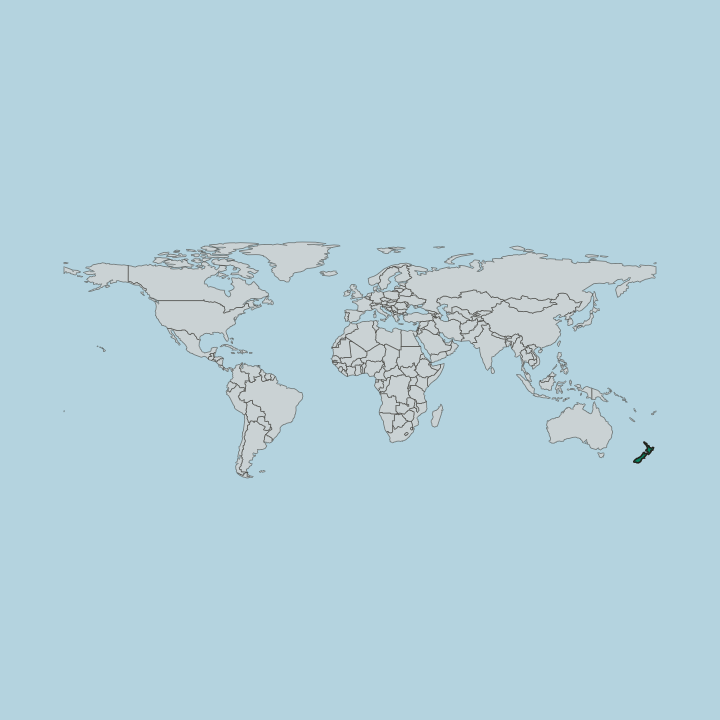
Dunedin sits at the head of a long harbour on the east coast of the South Island of New Zealand, in the Otago region. Hills wall it in. They ring the water and climb steeply from the centre, so the city rises from the harbour into the surrounding ridges before the coast runs out toward Saint Kilda and the open Pacific.
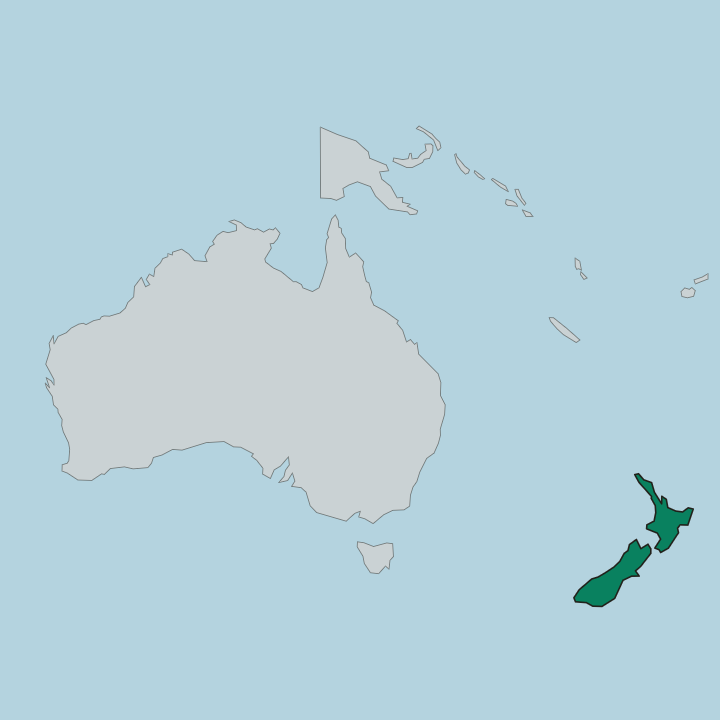
The temperate setting places Dunedin among the southern cities of New Zealand, its harbour cut into the hill country of Otago.
What is the climate of Dunedin?
Dunedin has a temperate climate, cool and changeable, shaped by its harbour and the surrounding hills of Otago. Winters are cold for New Zealand, with frost and the occasional snow on the ridges above the city, while summers stay mild rather than hot. The sea keeps the extremes in check.
Weather rolls in off the Pacific past Saint Kilda, so the city sees frequent shifts from grey to clear across a single day.
How do you get to Dunedin?
Dunedin is reached by air, road, and sea on the South Island of New Zealand. The city's airport links it to the rest of the country, and highways run along the coast and inland across the hills of Otago. Ships still call at the harbour.
From Dunedin, roads lead north and inland into the wider Otago region and out along the coast toward Saint Kilda.
Common questions
What is the best area to stay in Dunedin?
City Centre: Scottish heritage stone and the Otago Museum. Saint Kilda: Beach and open Pacific coast east of central Dunedin.
Good for
Updated October 2026