New Zealand
Otago, New Zealand — Towns & Travel Guide
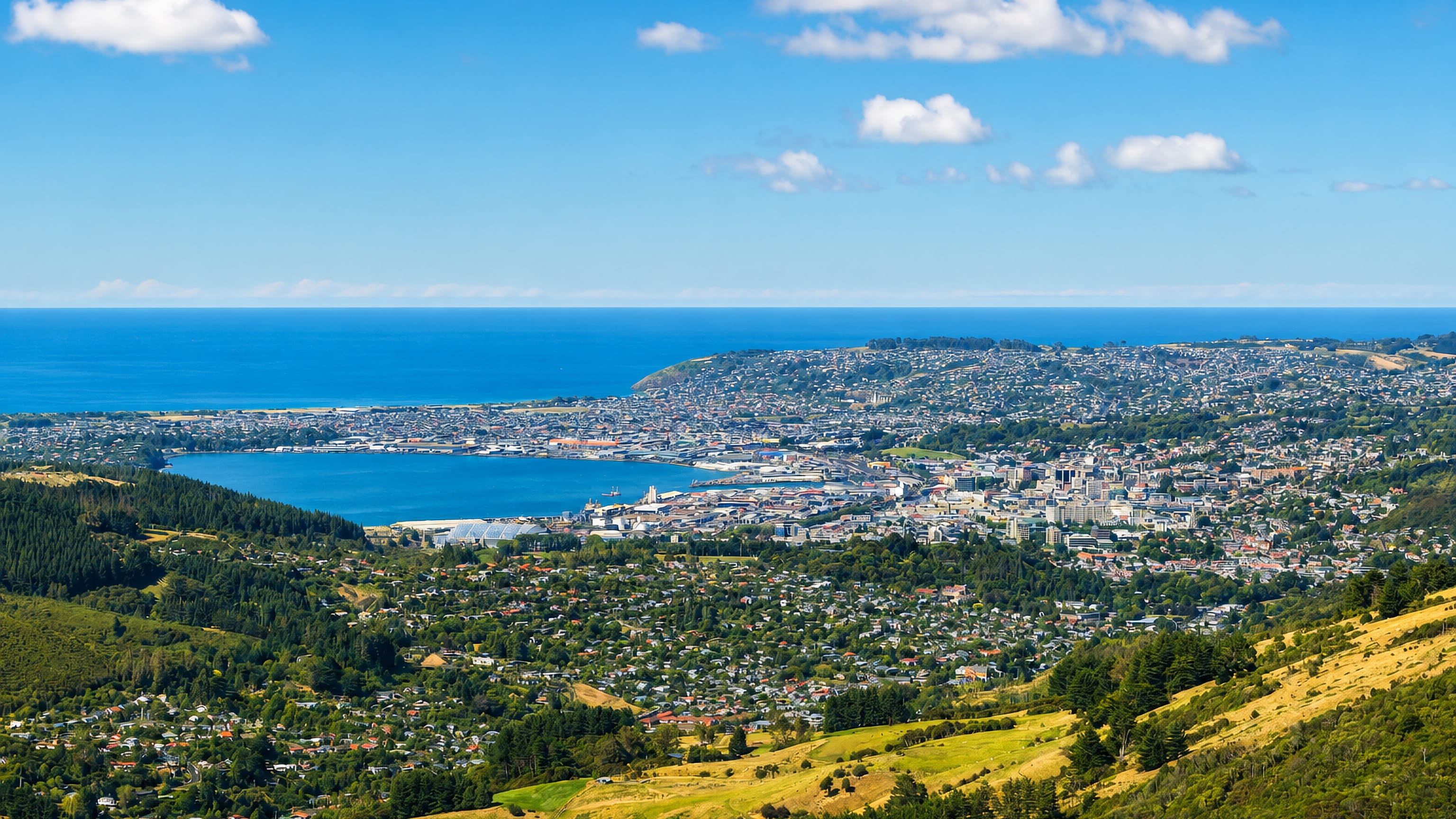
Hill country and sheltered valleys fill Otago, a region in the southern half of the South Island of New Zealand, with Dunedin on its coast.
Hotel links are affiliate links: booking through them may earn us a commission, at no extra cost to you. It never affects how places are ranked. How this works


Towns & cities in Otago
One town here has its own guide — it links to where to stay.
 New Zealand
Dunedin
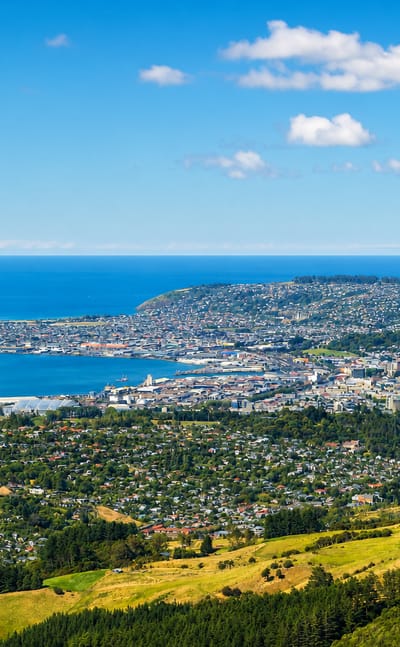
Scottish stone lines Dunedin's harbour, principal city of Otago on the South Island of New Zealand, known for the Otago Museum and First Church of Otago.Where to stay →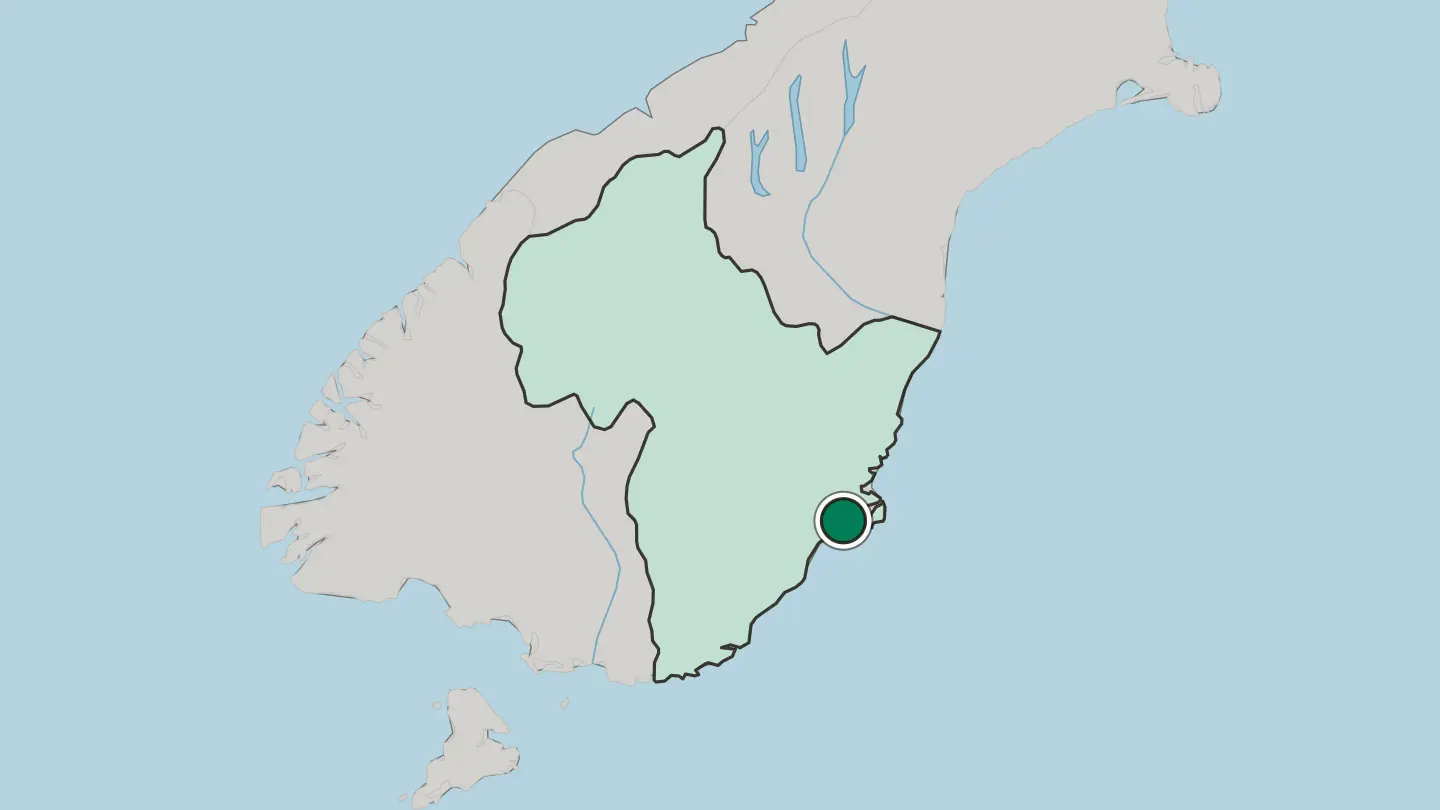
Hotel links are affiliate links: booking through them may earn us a commission, at no extra cost to you. It never affects how places are ranked. How this works
About Otago
What is Otago known for?
Otago is known as the second-largest region of New Zealand by area, covering the southern half of the South Island. Hills define it. Its country of hills and sheltered valleys produces a range of climates and scenery, from the coast around Dunedin to the dry interior of Central Otago.
The region is administered by the Otago Regional Council.
Where is Otago?
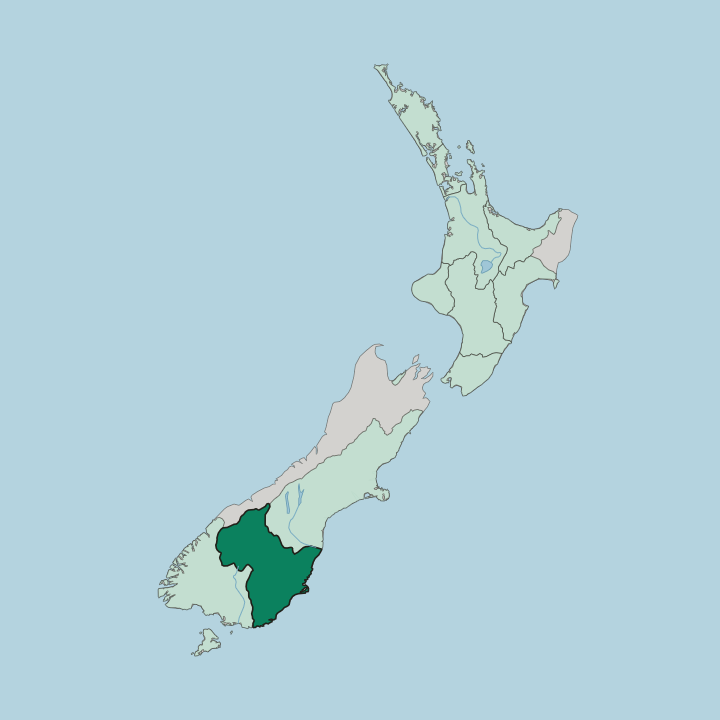
Otago occupies the southern half of the South Island of New Zealand, the country's second-largest local government region by area. The land is hilly throughout, its ranges and sheltered valleys producing a variety of climates within a short distance, so a wet coast and a dry interior sit close together. On the eastern edge, the coast carries harbours and beaches around Dunedin.
Inland, Central Otago spreads across a drier, more continental basin among the hills. The relief runs high. Ridges and river valleys break the region into distinct pockets, each with its own weather, and the spectacular scenery of hill and valley draws travellers to both the coast and the interior.
From shore to high country, Otago is all contrast. The hills hold it together.
What is Otago like?
Otago carries an English-speaking culture shaped by settlement and the land. Dunedin, on the coast, is the region's cultural centre and the seat of its institutions. Life divides between coast and interior.
The harbours and beaches of coastal Otago hold one rhythm, while inland Central Otago keeps another, its dry hills given over to farming, orchards, and the slow trades of a continental basin. Hill country marks the region. Communities settled in the sheltered valleys built around the land they could work, and the region's identity grew from that mix of coast and high country.
Otago's culture reads in its harbour town and its inland settlements alike. The scenery is part of the story. Coast and interior together make the region what it is.
What is the history of Otago?
Otago took shape as a region in 1852, organising the southern half of the South Island of New Zealand. Dunedin grew as its principal town on the coast, and the region spread inland across the hills toward Central Otago. Settlement followed the valleys.
In time Otago became the country's second-largest local government region, administered by the Otago Regional Council.
What is the climate of Otago?
Otago has a temperate climate that varies sharply between coast and interior. The hills and sheltered valleys create a range of local climates, so the coast around Dunedin stays milder and wetter while inland Central Otago runs to hot summers and cold, dry winters. The interior swings hardest.
Its continental basin, cut off from the sea by the hills, sees the region's greatest extremes of heat and frost.
How do you get to Otago?
Otago is reached mainly through Dunedin, the region's coastal hub on the South Island of New Zealand. The city's airport links the region to the rest of the country, and roads run along the coast and inland into Central Otago. Highways cross the hills between the two.
From Dunedin, routes lead to the harbours of the coast and up into the dry interior.
Common questions
What is the best area to stay in Otago?
Dunedin: Coastal Otago base on the South Island shore.
Good for
More regions in New Zealand
Updated September 2026