Oman · Dhofar Governorate
Where to Stay in Şalālah, Dhofar Governorate
Salalah is a city of Dhofar in south Oman on the Arabian Sea, old capital of the frankincense trade, greened each summer by a monsoon unique in Arabia.
Hotel links are affiliate links: booking through them may earn us a commission, at no extra cost to you. It never affects how places are ranked. How this works


Where to stay in Şalālah
How the choice of base plays out on the ground.
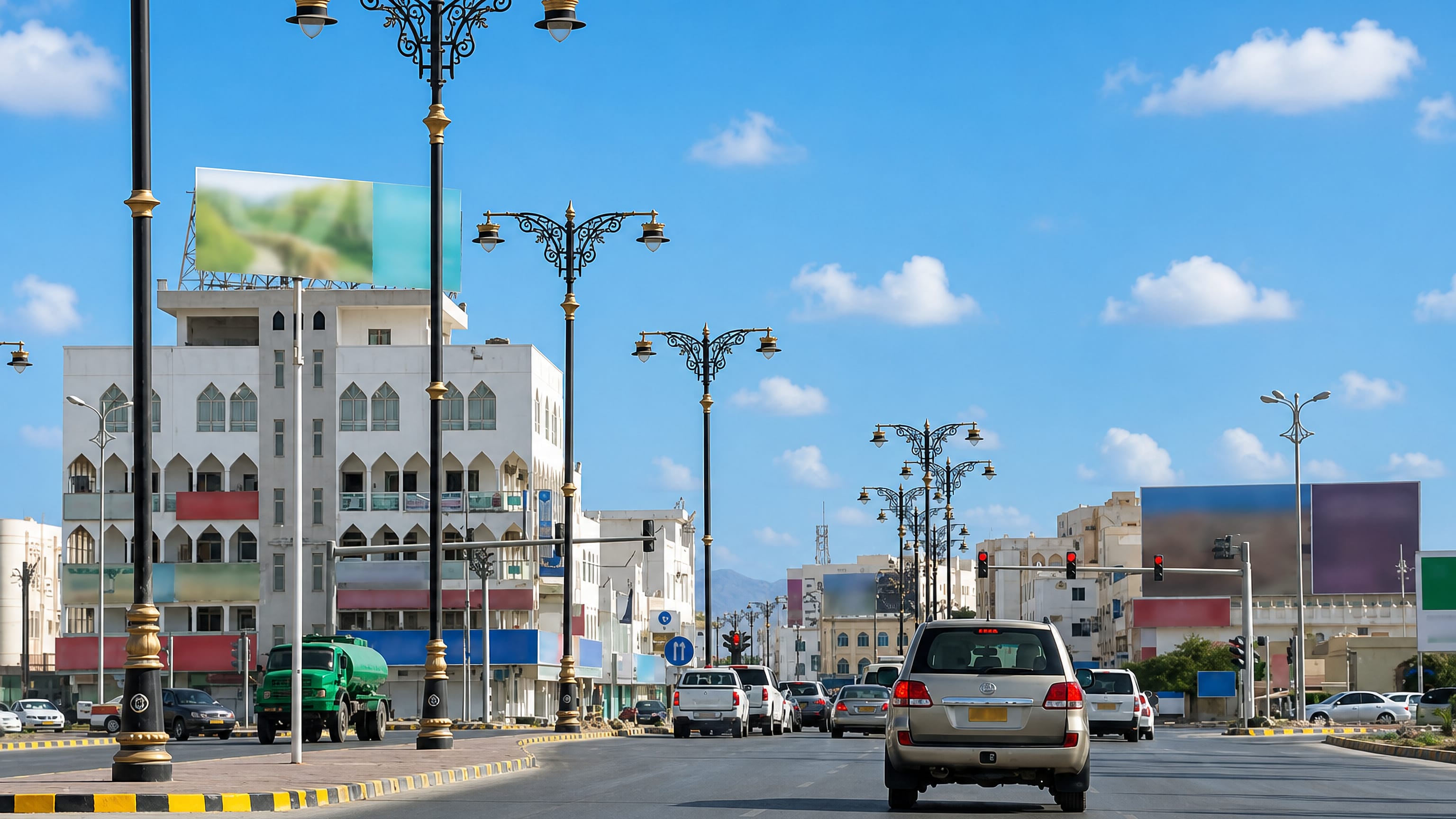
Where you stay in Salalah turns on the town or the coast. The streets around the centre keep the museum, the souq, and the frankincense market within a walk, and staying downtown suits anyone here for the city. Palms shade the wide streets.
The warm sea lies close by. Out toward the beaches and the hills, the town gives way to the coconut plantations, the sandy coast, and the green Dhofar mountains. A room by the sea trades the streets for the palm beaches, the warm Arabian Sea, and the misty hills of the khareef.
The mountains rise green behind. Stay downtown for the souq, or out for the coast. The sea and the green hills frame the town.
Find hotels in Şalālah
Direct booking searches for these neighbourhoods.
The town centre
Around the frankincense marketFind hotels in The town centreStays wanting the beaches and the khareefThe coast and hills
Toward the sea and mountainsFind hotels in The coast and hillsHotel links are affiliate links: booking through them may earn us a commission, at no extra cost to you. It never affects how places are ranked. How this works
About Şalālah
Salalah is the frankincense city of southern Arabia.
What is Şalālah known for?
On the Dhofar coast where the mountains fall to the Arabian Sea in Oman, it grew as the great port of the incense trade, and it keeps the ruins of the old frankincense harbour by the shore, the frankincense trees of the dry hills behind, the coconut and banana groves of the tropical coast, and the green mist of the khareef monsoon each summer. The warm sea laps the palms. Green hills rise in the mist.
What are the main landmarks in Şalālah?
The Al-Baleed ruins are the pride of Salalah. The stone remains of the old frankincense port on the shore, where the incense was once loaded onto dhows, lie in a park by the sea, the emblem of the city, downtown. Frankincense trees grow in the hills.
The gnarled incense trees of Dhofar still bleed their resin nearby, while the Tomb of Job, the frankincense museum, and the green mountains mark the country around Salalah.
What is the history of Şalālah?
Salalah was the great port of frankincense. For thousands of years the trees of the Dhofar hills gave up their fragrant resin, and from the harbours of this coast the incense was shipped to Egypt, India, and Rome, making the land rich. The queen of Sheba prized this incense.
Frankincense from Dhofar was the most sought in the ancient world, carried by camel and dhow across the seas, and the old port of Zafar grew wealthy on the trade. The monsoon set this coast apart. Each summer the khareef swept in from the ocean and turned the bare Dhofar hills green, a wonder found nowhere else in Arabia, drawing herders and their camels to the misty pastures.
The old land became a modern city. In our own age Salalah grew into the capital of the south, a green city of palms by the sea, its port busy with ships, keeping its frankincense, its ruins, and its beaches. The khareef still greens the hills each year.
Salalah keeps its incense coast on the Arabian Sea.
Where is Şalālah?
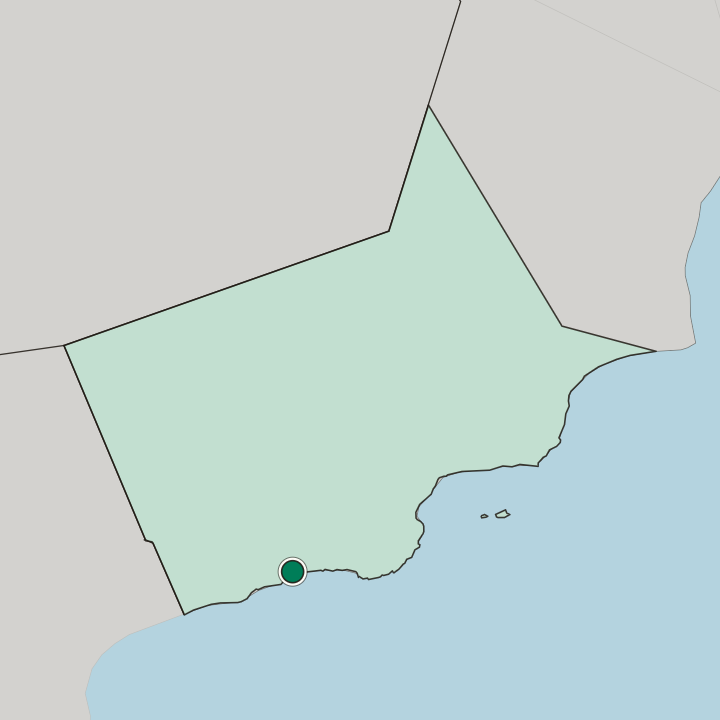
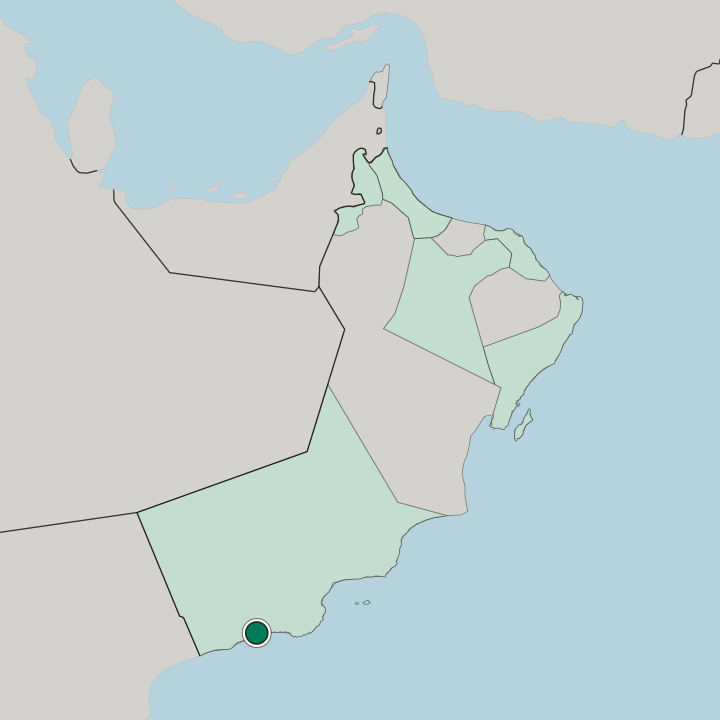
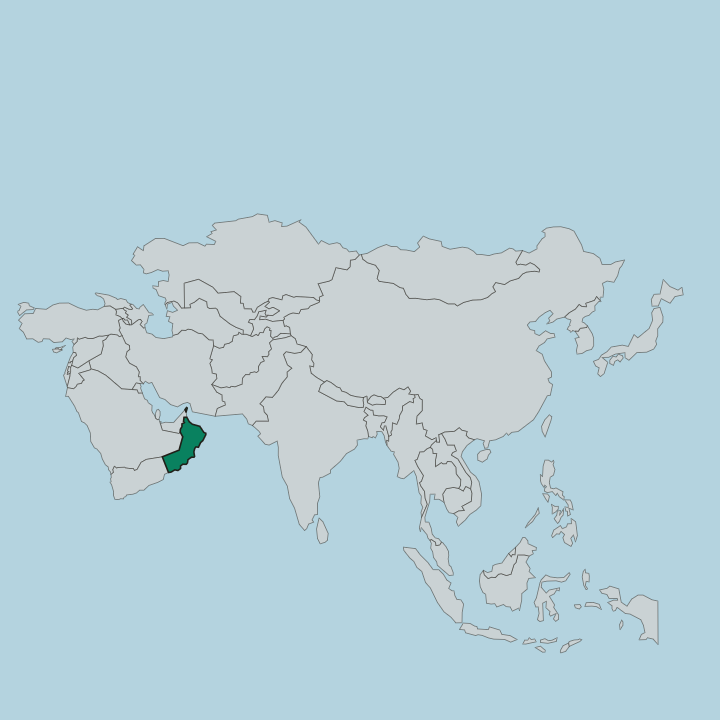
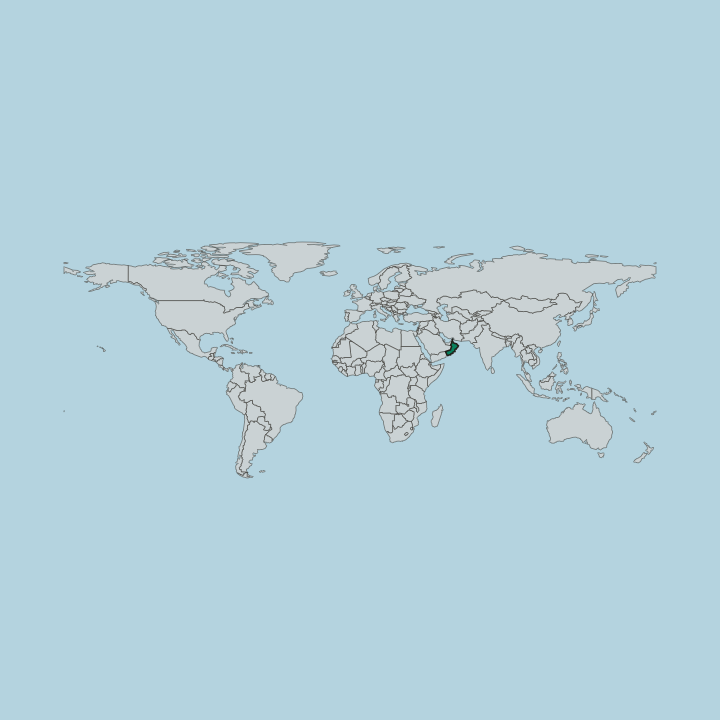
Salalah lies in the far south of Oman, on a coastal plain of Dhofar between the mountains and the Arabian Sea. The city sits on a green fertile strip of coconut palms and plantations, backed by the steep Qara mountains, with the warm sea to the south and the vast desert of the Empty Quarter beyond the hills. The sea runs warm and blue.
Green hills wall the plain.
What is the climate of Şalālah?
Salalah has a mild, tropical desert climate. Warm weather holds all year on the coast, cooled each summer by the khareef, the Indian Ocean monsoon that wraps the hills in cloud and rain. The winter stays warm and dry.
Khareef mist greens the hills.
How do you get to Şalālah?
Salalah lies in the far south of Oman, a thousand miles from the capital in the north. Flights and the long desert highway run to it across the sands from Muscat, and roads climb into the Dhofar hills. Vessels put in at the port as well.
Muscat lies far to the northeast.
Common questions
What is the best area to stay in Şalālah?
The town centre: Visitors here for the souq and museum. The coast and hills: Stays wanting the beaches and the khareef.
Good for
Updated September 2026