Panama · Provincia de Panamá
Where to Stay in Panama City, Provincia de Panamá
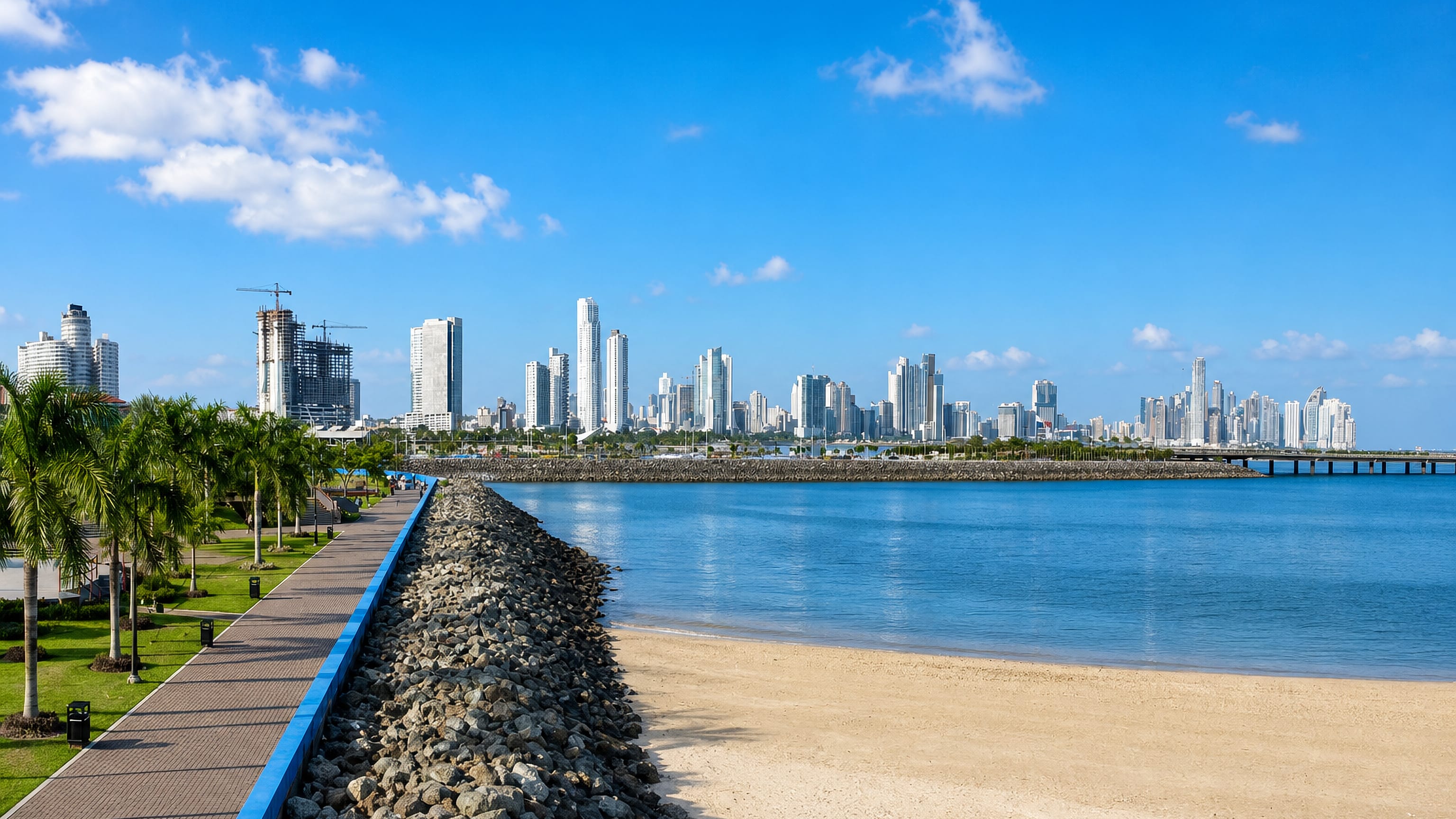
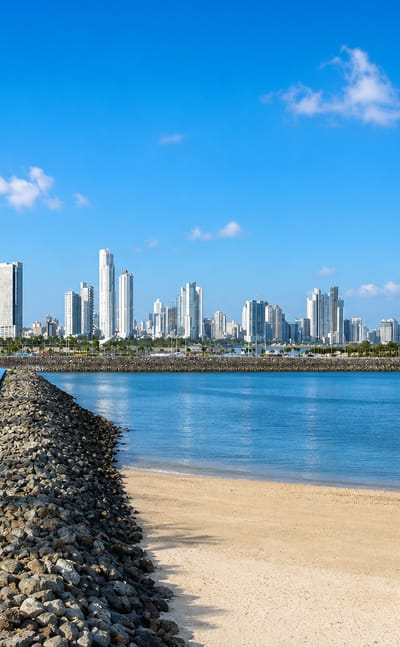
Panama City rises along the Pacific coast at the Panama Canal's entrance, the capital of Panama, known for Iglesia de San José and its banking district.
Hotel links are affiliate links: booking through them may earn us a commission, at no extra cost to you. It never affects how places are ranked. How this works


Where to stay in Panama City
Not every neighbourhood fits every trip — here's what each one is good for.
 Panama CityPanama
El Chorrillo
El Chorrillo is a corregimiento of Panama City whose landmark list runs from the Panama Canal Museum to the Iglesia de San José.Where to stay →Panama CityPanamaRío Abajo
Río Abajo is a district of Panama City, in the Provincia de Panamá, and it reaches the map as a name rather than as a set of sights.Where to stay →Panama CityPanamaParque Lefevre
Parque Lefevre is the district of Panama City that holds Panamá Viejo, with a cathedral and three convent churches recorded on its ground.Where to stay →Panama CityPanamaLas Cumbres
Las Cumbres is a corregimiento of Panamá District north of Panama City, sitting near 320 metres up where the air runs cooler.Where to stay →Panama CityPanamaPedregal
Pedregal is a corregimiento of Panamá District, one of the divisions that make up Panama City rather than a destination in its own right.Where to stay →Panama CityPanamaLa Cabima
La Cabima is a town of Panamá Province, filed in Panama under Panama City rather than standing on its own.Where to stay →Hotel links are affiliate links: booking through them may earn us a commission, at no extra cost to you. It never affects how places are ranked. How this works
Find hotels in Panama City
Direct booking searches for these neighbourhoods.
Historic quarter
Colonial churches and narrow lanes gather around Iglesia de San José and Iglesia del Carmen, walkable to the Pacific shore.Find hotels in Historic quarterBusiness travellers near the Panama Canal entranceBanking core
Glass towers set back from the Panama Canal entrance keep offices and transit within reach.Find hotels in Banking coreCulture travellers near the Panama Canal MuseumMuseum cluster
The Reina Torres de Araúz Anthropological Museum and Panama Canal Museum sit close enough for a full day on foot.Find hotels in Museum clusterHotel links are affiliate links: booking through them may earn us a commission, at no extra cost to you. It never affects how places are ranked. How this works
Things to do in Panama City
Ranked by global recognition; descriptions from Wikidata (CC0).
Museums & Galleries
3- Panama Canal Museum Heritage
- Endara Museum Heritage
- Casa Museo del Banco Nacional de Panamá Heritage
Churches & Religious Sites
6- Iglesia de San José Heritage
- Panamá Viejo Cathedral Heritage
- Iglesia y Convento de las Monjas de la Concepción Heritage
- Iglesia del Carmen Heritage
- Iglesia y Convento de San Francisco Heritage
Show 1 more →
- Iglesia y Convento de la Merced Heritage
Castles & Historic Sites
3- Panamá Viejo Heritage
- Goethals Monument Heritage
- Statue of Mohandas K. Gandhi in Panama Heritage
Stadiums & Sports
1- Estadio Juan Demóstenes Arosemena
worth knowingacross 4 categories in Panama City
About Panama City
What is Panama City known for?
Panama City is known as the capital of Panama and the terminus where the Panama Canal opens to the Pacific. Banking and commerce anchor the modern city. Its museums range widely.
The Panama Canal Museum records the waterway's construction, while the Reina Torres de Araúz Anthropological Museum and the Afro-Antillean Museum of Panama trace the peoples who shaped this Pacific port. The Monument to Vasco Nuñez de Balboa marks the explorer who first reached these shores.
What are the main landmarks in Panama City?
Panama City holds landmarks that span its colonial and modern eras. Iglesia de San José is the best known. Its carved altar draws visitors into the old quarter, where Iglesia del Carmen and the Museum of Colonial Religious Art continue the story of faith brought across the Atlantic.
The Monument to Vasco Nuñez de Balboa faces the Pacific, and the Goethals Monument recalls the engineering of the Panama Canal that reshaped this coast.
What is the history of Panama City?
Panama City was founded in 1519 on the Pacific coast, one of the earliest European settlements on the Pacific side of the Americas. The site was chosen for the shore. From this harbour, expeditions pressed south and gold moved north across the isthmus toward the Atlantic, and the young city grew wealthy on that traffic between two oceans.
Iglesia de San José preserves fabric from those centuries of trade. The city endured. Fire and raiding forced a move of the settlement, yet the churches of the old quarter, among them Iglesia del Carmen, kept the colonial thread unbroken.
Later the Panama Canal transformed the coast entirely, and the Goethals Monument commemorates the engineers who cut the waterway through to the Pacific. The Afro-Antillean Museum of Panama records the Caribbean labourers who built it. Balboa, honoured by the Monument to Vasco Nuñez de Balboa, had first sighted this ocean centuries before.
The past on this Pacific shore reaches back five centuries.
Where is Panama City?
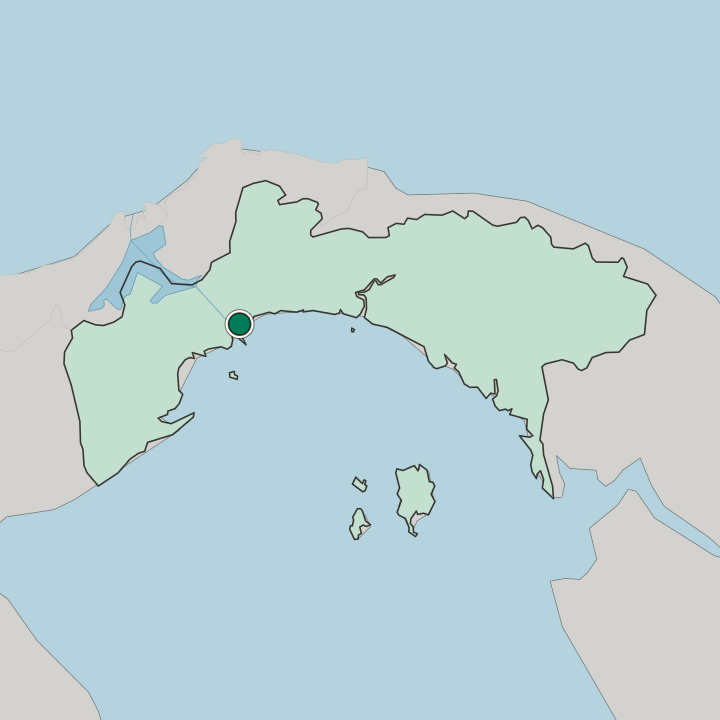
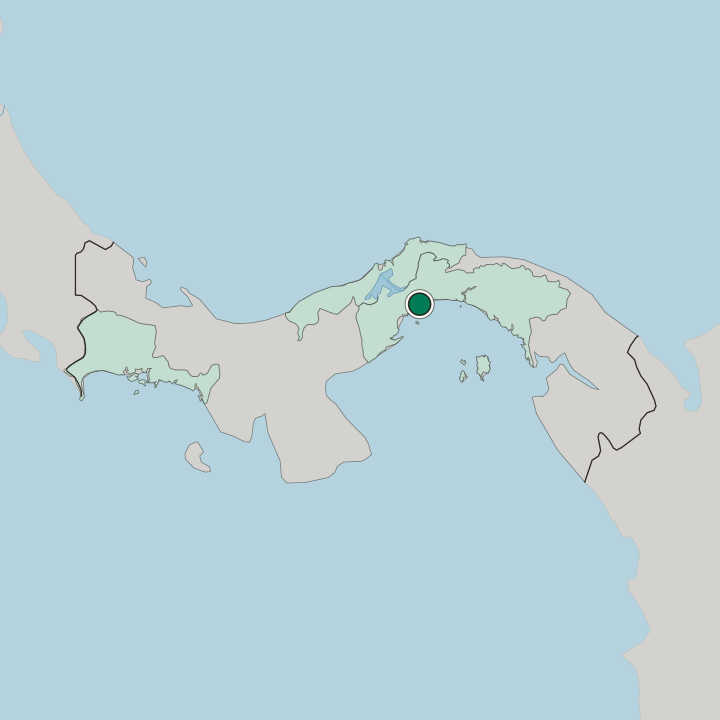
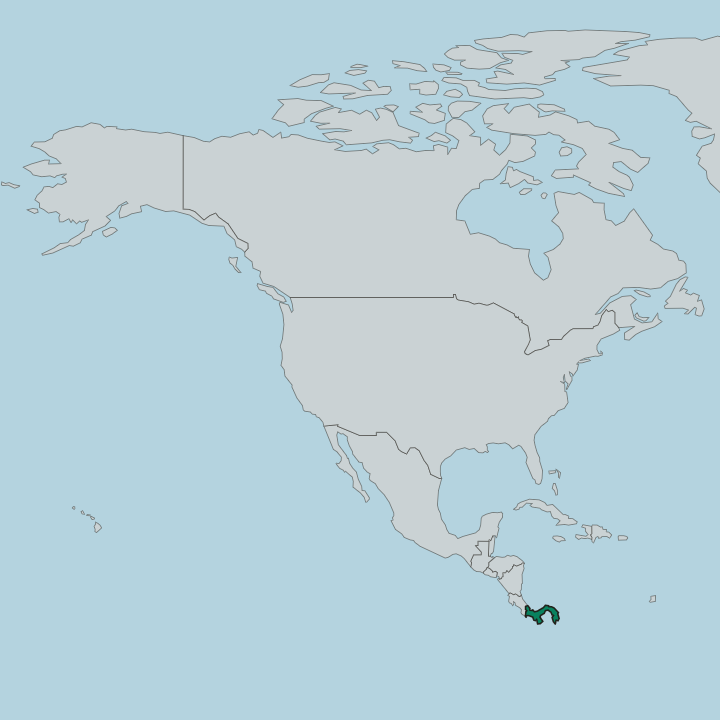
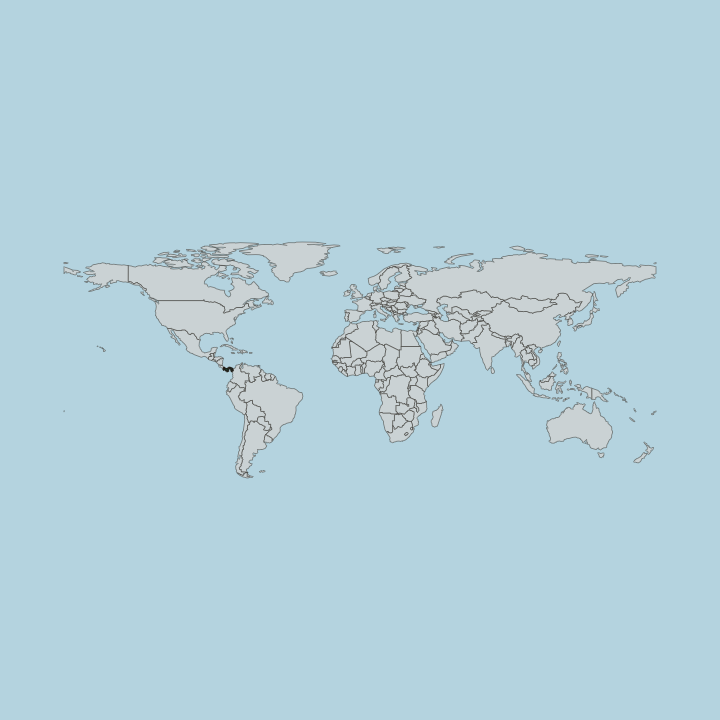
Panama City sits on the Pacific coast of Panama, at the Pacific entrance of the Panama Canal, within Provincia de Panamá. The sea defines the city. It spreads across a broad coastal plain that meets the ocean where the isthmus narrows between the Pacific and the Atlantic, and the waterway cutting north from here joins the two seas across the slimmest neck of the Americas.
What is the climate of Panama City?
Panama City has a tropical climate on the Pacific coast, warm and humid through the year. Two seasons shape the calendar. A long wet season brings heavy afternoon rain from spring into autumn, while a shorter drier stretch settles over the coast in the early months, when steadier skies open across the Pacific approach to the Panama Canal.
How do you get to Panama City?
Panama City is reached by air, sea, and road as the hub of Panama. Flights land close to the city. It stands at the Pacific entrance of the Panama Canal, so shipping and cruise traffic call at its harbours, and highways run inland across Provincia de Panamá to link the coast with the rest of the country and the isthmus beyond.
Common questions
What is the best area to stay in Panama City?
Historic quarter: Walkers who want colonial streets around Iglesia de San José. Banking core: Business travellers near the Panama Canal entrance. Museum cluster: Culture travellers near the Panama Canal Museum.
Good for
Another city in Provincia de Panamá
Updated September 2026