Peru · Departamento de Apurímac
Where to Stay in Abancay, Departamento de Apurímac
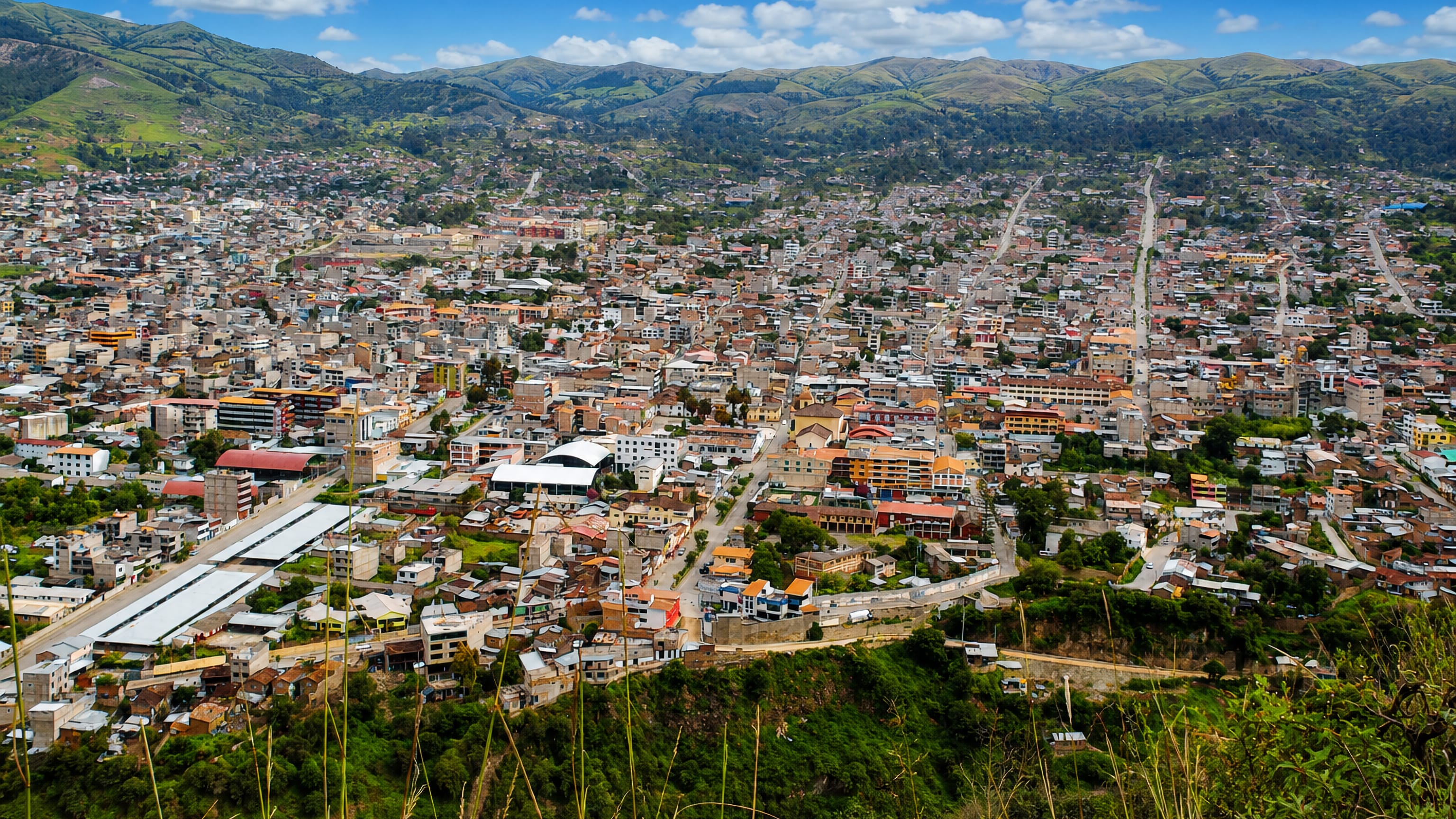
The Pachachaca runs below Abancay. The Apurímac Region and Abancay Province are both governed from this valley shelf in Peru.
Hotel links are affiliate links: booking through them may earn us a commission, at no extra cost to you. It never affects how places are ranked. How this works


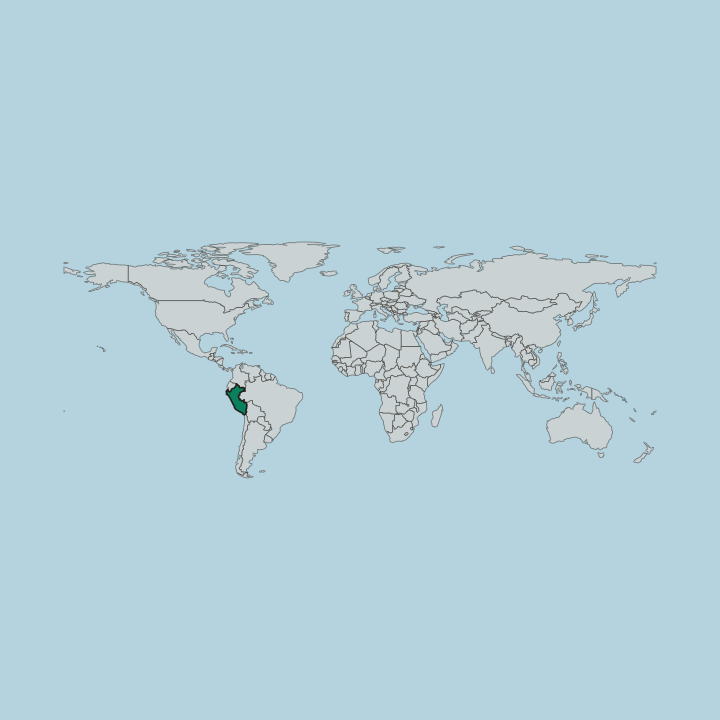
Where to stay in Abancay
How the choice of base plays out on the ground.
Abancay's beds cluster in the blocks below the Virgin of the Rosary Cathedral. That grid is the practical base: regional and provincial offices sit inside it, the Museo Arqueológico y Antropológico de Apurímac is a short walk from it, and the streets stay level enough to cross on foot. Elevation matters more than distance.
Every move out of the centre means a climb or a drop, since the valley shelf narrows toward Patibamba on one side and Illanya on the other. Condebamba pulls a different crowd. The Estadio Monumental de Condebamba fills on match days, and rooms near it trade the cathedral bells for a walk to the terraces.
Casa Hacienda Illanya and Casa Hacienda Patibamba anchor the two quieter edges, where the built-up valley thins and the Pachachaca's drop is closer than the shops. Usnu Muqu sits apart from all three options, closer to the older ground than to any bed. You want the cathedral grid if this is a first night in Apurímac, and the hacienda edges if a vehicle is already part of the plan.
Beyond the town, Abancay Province is mostly slope.
Find hotels in Abancay
Direct booking searches for these neighbourhoods.
The cathedral grid
The blocks below the Virgin of the Rosary Cathedral hold the regional and provincial offices, and the Museo Arqueológico y Antropológico de Apurímac is a short level walk away.Find hotels in The cathedral gridMatch days at the Estadio Monumental de CondebambaCondebamba
Rooms on the Condebamba side sit nearer the Estadio Monumental de Condebamba than the cathedral bells, on the same shelf of valley floor.Find hotels in CondebambaThe hacienda edge of the Abancay valleyPatibamba
Casa Hacienda Patibamba names this stretch where the built ground thins out and the slopes above the Pachachaca take over.Find hotels in PatibambaQuiet ground beside Casa Hacienda IllanyaIllanya
Casa Hacienda Illanya stands at the far edge of the settled valley, with the drop toward the Pachachaca below and little through traffic.Find hotels in IllanyaHotel links are affiliate links: booking through them may earn us a commission, at no extra cost to you. It never affects how places are ranked. How this works
Things to do in Abancay
Ranked by global recognition; descriptions from Wikidata (CC0).
Museums & Galleries
1- Museo Arqueológico y Antropológico de Apurímac
Churches & Religious Sites
1- Virgin of the Rosary Cathedral, Abancay
Castles & Historic Sites
2- Casa Hacienda Illanya Heritage
- Usnu Muqu
Stadiums & Sports
1- Estadio Monumental de Condebamba
Landmarks & Notable Places
1- Casa Hacienda Patibamba
worth knowingacross 5 categories in Abancay
About Abancay
Government and archaeology share the town.
What is Abancay known for?
Abancay's weight comes from heading both the Apurímac Region and Abancay Province, from the estates that once organised the valley floor, and from the archaeology the Museo Arqueológico y Antropológico de Apurímac keeps. Usnu Muqu predates all of it. Casa Hacienda Illanya and Casa Hacienda Patibamba give the town its most recognisable buildings after the cathedral.
What are the main landmarks in Abancay?
Usnu Muqu is the oldest name on the list. The Virgin of the Rosary Cathedral takes the centre, and the two estate houses, Casa Hacienda Illanya and Casa Hacienda Patibamba, stand out at opposite edges of the settled valley. Condebamba answers with sport.
Its Estadio Monumental de Condebamba carries the town's football, and the Museo Arqueológico y Antropológico de Apurímac holds the record of everything older.
What is the history of Abancay?
Usnu Muqu came first. The site carries a name from the order that held this valley before any Spanish party reached it, and its survival on the ground is why the pre-Hispanic layer stays legible. Two founding dates attach to the colonial town: 1540 in the earlier record, and 1572 for the establishment as Santiago de los Reyes de Abancay.
Both sit in the sources. The long ceremonial name later shortened to the one in use. Estates followed the founding.
Casa Hacienda Illanya and Casa Hacienda Patibamba are what remains of the landholding system that organised work, water and settlement across the valley floor for generations after the colonial town took shape. Administration concentrated here in turn, and Abancay ended up capital of both the Apurímac Region and Abancay Province, a double role that keeps regional offices and provincial ones in the same few streets. The Virgin of the Rosary Cathedral fixed the religious centre, and the Museo Arqueológico y Antropológico de Apurímac holds the material evidence for all of it.
Sport claimed its own ground at the Estadio Monumental de Condebamba.
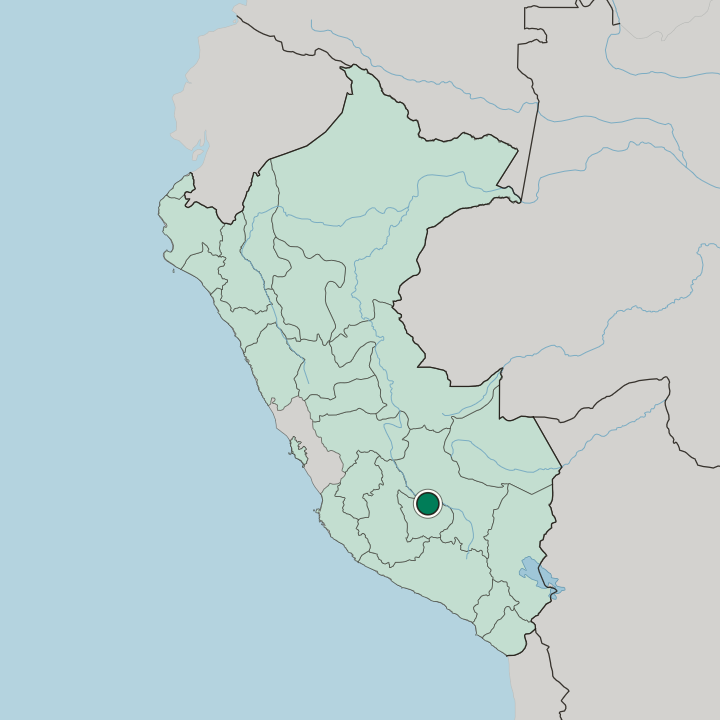
Where is Abancay?
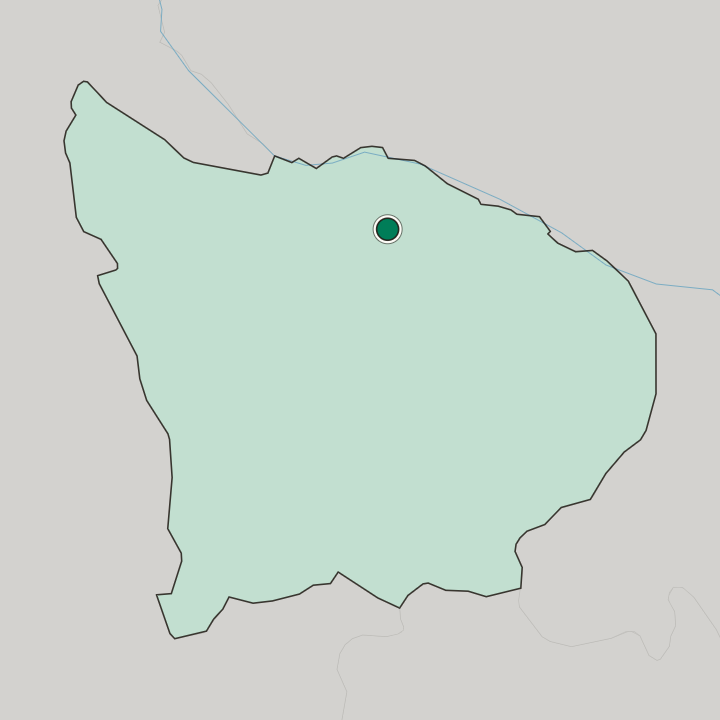
The Pachachaca cuts below the city. Abancay occupies a shelf of valley floor well above the water, with slopes climbing on either side and the settled ground running out toward Patibamba and Illanya where the level land gives way. Height governs the day here.
Ridges carry the rest of Apurímac away from the valley, and Abancay Province takes its shape from that relief rather than from any straight line on a map.
What is the climate of Abancay?
Altitude does what distance from the equator cannot. Abancay lies in the tropics, but the valley floor rides high above the Pachachaca, and that height trims the heat until mornings run cool and the afternoons stay short of oppressive. The year splits wet and dry.
Rain greens the slopes above Patibamba, then withdraws, and the dry months leave the ridges around Illanya pale and hard-edged.
How do you get to Abancay?
Everyone gets to Abancay by road. The valley of the Pachachaca sets the approach: the city sits high above the river, and every route into Apurímac's capital works around that drop before reaching the streets near the Virgin of the Rosary Cathedral. Abancay Province spreads around it.
Once in, the grid around the cathedral square is walkable, and the Museo Arqueológico y Antropológico de Apurímac sits within reach of it.
Common questions
What is the best area to stay in Abancay?
The cathedral grid: First nights inside Abancay's cathedral grid. Condebamba: Match days at the Estadio Monumental de Condebamba. Patibamba: The hacienda edge of the Abancay valley. Illanya: Quiet ground beside Casa Hacienda Illanya.
Good for
Updated September 2026