Peru · Departamento de La Libertad
Where to Stay in Trujillo, Departamento de La Libertad
Trujillo is a colonial city on the desert coast of northern Peru, near the great adobe ruins of Chan Chan.
Hotel links are affiliate links: booking through them may earn us a commission, at no extra cost to you. It never affects how places are ranked. How this works


Where to stay in Trujillo
How the choice of base plays out on the ground.
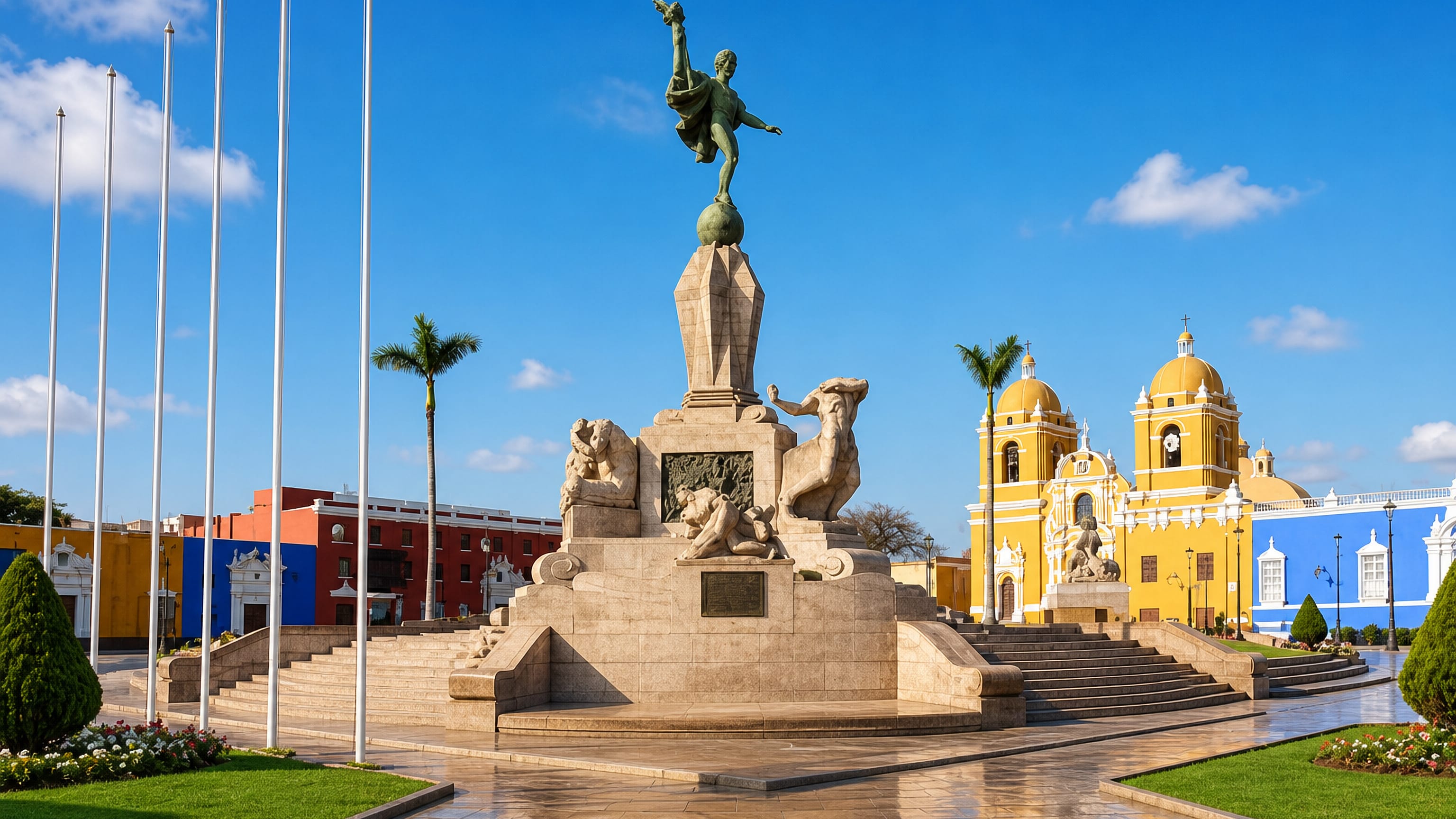
Where you stay in Trujillo turns on the colonial centre. The streets around the plaza and the cathedral keep the mansions, the churches, and the museums within a walk, and staying downtown suits anyone here for the old city. The square glows warm in the evening.
Rooms sit in the painted colonial houses. Out toward Huanchaco and the coast, the seaside spreads into a laid-back beach town. A room by the sea trades the plaza for the surf, the reed boats, and an easy trip to Chan Chan.
The desert runs down to the shore. If you want the mansions and the churches, stay in the centre; if you want the beach and the ruins, take a room by the sea. Either way, the old sands are close at hand.
Find hotels in Trujillo
Direct booking searches for these neighbourhoods.
The colonial centre
Around the Trujillo Cathedral and the plaza, within a walk of the museumsFind hotels in The colonial centreStays wanting the beach and the ruinsHuanchaco and the coast
By the sea at Huanchaco near the reed boats, an easy trip to Chan ChanFind hotels in Huanchaco and the coastHotel links are affiliate links: booking through them may earn us a commission, at no extra cost to you. It never affects how places are ranked. How this works
Things to do in Trujillo
Ranked by global recognition; descriptions from Wikidata (CC0).
Museums & Galleries
3- Museo de Arte Moderno Gerardo Chávez
- Museo de Arqueología, Antropología e Historia de la Universidad Nacional de Trujillo
- Museo de Zoología Juan Ormea Rodríguez
Churches & Religious Sites
4- Trujillo Cathedral Heritage
- iglesia de la Merced (Trujillo) Heritage
- Iglesia de Santa Ana Heritage
- Parroquia Santuario Señor de Huamán Heritage
Castles & Historic Sites
2- Statua antropofica Heritage
- Huaca Esmeralda Heritage
Stadiums & Sports
3- Coliseo Gran Chimu
- Sports complex Mansiche
- Complejo Deportivo Mochica Chimú
worth knowingacross 4 categories in Trujillo
About Trujillo
What is Trujillo known for?
Trujillo is known for its colonial grace and its ancient ruins. Painted mansions and iron-grilled windows line its old streets around the cathedral, and just outside the city sprawls Chan Chan, the vast mud-brick capital of the Chimú kingdom. The pyramids of the Moche rise from the desert nearby.
Colony and empire meet in the sands.
What are the main landmarks in Trujillo?
The colonial plaza is the heart of Trujillo. The cathedral and the painted mansions ring the great square, the loveliest sight in the city, bright against the desert light. Ancient ruins lie all around.
Chan Chan spreads its mud-brick walls to the west, the Moche pyramids rise to the south, and the Huaca Esmeralda stands among them, while the Museo de Arqueología keeps their treasures.
What is the history of Trujillo?
Great empires rose on this coast long before Spain. The Moche built their sun and moon pyramids of adobe here two thousand years ago, and later the Chimú raised Chan Chan, the largest mud-brick city in the world, to rule the northern deserts. The Inca conquered them in the end.
Then the Spanish came, and in 1534 they founded Trujillo among the ruins, a walled colonial city on the road down the coast. Colonial wealth built a city of mansions. Grand houses with carved balconies and iron-grilled windows rose around the plaza and the cathedral, painted in bright colours against the desert sun.
Trujillo led the fight for freedom. It was the first city of Peru to declare independence from Spain, and it kept its pride as a capital of the north. Archaeologists later uncovered the treasures of the Moche and the Chimú.
Trujillo still stands between its colonial past and its far older sands.
Where is Trujillo?
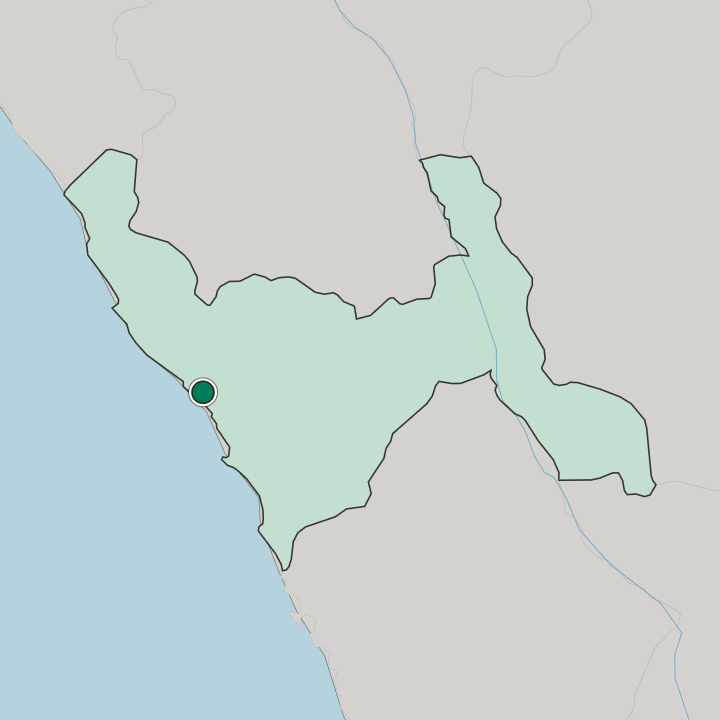
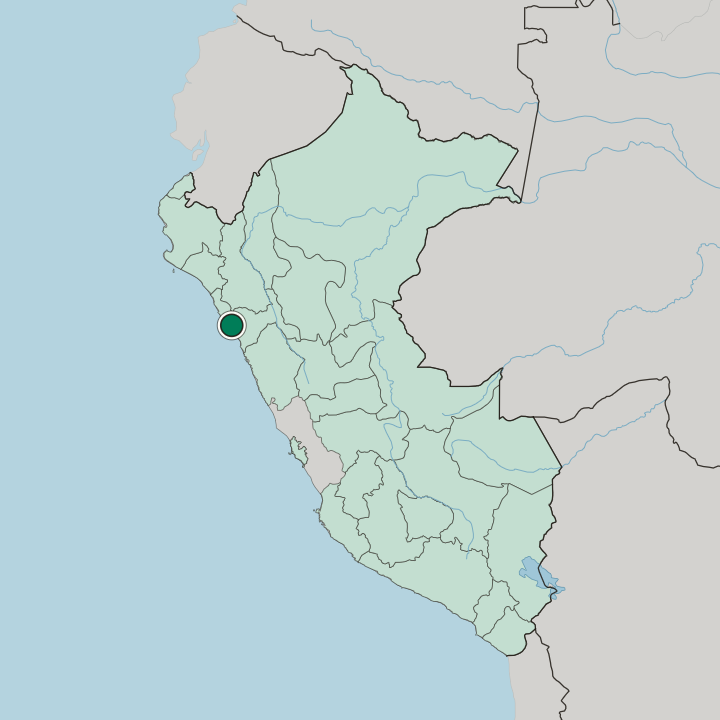
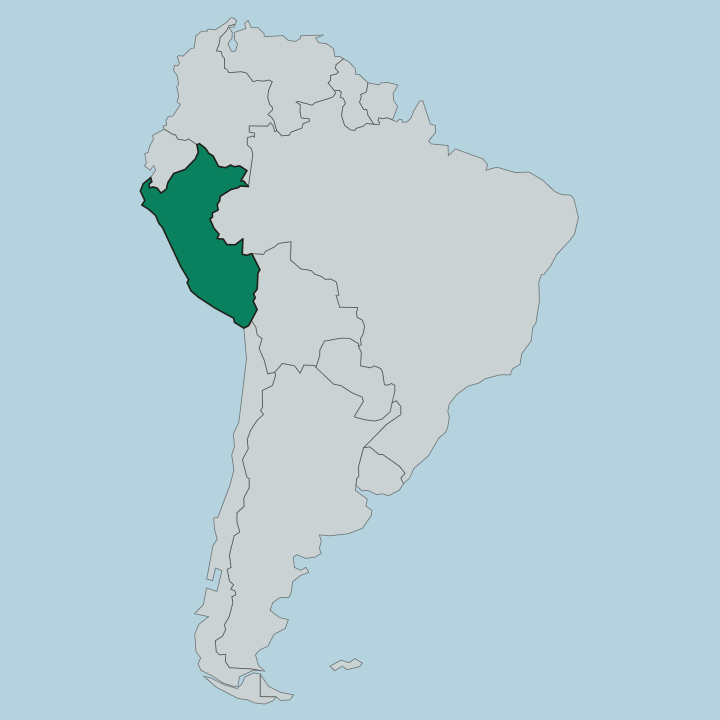
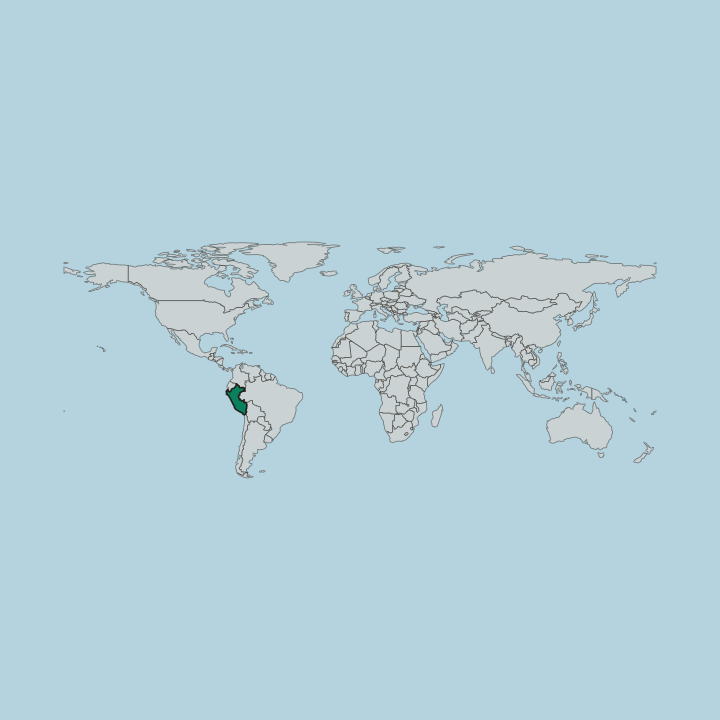
Trujillo lies on the dry coast of northern Peru. The city spreads across a desert plain between the Andes and the Pacific, in the green valley of the Moche river that waters the sands. Bare hills and dunes ring the town.
The ocean lies a short way west.
What is the climate of Trujillo?
Trujillo enjoys an endless mild spring. The desert coast stays warm and dry through the year, cooled by the cold Pacific current offshore, and rain almost never falls on the city. Grey sea mist drifts in on winter mornings.
The gentle climate gave the town its name.
How do you get to Trujillo?
Trujillo lies on the coast road of northern Peru. The great highway runs through the city between Lima and the north, and its airport links it to the capital, while roads climb east into the Andes. Buses reach the fishing villages and the ruins.
Most arrive by road or air down the coast.
Common questions
What is the best area to stay in Trujillo?
The colonial centre: Visitors here for the plaza, mansions, and churches. Huanchaco and the coast: Stays wanting the beach and the ruins.
Good for
Updated September 2026