Peru
Departamento de La Libertad, Peru — Towns & Travel Guide
La Libertad is a region of northern Peru spanning coast, Andes and Amazon rainforest, with Trujillo and the mud city of Chan Chan on its shore.
Hotel links are affiliate links: booking through them may earn us a commission, at no extra cost to you. It never affects how places are ranked. How this works


Towns & cities in Departamento de La Libertad
One town here has its own guide — it links to where to stay.

 Peru
Peru
Trujillo
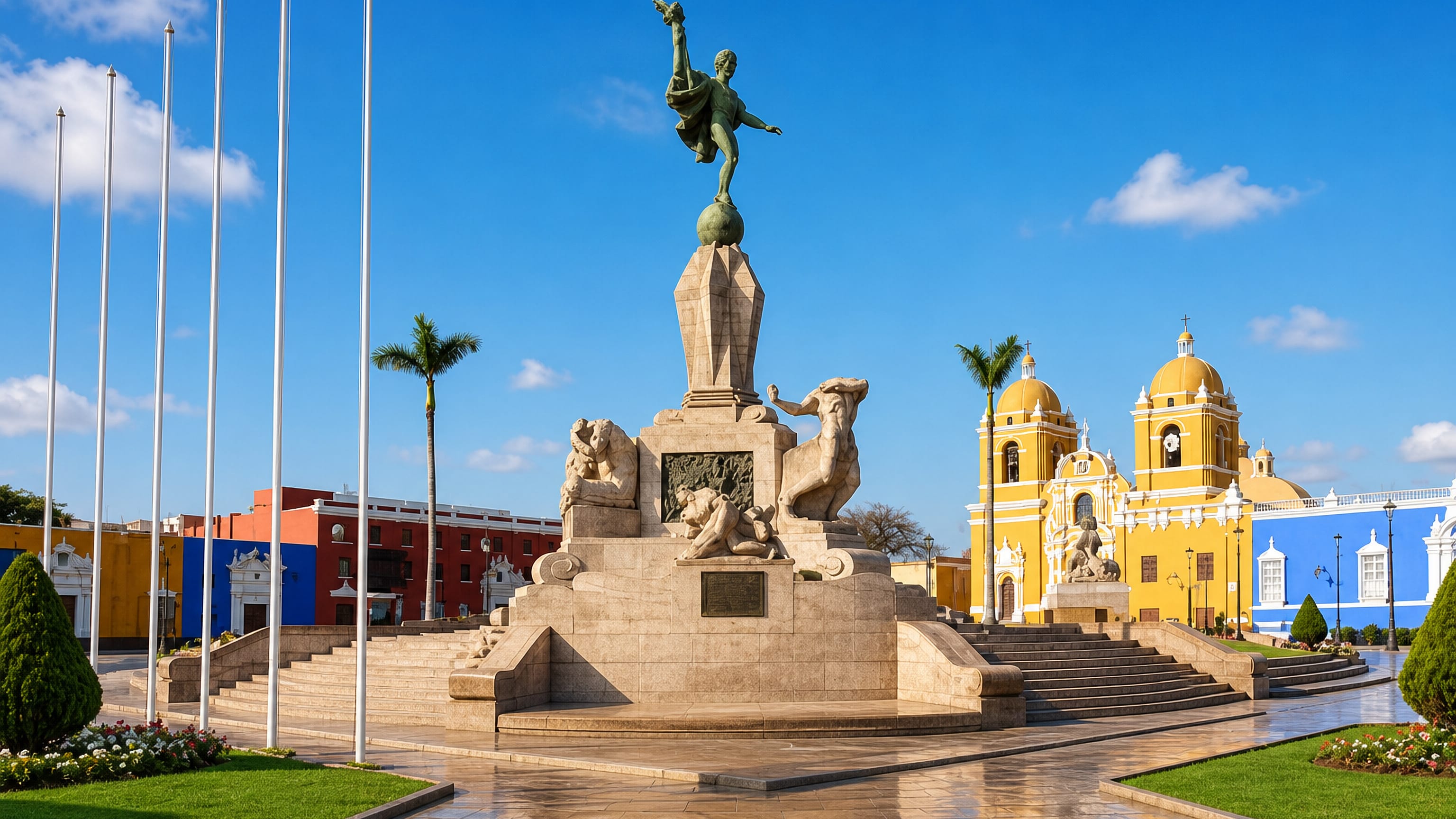
Trujillo is a colonial city on the desert coast of northern Peru, near the great adobe ruins of Chan Chan.Where to stay →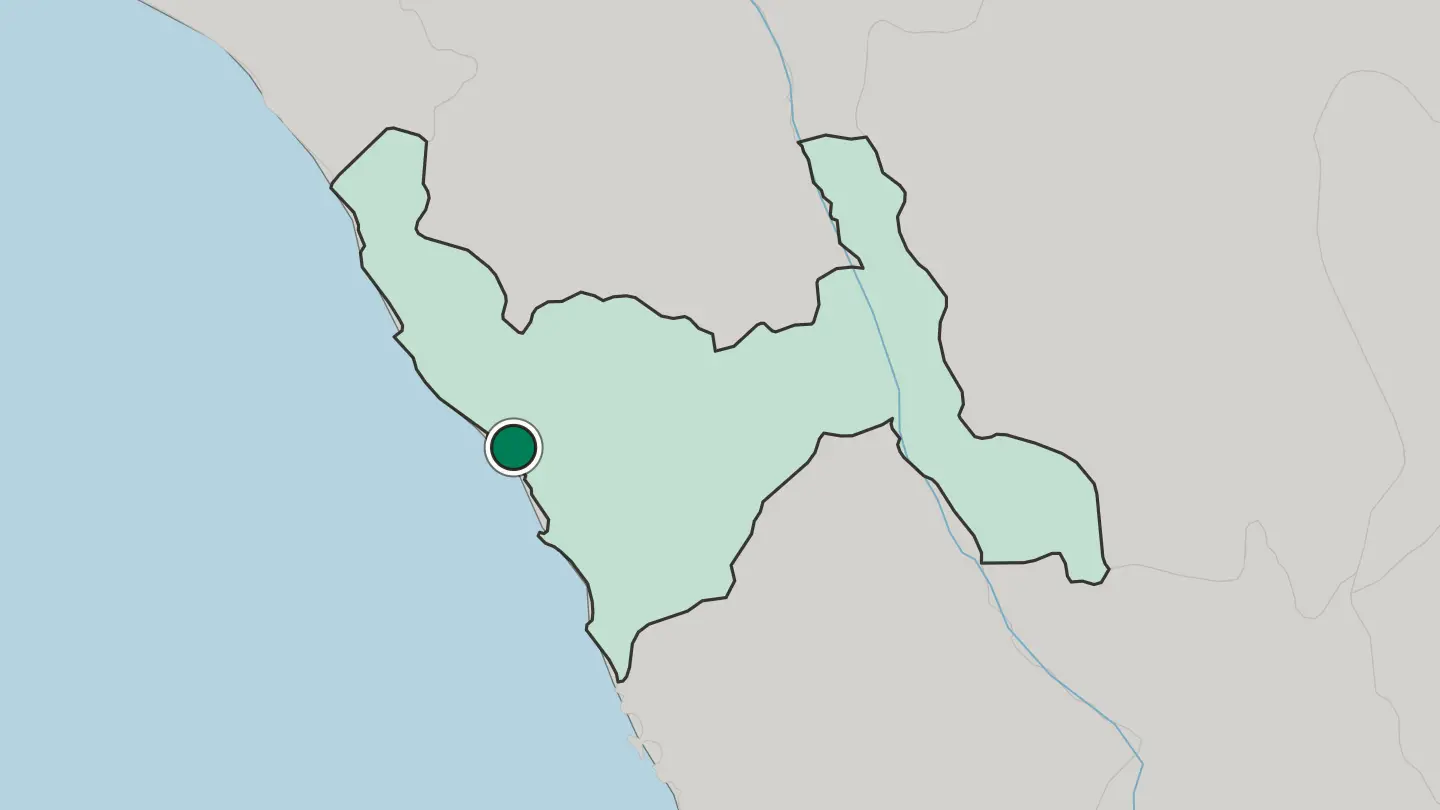
Hotel links are affiliate links: booking through them may earn us a commission, at no extra cost to you. It never affects how places are ranked. How this works
About Departamento de La Libertad
What is Departamento de La Libertad known for?
La Libertad is a region of northern Peru, and it fills the coast, the Andes and the Amazon-facing highlands in a single sweep. No other Peruvian region does. Trujillo is its capital, the third-largest city in the country, laid out on the arid coast beside the Moche River.
Just west of the city stand the mud-brick walls of Chan Chan, once the Chimú capital and the largest adobe city the Americas ever built. The Pacific edges the whole western side, cold with the Humboldt Current that keeps the coast dry.
Where is Departamento de La Libertad?
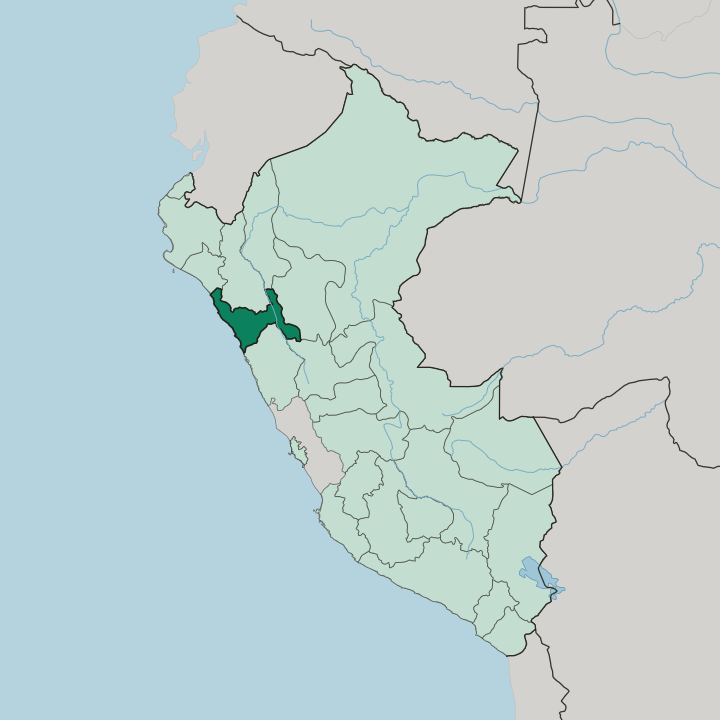
La Libertad reaches from the Pacific Ocean in the west up over the Andes and down toward the Amazon in the east, and few regions on the continent pack that much variety into one border. It is the only region of Peru to touch all three of the country's natural zones. The coast is a strip of desert, broken by green valleys where the Moche, the Chicama and the Virú rivers run down to the sea.
Trujillo sits on that coast, in the Moche valley, third-largest city in the country. Behind it the land climbs fast. Highland towns like Otuzco and Huamachuco lie up in the sierra, cooler and thinner-aired than the shore below.
Farther east the province around Huamachuco tips over the watershed, and its streams drain not to the Pacific but toward the Amazon River. The desert here would be barren without the rivers. Every one of them carries snowmelt off the Andes, and the old canals that once fed Chan Chan tapped exactly that water.
Water, not rainfall, is what makes the coast live.
What is Departamento de La Libertad like?
La Libertad carries the memory of Peru's north coast as much as any place in the country. This is Marinera country. The couples' dance, all handkerchiefs and footwork, is Peru's national dance, and Trujillo holds a festival built around it each year.
Older still is the archaeology in the ground. The Moche people raised the great adobe temples of the Sol and the Luna in these valleys, and the Chimú who followed built Chan Chan a short way west of Trujillo. Both cultures left friezes pressed into mud walls, fish and seabirds and moon-shaped gods drawn from the coast they lived on.
Down at Huanchaco, fishermen still ride the caballitos de totora, the slim reed boats their ancestors paddled off this same beach. The caballo de paso, Peru's high-stepping horse breed, is bound up with the region too. Craft, dance and ruin all trace back to the same coast.
What is the history of Departamento de La Libertad?
The region was Spanish long before it was Peruvian. Diego de Almagro laid out Trujillo in 1534 in the Moche valley, close to the ruins of Chan Chan, and the colonial Intendancy of Trujillo grew up around it. Independence came early.
Trujillo broke from Spain in 1820, one of the first Peruvian cities to declare for the cause. In 1825 the department was renamed La Libertad, meaning liberty, to mark that part in the founding of the republic. The Moche and Chimú who built here came centuries before any of it.
What is the climate of Departamento de La Libertad?
The coast of La Libertad is desert, and rain almost never falls on it. Trujillo even goes by the nickname City of Eternal Spring. The cold Humboldt Current offshore holds the shore mild and dry, wringing the water out of the coastal air before it can gather into cloud and break as rain.
Real storms come only with El Niño, when the sea warms and the Moche River swells and floods. The sierra is a different climate entirely. Climb into the Andes and a wet season soaks the highlands while the coast below stays parched all year.
How do you get to Departamento de La Libertad?
Almost every trip starts in Trujillo. Cap. FAP Carlos Martínez de Pinillos serves the city, a flight of about an hour up the coast from Lima and the main way in from abroad.
The Pan-American Highway runs the length of the coast, tying Trujillo to Lima in the south and to Chiclayo and the far north. From the city, short drives reach Chan Chan, the Moche temples and the beach at Huanchaco. Roads climb inland to Otuzco and Huamachuco in the sierra.
Common questions
What is the best area to stay in Departamento de La Libertad?
Trujillo: a first base and the ruins nearby. Huanchaco: surf, reed boats and the beach. Huamachuco: the sierra and Marcahuamachuco.
Good for
More regions in Peru
Updated September 2026