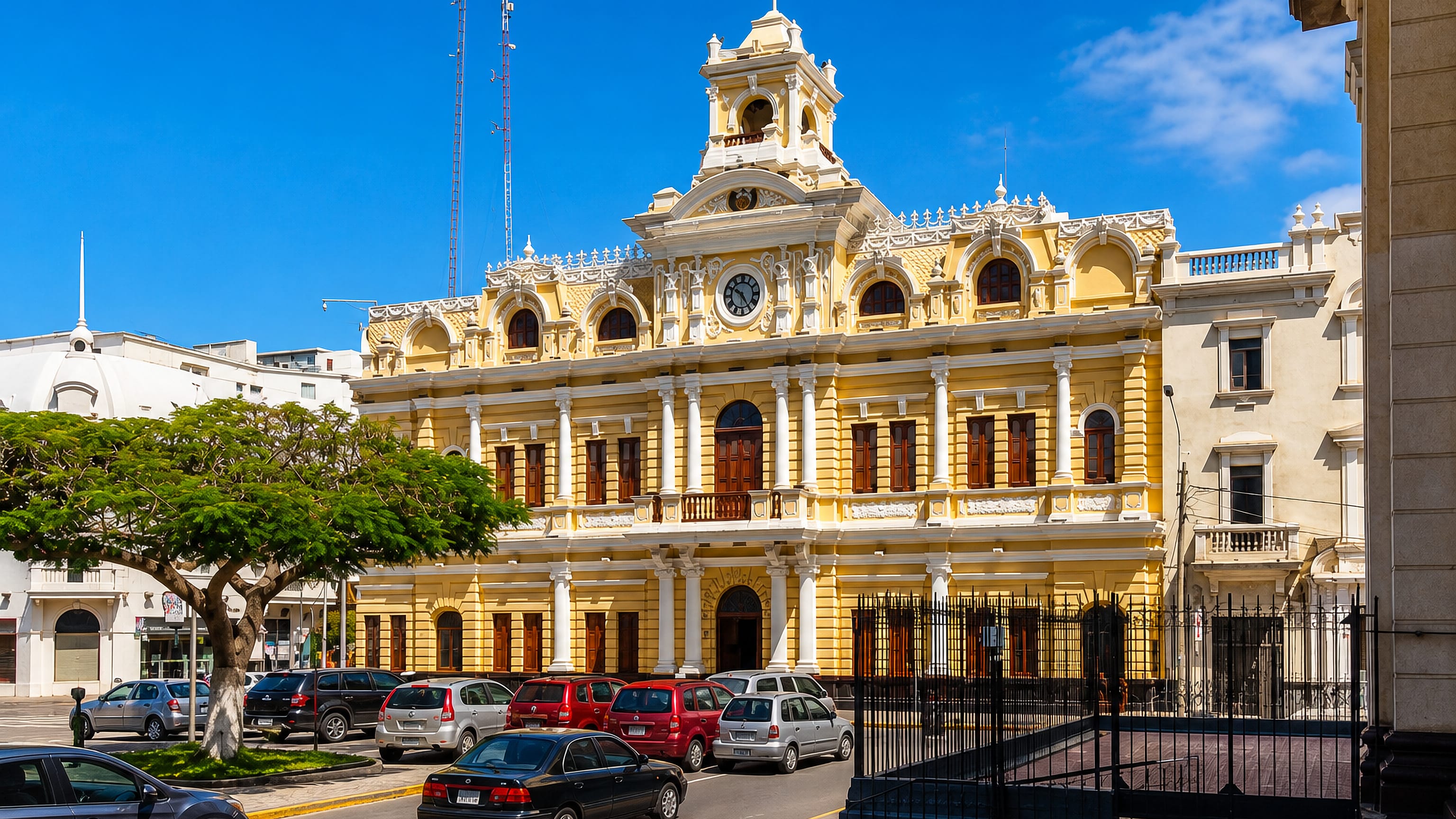
Peru · Departamento de Lambayeque
Where to Stay in Chiclayo, Departamento de Lambayeque
Chiclayo is a city of the northern desert coast of Peru, the capital of Lambayeque, a market town near the great Moche royal tombs of Sipán.
Hotel links are affiliate links: booking through them may earn us a commission, at no extra cost to you. It never affects how places are ranked. How this works


Where to stay in Chiclayo
Where the beds are, and what that means for the visit.
Where you stay in Chiclayo turns on the centre or the coast. The streets around the plaza keep the market, the cathedral, and the bus depots within a walk, and staying downtown suits anyone here for the city and the ruins. The market roars all day.
Buses leave for the tombs. Out toward the sea and the old estates, the town gives way to the fishing coast, the sugar valleys, and the desert ruins. A room by the shore trades the streets for the pier at Pimentel, the reed fishing boats, and the long Pacific beaches.
The ocean runs grey and cool. Stay downtown for the market, or by the coast for the sea. Chiclayo itself is a short drive back inland from the shore.
Find hotels in Chiclayo
Direct booking searches for these neighbourhoods.
The centre
Ringing Chiclayo's main plazaFind hotels in The centreStays wanting the beaches and seafoodThe coast
Out toward PimentelFind hotels in The coastHotel links are affiliate links: booking through them may earn us a commission, at no extra cost to you. It never affects how places are ranked. How this works
Things to do in Chiclayo
Ranked by global recognition; descriptions from Wikidata (CC0).
Museums & Galleries
2- The Royal Tombs of Sipan Museum
- Brüning Museum
Churches & Religious Sites
2- St. Mary's Cathedral Heritage
- Cathedral of Lambayeque Heritage
Castles & Historic Sites
2- Ventarron Heritage
- Collud-Zarpán
worth knowingacross 3 categories in Chiclayo
About Chiclayo
Chiclayo is the market city of the Lambayeque coast.
What is Chiclayo known for?
On the dry plain between the Andes and the Pacific in northern Peru, it stands near the ruined pyramids and royal tombs of the old Moche and Sicán, and it keeps the golden burial of the Lord of Sipán in a museum nearby, the adobe pyramids of Túcume on the desert, a famous herb-and-charm market at its heart, and the sugar and rice fields of the valley around. The dry plain runs to the sea. The bare desert lies beyond.
What are the main landmarks in Chiclayo?
The tomb of the Lord of Sipán is the treasure of the Chiclayo coast. The gold, silver, and turquoise buried with the Moche lord, dug from a pyramid at Sipán and shown in a great museum at Lambayeque, are the emblem of the region, north of the city. Pyramids stand on the desert.
The mud-brick pyramids of Túcume rise in a valley nearby, while the herb market, the old sugar estates, and the coast at Pimentel mark the country around Chiclayo.
What is the history of Chiclayo?
The coast of Lambayeque was old when Chiclayo rose. Long before the town, the Moche and then the Sicán raised great pyramids of mud brick on the plain and buried their lords in gold. The desert kept the tombs.
Under the sand at Sipán lay the grave of a Moche warrior-priest, his gold and turquoise hidden for centuries until diggers found him. Chiclayo itself grew late, as a market. Where the roads of the valley crossed, a town of traders and muleteers grew up between the old towns of Lambayeque and Ferreñafe, and it swelled on the sugar of the great estates around.
The tombs came to light in time. When the Lord of Sipán was unearthed, the gold of the Moche drew the world to the coast, and Chiclayo drew travellers to the pyramids, keeping its markets, its sugar, and its ancient dead. The gold now fills a museum.
Chiclayo keeps its market and its royal tombs on the Lambayeque plain.
Where is Chiclayo?
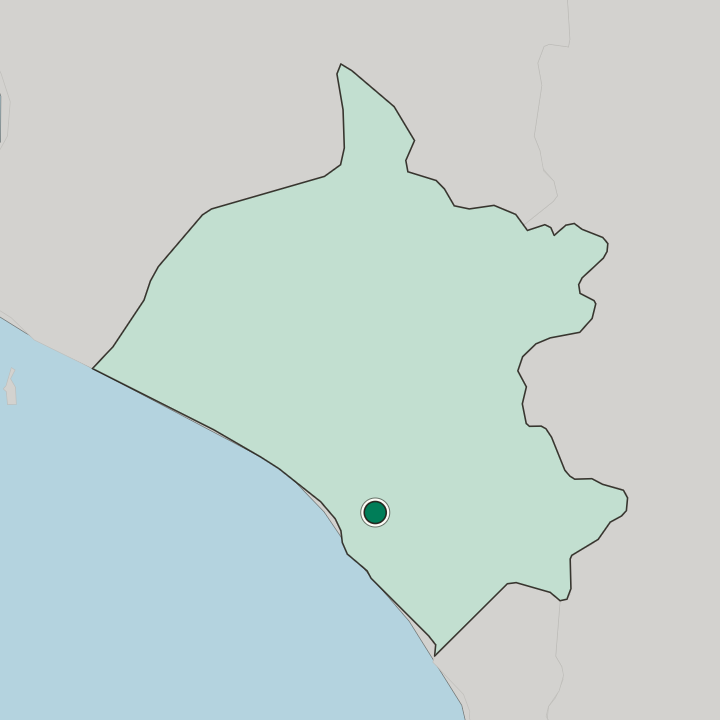
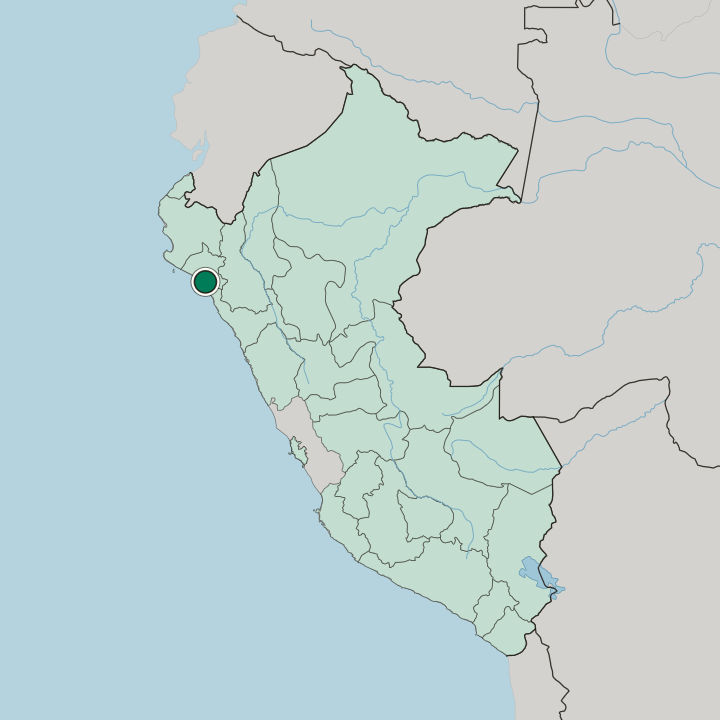
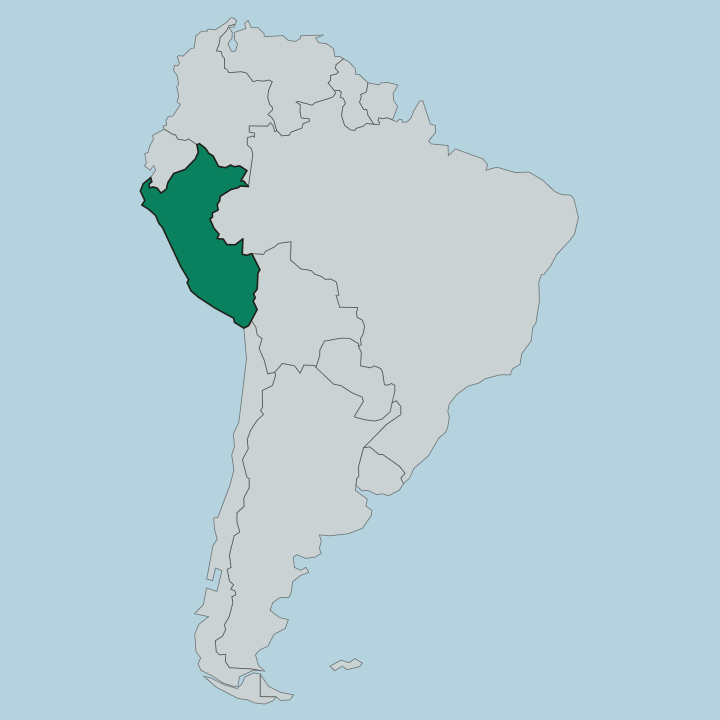
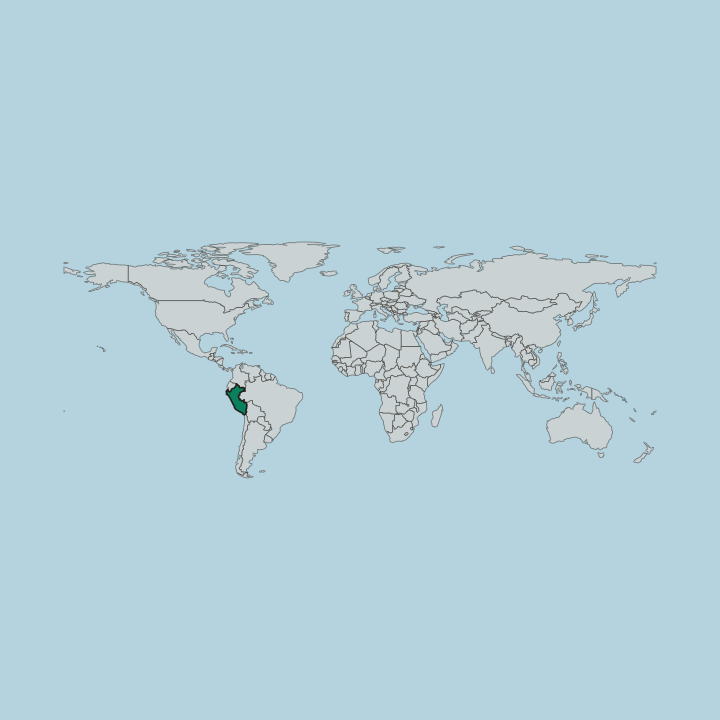
Chiclayo lies in the northwest of Peru, on a wide desert plain a little back from the Pacific. The city sits in the green valleys of Lambayeque, where rivers off the Andes water the sugar and rice, ringed by dry sand and scrub with the ocean to the west. Irrigated fields spread green around.
The desert runs bare beyond.
What is the climate of Chiclayo?
Chiclayo has a warm, dry desert climate. Mild dry weather holds along the coast all year, with soft grey skies in winter and warm sun in summer, and rain that almost never falls. The desert sun stays gentle.
Clouds hang low in winter.
How do you get to Chiclayo?
Chiclayo sits on the desert coast of northern Peru. Roads and flights reach it down the Pan-American highway from Trujillo and up from Lima, and lanes run out to the pyramids and the sea. Buses cross the plain.
Trujillo lies south down the coast.
Common questions
What is the best area to stay in Chiclayo?
The centre: Visitors here for the market and ruins. The coast: Stays wanting the beaches and seafood.
Good for
Updated September 2026