Peru
Departamento de Lambayeque, Peru — Towns & Travel Guide
Lambayeque is a desert department on Peru's northwest coast, ruled from Chiclayo, dense with Moche gold and mudbrick pyramids.
Hotel links are affiliate links: booking through them may earn us a commission, at no extra cost to you. It never affects how places are ranked. How this works


Towns & cities in Departamento de Lambayeque
One town here has its own guide — it links to where to stay.

 Peru
Peru
Chiclayo
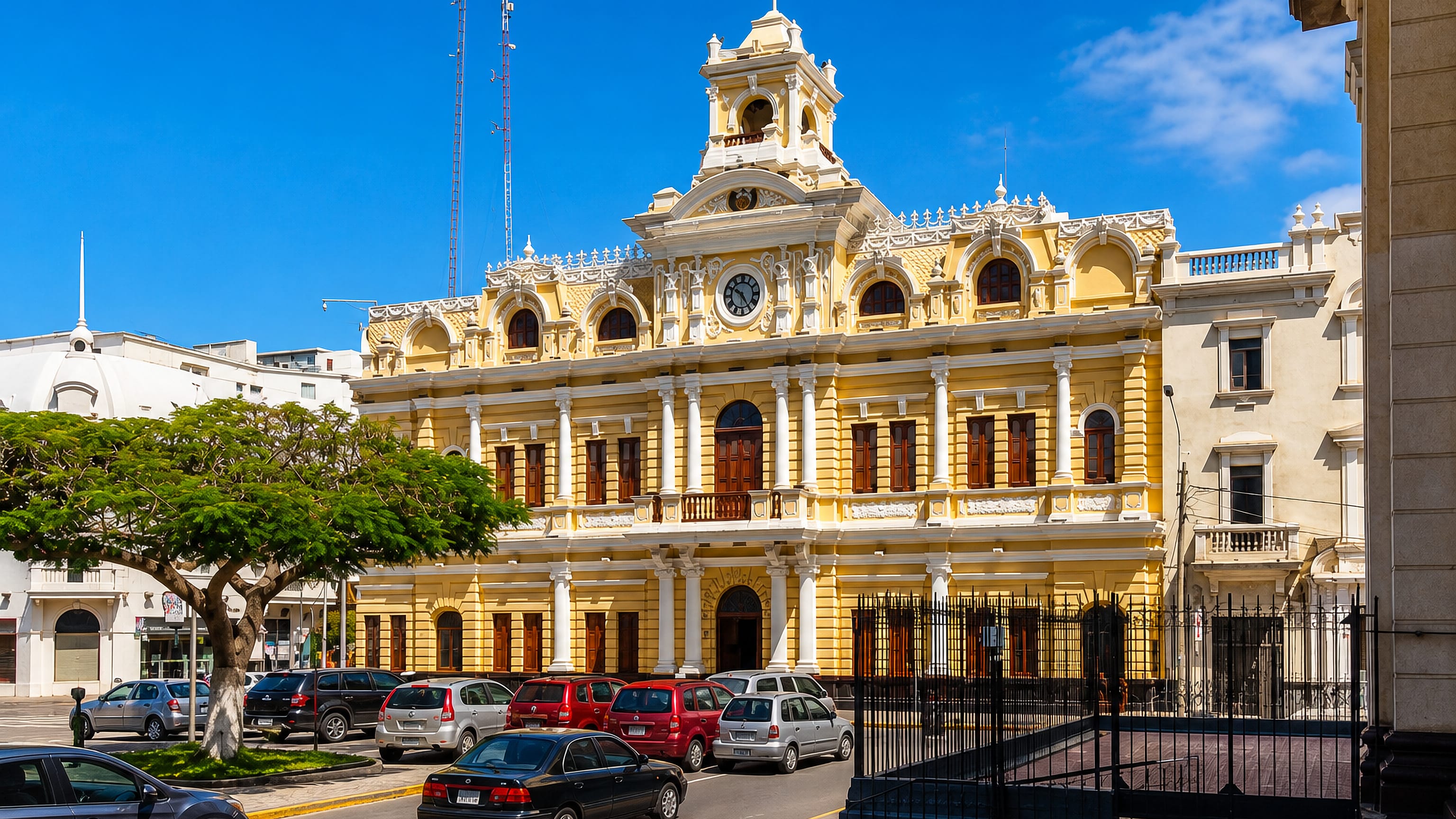
Chiclayo is a city of the northern desert coast of Peru, the capital of Lambayeque, a market town near the great Moche royal tombs of Sipán.Where to stay →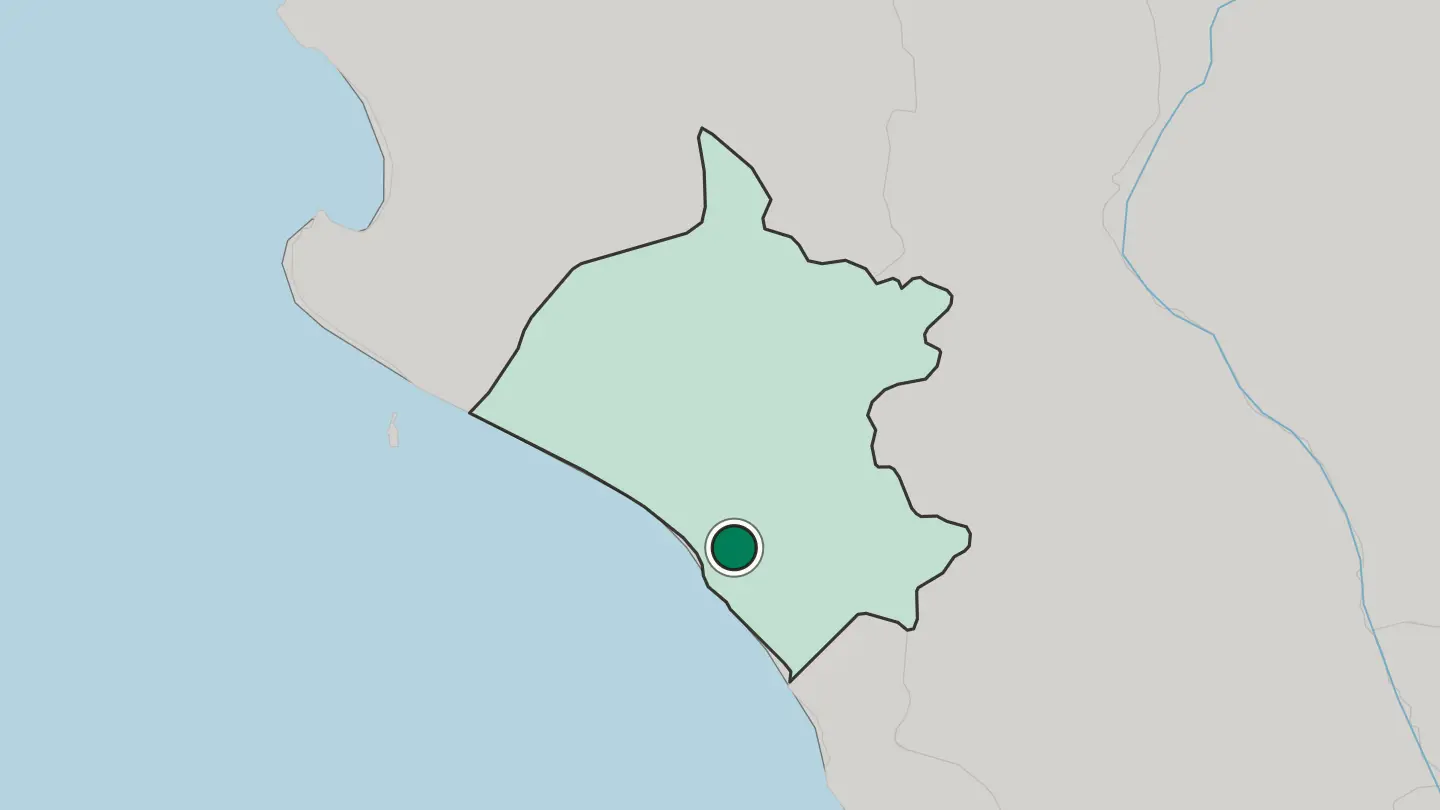
Hotel links are affiliate links: booking through them may earn us a commission, at no extra cost to you. It never affects how places are ranked. How this works
About Departamento de Lambayeque
Lambayeque is pre-Inca Peru made visible.
What is Departamento de Lambayeque known for?
The department holds two of the country's greatest digs, Sipán and Túcume, both a short drive from Chiclayo. At Sipán archaeologists opened an intact Moche royal tomb. Túcume answers with 26 eroded adobe pyramids standing on the plain by the La Leche river.
The Sicán culture bridges them. Food matters here as much as ruins, and northern dishes like arroz con pato and ceviche de conchas negras are cooked hard along the whole coast and argued over across Peru.
Where is Departamento de Lambayeque?
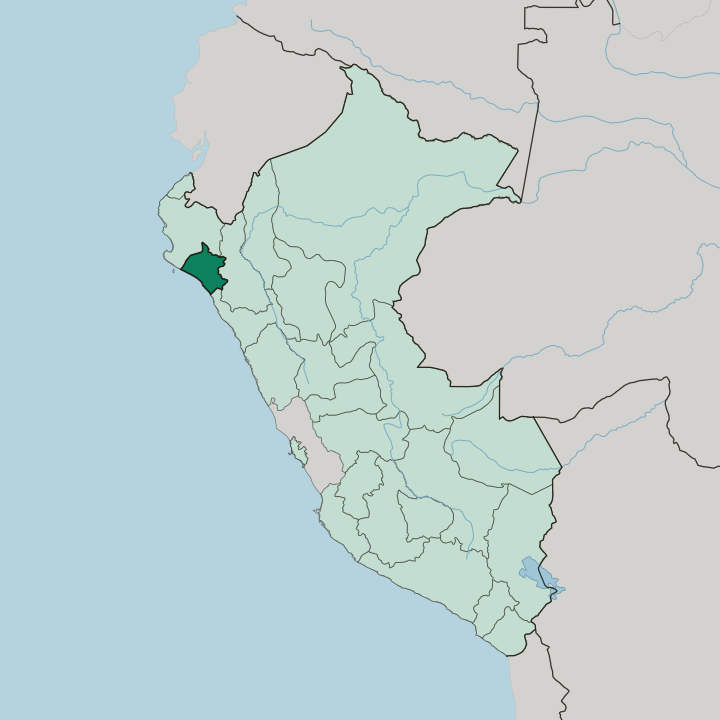
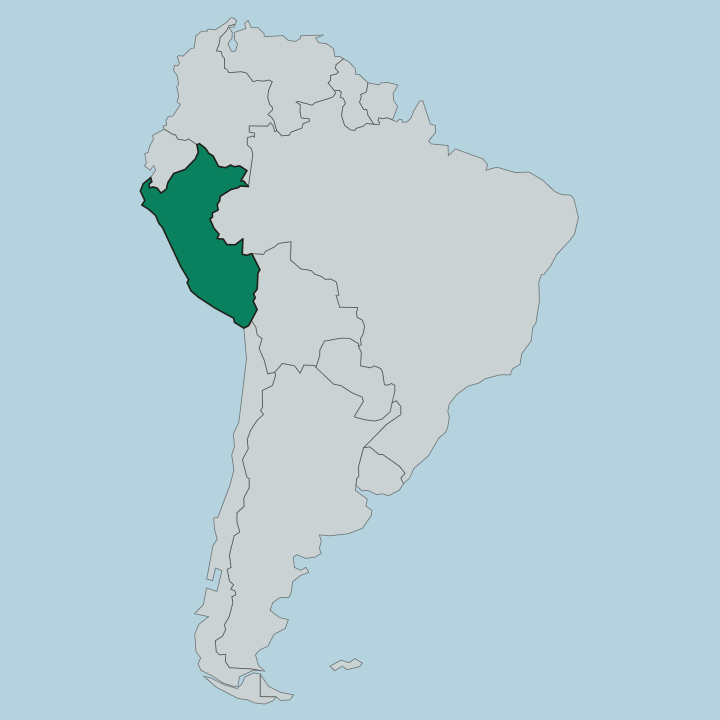
Lambayeque sits on the northwest coast of Peru, a wedge of desert between the Pacific Ocean and the foothills of the Andes. Lambayeque covers little ground. Only Tumbes is a smaller department, yet none of the others is as densely populated as this one.
Piura borders it to the north, Cajamarca to the southeast, and La Libertad to the south. Water makes the difference here. Rivers born in the Andes cross the plain westward and turn strips of it green, the Chancay-Lambayeque, the La Leche, and the Zaña among them, each swelling in the summer floods and shrinking through a long dry season.
The result is a patchwork of irrigated valleys inside a coastal desert. Sugarcane, rice, and cotton grow where the canals reach; algarrobo dry forest holds the ground where they do not, densest inside the Bosque de Pómac sanctuary around the Sicán pyramids. Chiclayo anchors the middle of it, a short run from both the ocean and the ruins.
Dunes and marine terraces line the shore to the south. The mountains stay in view to the east, feeding the rivers that made the whole department habitable in the first place.
What is Departamento de Lambayeque like?
Lambayeque wears its ancient past openly. The department is the homeland of the Sicán culture, the goldsmiths who worked between the fall of the Moche and the rise of the Chimú, and their masks and ceremonial knives fill the museums around Chiclayo. Modern life folds that inheritance into everyday craft and food.
Monsefú is the textile town, known for finely woven cotton, straw hats, and embroidery sold at its markets. Cooking is the loudest tradition of all. The northern table is a point of pride across Peru.
Cooks here are known for arroz con pato, the duck-and-coriander rice bound with chicha de jora, and for cabrito a la norteña, young goat stewed slow and served with beans and rice. On the coast, ceviche de conchas negras comes straight from the boats at ports like Pimentel and Santa Rosa. Spanish is the working language, spoken everywhere, while Quechua survives in the highland fringe to the east.
Faith, market day, and the kitchen still set the rhythm of the week, and the pre-Inca ruins outside town remain part of daily life rather than a thing kept behind glass.
What is the history of Departamento de Lambayeque?
The story here is far older than the republic. Moche farmers worked this coast in the early centuries AD, mastering the canals that turned desert into farmland and burying their lords, like the Lord of Sipán, with astonishing quantities of gold. Next came the Sicán culture, around 750 to 1375, raising the pyramid cities at Batán Grande and Túcume before the Chimú and then the Inca absorbed the valley.
Spanish rule remade the towns after that. Peru created the department of Lambayeque in 1874, carving it out with Chiclayo as its capital.
What is the climate of Departamento de Lambayeque?
Lambayeque is dry. It has a hot desert climate, warm across the seasons and starved of rain, cooled a little by the Pacific and its offshore current. The rivers off the Andes, not the sky, are what keep the valleys watered.
Real rain arrives only in the southern months, roughly January to March, when the mountain rivers flood and the La Leche can spill across the pyramid plain. El Niño years break the pattern hard, dumping enough water on the coast to threaten the adobe ruins themselves.
How do you get to Departamento de Lambayeque?
Most travellers fly into Chiclayo. Its airport, Capitán FAP José Abelardo Quiñones Gonzáles, sits just east of the city and links the department to Lima and the rest of Peru by air. The Pan-American Highway is the other spine, running the length of the coast and threading Chiclayo north toward Piura and south toward Trujillo.
From the city, everything of interest is close. Short roads reach Sipán, Túcume, the Bosque de Pómac, and the Pacific beach at Pimentel, so a base in Chiclayo puts the whole department within a day's reach.
Common questions
What is the best area to stay in Departamento de Lambayeque?
Chiclayo: reaching the pyramids and Moche museums. Pimentel: a beach evening on the Lambayeque coast.
Good for
More regions in Peru
Updated September 2026