Peru · Departamento de Loreto
Where to Stay in Iquitos, Departamento de Loreto
Iquitos is a city of the Peruvian Amazon, the largest town on earth that no road can reach, set deep in the rainforest on the great river.
Hotel links are affiliate links: booking through them may earn us a commission, at no extra cost to you. It never affects how places are ranked. How this works


Where to stay in Iquitos
The practical side of choosing where to sleep.
Where you stay in Iquitos turns on the riverfront or the town. The streets along the Malecón keep the old mansions, the plaza, and the river within a walk, and staying by the water suits anyone here for the Amazon. The great river runs past the front.
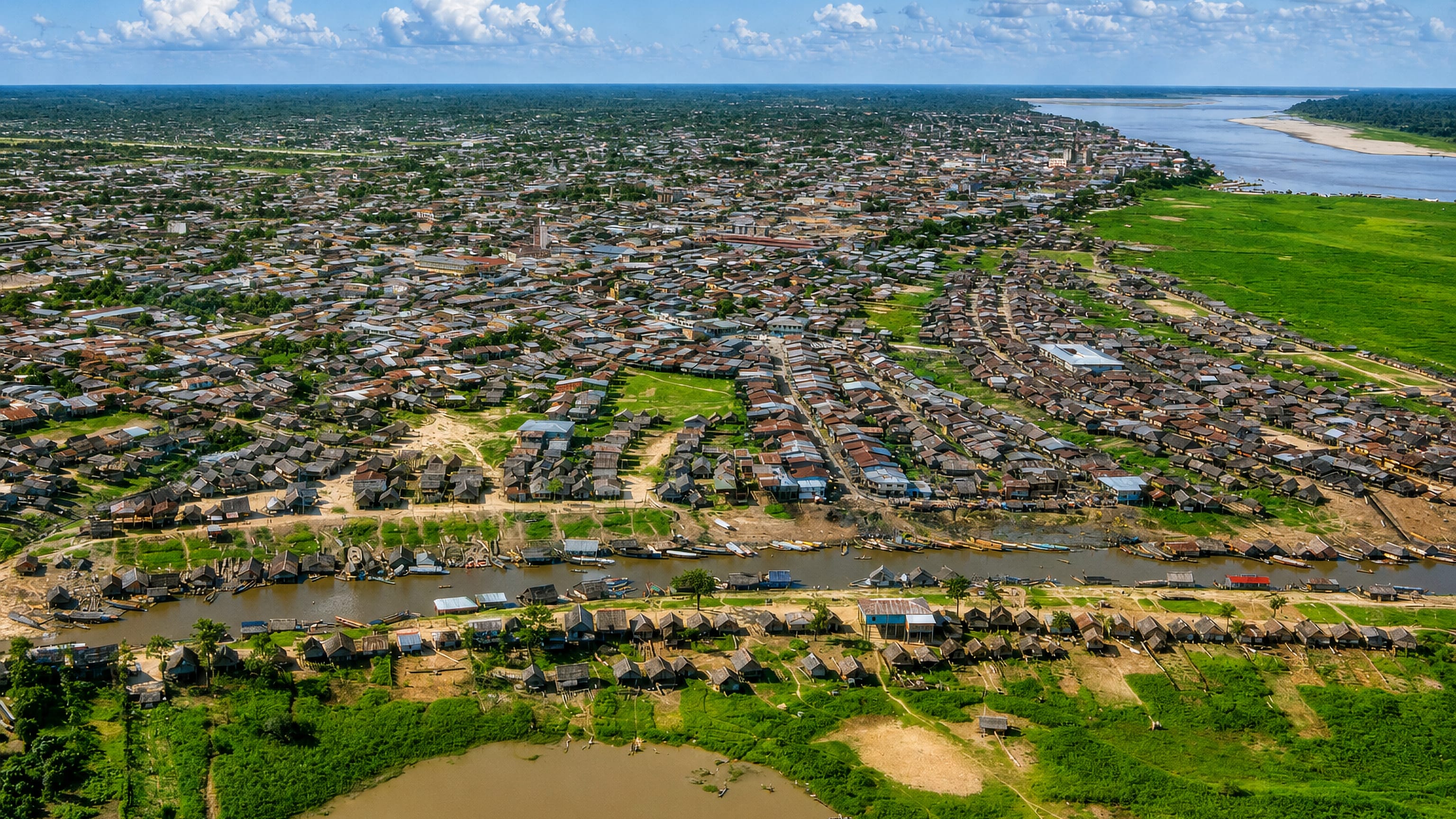
Boats crowd the landing. Down toward Belén and the water, the town gives way to stilt houses, floating markets, and the edge of the jungle. A room by the market trades the mansions for the floating houses, the river trade, and the green wall of the forest.
Stilt houses stand on the water. Stay on the Malecón for the mansions, or by Belén for the market. The river lies a short way out.
Find hotels in Iquitos
Direct booking searches for these neighbourhoods.
The riverfront
Along the Amazon in the centreFind hotels in The riverfrontStays wanting the floating market and river lifeBelén
Down by the waterFind hotels in BelénHotel links are affiliate links: booking through them may earn us a commission, at no extra cost to you. It never affects how places are ranked. How this works
About Iquitos
Iquitos is the jungle city of the upper Amazon.
What is Iquitos known for?
Deep in the rainforest of northern Peru, cut off from the world by hundreds of miles of jungle, it can be reached only by river or by air, and it keeps the grand tiled mansions of the old rubber barons, an iron house said to come from the workshop of Eiffel, the stilt-and-raft houses of the Belén market on the water, and the wide brown Amazon rolling past. The great river runs by the town. The forest closes in around.
What are the main landmarks in Iquitos?
The old rubber mansions line the riverfront at Iquitos. The grand houses faced with bright imported tiles, raised in the boom years along the Malecón above the Amazon, look out over the water, the emblem of the city, on the river. An iron house stands downtown.
The Casa de Fierro of bolted metal, said to come from the workshop of Eiffel, rises on the plaza, while the floating Belén market, the Amazon museum, and the jungle rivers mark the country around Iquitos.
What is the history of Iquitos?
Iquitos was made by the rubber boom. A small river town on the Amazon, it grew rich almost overnight when the world's hunger for rubber reached the jungle a century and more ago, and rubber barons raised grand tiled mansions on its riverfront. Rubber money flowed.
Fortunes made from the sap of jungle trees built theatres, iron houses, and fine streets far up the Amazon, and Iquitos boomed as a city of the forest. The boom did not last. When rubber seeds were carried away to Asia and the trade collapsed, the wealth drained from Iquitos, and the jungle city sank back into the forest.
The river kept the town. Cut off by hundreds of miles of jungle, Iquitos lived on by the great river, trading in timber, fish, and oil, and growing into the largest city of the Peruvian Amazon. The brown river still rolls past.
Iquitos keeps its mansions and its river in the rainforest.
Where is Iquitos?
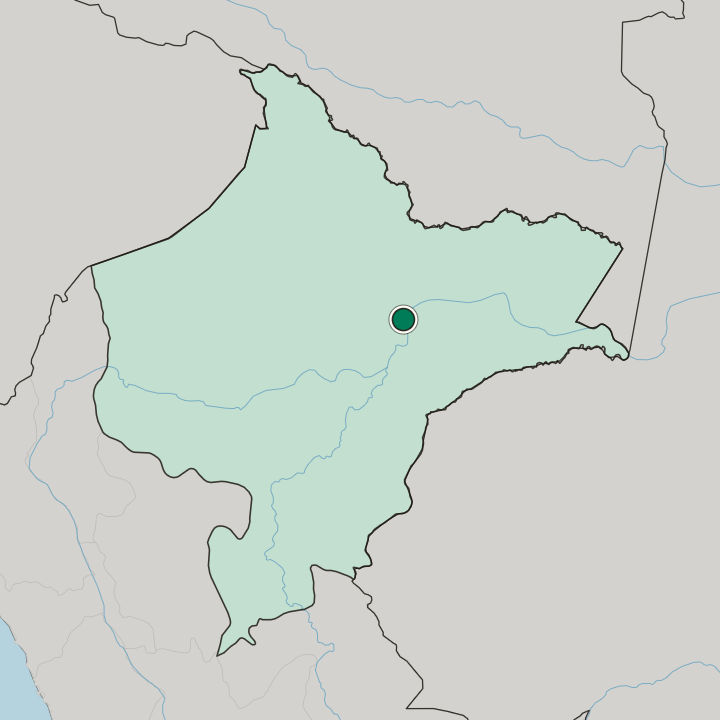
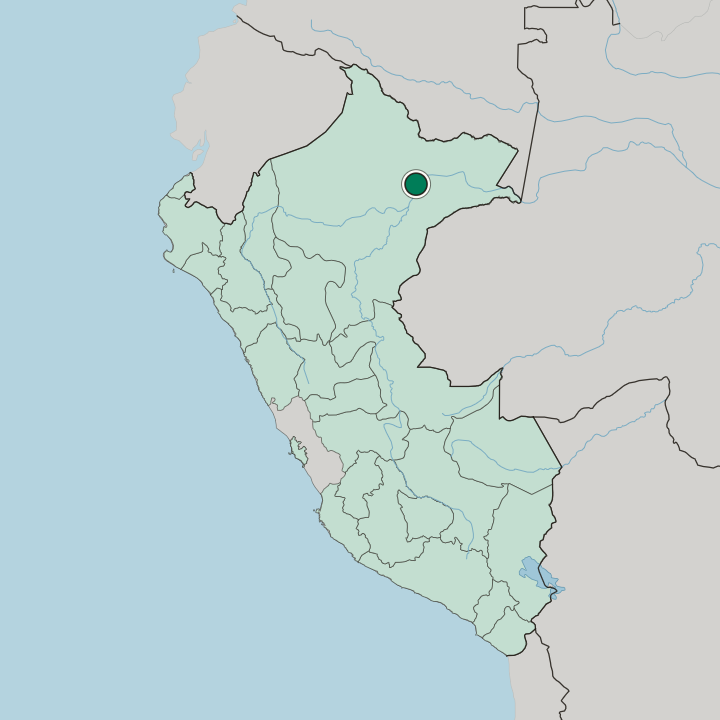
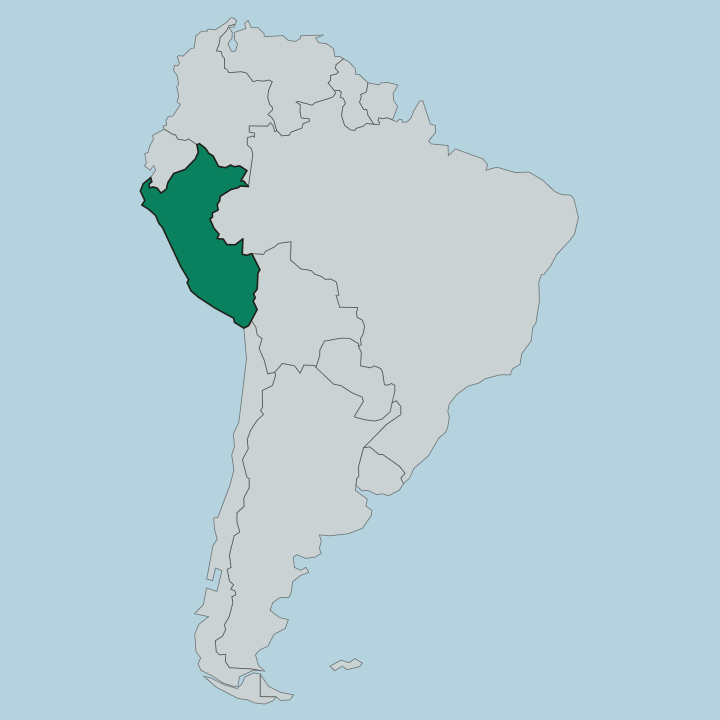
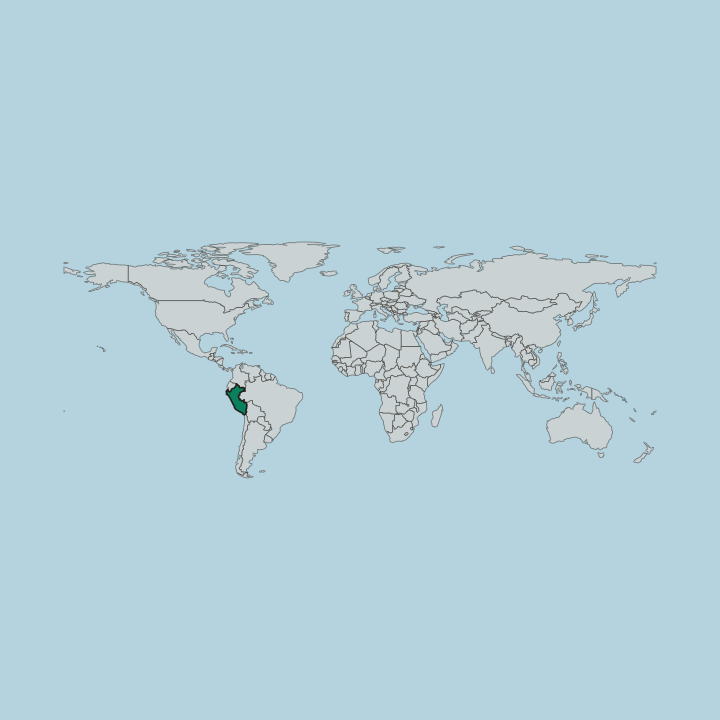
Iquitos lies in the far north of Peru, deep in the Amazon rainforest on the great river. The city stands on a bluff above the Amazon where the Nanay and the Itaya rivers join it, ringed for hundreds of miles by unbroken jungle, with no road leading out to the rest of the land. The forest runs to every horizon.
Rivers wind through the green.
What is the climate of Iquitos?
Iquitos has a hot, wet equatorial climate. Warm damp weather holds all year in the rainforest, with heavy rain in most months and a slightly drier spell, the air thick and steaming the year round. Rain drums on the roofs.
The heat hangs heavy and wet.
How do you get to Iquitos?
Iquitos lies deep in the Amazon, with no road linking it to the rest of Peru. Boats and planes bring all who come, up the great river from the delta or in by air over the forest, for the jungle allows no road. River launches crowd the port.
The forest walls the town.
Common questions
What is the best area to stay in Iquitos?
The riverfront: Visitors here for the mansions and Malecón. Belén: Stays wanting the floating market and river life.
Good for
Updated September 2026