Peru
Departamento de Loreto, Peru — Towns & Travel Guide
Loreto is Peru's largest department, an Amazon rainforest expanse reached only by river or air, ruled from the port of Iquitos.
Hotel links are affiliate links: booking through them may earn us a commission, at no extra cost to you. It never affects how places are ranked. How this works


Towns & cities in Departamento de Loreto
One town here has its own guide — it links to where to stay.

 Peru
Peru
Iquitos
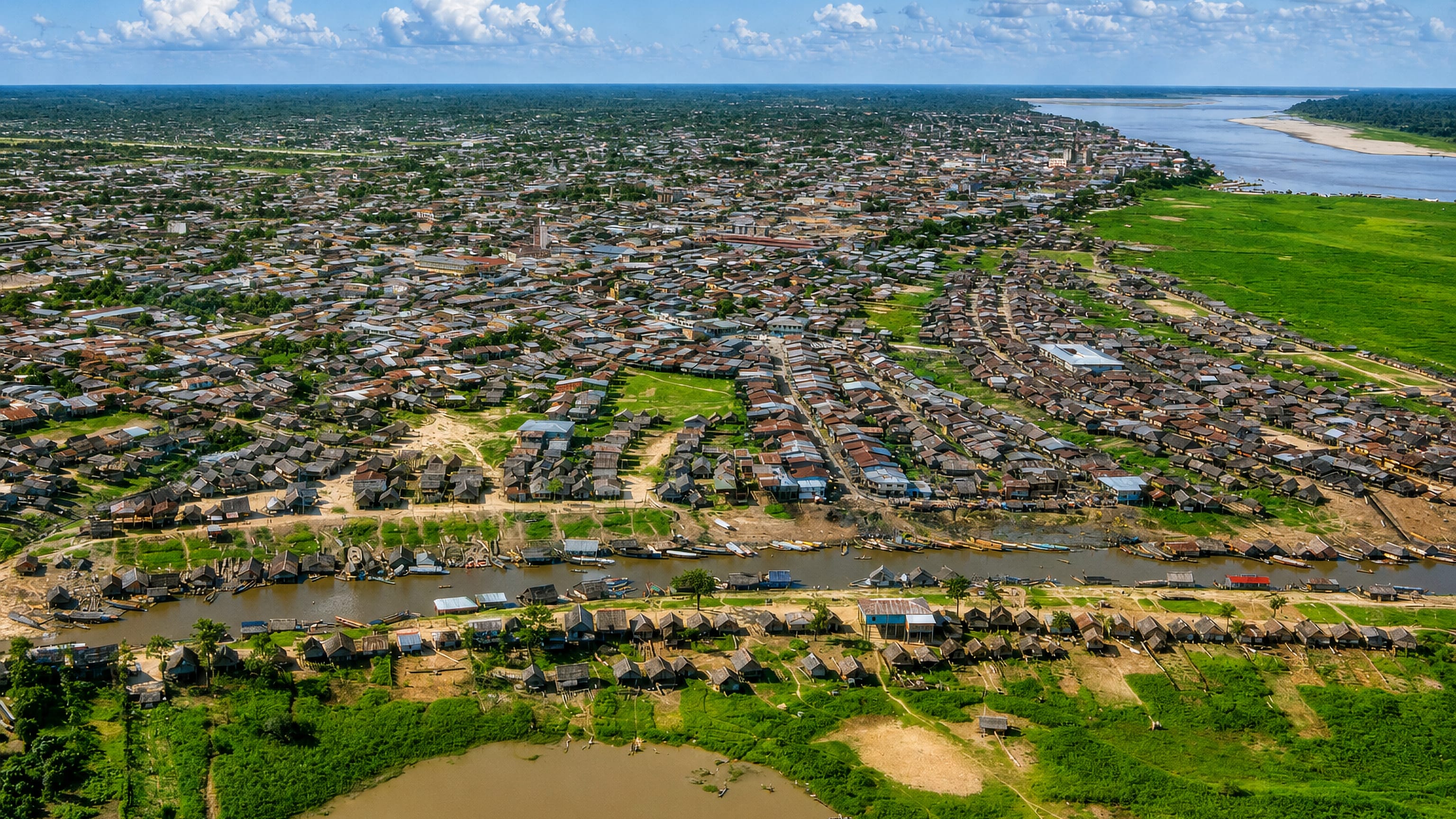
Iquitos is a city of the Peruvian Amazon, the largest town on earth that no road can reach, set deep in the rainforest on the great river.Where to stay →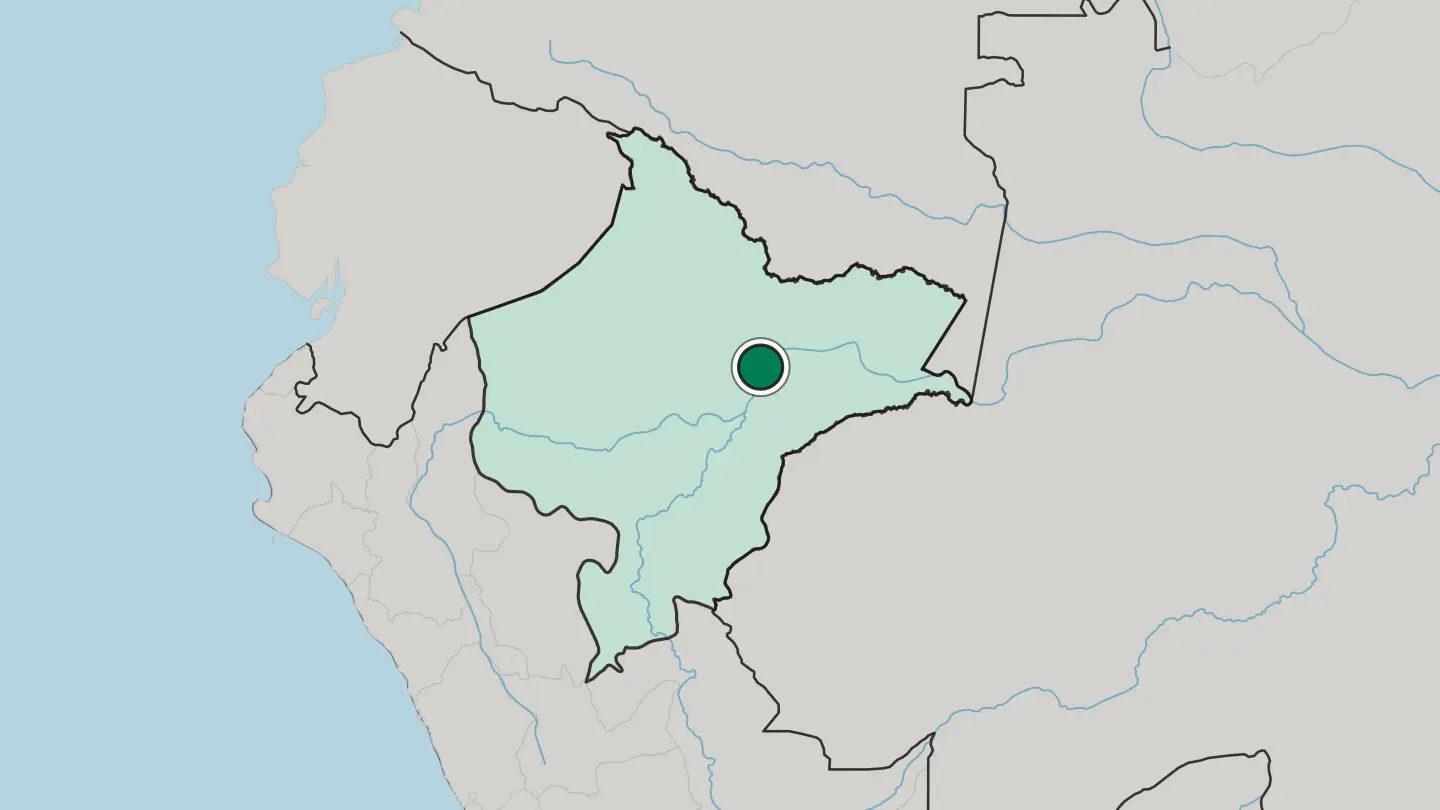
Hotel links are affiliate links: booking through them may earn us a commission, at no extra cost to you. It never affects how places are ranked. How this works
About Departamento de Loreto
Loreto is the Amazon.
What is Departamento de Loreto known for?
It fills the whole north-east corner of Peru with lowland rainforest, and its rivers do the work that roads do elsewhere. Iquitos anchors it all, a river port that grew rich on rubber and still cannot be reached by any highway. Downstream from the city the Marañón and the Ucayali join to form the Amazon itself.
Wildlife is the other draw, with pink river dolphins, macaws and manatees moving through the flooded forest of the Pacaya-Samiria reserve.
Where is Departamento de Loreto?
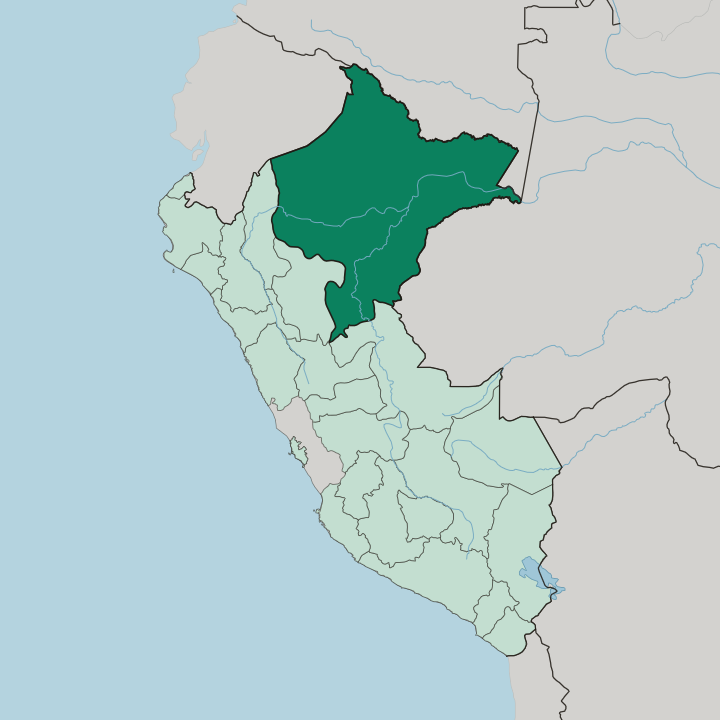
Loreto covers the whole north-east of Peru, and it is by far the country's largest department, taking up close to a third of the national territory. The land is Amazon lowland almost from end to end. It is flat, forested and threaded with rivers, and those rivers are the roads.
Three international borders wrap around it: Ecuador and Colombia to the north, and Brazil along the long eastern side. Inland, Loreto meets San Martín and Amazonas to the west and Ucayali to the south. The defining feature is the water.
The Marañón comes down from the Andes to the west, the Ucayali winds up from the south, and the two meet a short way above Iquitos near the town of Nauta. That junction is where the Amazon proper begins and takes its name. Iquitos stands on the great river downstream of the confluence, a city of half a million with no road to the outside world.
Because the terrain is so wet and so vast, settlement clings to the riverbanks. Nauta and Yurimaguas are river towns; Pacaya-Samiria fills the low ground between the Marañón and the Ucayali with seasonally flooded forest.
What is Departamento de Loreto like?
Life in Loreto runs on the river. Spanish is the common tongue, but the department is deeply Amazonian, and dozens of Indigenous peoples live along its waterways, among them the Kokama who helped found Nauta and the Ikitu of the Nanay basin. Food comes from the forest and the water.
Grilled paiche and doncella fish, palm-heart salads, and the strong sugarcane spirit poured over jungle bark and roots all belong to the local table. Iquitos gives the culture its edge. The rubber barons left the port a run of tiled mansions and an iron building attributed to the Gustave Eiffel workshop, and the Belén quarter below the centre floats on stilts and rafts over the Itaya, its market piled with river fish, forest fruit and medicinal plants.
The rhythm is unhurried and river-paced. Motorised canoes and three-wheeled mototaxis do the moving that cars do elsewhere, and much of daily trade still arrives by boat from upstream. This is a frontier culture shaped by the forest around it, not by any road.
What is the history of Departamento de Loreto?
Indigenous peoples such as the Kokama and Ikitu lived along Loreto's rivers long before the Jesuits arrived and gathered them into mission towns in the eighteenth century. The turning point came with rubber. When vulcanised rubber created a worldwide demand for latex, Iquitos boomed as an export port, and the barons who worked the wild rubber trees raised mansions and shipped their fortunes down the Amazon.
Then the boom broke. Seeds smuggled to plantations in South-East Asia undercut the wild trade, and by the early twentieth century the money drained away as fast as it had come.
What is the climate of Departamento de Loreto?
Loreto is hot, humid and wet all year, a true equatorial rainforest climate. Temperatures hold in the high twenties to low thirties Celsius with barely a seasonal swing. What changes is the water.
The rivers rise through the wetter months from about December to May, when the Marañón and the Ucayali swell and flood the low forest of Pacaya-Samiria, then drop back through the drier stretch from June to September to expose sandbanks and beaches. Rain can fall in any month. Travellers pick their season by whether they want to paddle over the flooded canopy or walk the forest trails.
How do you get to Departamento de Loreto?
You fly. Iquitos has no road link to the rest of Peru, so its airport is the practical way in, with flights up from Lima and across the Andes. The alternative is slow and by water.
Roads from the highlands reach Yurimaguas on the Huallaga, and from there decked cargo boats work downriver for days to Iquitos. Within Loreto, travel means boats of every size, from the big multi-deck riverboats to the fast launches and dugout canoes that serve villages off the main channels of the Amazon.
Common questions
What is the best area to stay in Departamento de Loreto?
Iquitos: a first base for Pacaya-Samiria. Nauta: reaching the flooded-forest reserve. Yurimaguas: the overland-then-river route in.
More regions in Peru
Updated September 2026