Peru · Departamento de Madre de Dios
Where to Stay in Puerto Maldonado, Departamento de Madre de Dios
Puerto Maldonado is a city of the southern Amazon in Peru, where two great rivers join, the way into the rainforest of Tambopata and Manú.
Hotel links are affiliate links: booking through them may earn us a commission, at no extra cost to you. It never affects how places are ranked. How this works


Where to stay in Puerto Maldonado
Where visitors usually base themselves, and why.
Where you stay in Puerto Maldonado turns on the town or the jungle. The streets around the plaza keep the market, the riverfront, and the butterfly house within a walk, and staying downtown suits anyone here for the town. The great river runs below.
Motorbikes buzz through the streets. Out along the rivers and into the forest, the town gives way to the jungle lodges, the oxbow lakes, and the clay licks of the reserve. A room in the forest trades the streets for the river lodges, the macaw licks, and the deep green jungle.
The rivers run on for miles. Stay downtown for the town, or out for the jungle. The jungle city sits where the rivers join.
Find hotels in Puerto Maldonado
Direct booking searches for these neighbourhoods.
The town centre
In the blocks ringing Puerto Maldonado's plazaFind hotels in The town centreStays wanting the rainforest and clay licksThe jungle lodges
Out along the riversFind hotels in The jungle lodgesHotel links are affiliate links: booking through them may earn us a commission, at no extra cost to you. It never affects how places are ranked. How this works
About Puerto Maldonado
Puerto Maldonado is the jungle city of the southern Amazon.
What is Puerto Maldonado known for?
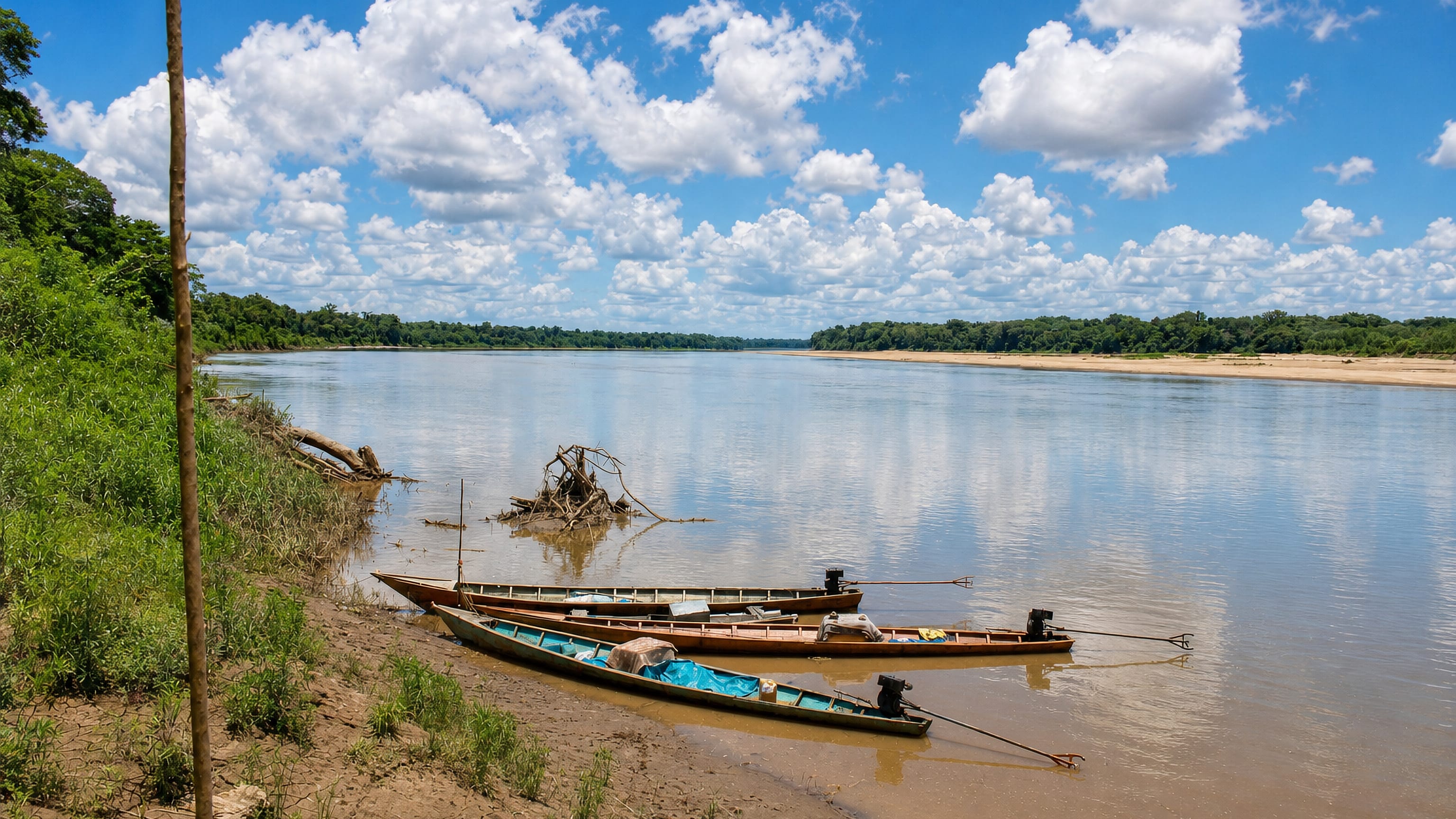
Where the Madre de Dios and Tambopata rivers join in the rainforest of Peru, it grew as a frontier town of rubber and Brazil nuts, and it keeps the way into the great Tambopata reserve, the macaw clay licks and oxbow lakes of the jungle, the harvest of Brazil nuts from the forest, and the road bridge over the Madre de Dios. The great rivers run brown through the forest. Rainforest spreads to the sky.
What are the main landmarks in Puerto Maldonado?
The Tambopata reserve is the pride of the Puerto Maldonado country. The vast rainforest along the river, alive with macaws, monkeys, and giant otters, is the emblem of the region, out of downtown. Parrots gather at the clay licks.
The great clay licks draw flocks of macaws along the riverbanks nearby, while the oxbow lakes, the Brazil-nut forests, and the river bridge mark the country around Puerto Maldonado.
What is the history of Puerto Maldonado?
Puerto Maldonado grew in the rubber days. Founded where the Tambopata joins the Madre de Dios, it rose as a frontier port in the great rubber boom of the Amazon, deep in the wild southeast. The rubber gave way to nuts.
When the rubber trade fell, the town lived on Brazil nuts and timber from the forest, gathered from the vast jungle around. The forest drew the world's travelers. Around Puerto Maldonado lay the Tambopata reserve and Manú, some of the richest rainforest on earth, full of macaws, monkeys, and giant otters, and lodges rose along the rivers to receive visitors.
A great road reached the town. The Interoceanic Highway was flung across the Amazon and bridged the Madre de Dios at the city, linking Brazil to the Pacific, so Puerto Maldonado grew as the capital of the southern jungle, keeping its rivers, its forest, and its trade. The rivers still carry the boats.
Puerto Maldonado keeps its jungle city on the Madre de Dios.
Where is Puerto Maldonado?
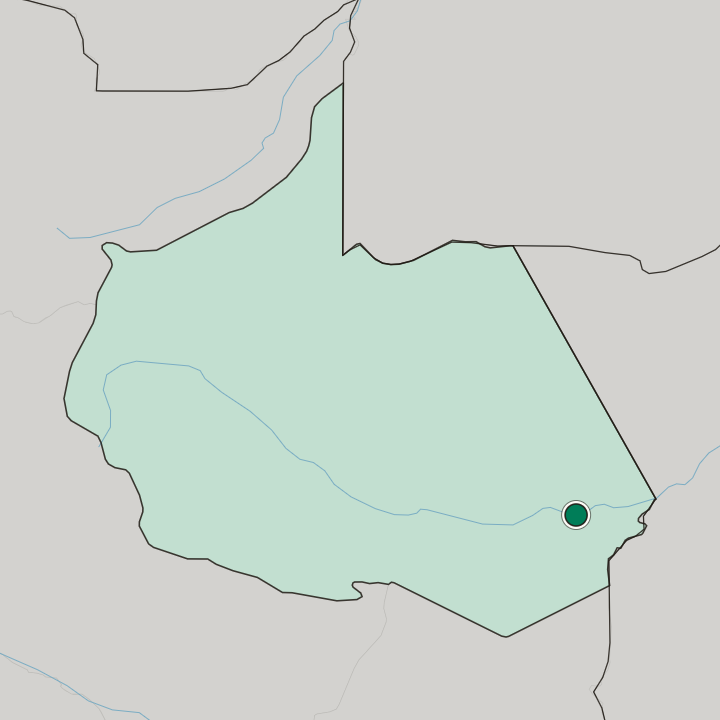
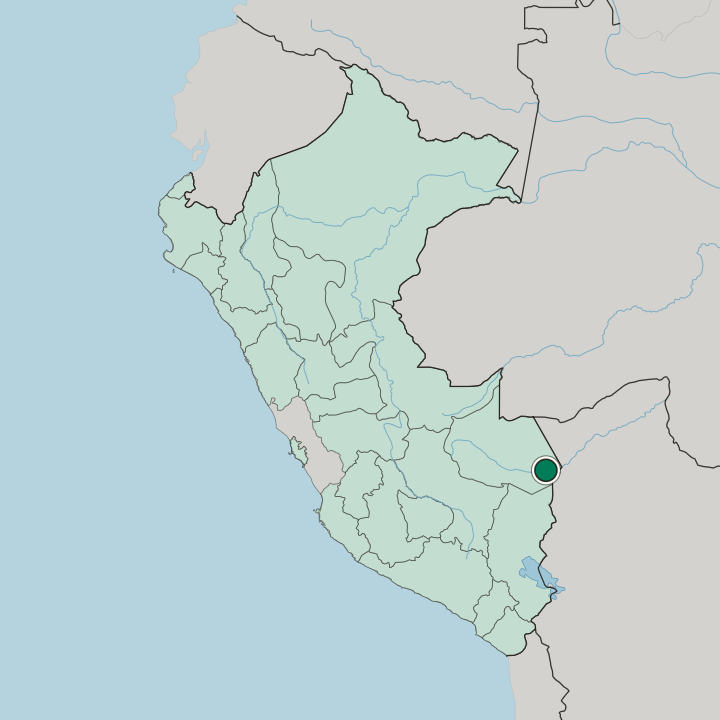
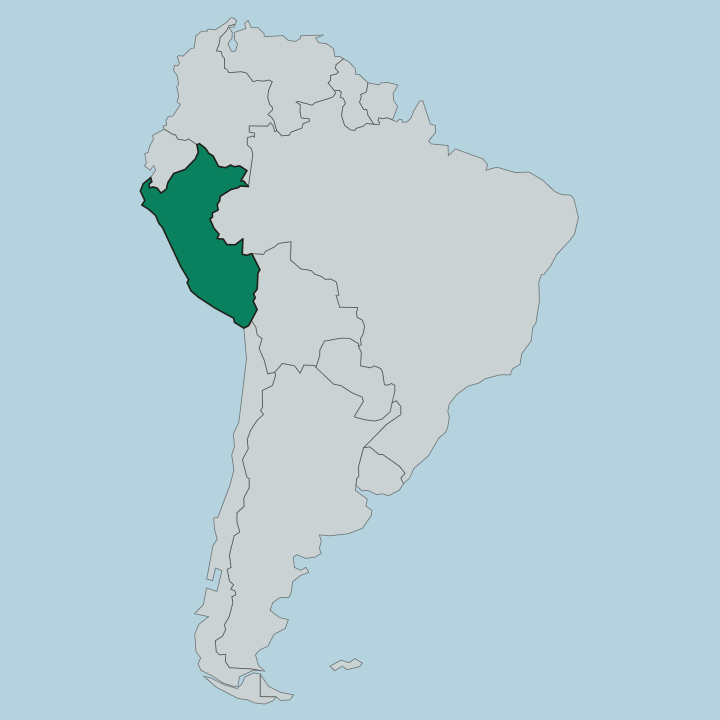
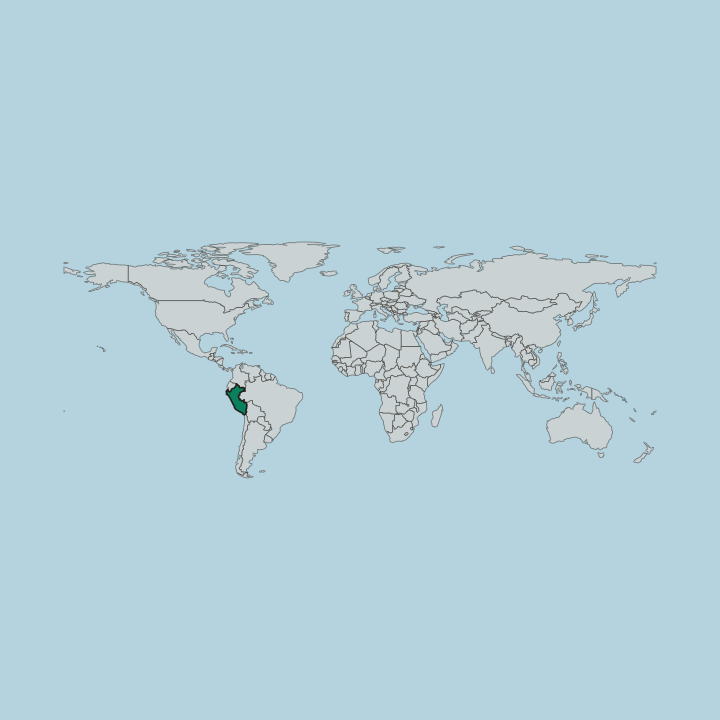
Puerto Maldonado lies in the southeast of Peru, in the Amazon lowlands of Madre de Dios. The city sits where the Tambopata joins the Madre de Dios river, deep in the rainforest, near the borders of Bolivia and Brazil, with the jungle spreading out on every side and the rivers winding through the trees. The rivers run wide and brown.
Rainforest walls the town.
What is the climate of Puerto Maldonado?
Puerto Maldonado has a hot, humid rainforest climate. Warm wet weather holds all year in the jungle, with heavy rains through the seasons and a few cold spells when the southern winds blow up. The rains fall almost daily.
Cold friajes sweep up now and then.
How do you get to Puerto Maldonado?
Puerto Maldonado lies in the southeast of Peru, deep in the Amazon. Flights land from Cusco and Lima over the mountains, and the Interoceanic Highway runs in from Cusco and Brazil. Boats work the rivers.
Cusco lies west over the Andes.
Common questions
What is the best area to stay in Puerto Maldonado?
The town centre: Visitors here for the market and riverfront. The jungle lodges: Stays wanting the rainforest and clay licks.
Good for
Updated September 2026