Peru
Departamento de Madre de Dios, Peru — Towns & Travel Guide
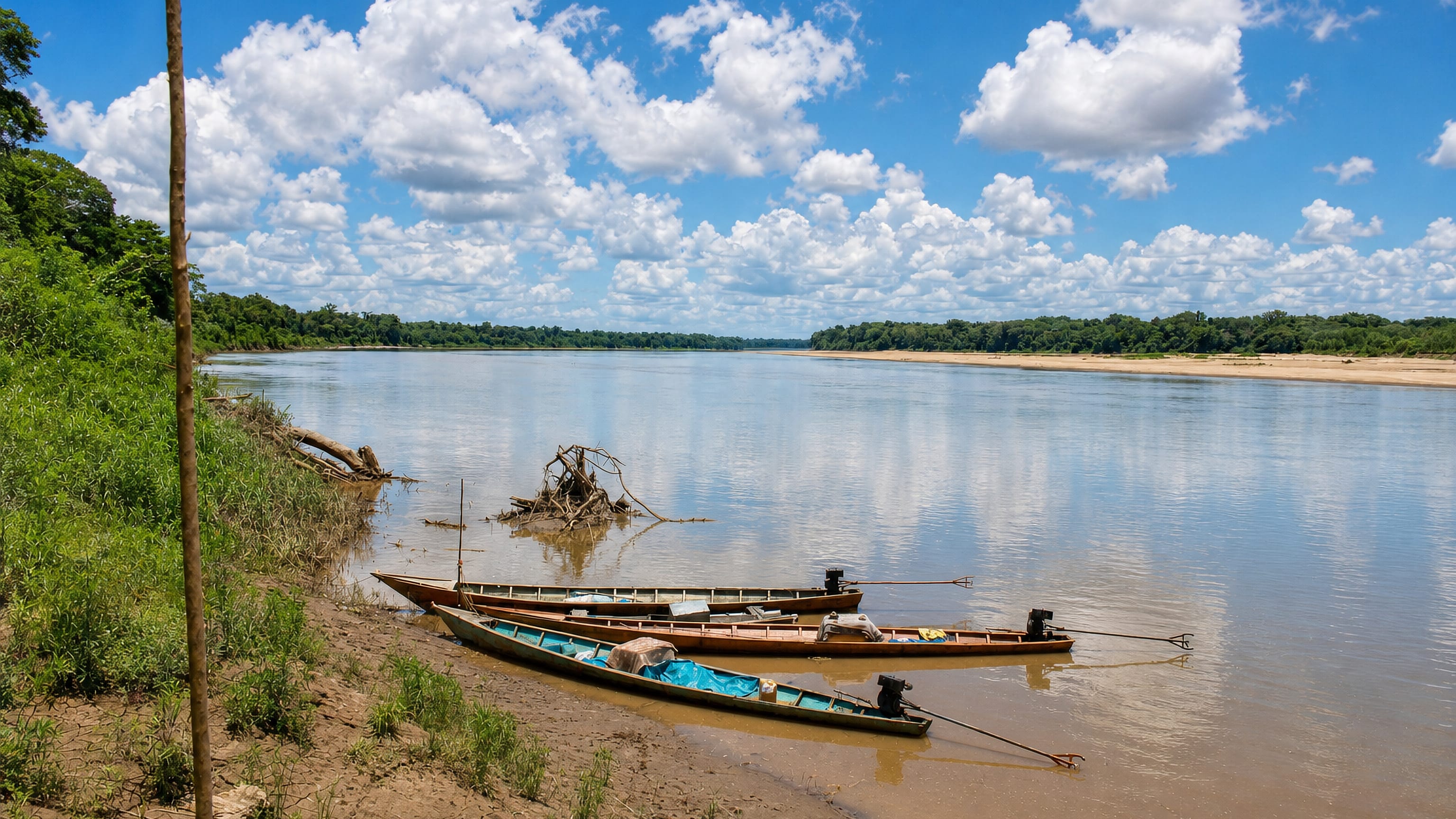
Madre de Dios is a department of Peru in the Amazon Basin, named for the river that crosses it, with Puerto Maldonado as its capital.
Hotel links are affiliate links: booking through them may earn us a commission, at no extra cost to you. It never affects how places are ranked. How this works


Towns & cities in Departamento de Madre de Dios
One town here has its own guide — it links to where to stay.

 Peru
Peru
Puerto Maldonado
Puerto Maldonado is a city of the southern Amazon in Peru, where two great rivers join, the way into the rainforest of Tambopata and Manú.Where to stay →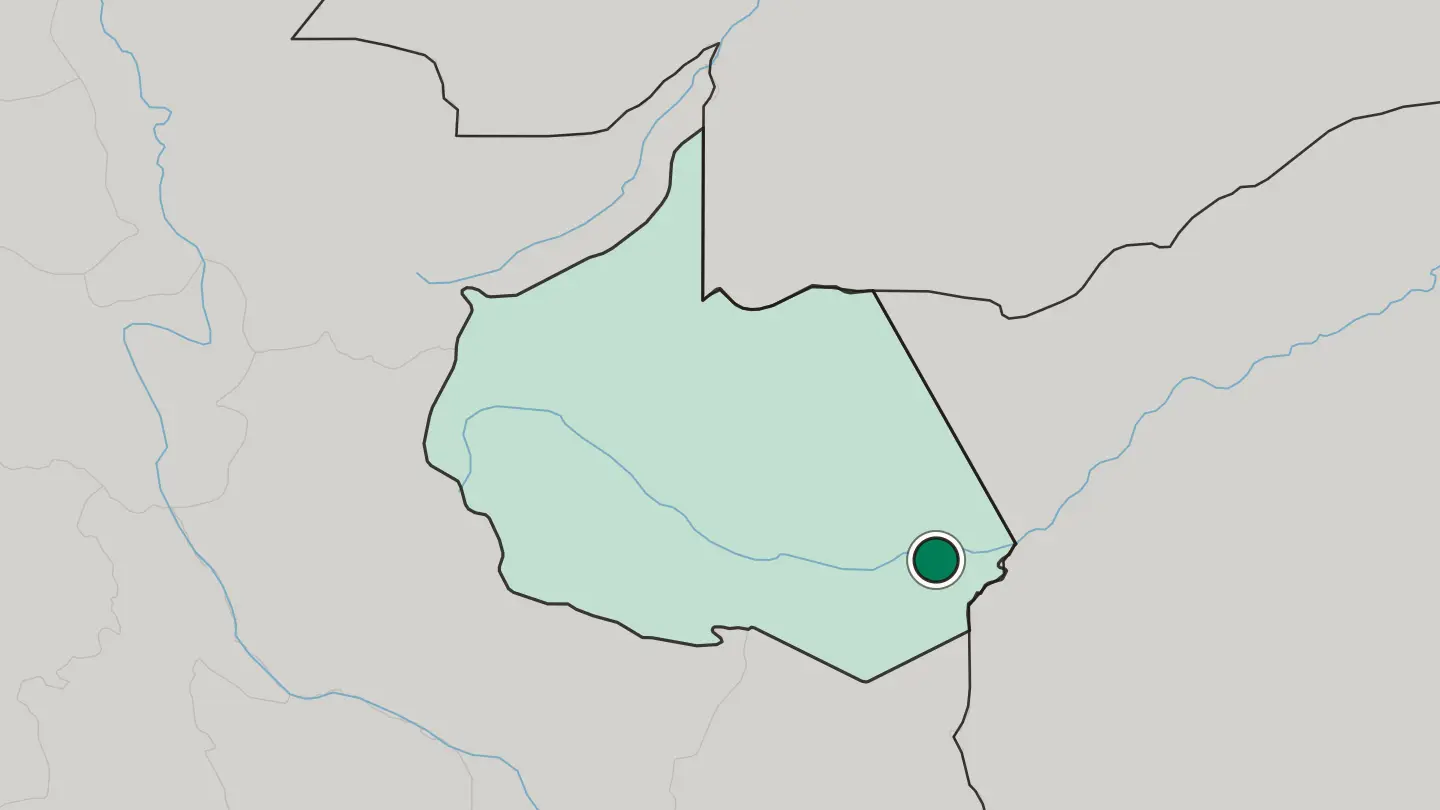
Hotel links are affiliate links: booking through them may earn us a commission, at no extra cost to you. It never affects how places are ranked. How this works
About Departamento de Madre de Dios
The river gives the department its name.
What is Departamento de Madre de Dios known for?
Madre de Dios runs through the Amazon Basin as the third largest department in Peru, behind Ucayali and Loreto, and its ground touches Brazil and Bolivia as well as Puno, Cusco and Ucayali. Puerto Maldonado is the main city. Everything a visitor arranges here resolves through that one centre, because no second town of comparable weight is named anywhere inside the department.
Where is Departamento de Madre de Dios?
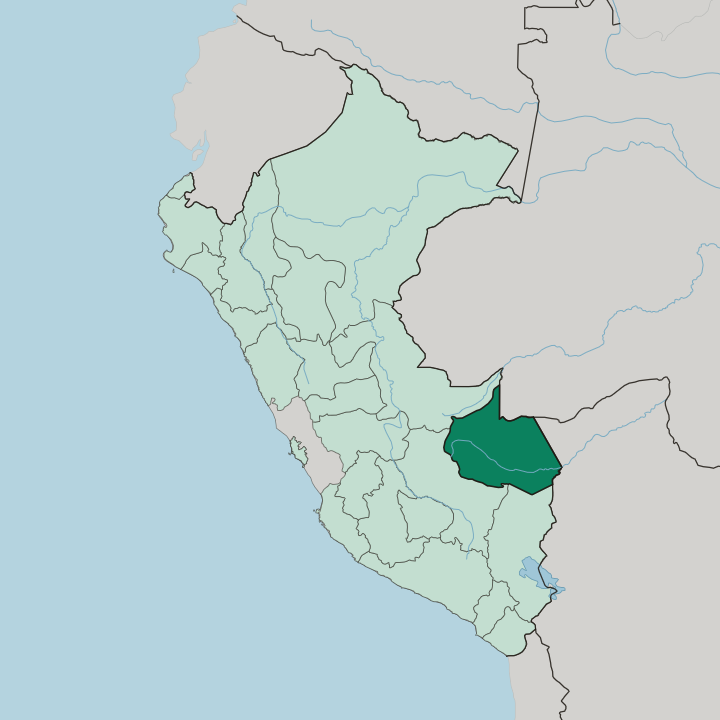
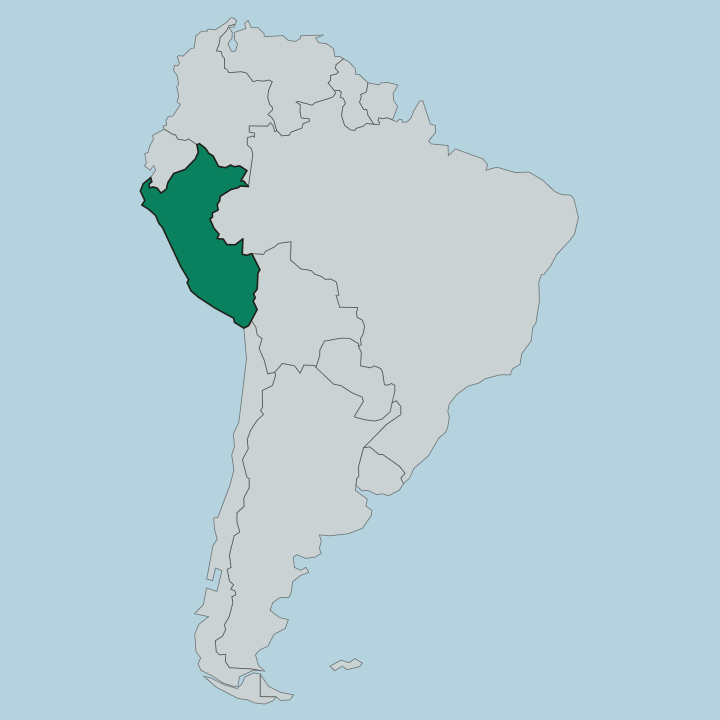
Madre de Dios lies in the Amazon Basin. The department borders Brazil and Bolivia, and inside Peru it meets Puno, Cusco and Ucayali, which gives it two international boundaries and three domestic ones on a single perimeter. Its footprint is vast.
Only Ucayali and Loreto cover more ground among Peru's departments, and the scale of it is what makes the Madre de Dios river the practical axis rather than any road or administrative line. Puerto Maldonado sits on the record as the capital. Nothing else in the department is named at that administrative level.
The river is the department's most important. Madre de Dios takes its name from that water, and the correspondence between river and department is exact enough that a reference to one carries the other without much risk of confusion. Tropical ground fills the rest of it.
Amazon Basin territory reaches every border the department holds, from the Brazil and Bolivia lines to the boundaries it shares with Ucayali, Cusco and Puno. A regional government administers all of it, with Puerto Maldonado as the seat and the Madre de Dios river as the feature everything else is measured against.
What is Departamento de Madre de Dios like?
Spanish is the language of Madre de Dios. It is Peru's tongue and it carries the department's administration, which a regional government runs from Puerto Maldonado rather than from anywhere on the Madre de Dios river itself. Two countries touch the edge.
Brazil and Bolivia meet the department along its outer boundary, which places the everyday life of Madre de Dios against two international lines while Puno, Cusco and Ucayali account for the rest of its perimeter. Life here follows the water. The Madre de Dios river is described as the department's most important, and a river that carries that description in a territory this size is doing the work that roads and rail do elsewhere.
Puerto Maldonado gathers what the department has. It is the main city on the record, the seat of the regional government, and the single place where a visitor's arrangements for the Amazon Basin can be made rather than improvised. Ucayali and Loreto outrank it only by area.
Everything else about the department's standing rests on the basin, the river and a single city, and Peru administers all three through the same regional government.
What is the history of Departamento de Madre de Dios?
No founding year sits on the record. What the material gives instead is a department defined by its edges, Brazil and Bolivia on the outside, Puno, Cusco and Ucayali within Peru, and by a capital that was fixed at Puerto Maldonado. Administration is regional.
A regional government answers for Madre de Dios, which keeps the department's decisions in Puerto Maldonado and leaves the Madre de Dios river as the older organising fact.
What is the climate of Departamento de Madre de Dios?
The Amazon Basin sets the terms. Madre de Dios sits inside it below the equator, in the tropical band, and the basin's forest and water rather than any range or coastline decide what a day there feels like. What changes here is the rain.
Heat holds steady across the year in a tropical lowland like this, so the calendar that matters to a trip on the Madre de Dios river is the wet one rather than a seasonal swing in temperature.
How do you get to Departamento de Madre de Dios?
Puerto Maldonado is the way in. No airport, road or operator is named for the department in the record, so the main city stands as the arrival point by default and the Madre de Dios river takes over from there. Three departments adjoin it.
Puno, Cusco and Ucayali share the domestic boundary, while Brazil and Bolivia hold the international one, which gives five directions of approach and no named route along any of them.
Common questions
What is the best area to stay in Departamento de Madre de Dios?
Puerto Maldonado: The department's only named city and the base for the Madre de Dios river. Cusco: Cusco-side nights before the drop into the Amazon Basin at Madre de Dios. Puno: Puno as the third bordering department when Puerto Maldonado is not the base.
More regions in Peru
Updated September 2026