Peru · Departamento de Pasco
Where to Stay in Cerro de Pasco, Departamento de Pasco
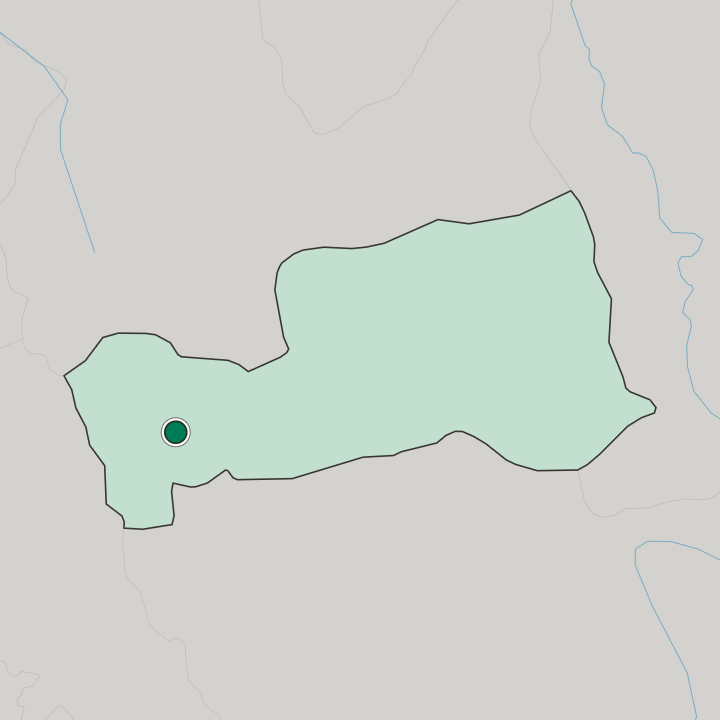
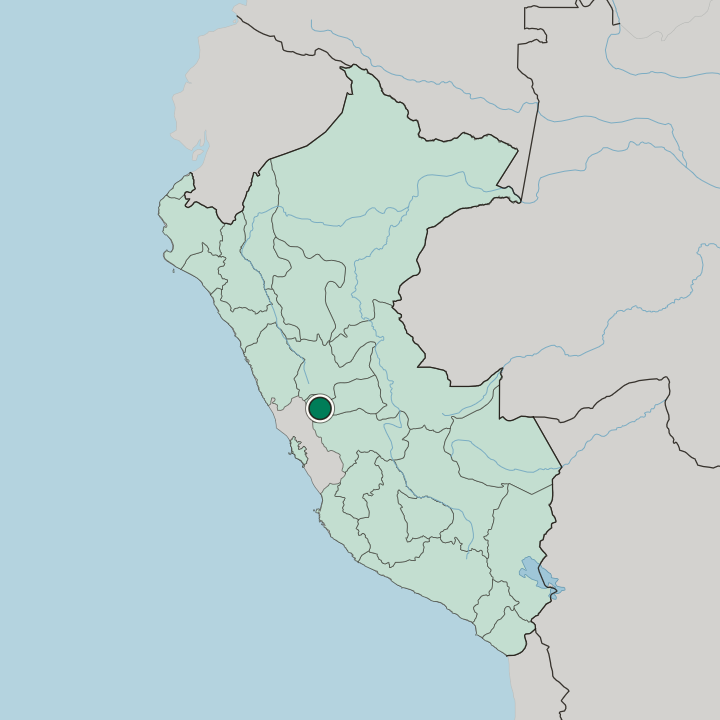
Cerro de Pasco, capital of Pasco Province, sits atop the Andean Mountains in central Peru, among the highest cities in the world.
Hotel links are affiliate links: booking through them may earn us a commission, at no extra cost to you. It never affects how places are ranked. How this works


Where to stay in Cerro de Pasco
How the choice of base plays out on the ground.
The urban area comes in three districts. Chaupimarca, Yanacancha and Simón Bolívar together make up the built-up part of Cerro de Pasco, so the question of where to sleep is really a question of which of the three a visitor lands in. Yanacancha stands highest.
Ground there reaches above the rest of the city, which matters more here than anywhere lower down. Altitude is the real variable. Cerro de Pasco sits among the highest cities in the world, and a first night at this elevation asks more of a visitor than the choice between one district and another.
The height is felt at once. Arriving from Lima by road or by rail means climbing into the Andean Mountains in a matter of hours, and Chaupimarca is no gentler than Yanacancha in that respect. Mining shapes the streets more than tourism does.
Cerro de Pasco is a working centre for silver and copper, for zinc and lead too, and the rooms in Chaupimarca answer to that trade as much as to any visitor. Estadio Daniel Alcides Carrión is the exception. The stadium carries the name of Daniel Alcides Carrión, and it is the single named landmark the city keeps.
Find hotels in Cerro de Pasco
Direct booking searches for these neighbourhoods.
Chaupimarca
Chaupimarca is one of the three districts forming the built-up part of Cerro de Pasco, and the trade in silver and copper runs through itFind hotels in ChaupimarcaThe highest ground in the urban areaYanacancha
Yanacancha rises above the rest of Cerro de Pasco, the highest of its three districts. Rooms are few around here — worth securing early.Find hotels in YanacanchaA quieter corner of the Pasco Province capitalSimón Bolívar
The Simón Bolívar district completes the urban area of Cerro de Pasco alongside Chaupimarca and Yanacancha. Lodging is scarce in this area; reserve in advance.Find hotels in Simón BolívarHotel links are affiliate links: booking through them may earn us a commission, at no extra cost to you. It never affects how places are ranked. How this works
About Cerro de Pasco
Mining and altitude define the place.
What is Cerro de Pasco known for?
Cerro de Pasco works as a mining centre for silver and copper, with zinc and lead alongside them, and it does so at the top of the Andean Mountains, high enough to rank among the highest cities in the world. The Central Sierra sets the frame. Estadio Daniel Alcides Carrión gives the Pasco Province capital its one named landmark.
What are the main landmarks in Cerro de Pasco?
Cerro de Pasco names a stadium and little else. Estadio Daniel Alcides Carrión is the single named landmark of Cerro de Pasco, in a city whose standing rests on mining rather than on monuments. The districts do the rest.
Chaupimarca, Yanacancha and Simón Bolívar each carry a piece of the urban area, and the Andean Mountains close the view in every direction.
What is the history of Cerro de Pasco?
Cerro de Pasco dates from 1578. The city was established high in the Andean Mountains, on ground whose value has always been the metal under it, and mining has run through its record ever since. Silver is one of them.
Copper, zinc and lead come out of the same ground, and the four together account for the city's standing as a mining centre in central Peru. Administration followed the ore. Cerro de Pasco serves as capital of the Pasco Province and of the Department of Pasco, so the mining city also holds the regional offices of this part of the Central Sierra.
Three districts grew into one urban area. Chaupimarca, Yanacancha and Simón Bolívar form a single built-up city rather than three separate settlements. The railway tied it to Lima.
Road and rail both run down from the Andean Mountains to the national capital, which is how the output of the mines has left the Central Sierra and how visitors have arrived. Altitude never changed. Cerro de Pasco has stood among the highest cities in the world since 1578, and the elevation is the first thing anyone notices in Yanacancha or Chaupimarca.
Where is Cerro de Pasco?
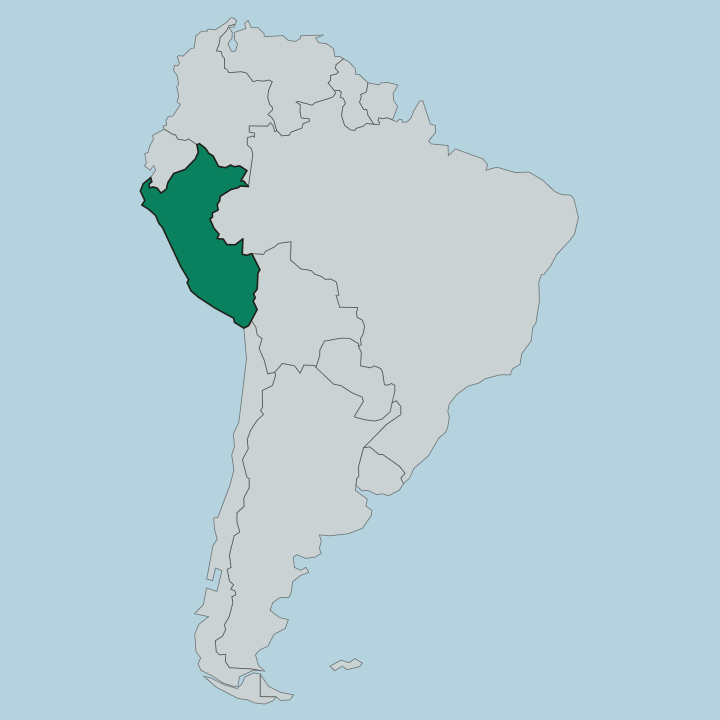
Cerro de Pasco stands at the top of the Andean Mountains, in the Central Sierra of central Peru, south of the equator but far too high for the tropics to mean much. Yanacancha holds the highest ground. The urban area runs across Chaupimarca, Yanacancha and the Simón Bolívar district.
Metal lies under all three, and the mines that work silver and copper are what put a city on ground this high.
What is the climate of Cerro de Pasco?
The Andean Mountains make the weather here. Cerro de Pasco lies south of the equator and inside the tropics, yet the elevation overrides all of that, giving the city a very intense cold climate that holds through the year. Cold is the constant.
A visitor arriving from Lima climbs into that in a single day, and Yanacancha feels it first.
How do you get to Cerro de Pasco?
Road and rail both reach the city. Cerro de Pasco is connected to Lima by both, some 300 kilometres away across the Andean Mountains, which makes the national capital the usual starting point for a visit. The climb is the journey.
Arriving means gaining height steadily until Chaupimarca and Yanacancha appear at the top of the Central Sierra.
Common questions
What is the best area to stay in Cerro de Pasco?
Chaupimarca: Rooms in the district that carries the working city. Yanacancha: The highest ground in the urban area. Simón Bolívar: A quieter corner of the Pasco Province capital.
Good for
Updated September 2026