Peru · Departamento de Tacna
Where to Stay in Tacna, Departamento de Tacna
Tacna is the heroic border city of far southern Peru, held for fifty years by Chile after the War of the Pacific before it voted its way home.
Hotel links are affiliate links: booking through them may earn us a commission, at no extra cost to you. It never affects how places are ranked. How this works


Where to stay in Tacna
The practical side of choosing where to sleep.
Where you stay in Tacna turns on the centre or the border. The streets around the Paseo Cívico keep the arch, the cathedral, and the museums within a walk, and staying downtown suits anyone here for the city. Palms shade the wide promenade.
Old houses line the avenues. Out toward the highway and the frontier, the town gives way to the open desert and the road to Chile. A room near the edge trades the promenade for easy roads, the crossing, and the runs to Arica and the coast.
Bare hills stand past the streets. Stay downtown for the arch, or outside for the border. The plaza is minutes back downtown.
Find hotels in Tacna
Direct booking searches for these neighbourhoods.
The centre
Around the Paseo Cívico within a walk of the plazaFind hotels in The centreStays wanting the crossing and the road to ChileThe border road
Out toward the highway and the frontierFind hotels in The border roadHotel links are affiliate links: booking through them may earn us a commission, at no extra cost to you. It never affects how places are ranked. How this works
Things to do in Tacna
Ranked by global recognition; descriptions from Wikidata (CC0).
Museums & Galleries
3- Zela house Heritage
- Alto de la Alianza Museum
- Tacna Historical Museum
Castles & Historic Sites
3- Municipal Theatre of Tacna Heritage
- Tacna Courthouse Heritage
- Alto de la Alianza
worth knowingacross 2 categories in Tacna
About Tacna
What is Tacna known for?
Tacna is the patriotic city of Peru's southern desert. In a green valley at the edge of the Atacama near the Chilean line, it keeps the memory of the war and the long years under Chile, and it holds the parabolic Arch of the Heroes, a cathedral drawn by the workshop of Eiffel, the tree-lined Paseo Cívico, and the battlefield of the Alto de la Alianza above the town. The desert hems the valley.
Flags fly over the square.
What are the main landmarks in Tacna?
The Arch of the Heroes stands at the heart of Tacna. The tall parabolic arch on the Paseo Cívico, raised to the dead of the War of the Pacific, rises over the promenade, the emblem of the city, above the square. A grand cathedral faces it.
The cathedral drawn by the workshop of Eiffel closes the avenue, while the Zela house, the old theatre, and the battlefield museum of the Alto de la Alianza mark the country around Tacna.
What is the history of Tacna?
Tacna has long stood at the meeting of nations. A cry for independence rose here in 1811, early among the towns of Peru, and the valley grew as a stop on the desert road between Lima and the south. War came to the desert.
In the War of the Pacific the armies of Peru and Chile fought a great battle on the Alto de la Alianza above Tacna in 1880. Chile took the town and held it long. For fifty years Tacna lived under Chilean rule, its people keeping their loyalty to Peru through schools and songs, until a vote in 1929 returned the city at last.
The people never forgot. Tacna earned its name as the heroic city for those years of waiting and return, and it raised arches and monuments to the war and the dead. The old square still flies the flag.
Tacna keeps its arches and its memory in the desert valley.
Where is Tacna?
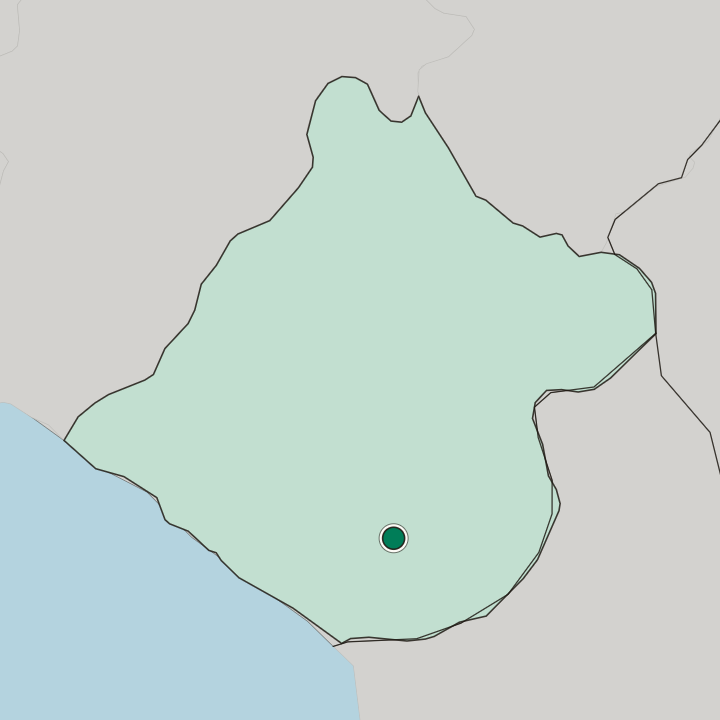
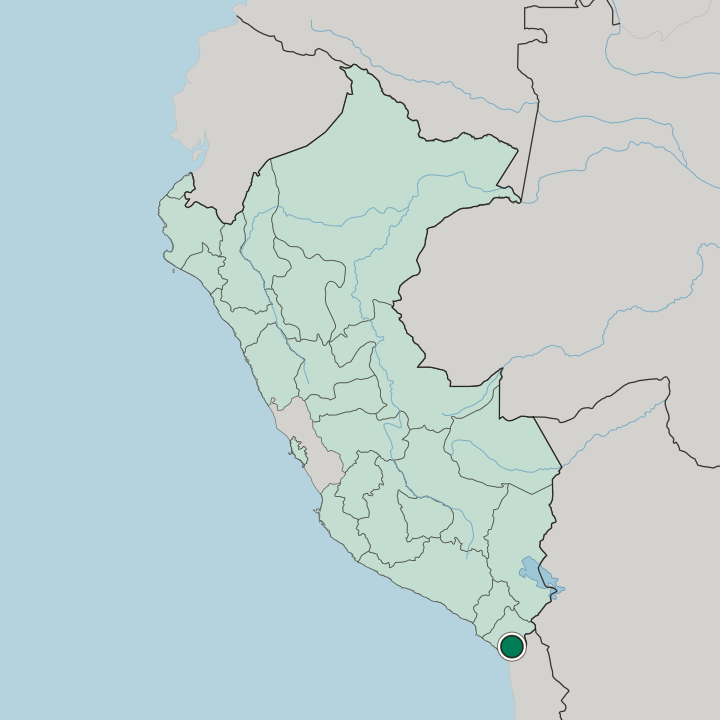
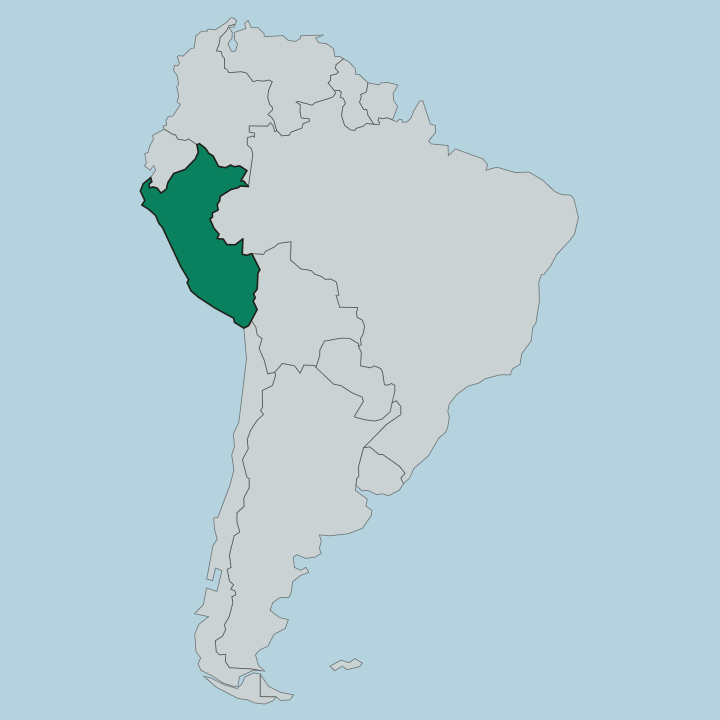
Tacna lies in the far south of Peru, in a desert valley near the border with Chile. The city stands on the little Caplina river where it waters a strip of green in the great Atacama, hemmed by bare brown hills, with the ocean and the Chilean line each a short way off. Empty desert rings the fields.
The river keeps the valley alive.
What is the climate of Tacna?
Tacna has a mild, almost rainless desert climate. Warm days and cool nights cross the valley through the year, cooled by the sea air off the Pacific, with grey coastal cloud in winter and clear skies in summer. Rain almost never falls here.
The desert stays dry beyond the river.
How do you get to Tacna?
Tacna lies in Peru's far south, close to the Chilean border and the city of Arica. Roads and buses run to it along the coast desert from Arequipa and across the line from Chile, and its airport links Lima. An old railway still crosses to Arica.
Lima lies far to the north up the coast.
Common questions
What is the best area to stay in Tacna?
The centre: Visitors here for the arch, cathedral, and museums. The border road: Stays wanting the crossing and the road to Chile.
Good for
Updated September 2026