Peru
Departamento de Tacna, Peru — Towns & Travel Guide
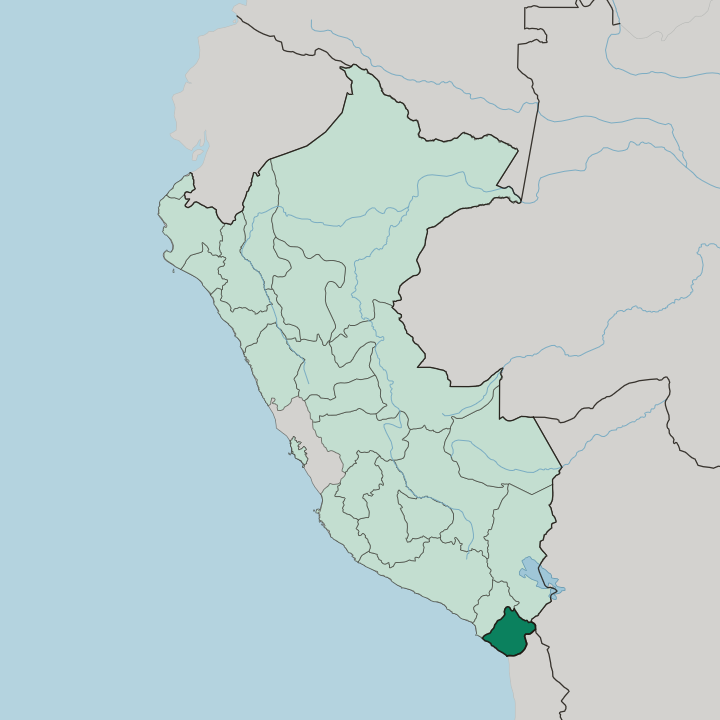
Tacna is the country's southernmost department, a corner of Peru that borders both Chile and Bolivia, administered from the city of Tacna.
Hotel links are affiliate links: booking through them may earn us a commission, at no extra cost to you. It never affects how places are ranked. How this works


Towns & cities in Departamento de Tacna
One town here has its own guide — it links to where to stay.
 Peru
Peru
Tacna
Tacna is the heroic border city of far southern Peru, held for fifty years by Chile after the War of the Pacific before it voted its way home.Where to stay →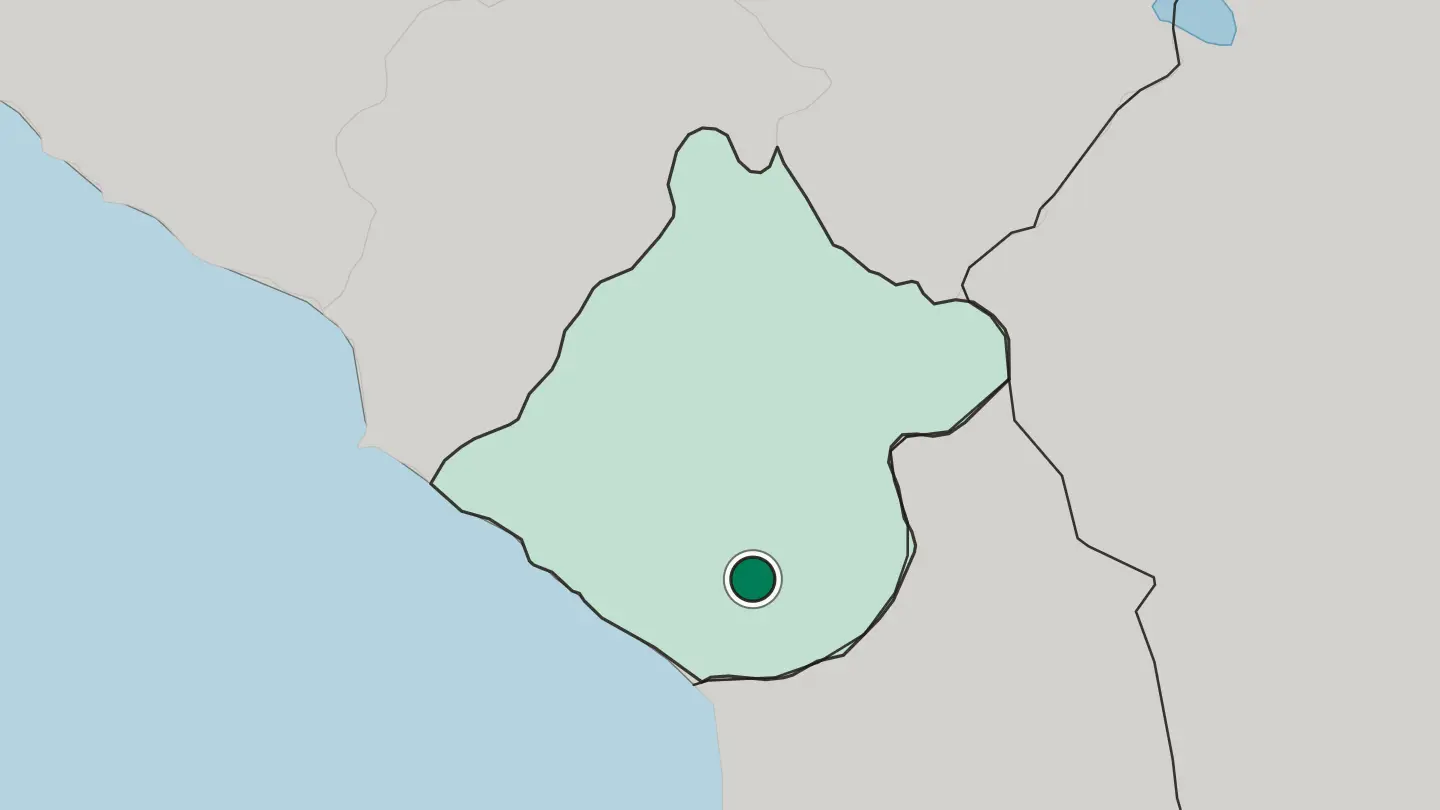
Hotel links are affiliate links: booking through them may earn us a commission, at no extra cost to you. It never affects how places are ranked. How this works
About Departamento de Tacna
Two borders and one name.
What is Departamento de Tacna known for?
Tacna meets Chile and Bolivia along its outer edge, which makes the department the country's last stretch of ground before either frontier and leaves the capital city carrying the same name as the territory around it. The capital is Tacna. A regional government runs the department from there, and no other settlement inside the boundary is named on the record.
Where is Departamento de Tacna?
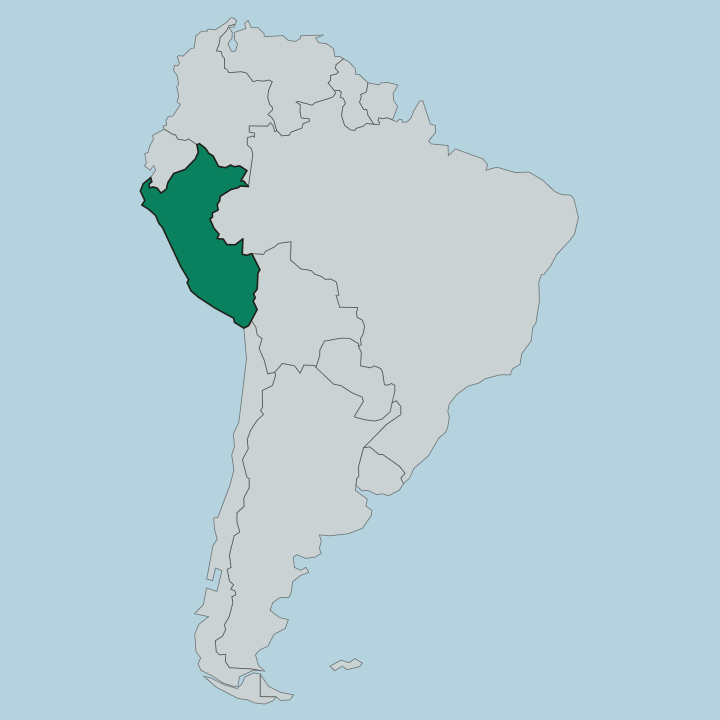
Tacna closes Peru at its far end. The department is the country's southernmost, and its outer boundary runs against Chile on one side and Bolivia on the other, which gives a single administrative unit two international frontiers to hold. Its ground covers about sixteen thousand square kilometres.
That is a moderate share of Peru, and the record adds no river, range or bay by name to break it up, so the department reads as one block of territory between two national lines. Everything sits below the equator. The capital shares the department's name.
Tacna the city administers Tacna the department, and because nothing else inside the boundary is named on the record, a reference to Tacna carries both meanings without the material ever separating them. The tropical band reaches it. Position below the equator places Tacna inside the tropical band, and that placement is one of the few physical facts the record fixes for a department otherwise described by its neighbours.
Departamento de Tacna is the formal name Peru uses. Chile and Bolivia complete the picture, since almost everything the record says about the department's geography is said by naming what lies beyond its edge.
What is Departamento de Tacna like?
Spanish carries the department. It is Peru's language and the one the regional government in Tacna works in, and no other tongue is recorded for the department at either of the frontiers it holds. Borders shape the character.
A department that touches Chile and Bolivia sits differently within Peru than one enclosed by other departments, and that position, more than any recorded custom, is what the material offers as Tacna's identity. One name serves two things. The city of Tacna and Departamento de Tacna carry the same word, so that speech about the place does not distinguish the capital from the territory unless the sentence forces it.
Administration is local. Peru devolves the department's affairs to a regional government seated in the capital, which keeps decisions about the Chile edge and the Bolivia edge in the same building rather than in some office further away. There the material runs out.
No festival, dish or craft is named for Tacna in the material, so what can honestly be described is a frontier department that speaks Spanish and governs itself from a city of its own name.
What is the history of Departamento de Tacna?
Tacna's founding year went unrecorded. What it does carry is a shape: Tacna as the country's southernmost department, meeting Chile along one boundary and Bolivia along another, administered by a regional government from a capital of the same name. Anything earlier was never dated.
Whatever produced the boundary, the name and the seat is absent from the material, which leaves the department's documented past as the arrangement it holds rather than the sequence that reached it.
What is the climate of Departamento de Tacna?
The equator does the paperwork here. Tacna lies below it inside the tropical band, and that placement is the whole of what the record fixes about the department's weather, since no sea, range or wind is named to modify it. Chile and Bolivia adjoin it.
Both frontiers lie in the same band, so a crossing out of Tacna changes the country a traveller is in without changing the broad conditions the department sits under.
How do you get to Departamento de Tacna?
Arrival means the city of Tacna. No road, terminal or carrier is named for the department in the record, so the capital stands as the destination and the Chile and Bolivia boundaries stand as the two ways out of Peru from here. Two frontiers, one capital.
That is the whole geometry of getting about in Tacna, and it means an itinerary through the department is written as a sequence of border decisions rather than as a list of stops.
Common questions
What is the best area to stay in Departamento de Tacna?
Tacna: The capital city of Tacna, the only named base between the Chile and Bolivia frontiers. Chile frontier of Tacna: Nights close to the Chile boundary that Tacna department carries. Bolivia frontier of Tacna: The Bolivia side of Tacna, the department's second international edge.
More regions in Peru
Updated September 2026