Philippines · Autonomous Region in Muslim Mindanao
Where to Stay in City of Isabela, Autonomous Region in Muslim Mindanao
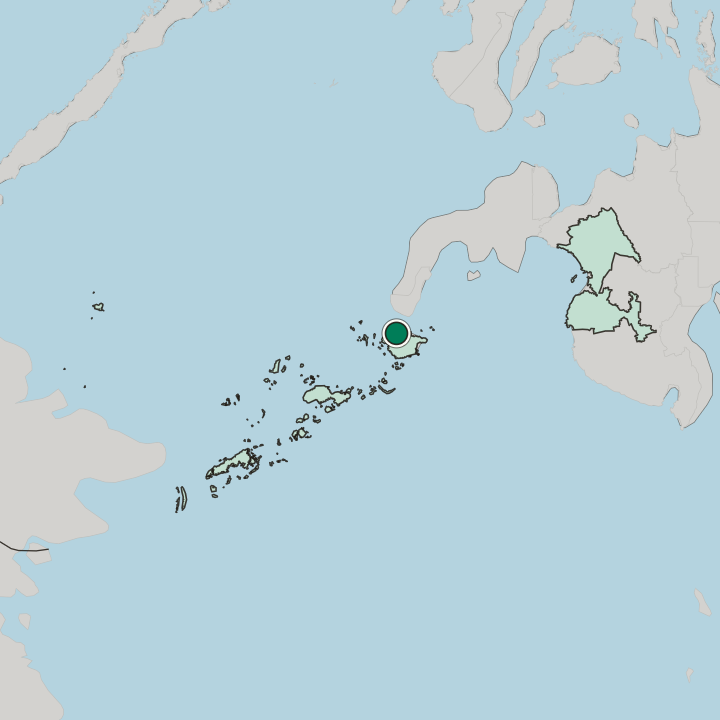
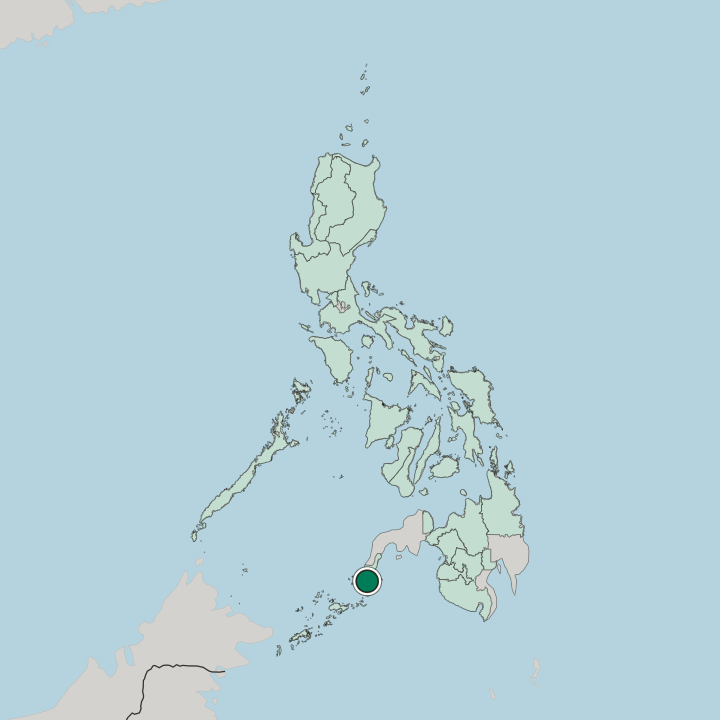
Isabela sits on Basilan. The city is the de facto capital of the province, an island component city in the Sulu Archipelago of the Philippines.
Hotel links are affiliate links: booking through them may earn us a commission, at no extra cost to you. It never affects how places are ranked. How this works


Where to stay in City of Isabela
How the choice of base plays out on the ground.
Isabela is where Basilan's business is done. A stay in the city is a stay at the province's working centre, because the de facto capital function keeps the offices, the arrivals and most of the rooms in the same place. Choice is thin on Basilan.
A component city on an island province does not offer competing districts, and the practical question is how close a room sits to the water and to the departures that use it. The Autonomous Region in Muslim Mindanao is the wider administrative frame the province is recorded under. The Sulu Archipelago frames the trip.
Isabela is one point in a chain of islands, and anyone travelling on through the archipelago will find the city easier to use as a hinge than as an endpoint. Water sets the timetable. Sea and air connections rather than roads govern when a visitor can leave Basilan, so a room booked here is really a room booked against a departure.
Isabela has been settled since 1848. The record gives that date to the place, and the built-up part that carries the province's administration has grown around the same coastal ground ever since.
Find hotels in City of Isabela
Direct booking searches for these neighbourhoods.
Isabela
Isabela is the de facto capital of Basilan, which keeps the province's offices and most of its rooms in one place.Find hotels in IsabelaOnward moves through the Sulu ArchipelagoBasilan
Basilan is the island the City of Isabela sits on, and the rest of the province lies outside the city's 223 square kilometres.Find hotels in BasilanHotel links are affiliate links: booking through them may earn us a commission, at no extra cost to you. It never affects how places are ranked. How this works
About City of Isabela
Basilan is administered from here.
What is City of Isabela known for?
Isabela is the de facto capital of the province, and that qualified wording is itself the point, because the arrangement is one of practice rather than of formal designation. The setting is an island one. Basilan belongs to the Sulu Archipelago, so the ground a component city of 223 square kilometres covers here ends at a coast rather than running on into a mainland.
What are the main landmarks in City of Isabela?
Isabela's sight list comes up blank. No monument, museum or protected site is recorded against the City of Isabela, which leaves the coast, the island itself and the working part of the province as what a visitor actually encounters. Basilan supplies the interest instead.
The Sulu Archipelago setting and a component city that has stood since 1848 are the elements on offer, and neither of them is a built attraction in the ordinary sense.
What is the history of City of Isabela?
The record begins in 1848. That date is what the archive gives for Isabela, and it places the settlement on Basilan well before the administrative categories that now describe it existed at all. Everything after is classification.
The City of Isabela is the official name, component city is the tier, and de facto capital is the phrase the record uses for its relationship to the province. Little of the older detail is carried in the record. The qualifier matters.
A de facto capital is one that functions as the centre without the designation being settled in the same terms, and the record for Basilan is careful to say so rather than to state the matter plainly. Regional arrangements sit above the province. Basilan is recorded under the Autonomous Region in Muslim Mindanao, and the City of Isabela's place inside that structure is part of what the administrative record of the island describes.
The island itself is the constant. Whatever the arrangement above it, a settlement of 223 square kilometres on Basilan in the Sulu Archipelago has been there since 1848, and the coast has bounded it throughout.
Where is City of Isabela?
Water is the boundary on every side of the island. Basilan lies in the Sulu Archipelago, and the City of Isabela occupies 223 square kilometres of it rather than the whole, so the city's edge is part coast and part shared border with the rest of the province. The tropics apply here.
Isabela sits inside the tropical band with the rest of the archipelago, and being an island place rather than a mainland one is the single geographic fact that shapes access, weather and how the built-up area is laid out.
What is the climate of City of Isabela?
Sea air reaches everything here. An island city in the Sulu Archipelago sits close to the sea on most sides, so the water around Basilan works on conditions across the whole of the City of Isabela rather than only along one edge. Isabela sits in the tropics.
Warmth holds through the year and the variation a visitor notices is in rainfall and in wind off the sea, which is the pattern the archipelago shares.
How do you get to City of Isabela?
Arrival is by water or by air. Basilan is an island of the Sulu Archipelago, so no road reaches the City of Isabela from the rest of the Philippines and every approach ends with a crossing. The city takes the traffic.
Its standing as Basilan's de facto capital means the province's connections concentrate on Isabela rather than dispersing among the other municipalities of the island.
Common questions
What is the best area to stay in City of Isabela?
Isabela: Stays at Basilan's working administrative centre. Basilan: Onward moves through the Sulu Archipelago.
Good for
More cities in Autonomous Region in Muslim Mindanao
Updated September 2026