Philippines · Bicol
Where to Stay in Legaspi, Bicol
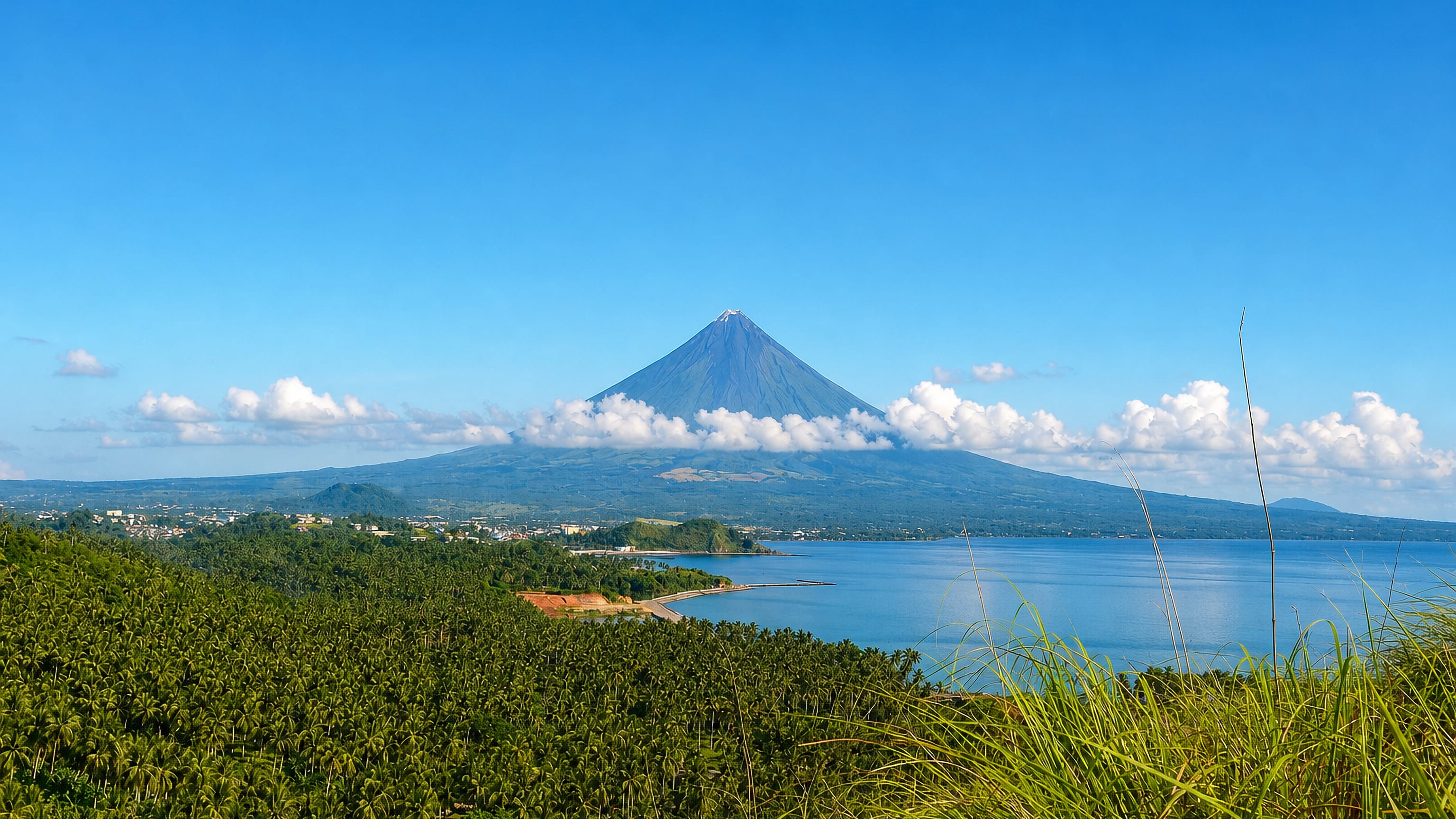
Legazpi is a city of Bicol in the southern Philippines, at the foot of Mayon, the perfect cone of a volcano that towers over the town and its gulf.
Hotel links are affiliate links: booking through them may earn us a commission, at no extra cost to you. It never affects how places are ranked. How this works


Where to stay in Legaspi
Where the beds are, and what that means for the visit.
Where you stay in Legazpi turns on the town or the volcano. The streets around the port keep the market, the boulevard, and the seafront within a walk, and staying downtown suits anyone here for the city. Mayon towers over the roofs.
The gulf shines to the south. Out toward the volcano and the ruins, the town gives way to the coconut farms, the lava fields, and the road to Cagsawa. A room out of town trades the streets for the volcano views, the green farms, and the gulf beaches of the coast.
The cone rises clear on fine days. Stay downtown for the port, or out for the volcano. Mayon stands over it all.
Find hotels in Legaspi
Direct booking searches for these neighbourhoods.
The port town
In the port town on Albay GulfFind hotels in The port townStays wanting Mayon and CagsawaThe volcano and ruins
Out toward the coneFind hotels in The volcano and ruinsHotel links are affiliate links: booking through them may earn us a commission, at no extra cost to you. It never affects how places are ranked. How this works
About Legaspi
Legazpi is the volcano city of Bicol.
What is Legaspi known for?
On the Albay Gulf in the south of the Philippines, it grew as the port and capital of the Bicol land, and it keeps the perfect cone of Mayon rising over the town, the buried church of Cagsawa that a great eruption left in ruins, the spicy coconut cooking of the Bicol kitchens, and the warm gulf and islands of the coast. The great cone fills the northern sky. Blue gulf water shines below.
What are the main landmarks in Legaspi?
Mayon Volcano is the wonder of Legazpi. The near-perfect cone rising sheer above the town and the gulf, one of the most graceful volcanoes on earth, is the emblem of the region, out of downtown. A ruined belfry stands below.
The lone tower of Cagsawa, buried to its neck by the great eruption, rises from the lava field with Mayon behind, while the Bicol kitchens, the gulf islands, and the coastal hills mark the country around Legazpi.
What is the history of Legaspi?
Legazpi grew in the shadow of the volcano. The Spanish founded a town on the gulf below Mayon and named it for the conqueror Legazpi, and it grew as the port and heart of the Bicol land. The volcano ruled the town's fate.
Mayon rose beautiful and deadly over the plain, and in eighteen fourteen it erupted in fire and ash, burying a whole church and town at Cagsawa, whose belfry still stands in the lava field. The town rose again by the sea. Time and again Mayon rained ash on Legazpi, yet the people always rebuilt on the rich volcanic soil, and the town grew into the busy capital of Bicol.
The cone drew the world to see it. Travelers came for the near-perfect shape of Mayon, the ruins of Cagsawa, and the fiery food of the Bicol kitchens, and Legazpi grew into a lively port city on its gulf, keeping its volcano, its ruins, and its coast. The great cone still smokes at times.
Legazpi keeps its city below Mayon on the Albay Gulf.
Where is Legaspi?
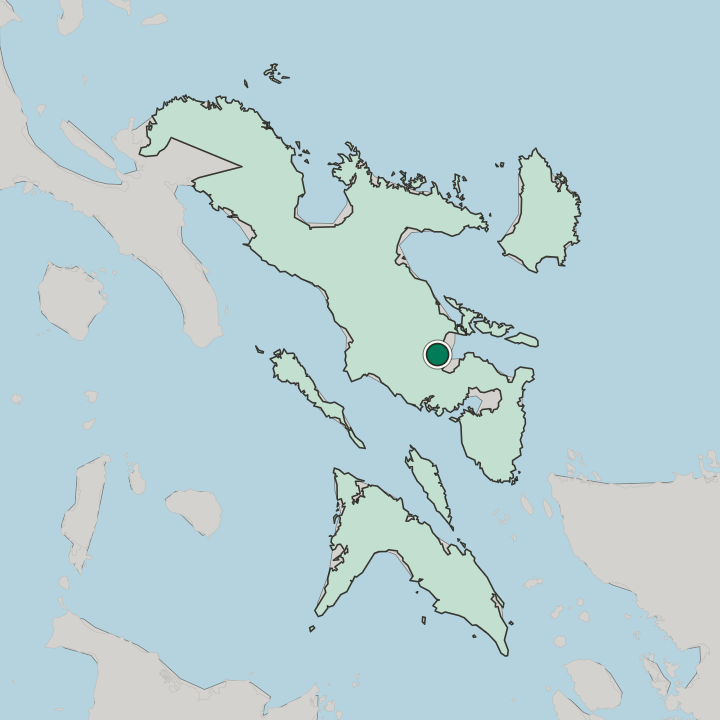
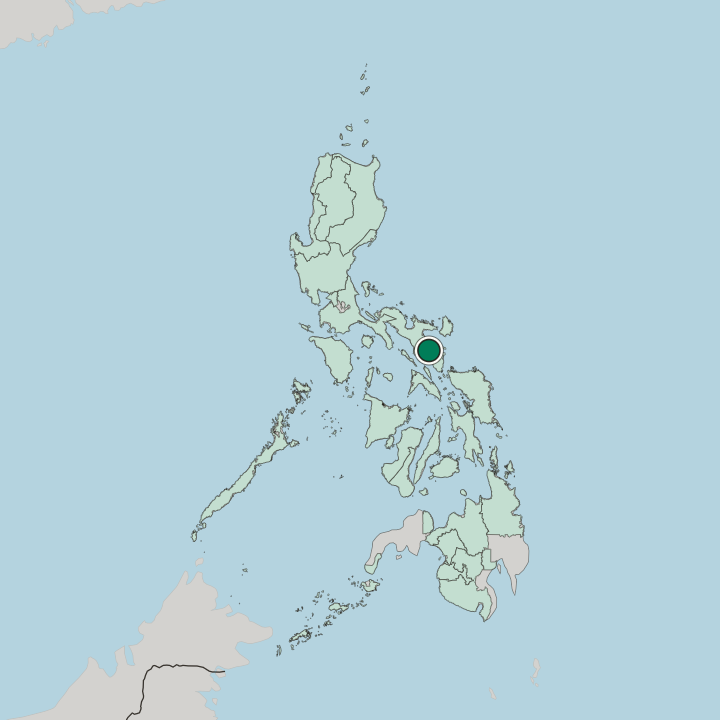
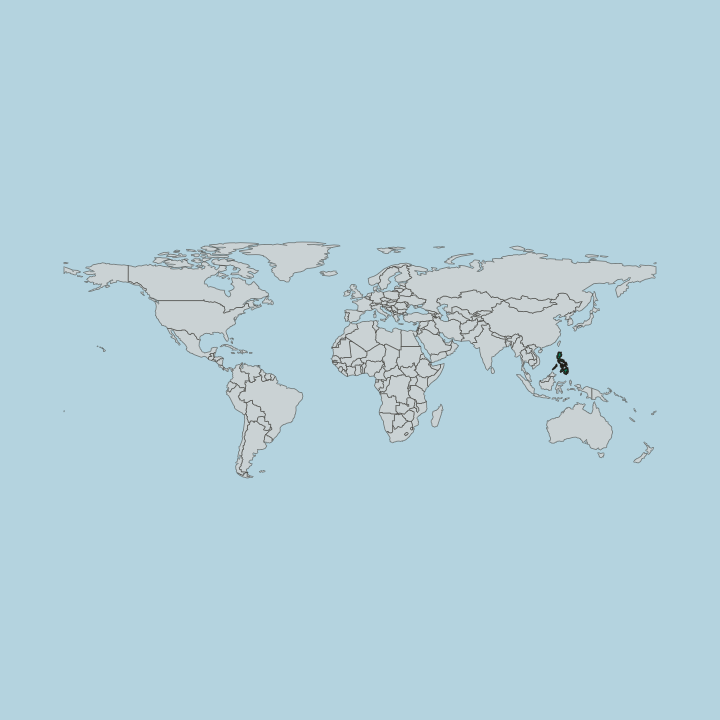
Legazpi lies in the far southeast of Luzon, on the Albay Gulf at the foot of Mayon Volcano. The city sits on a coastal plain between the great cone and the sea, on the narrow neck of the Bicol peninsula, with the volcano rising sheer to the north and the gulf and its islands stretching to the south. The cone towers over the plain.
Warm gulf water laps the shore.
What is the climate of Legaspi?
Legazpi has a warm, wet tropical climate. Hot humid weather holds all year on the coast, with heavy rain much of the year and the fiercest typhoons in the land off the Pacific. The rains fall warm and hard.
Storms lash the coast in season.
How do you get to Legaspi?
Legazpi lies at the southeast end of Luzon, on the road and rail from Manila to Bicol. The highway and trains run to it down the peninsula from Manila, and flights land below the volcano. Boats work the gulf.
Manila lies far to the northwest.
Common questions
What is the best area to stay in Legaspi?
The port town: Visitors here for the market and seafront. The volcano and ruins: Stays wanting Mayon and Cagsawa.
Good for
More cities in Bicol
Updated September 2026