Philippines
Bicol, Philippines — Towns & Travel Guide
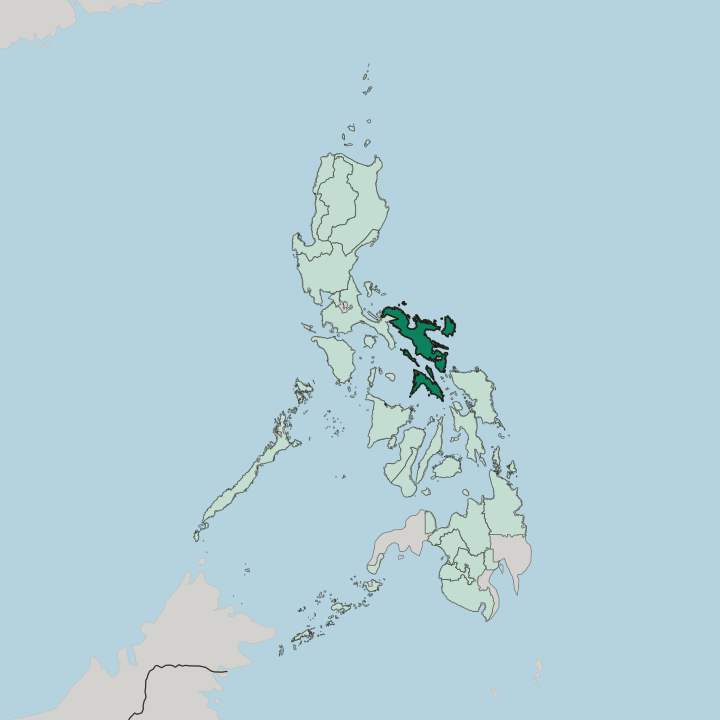
Bicol, or Bicolandia, is the peninsula region at the southeastern end of Luzon: four mainland provinces of the Philippines and two across water.
Hotel links are affiliate links: booking through them may earn us a commission, at no extra cost to you. It never affects how places are ranked. How this works


Towns & cities in Bicol
Pick a town or city — each links to where to stay.
 Philippines
Sorsogon
Sorsogon City, founded in 1895, is the capital of Sorsogon province in the Philippines and the usual staging point for travel across it.Where to stay →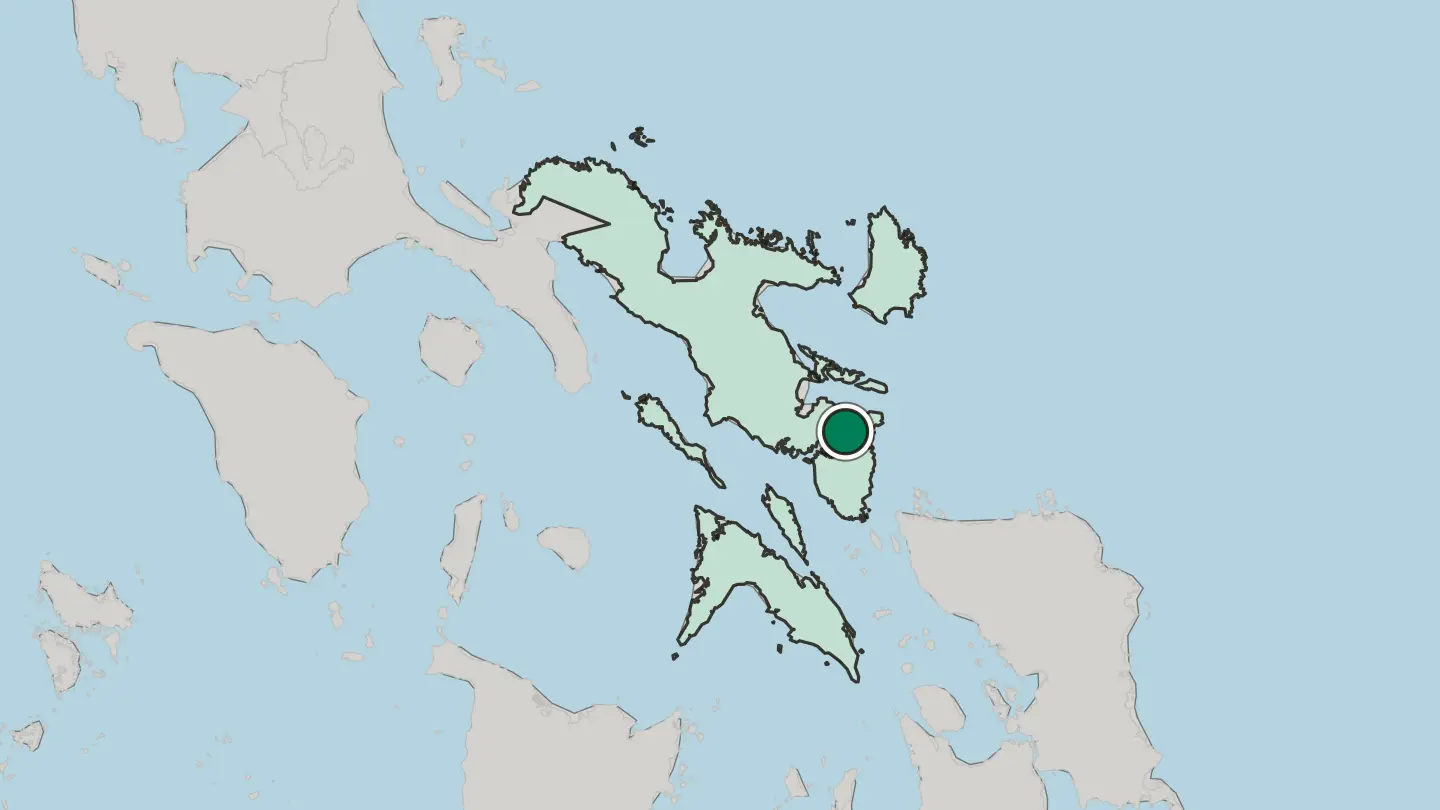
 Philippines
Legaspi
Legazpi is a city of Bicol in the southern Philippines, at the foot of Mayon, the perfect cone of a volcano that towers over the town and its gulf.Where to stay →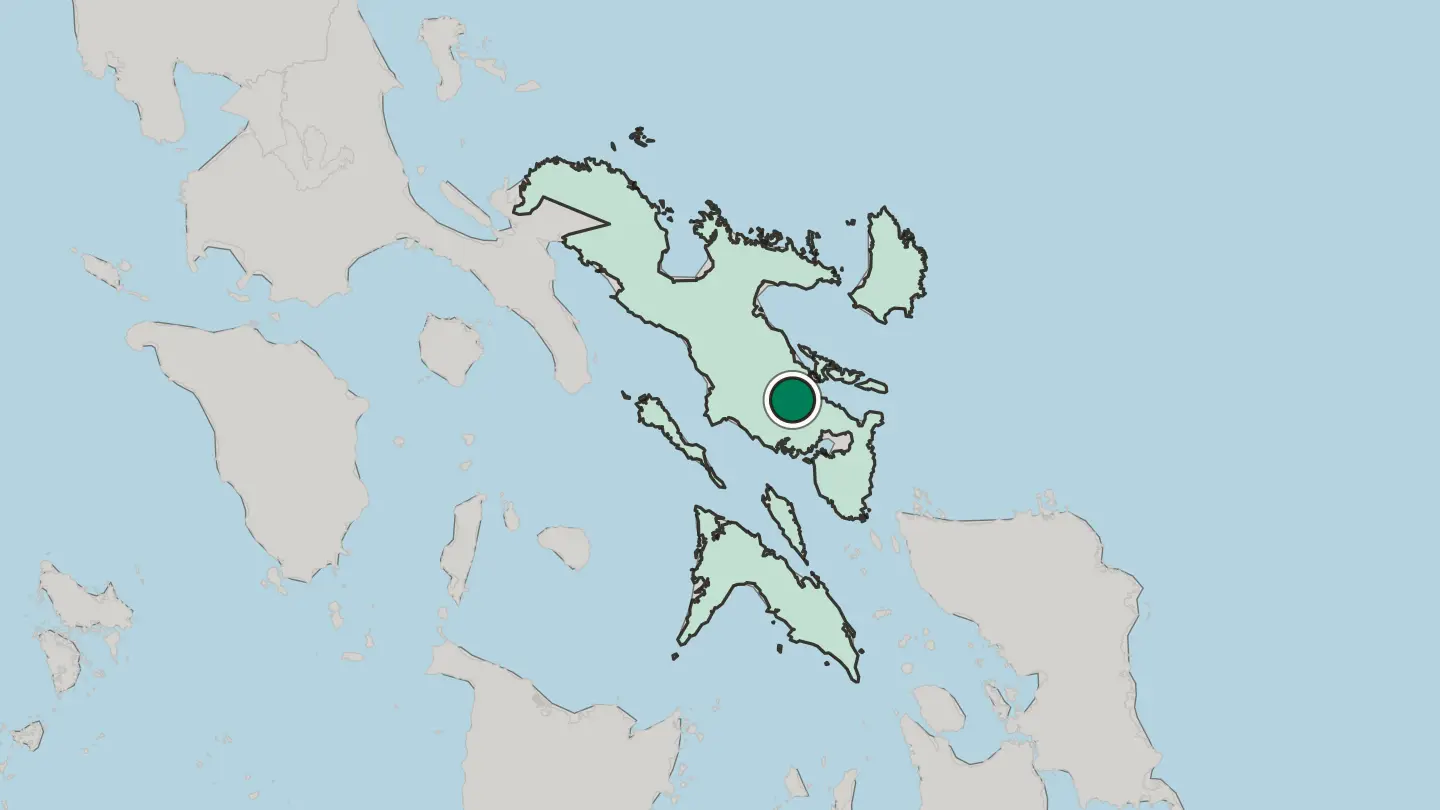
 Philippines
Naga
Naga, the Pilgrim City, is the commercial centre of Camarines Sur and the core of Metro Naga in the Bicol Region of the Philippines.Where to stay →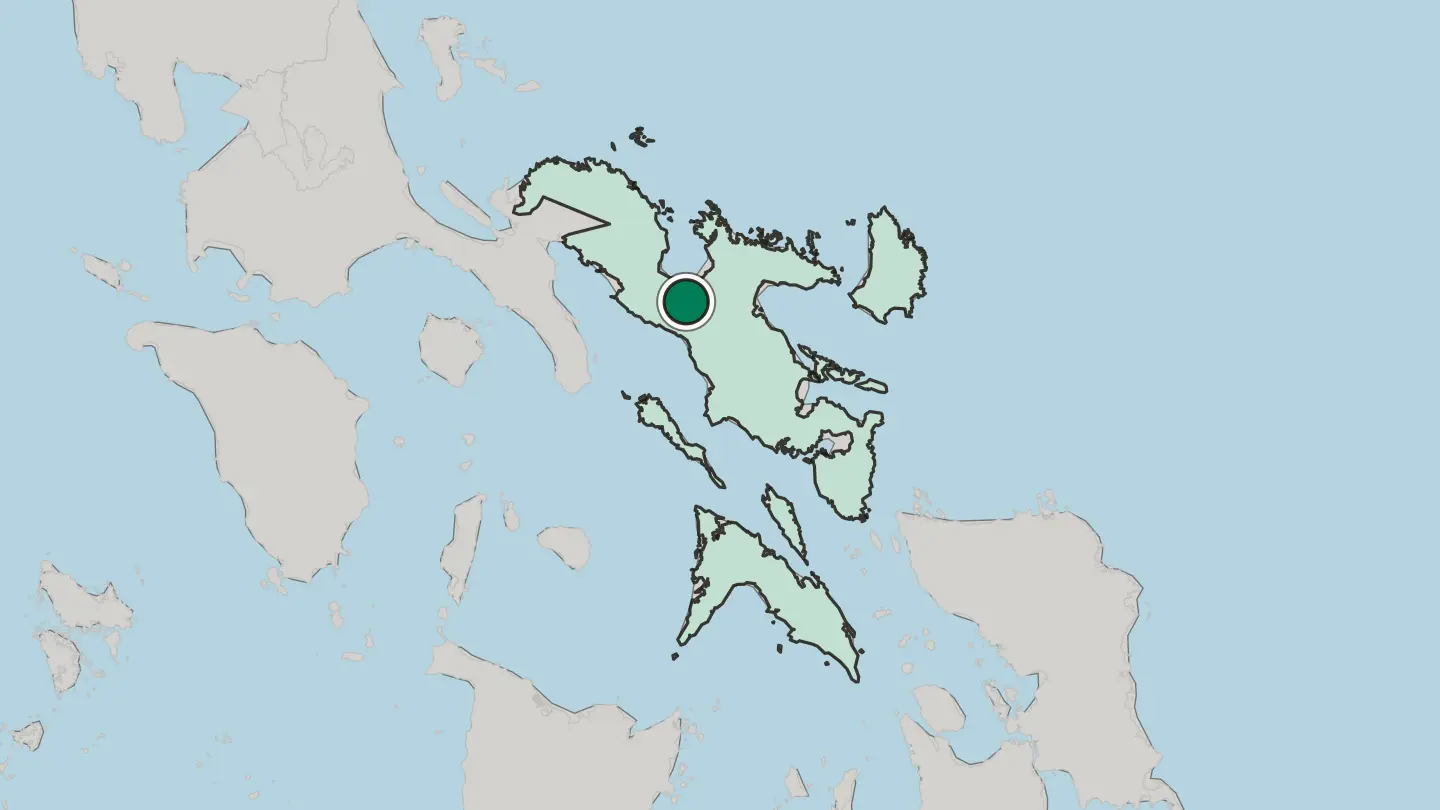
 Philippines
Daet
Daet is the capital of Camarines Norte, a coastal Philippine municipality with a surfers' beach and a monument to Jose Rizal.Where to stay →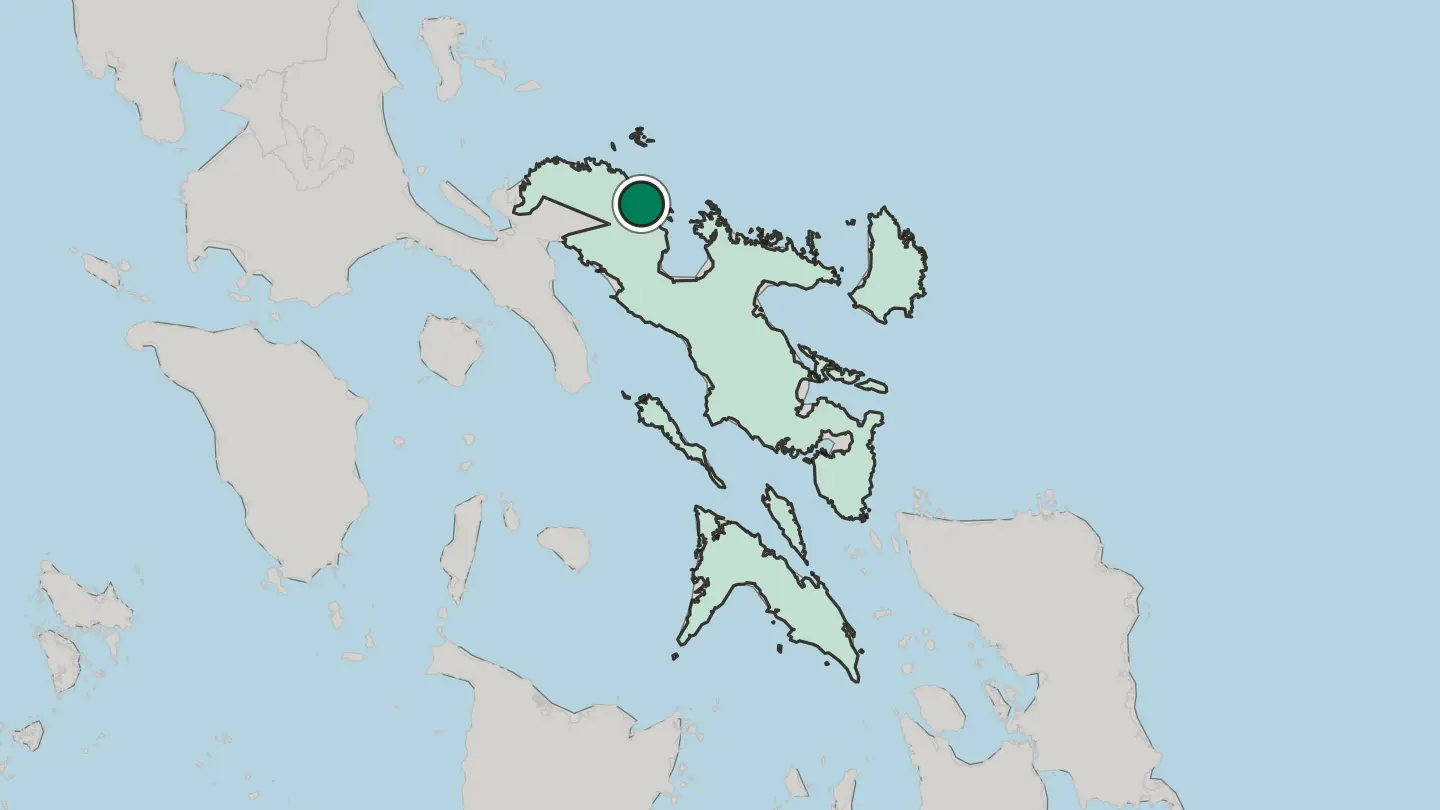
Hotel links are affiliate links: booking through them may earn us a commission, at no extra cost to you. It never affects how places are ranked. How this works
About Bicol
Adventure and culture, billed together.
What is Bicol known for?
The Bicol Region carries the formal designation Region V, and the six provinces under it, Albay, Camarines Norte, Camarines Sur, Sorsogon, Catanduanes, and Masbate, divide between the peninsula itself and the water beyond it. Naga stands apart as an independent component city. The older name Bicolandia is still used as freely as the official one, and it is the peninsula rather than the paperwork that most people mean by it.
Where is Bicol?
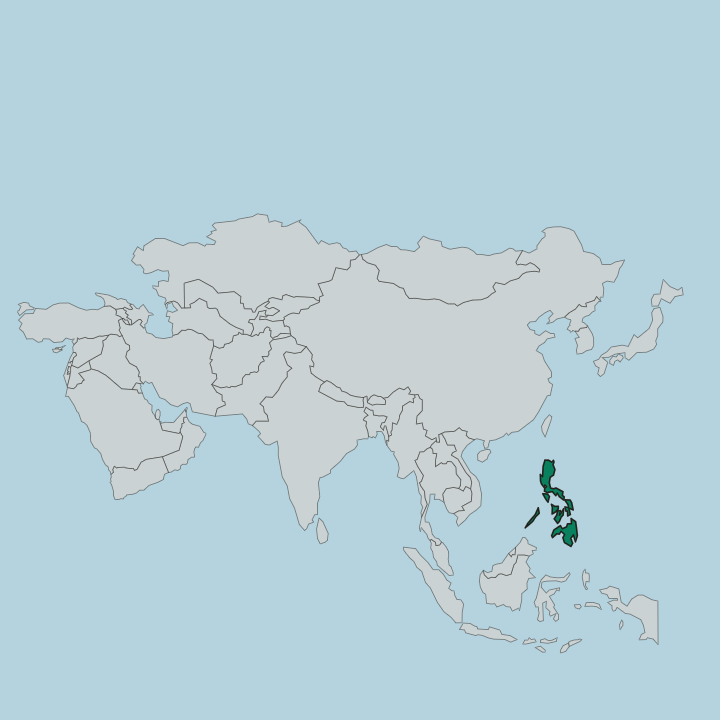
The peninsula does the defining. Bicol occupies the long tail at the southeastern end of Luzon, the largest island of the Philippines, and the land narrows as it runs seaward instead of opening out into plain. Four provinces hold that mainland: Albay, Camarines Norte, Camarines Sur, and Sorsogon.
Two more lie off it. Catanduanes sits across open water and Masbate further round, and both are counted into the Bicol Region regardless of the crossing. Distance here is measured in crossings as much as in road time.
Naga breaks the pattern. It is an independent component city, administered apart from the provincial structure, which leaves the region with six provinces and one city that answers to none of them. The whole of it sits in the tropics, north of the equator, where water reaches the land along most of the peninsula's length and the coast is never a long drive away.
Nothing here is far from salt water. That single fact sits underneath the region's billing for adventure, and it is why the two island provinces are treated as part of Bicol rather than as a group of their own.
What is Bicol like?
Two names carry the place. Bicol is the everyday one, Bicolandia the older and fuller form, and the official Bicol Region, Region V on any administrative list, is the version that turns up in government papers rather than in conversation. Adventure and culture are claimed here together.
That pairing is not a late slogan; it is how the region presents itself to visitors before they arrive, and both halves of it rest on the same arrangement of peninsula and island that the map shows. Provincial identity runs strong in a region assembled this way. Albay, Camarines Norte, Camarines Sur, and Sorsogon share the peninsula and the road system that follows it, while Catanduanes and Masbate are reached by water and keep the separateness that a crossing brings.
Naga complicates the picture again, since an independent component city runs its own affairs outside the provincial structure entirely. English works across all of it. A traveller going from a mainland province to an island one changes boats rather than vocabulary, and that continuity is one of the few things the six provinces and the city share without qualification.
What is the history of Bicol?
The outline came from the land rather than from a decree. Bicol named the peninsula long before it named Region V, and the administrative region drew its boundary around what was already there, taking in Catanduanes and Masbate alongside the four mainland provinces. Naga was set outside that provincial frame.
As an independent component city it answers to the region instead of to any of the six provinces, which is why the Bicol Region is described as six provinces and a city rather than simply as six provinces.
What is the climate of Bicol?
Every itinerary here answers to the sea. Bicol lies in the tropical band north of the equator, and the shape of the region, a narrowing peninsula with two provinces standing off it in open water, leaves very little of it far from a coast. Heat stays steady year-round.
What varies is the water, since crossings out to Catanduanes and Masbate depend on conditions in a way that road travel between Albay, Camarines Norte, Camarines Sur, and Sorsogon does not.
How do you get to Bicol?
Everything arrives down the peninsula. Bicol joins the rest of Luzon at the base of that peninsula, so the overland approach runs through the mainland provinces one after another instead of radiating out from one entry point. Naga is the practical hub.
Catanduanes and Masbate change the calculation completely, because both are reached by sea and a crossing is not something to slot into a day already built around Albay or Camarines Sur.
Common questions
What is the best area to stay in Bicol?
Naga: Working across Camarines Sur from the Bicol Region's one independent component city. Albay: Mainland peninsula stays with Sorsogon and Camarines Sur in reach. Catanduanes: Staying past the last crossing on one of Bicol's two island provinces.
Good for
More regions in Philippines
Updated September 2026