Philippines · Central Visayas
Where to Stay in Cebu City, Central Visayas
Cebu City is the capital of Cebu Province and the main city on Cebu Island, known across the Philippines as the Queen City of the South.
Hotel links are affiliate links: booking through them may earn us a commission, at no extra cost to you. It never affects how places are ranked. How this works


Where to stay in Cebu City
The practical side of choosing where to sleep.
Fort San Pedro marks the old end of the city. Beds near it put the fort, Museo Sugbo and the Cathedral Museum of Cebu on the same short list of stops, which is the reason to take a room in the older part of the City of Cebu. Sport pulls elsewhere.
The Cebu City Sports Complex and the Cebu Coliseum bring events into another part of town, and a room chosen for a match or a concert answers a different question from one chosen for the museums. The city is large. Cebu Ocean Park suits a different visit again.
Families weighing the ocean park against the Jose R. Gullas Halad Museum are choosing between two ends of what a day in Cebu City can be, and the choice of neighbourhood follows from that rather than the other way round. Transport argues for the centre. As the transport hub of the Visayas, Cebu City sends traffic on to the rest of Cebu Province and beyond, so a central base saves time for anyone treating the city as the start of a wider trip.
Matilda L. Bradford Memorial Church stands among the quieter options. You suit the older quarter if Fort San Pedro and the museums are the point, the arena side if an event brought you, and a central address if Cebu Island beyond the city is the real destination.
Find hotels in Cebu City
Direct booking searches for these neighbourhoods.
Fort San Pedro quarter
The historic end of the City of Cebu, holding Fort San Pedro and the Museo Sugbo collections.Find hotels in Fort San Pedro quarterA base beside the Cathedral Museum of CebuCathedral Museum surrounds
The church ground carrying the Cathedral Museum of Cebu, in the older core of Cebu City.Find hotels in Cathedral Museum surroundsEvent nights at the Cebu ColiseumSports Complex and Coliseum side
The part of Cebu City holding the Cebu City Sports Complex and the Cebu Coliseum.Find hotels in Sports Complex and Coliseum sideFamily days built around Cebu Ocean ParkCebu Ocean Park approach
The approach to Cebu Ocean Park, the newest of the attractions the city puts forward.Find hotels in Cebu Ocean Park approachCollections at the University of San Carlos MuseumUniversity museum side
The university side of Cebu City, named for the University of San Carlos Museum it holds.Find hotels in University museum sideHotel links are affiliate links: booking through them may earn us a commission, at no extra cost to you. It never affects how places are ranked. How this works
Things to do in Cebu City
Ranked by global recognition; descriptions from Wikidata (CC0).
Museums & Galleries
3- Fort San Pedro
- Museo Sugbo
- Cathedral Museum of Cebu
Churches & Religious Sites
1- Matilda L. Bradford Memorial Church
Stadiums & Sports
2- Cebu City Sports Complex
- Cebu Coliseum
worth knowingacross 3 categories in Cebu City
About Cebu City
The Queen City of the South.
What is Cebu City known for?
Cebu City carries that title as the main city of Cebu Island, and its work as a transport hub for the Visayas sits alongside a draw of its own as a tourist destination. Fort San Pedro anchors the old ground. Museo Sugbo, the Cathedral Museum of Cebu and the University of San Carlos Museum give the city a museum circuit of real size, and Cebu Ocean Park adds a modern attraction to that list.
What are the main landmarks in Cebu City?
Fort San Pedro is the oldest name on the list. Museo Sugbo, the Cathedral Museum of Cebu, the University of San Carlos Museum and the Jose R. Gullas Halad Museum give the City of Cebu four separate museum collections. Events have their own venues.
The Cebu City Sports Complex and the Cebu Coliseum handle sport and performance, while Cebu Ocean Park and the Matilda L. Bradford Memorial Church round out a list that runs from a fort to an ocean park.
What is the history of Cebu City?
The founding year is 1565. That makes Cebu City one of the older established settlements in the Philippines, and the date is the anchor for everything the city presents as heritage, from Fort San Pedro to the collections in Museo Sugbo. The fort came with that era.
Fort San Pedro survives as the built evidence of the city's early period, and the Cathedral Museum of Cebu holds the ecclesiastical side of the same story, which together account for the density of heritage in the older quarter of the City of Cebu. Scale came with the centuries. Cebu City is a highly urbanized city of the Central Visayas region and the capital of Cebu Province, a double role that made it the leading city of the Visayas and earned it the name Queen City of the South.
Transport followed the position. The main city on Cebu Island became the hub through which movement across the region passes, and that function is as much a part of its history as the foundation year the fort commemorates. Museums record both threads.
The University of San Carlos Museum and the Jose R. Gullas Halad Museum keep the civic and cultural record of a city of roughly 315 square kilometres that has mattered since 1565.
Where is Cebu City?
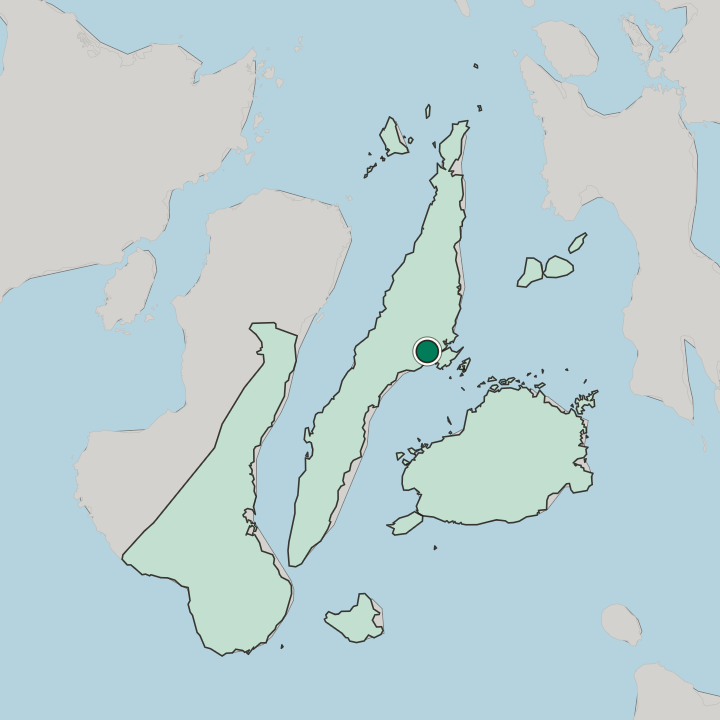
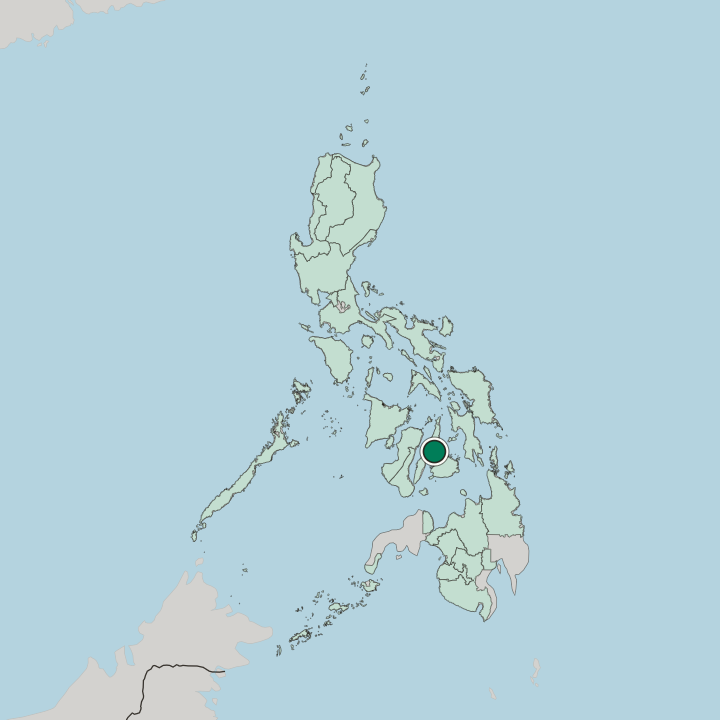
Cebu City takes up about 315 square kilometres of Cebu Island, which is a large area for a single Philippine city. The island setting governs. Central Visayas surrounds it, with Cebu Province immediately around the city and the wider Visayas beyond, so Cebu City sits in the tropics as an island capital rather than a mainland one.
What is the climate of Cebu City?
The sea keeps it even. Cebu City is an island city in the tropics, so the water around Cebu Island holds the temperature within a narrow band and leaves rain as the thing that varies through the year. Wet and dry, in turn.
Visitors planning around Fort San Pedro and the outdoor parts of the city watch the rain rather than the thermometer, and the indoor list of museums exists as an answer for the days when that goes against them.
How do you get to Cebu City?
Arrivals converge here. Cebu City works as the transport hub of the Visayas, so movement to Cebu Island and onward across Cebu Province is organised through the city rather than around it. That cuts both ways.
Anyone heading for the rest of Cebu Island passes through the City of Cebu at some point, which makes a night here practical even for travellers whose real object is elsewhere in Central Visayas.
Common questions
What is the best area to stay in Cebu City?
Fort San Pedro quarter: Old-city mornings that begin at Fort San Pedro. Cathedral Museum surrounds: A base beside the Cathedral Museum of Cebu. Sports Complex and Coliseum side: Event nights at the Cebu Coliseum. Cebu Ocean Park approach: Family days built around Cebu Ocean Park. University museum side: Collections at the University of San Carlos Museum.
Good for
More cities in Central Visayas
Updated September 2026