Philippines
Central Visayas, Philippines — Towns & Travel Guide
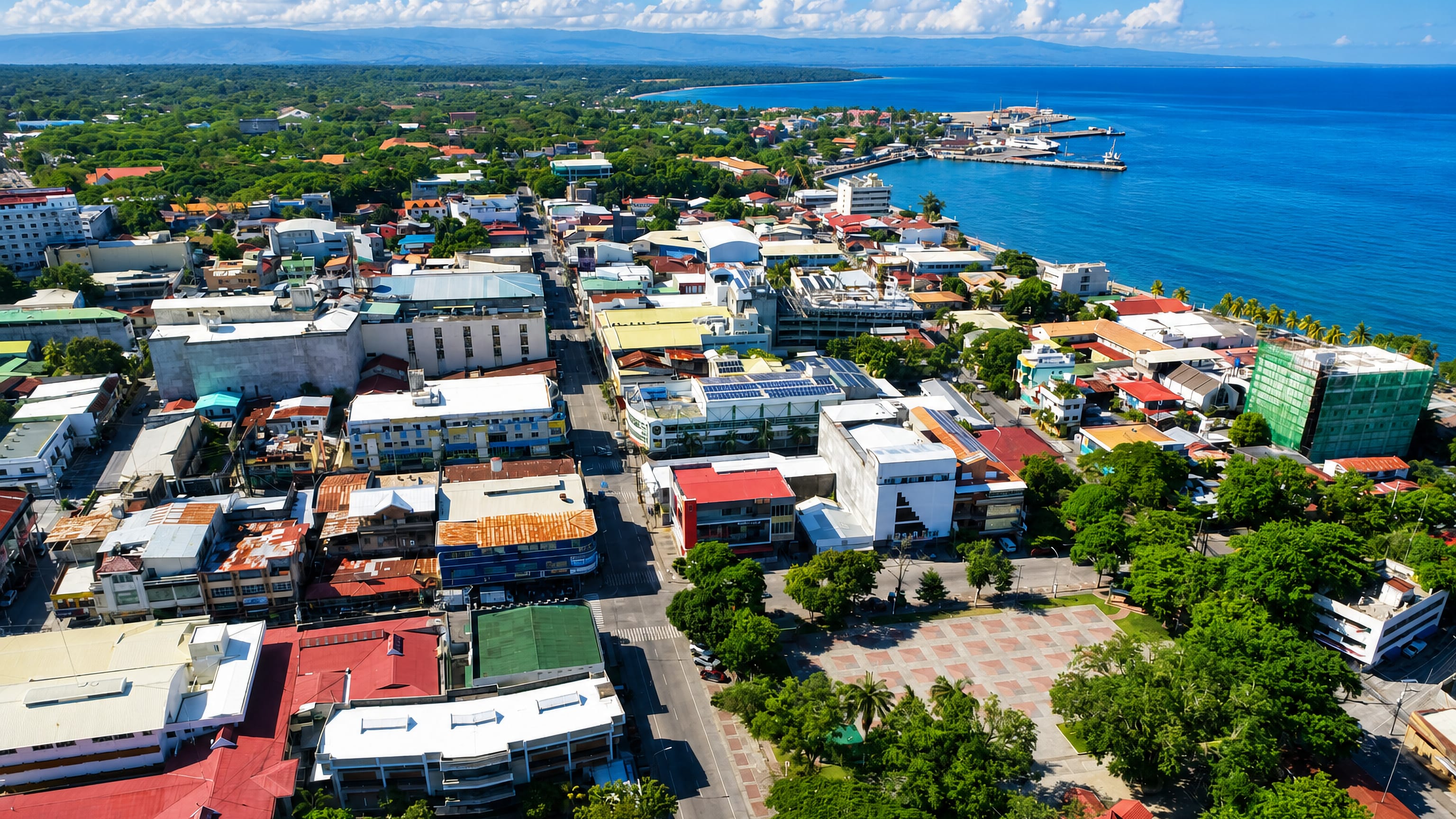
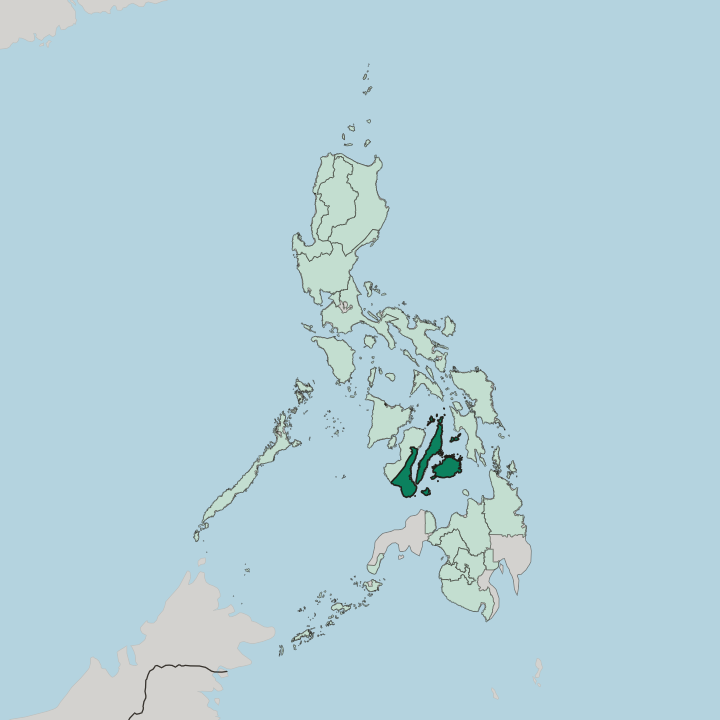
Central Visayas, Region VII, is the two-province region at the middle of the Philippines: Cebu and Bohol, plus three highly urbanized cities.
Hotel links are affiliate links: booking through them may earn us a commission, at no extra cost to you. It never affects how places are ranked. How this works


Towns & cities in Central Visayas
Pick a town or city — each links to where to stay.
 Philippines
Cebu City
Cebu City is the capital of Cebu Province and the main city on Cebu Island, known across the Philippines as the Queen City of the South.Where to stay →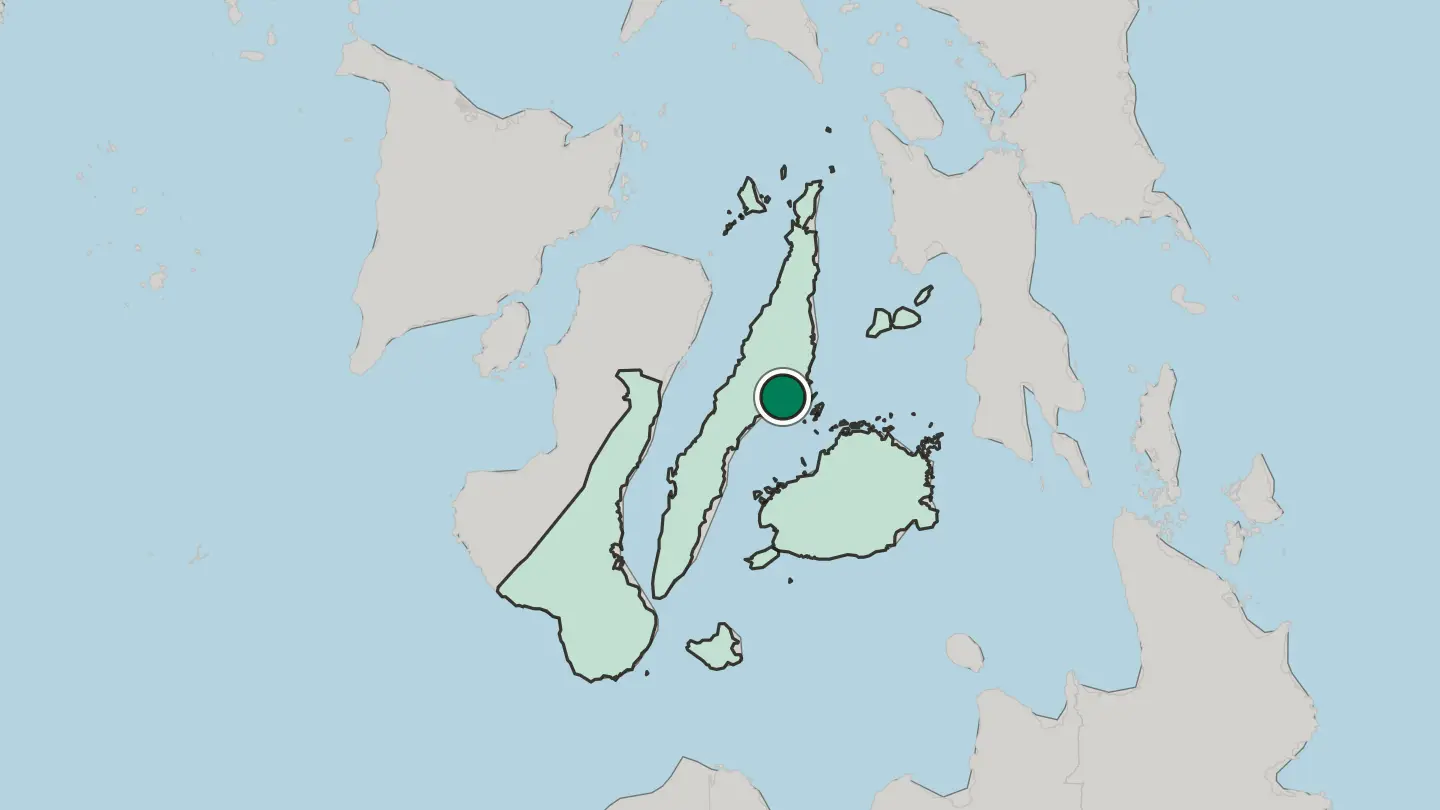
 Philippines
Lapu-Lapu City
Lapu-Lapu City sits on Mactan Island opposite Mandaue, a Central Visayas city that keeps the Liberty Shrine and the Lapulapu Monument.Where to stay →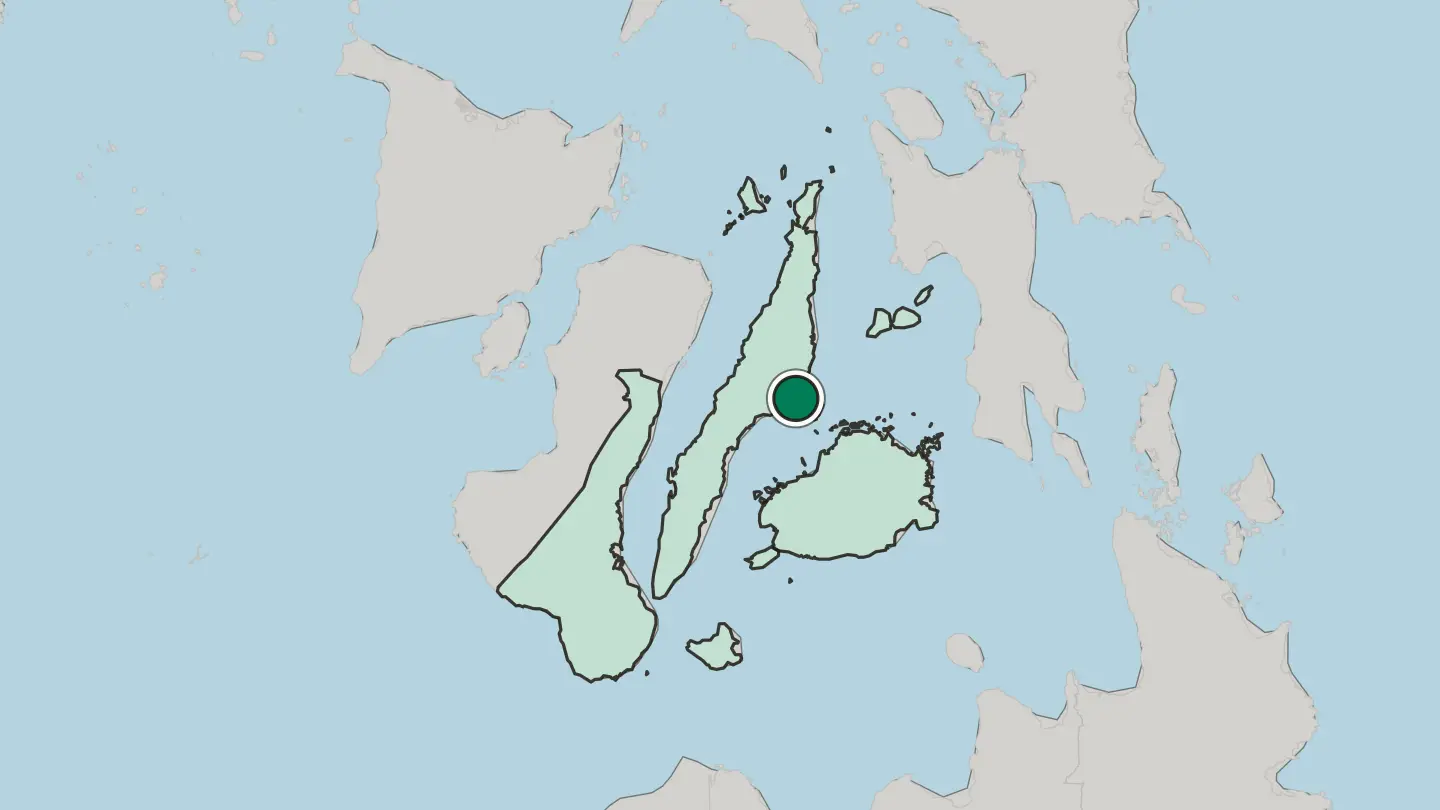
 Philippines
Mandaue City
Mandaue City stands in Metro Cebu just north of Cebu City, a Central Visayas city holding Mandaue Church and two bridges toward Lapu-Lapu.Where to stay →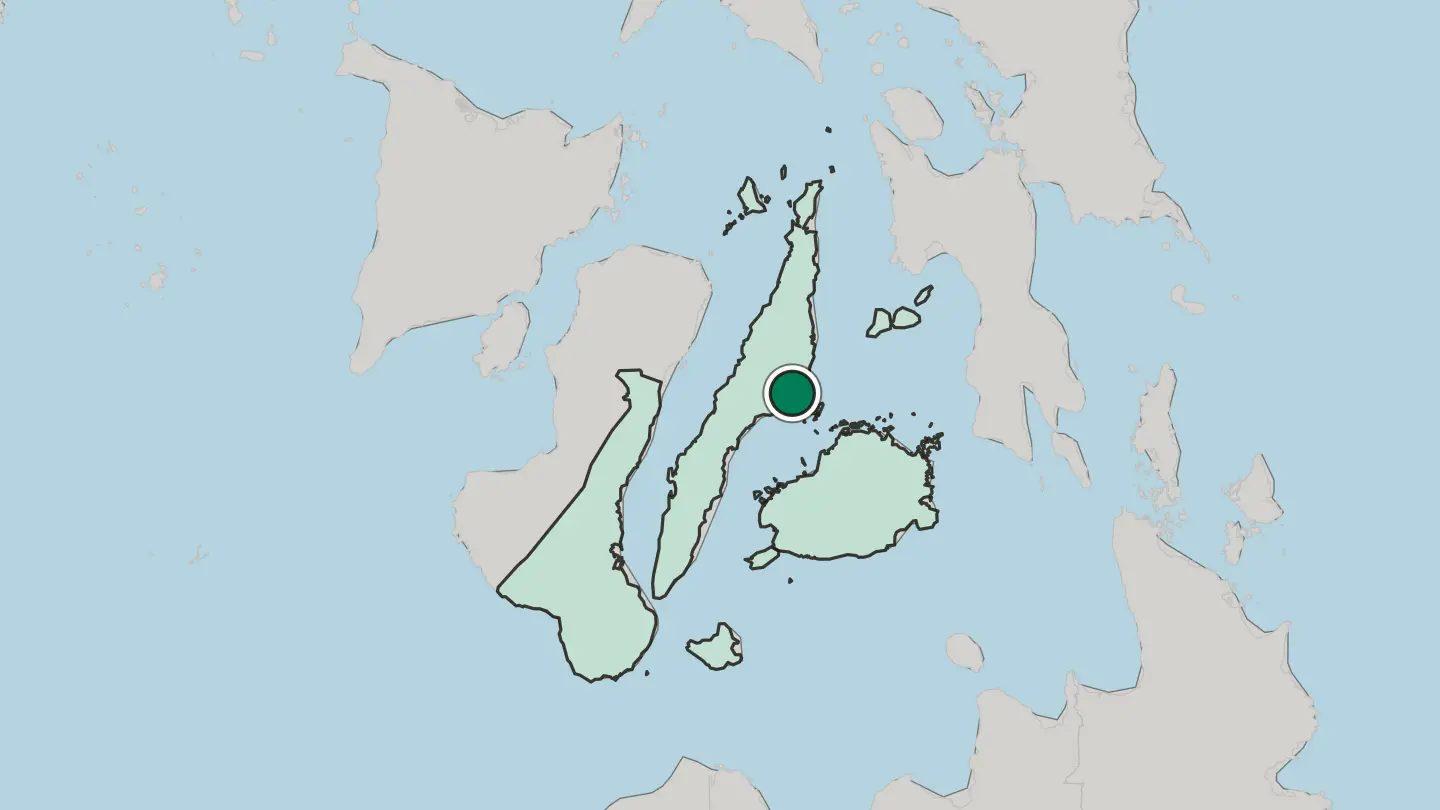
 Philippines
Talisay
Talisay is a component city of Cebu in the Metro Cebu ring, just south of Cebu City and bordering it, and dating from 1648.Where to stay →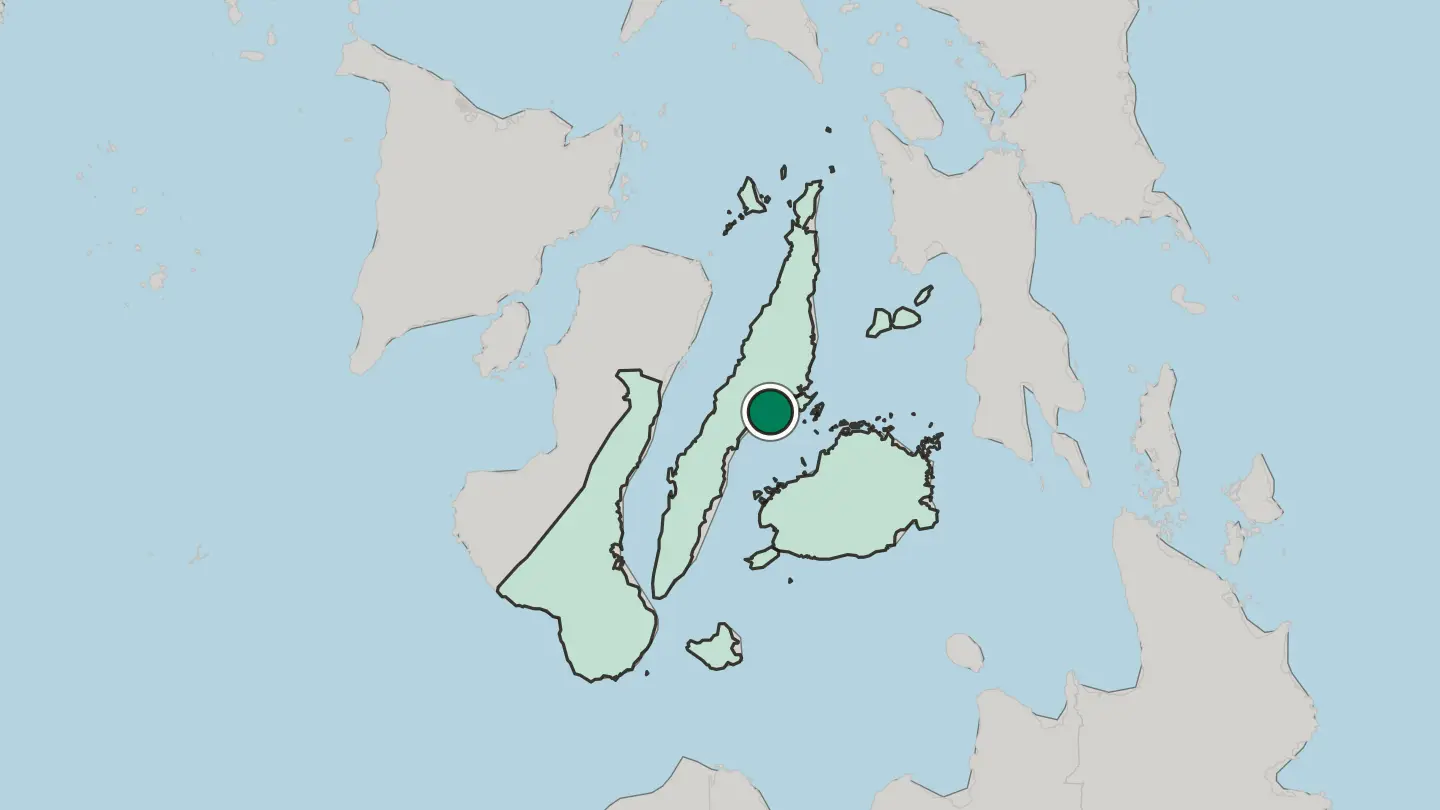
 Philippines
Dumaguete
Dumaguete is the capital and main port of Negros Oriental, a Philippine city known for Silliman University and its byname, City of Gentle People.Where to stay →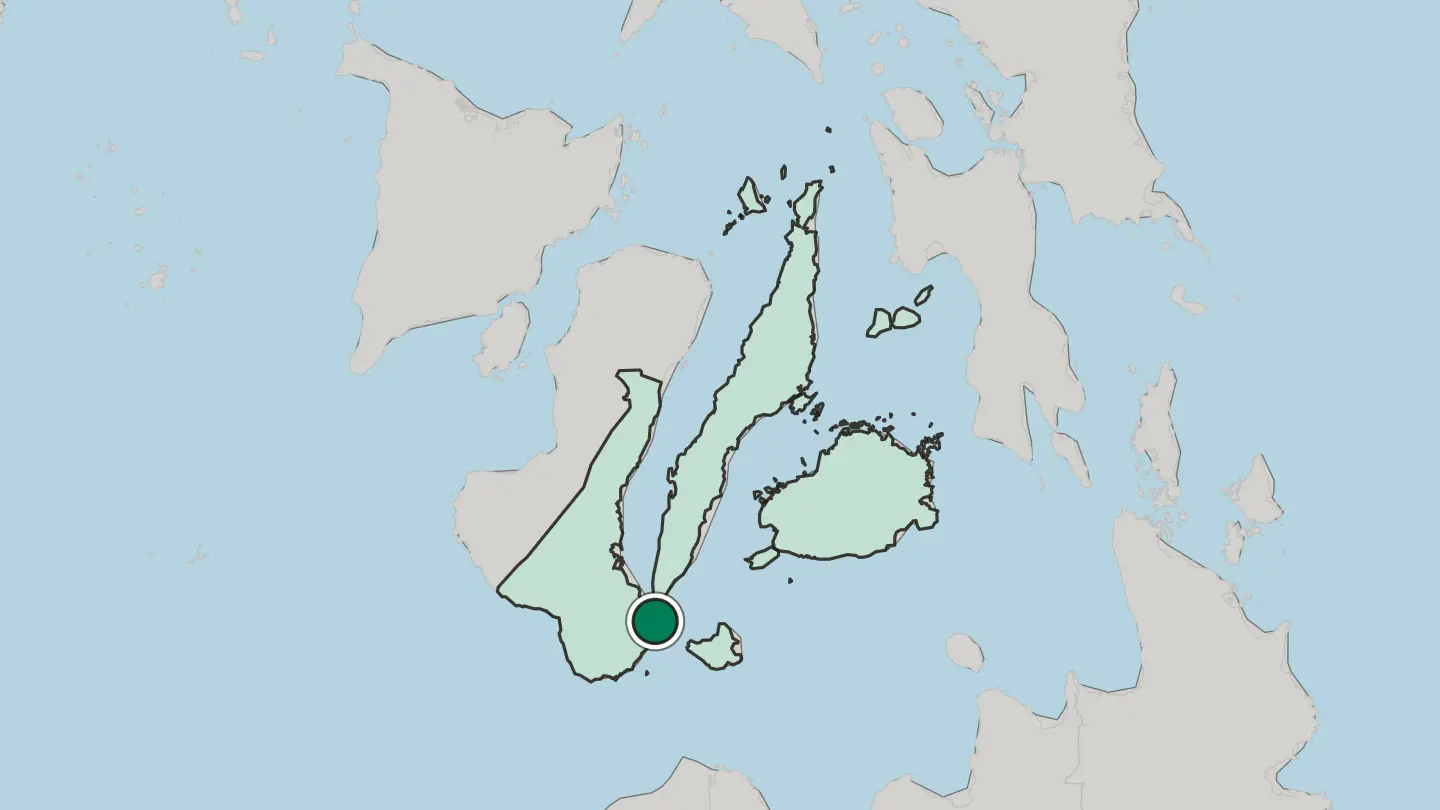
 Philippines
Tagbilaran City
Tagbilaran is the capital and main entry point of Bohol, a component city dating from 1742 and known as the City of Friendship.Where to stay →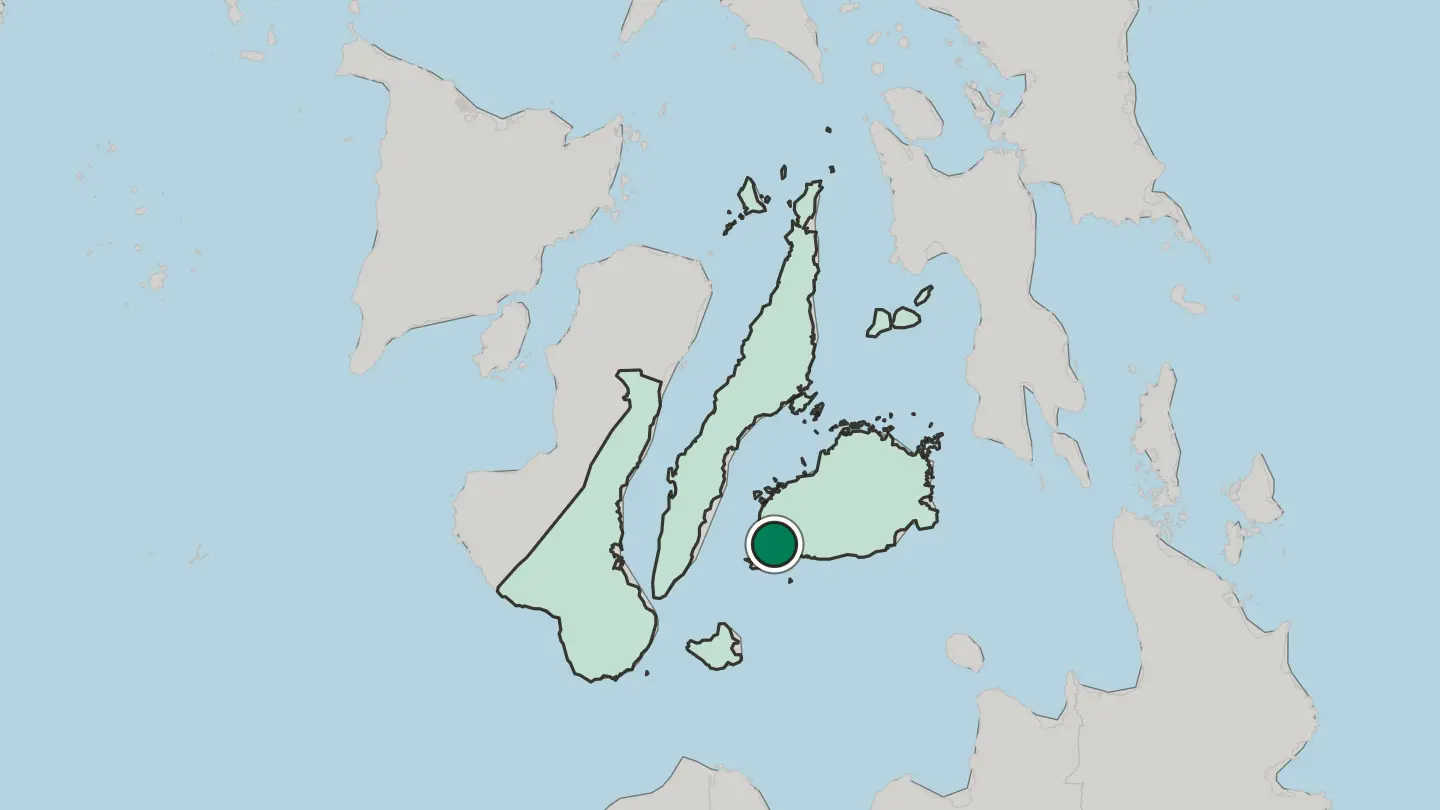
Hotel links are affiliate links: booking through them may earn us a commission, at no extra cost to you. It never affects how places are ranked. How this works
About Central Visayas
Fewest provinces, most people.
What is Central Visayas known for?
Central Visayas runs on Cebu and Bohol alone, a smaller provincial count than any other region in the country, and yet no region of the Visayas carries more people than this one. Three cities are highly urbanized. Cebu City, Lapu-Lapu, and Mandaue each stand outside provincial administration, which gathers urban weight in a way the two-province structure alone would never suggest.
Where is Central Visayas?
Two provinces make the whole region. Central Visayas consists of Cebu and Bohol and nothing else at provincial level, the smallest such count in the country, which sets it apart from regions that gather four, five, or seven provinces under one designation. The Visayas sit at the middle of the archipelago.
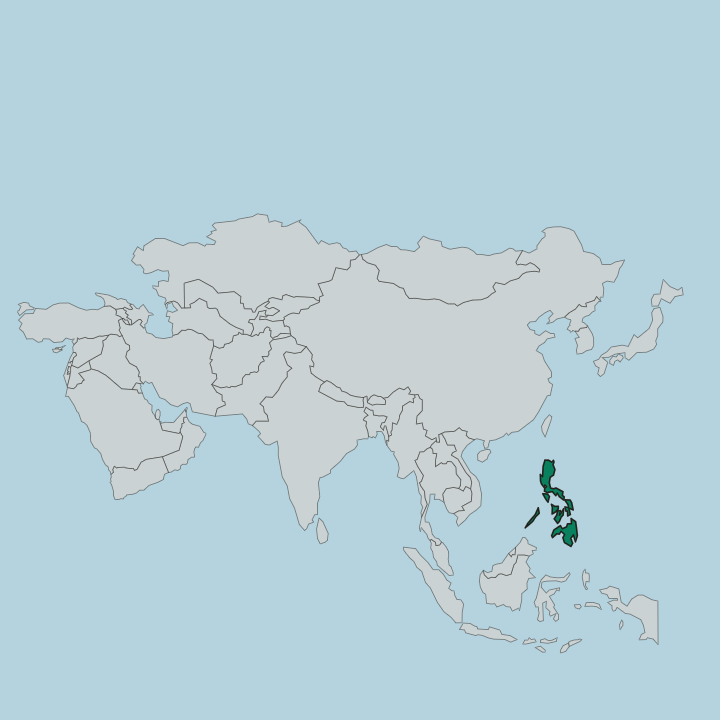
This region falls inside that island group, roughly at the centre of the whole country, and the water between its parts is as much a feature of the map as the land. Cities do the concentrating. Cebu City, Lapu-Lapu, and Mandaue all hold highly urbanized status, so three separate city governments operate inside a region that has only two provincial ones.
The balance is unusual. Fewer provinces than anywhere else in the country and more people than any other region of the Visayas is a combination that presses a great deal onto a small amount of ground, and it shows in the way the urban and provincial layers overlap. Bohol carries the other half of that provincial map.
It is separated from Cebu by water and by the different weight of settlement on either side.
What is Central Visayas like?
Cebu is the name that carries. A province and a city both hold it, so the same word covers the region's larger administrative unit and its urban centre at once, and the distinction between the two matters most to anyone dealing with either government. Bohol is the counterweight.
It is the second province, sharing Region VII with Cebu while keeping an identity that the region's urban block does not reach into. The city layer works on its own terms. Cebu City, Lapu-Lapu, and Mandaue are administered outside provincial government, which leaves Central Visayas with three urban administrations against only two provincial ones, an inversion that few regions in the country can match.
English is the working language throughout. Someone moving between Bohol and the cities changes province, crosses water, and finds the language of business and lodging unchanged at both ends of the trip. That consistency counts for a lot in a region this compact.
Two provinces and three cities is a short list, and much of what makes Central Visayas recognisable comes out of the tension between those two counts rather than out of any single landscape.
What is the history of Central Visayas?
No founding date attaches to the region. Central Visayas exists as the Region VII designation over Cebu and Bohol, and its shape is described by subtraction, since no region in the country holds fewer provinces than these two. The cities came up separately.
Cebu City, Lapu-Lapu, and Mandaue each took highly urbanized status, which lifted them clear of provincial administration and left the region with more city governments than provincial ones.
What is the climate of Central Visayas?
Sea air reaches everything here. Central Visayas lies in the tropics north of the equator, and because the region belongs to the Visayas island group its provinces are surrounded by water rather than merely bordered by it. Both provinces are island ground.
Nothing in Cebu or Bohol stands far enough inland to sit outside a maritime influence, and the crossings between them are worked around conditions in a way that travel inside Cebu City, Lapu-Lapu, and Mandaue never is.
How do you get to Central Visayas?
Water is part of every itinerary. Central Visayas holds two provinces, and reaching Bohol from the Cebu side is a crossing rather than a drive, which puts sailings at the centre of any plan involving both. The cities are the simpler half.
Cebu City, Lapu-Lapu, and Mandaue share the same highly urbanized standing, so a trip taking in all three is a city matter rather than a regional journey.
Common questions
What is the best area to stay in Central Visayas?
Cebu City: The urban centre of Central Visayas, sharing its name with the province of Cebu. Mandaue: Region VII's urban block without taking a room in Cebu City. Bohol: The second of the two provinces Central Visayas contains.
Good for
More regions in Philippines
Updated September 2026