Philippines · Eastern Visayas
Where to Stay in Tacloban, Eastern Visayas
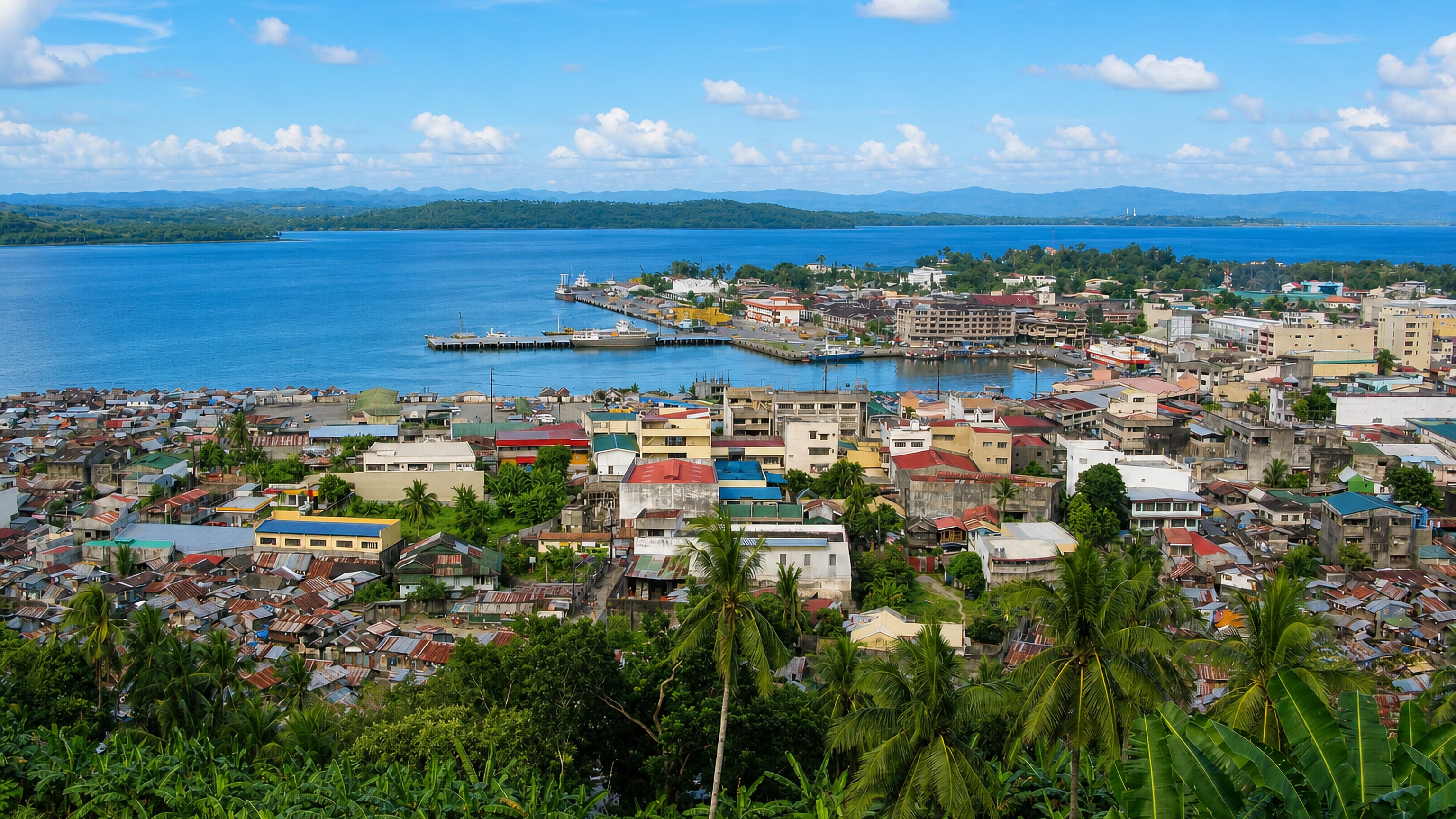
Tacloban, capital of the province of Leyte, is a highly urbanized city of Eastern Visayas and host of the Pintados Festival.
Hotel links are affiliate links: booking through them may earn us a commission, at no extra cost to you. It never affects how places are ranked. How this works


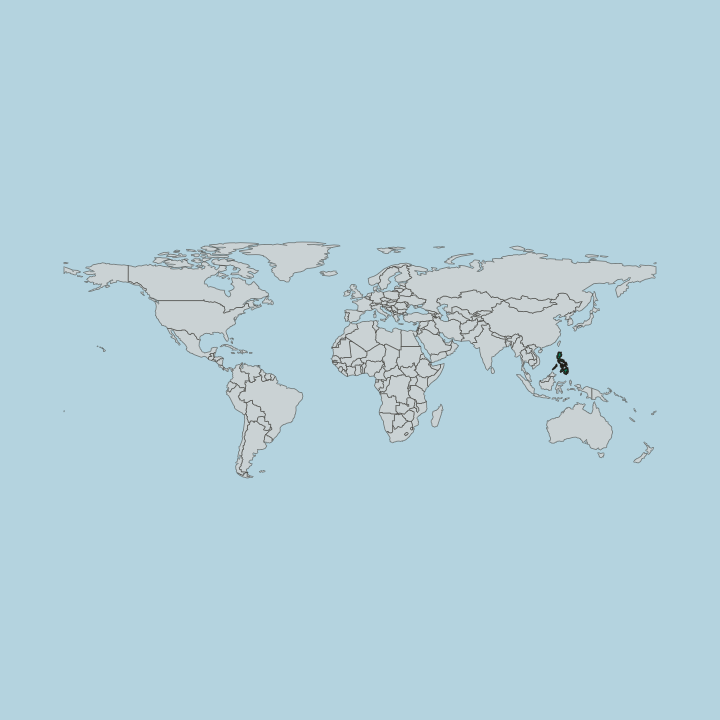
Where to stay in Tacloban
Where visitors usually base themselves, and why.
Tacloban is a capital first. The provincial business of Leyte concentrates in its central streets, and a room there keeps the Santo Niño Shrine and Heritage Museum, the offices and the ordinary commerce of the city within one walk. That is the working half.
Anyone visiting for the Pintados Festival should take it, since the event fills those same streets and the city's beds go early in that week. Ormoc, on the far side of the province, takes the western traffic while Tacloban keeps the capital's own. The Yolanda Shipwreck Memorial Park marks the other side. Ground near it stands away from the capital's daily traffic, which suits a longer stay or a visitor who would rather not sleep beside provincial offices.
Distances stay manageable either way. Tacloban covers about 202 square kilometres, but the catalogued sites and the provincial functions sit close enough together that a stay in one half does not rule out the other. The City of Tacloban has carried a date since 1770, and the Philippines classes it as a highly urbanized city inside the Eastern Visayas region.
Book early for festival week.
Find hotels in Tacloban
Direct booking searches for these neighbourhoods.
Santo Niño Shrine quarter
The Santo Niño Shrine and Heritage Museum stands here, and the provincial offices of Leyte keep the same streets in use with capital business through the week.Find hotels in Santo Niño Shrine quarterQuiet ground beside the Yolanda Shipwreck Memorial ParkMemorial Park side
Rooms toward the Yolanda Shipwreck Memorial Park sit away from the working core of the capital, on ground the City of Tacloban set aside for remembrance. Rooms are few around here — worth securing early.Find hotels in Memorial Park sideFestival week in the central streets of TaclobanPintados Festival streets
Beds in the streets the Pintados Festival fills are the hardest to secure during the event and the simplest choice at any other time of the year.Find hotels in Pintados Festival streetsHotel links are affiliate links: booking through them may earn us a commission, at no extra cost to you. It never affects how places are ranked. How this works
About Tacloban
The Pintados Festival carries the name furthest.
What is Tacloban known for?
Tacloban hosts it as a cultural event of Leyte that commemorates the life and culture of the province's early settlers, which makes the calendar as much a draw here as the buildings. Two catalogued sites follow. The Santo Niño Shrine and Heritage Museum and the Yolanda Shipwreck Memorial Park are the entries the record fixes, one a heritage collection and the other a memorial ground.
Provincial authority sits here too.
What are the main landmarks in Tacloban?
The record fixes two sites in Tacloban. Heritage occupies the first, since the Santo Niño Shrine and Heritage Museum keeps a collection inside the city that also serves as capital of the province of Leyte. The Yolanda Shipwreck Memorial Park is the second.
It is ground set aside for remembrance rather than display, and its presence in the catalogue alongside a heritage museum gives Tacloban an unusually serious pair of marked places. The Pintados Festival supplies the rest.
What is the history of Tacloban?
Tacloban carries a date of 1770. The town that year stood in the province of Leyte, roughly 580 kilometres south-east of Manila, which is the distance the record still uses to place the city. Settlers came before the city.
The Pintados Festival commemorates the life and culture of those early settlers of Tacloban, and it is through that event that the province marks its own beginnings. The province of Leyte was the frame. Capital status did the rest.
The City of Tacloban became the seat of Leyte, and provincial administration has shaped its central streets ever since, which is why the capital's business still sets the rhythm of the city. Eastern Visayas made it the regional centre. The Philippines classes Tacloban as a highly urbanized city within the Eastern Visayas region, a standing that separates it administratively from the towns of Leyte around it.
Memory came later. The Santo Niño Shrine and Heritage Museum and the Yolanda Shipwreck Memorial Park are the two entries the catalogue holds, one gathering heritage and the other set aside as a memorial. Both stand inside the capital.
Where is Tacloban?
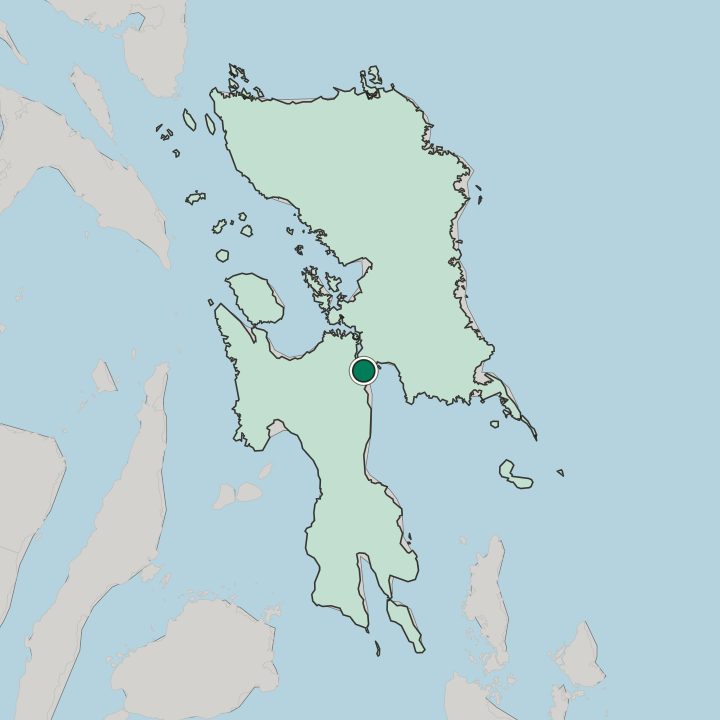
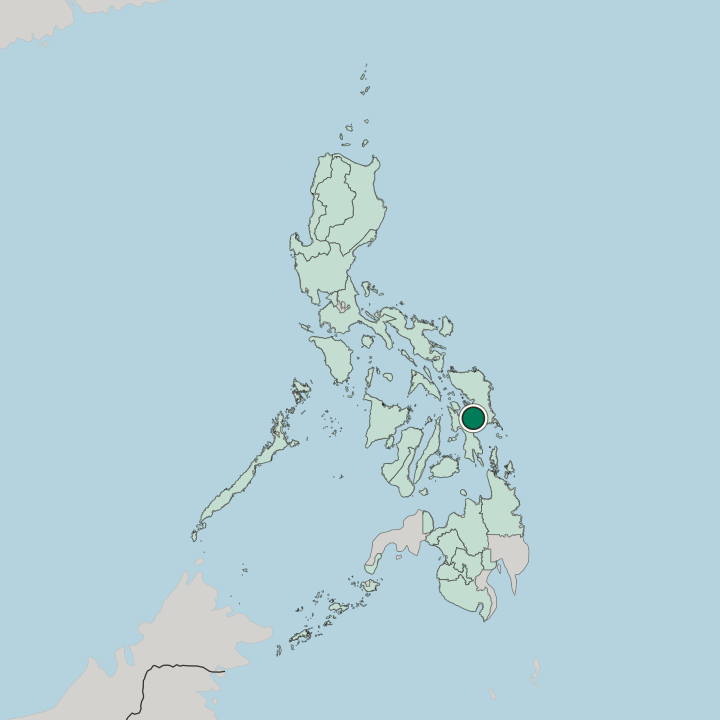
Tacloban covers about 202 square kilometres. The city stands in the province of Leyte, roughly 580 kilometres south-east of Manila, with Eastern Visayas as the region that frames it. Ormoc lies across the province.
That city takes the traffic of the western half, while Tacloban keeps the capital's functions and the tropics north of the equator cover both alike. Highly urbanized ground fills the centre.
What is the climate of Tacloban?
Warmth here is constant, rain is not. Tacloban sits well inside the tropics north of the equator, roughly 580 kilometres south-east of Manila, and that position gives the province of Leyte a year measured in wet and dry rather than in hot and cold. Festival season falls inside it.
The Pintados Festival happens in the same tropical calendar that governs everything else in Tacloban, so the weather question for a visitor is rain, not temperature.
How do you get to Tacloban?
Manila is the long leg. Roughly 580 kilometres separate Tacloban from Manila, which makes the approach a journey rather than a hop, and provincial routes across Leyte converge on the capital once a traveller is in the region. Ormoc handles the western side.
The run between the two cities crosses the province, and Eastern Visayas keeps both inside one region, so the transfer is provincial rather than a change of territory. Arrivals land in the capital's core.
Common questions
What is the best area to stay in Tacloban?
Santo Niño Shrine quarter: Heritage days at the Santo Niño Shrine and Heritage Museum. Memorial Park side: Quiet ground beside the Yolanda Shipwreck Memorial Park. Pintados Festival streets: Festival week in the central streets of Tacloban.
More cities in Eastern Visayas
Updated September 2026