Philippines
Eastern Visayas, Philippines — Towns & Travel Guide
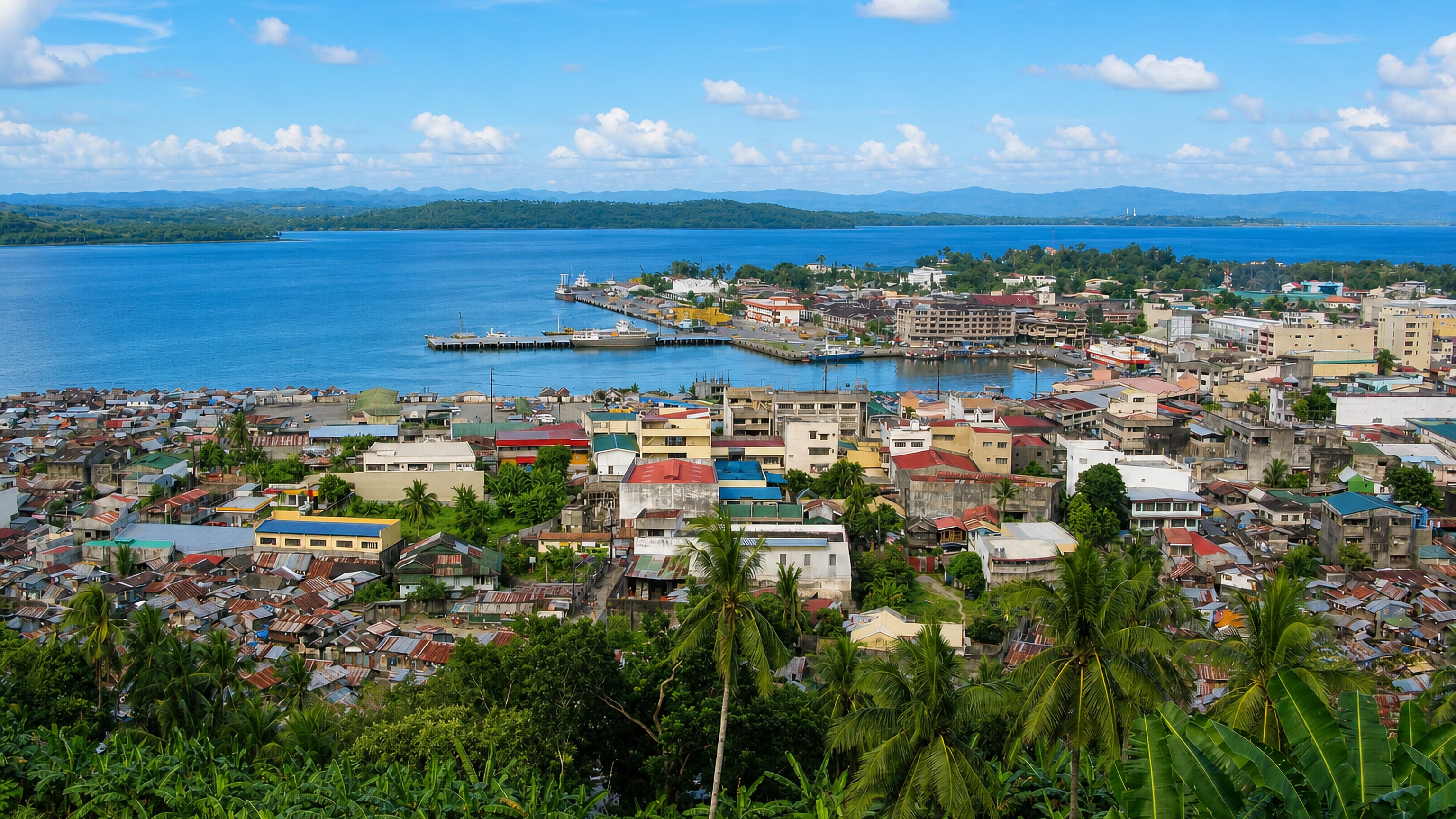
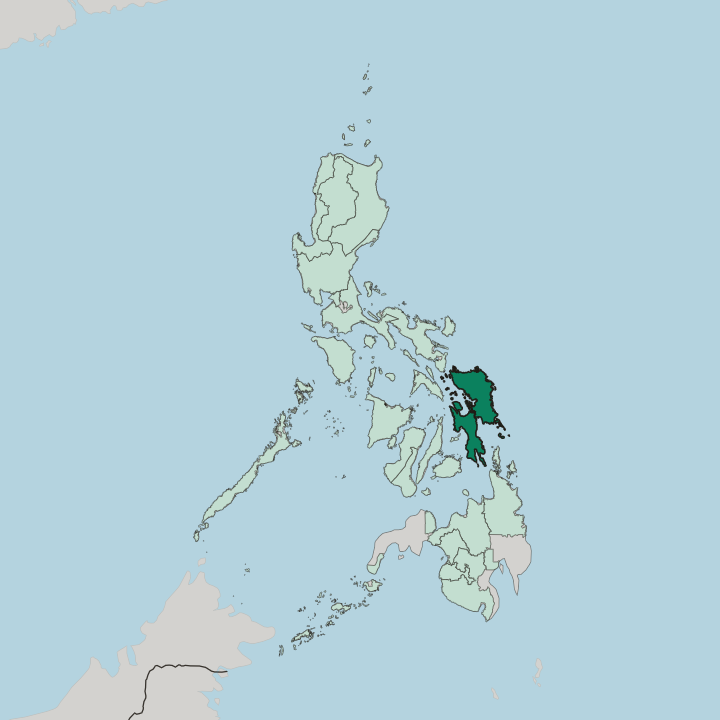
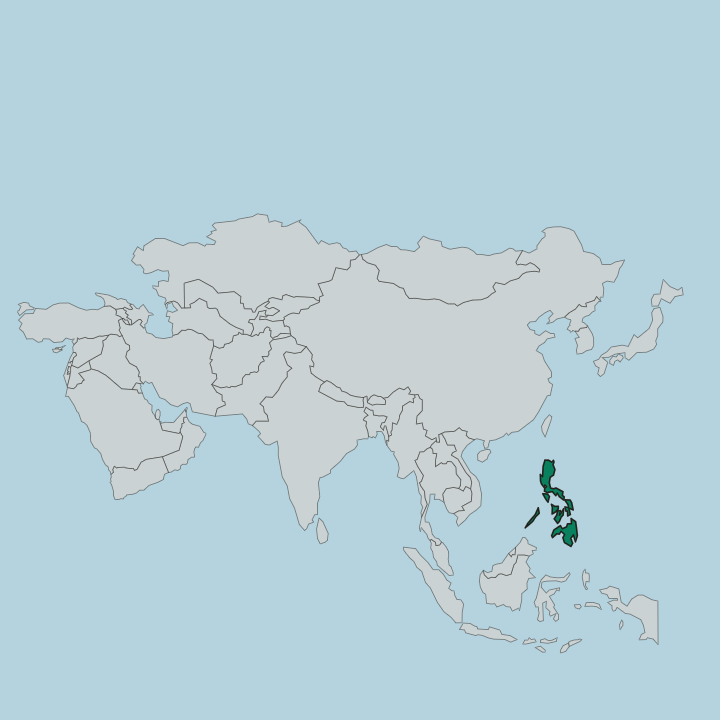
Eastern Visayas is Region VIII of the Philippines: Samar, Leyte and Biliran, the easternmost islands of the Visayas group, centred on Tacloban.
Hotel links are affiliate links: booking through them may earn us a commission, at no extra cost to you. It never affects how places are ranked. How this works


Towns & cities in Eastern Visayas
Pick a town or city — each links to where to stay.

 Philippines
Tacloban
Tacloban, capital of the province of Leyte, is a highly urbanized city of Eastern Visayas and host of the Pintados Festival.Where to stay →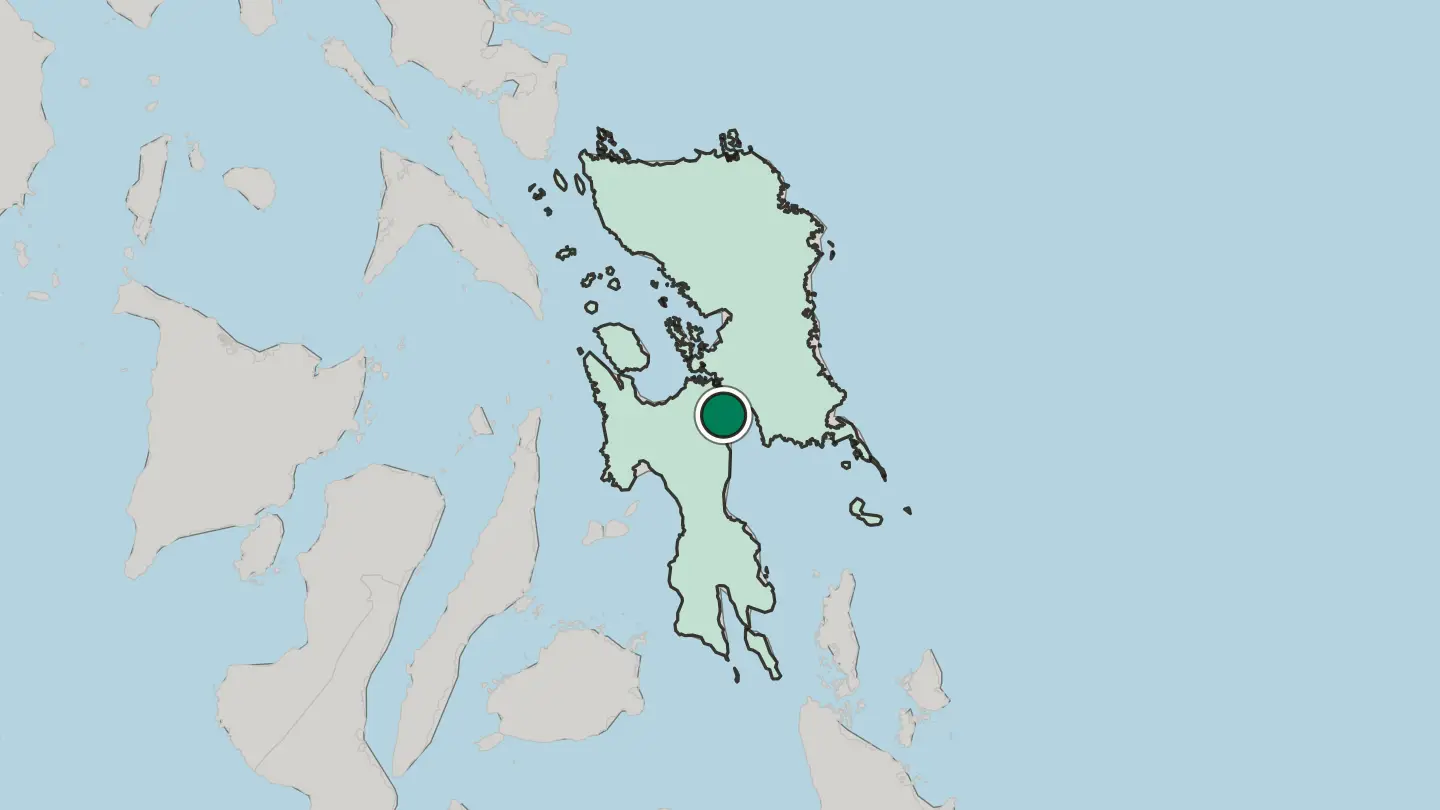
 Philippines
Ormoc
Ormoc is a city on the west side of Leyte Island, the commercial and transport hub of western Leyte and second in the province only to Tacloban.Where to stay →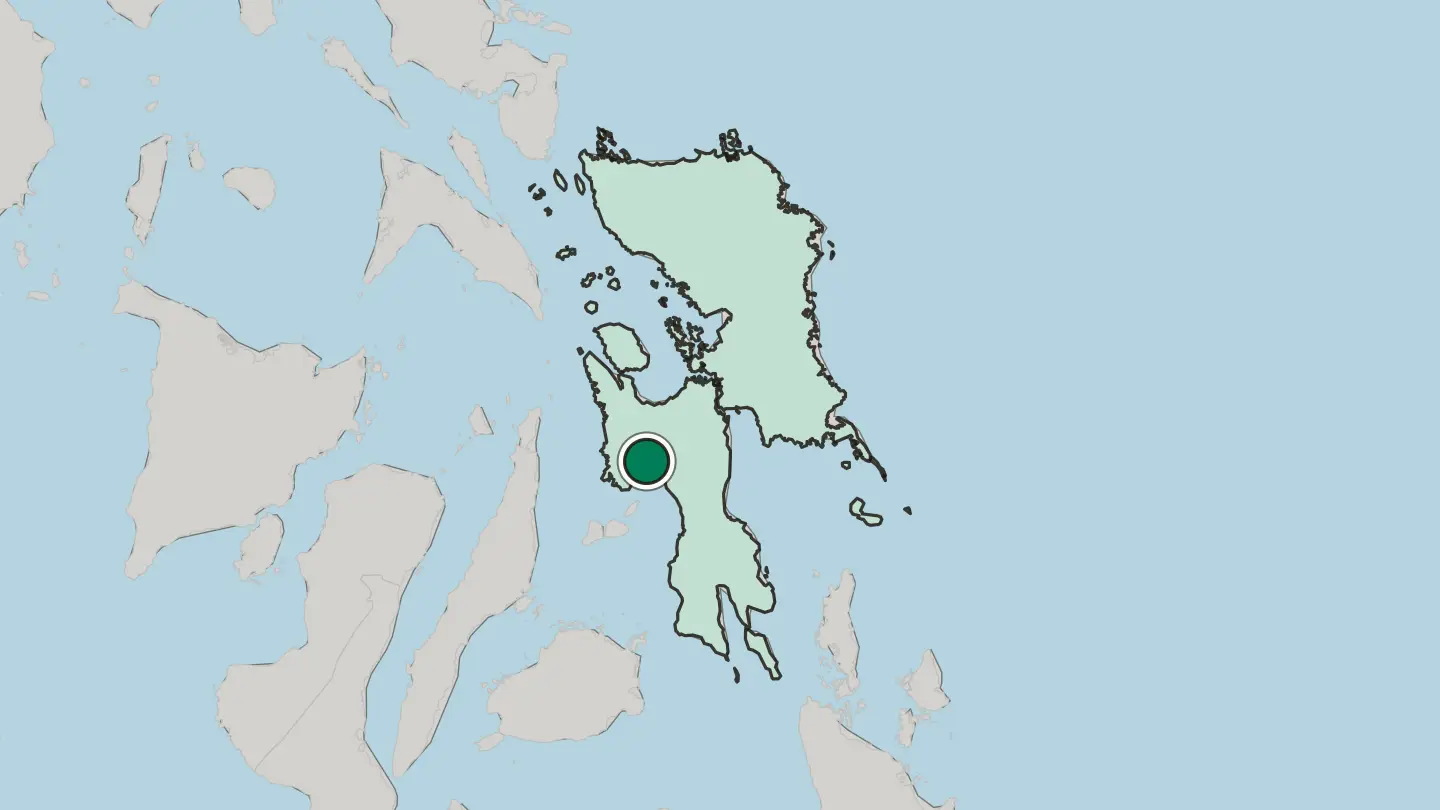
 Philippines
Catbalogan
Catbalogan is the capital of Samar and the province's commercial and financial centre, a component city on the Pan-Philippine Highway.Where to stay →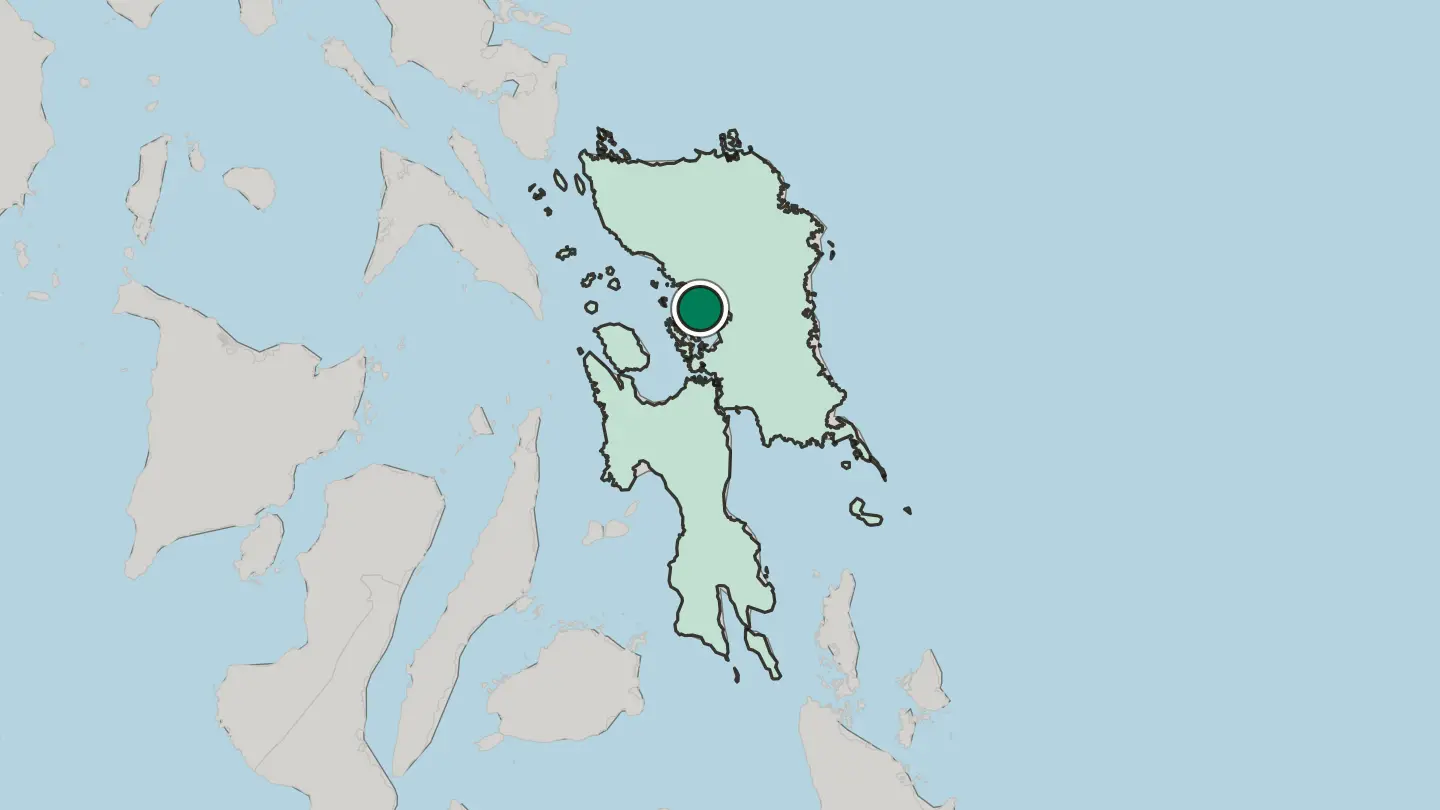
 Philippines
Calbayog City
Calbayog is a Samar city known as the City of Waterfalls and strung along the Maharlika Highway through Eastern Visayas.Where to stay →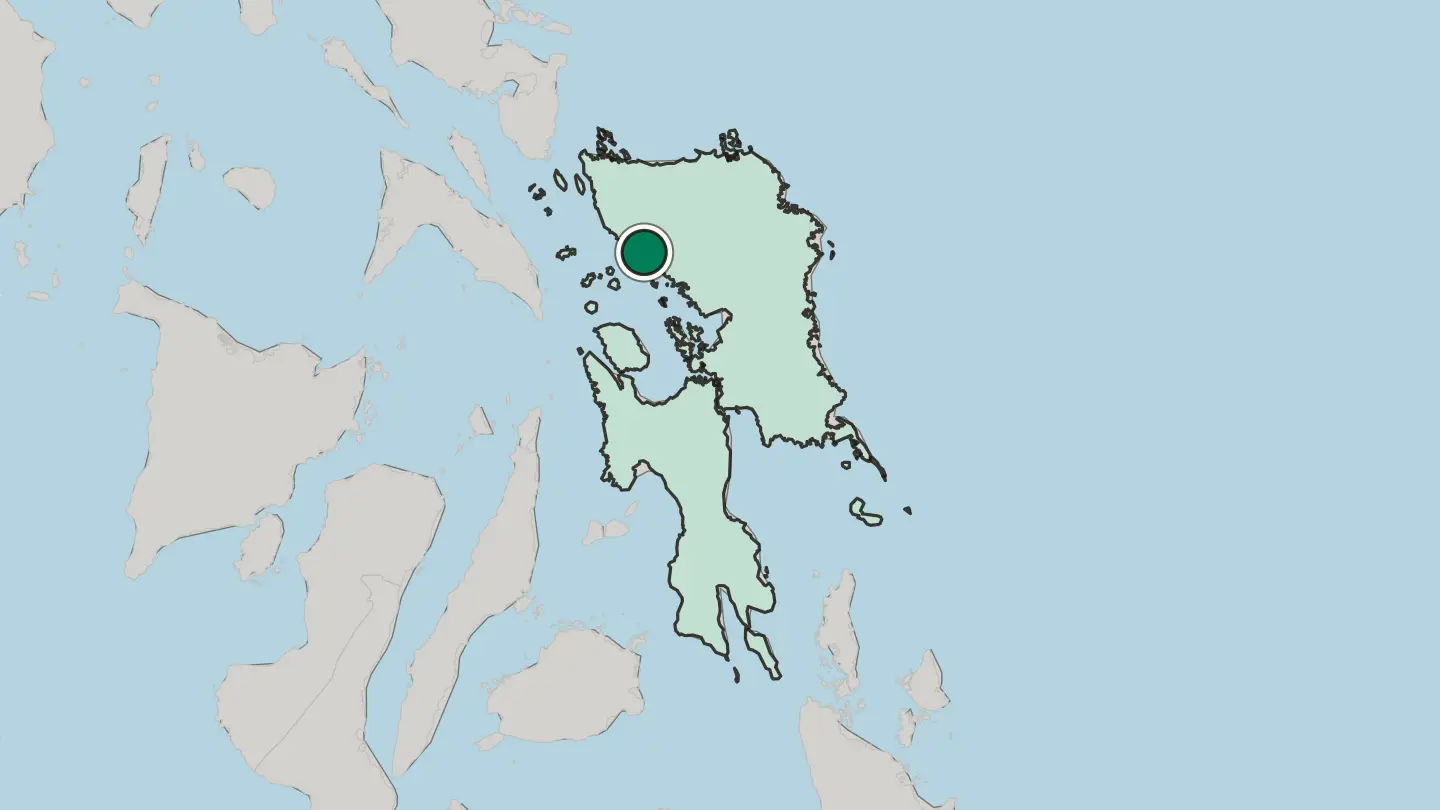
Hotel links are affiliate links: booking through them may earn us a commission, at no extra cost to you. It never affects how places are ranked. How this works
About Eastern Visayas
Six provinces make up the region.
What is Eastern Visayas known for?
Biliran, Leyte, Northern Samar, Samar, Eastern Samar and Southern Leyte divide three main islands between them, and the roll call of names is the quickest way to grasp how Eastern Visayas is put together. Tacloban is the sole regional centre. Ormoc holds the separate rank of independent city, which gives Region VIII two urban points of reference rather than one.
Where is Eastern Visayas?
Three islands carry the region. Samar, Leyte and Biliran sit at the eastern edge of the Visayas group, and that position gave Eastern Visayas both its name and its standing as one of the four administrative regions of the Visayan islands. Water is the constant.
Six provinces divide the land, so Northern Samar, Samar and Eastern Samar share one island, Leyte and Southern Leyte share another, and Biliran keeps the third to itself. That split is the region's basic fact of life, since anything crossing from one province group to the next has to cross water as well. Tacloban anchors all of it.
The city is the sole regional centre for Biliran, Leyte, Northern Samar, Samar, Eastern Samar and Southern Leyte alike, a heavy load for a single urban address spread across three separated islands. Ormoc supplies a second. Sea distance rather than road distance governs movement, because almost every province in Eastern Visayas meets open water along some part of its edge and the crossings between islands do the connecting.
Region VIII is the administrative shorthand, one of the seventeen regions of the Philippines and one of four in the Visayas group.
What is Eastern Visayas like?
Names do a lot of work here. Eastern Visayas is an administrative construction, Region VIII, drawn around the easternmost islands of the Visayas group and named for precisely that position rather than for any single town or people. The provinces carry the older identities.
Biliran, Leyte, Northern Samar, Samar, Eastern Samar and Southern Leyte each keep their own name in daily use, and the province names are the ones that appear on addresses across the three main islands. Two cities stand apart from that scheme. Tacloban is the region's sole centre and its one highly urbanized city, while Ormoc holds the separate rank of independent city, so both stand outside the ordinary provincial ladder.
English carries across all of it. It is the working language of administration and travel in Eastern Visayas, which matters in a region where six provinces and three main islands each bring their own habits to the table. Islands set the rhythm.
Samar, Leyte and Biliran are separated by water rather than by road, and that separation shows in how life is organised around coasts and the crossings between them. Region VIII sits inside the wider Visayas as one of four administrative regions there, so the island group's name is stamped on the region's own.
What is the history of Eastern Visayas?
Almost everything on file here is administrative. Eastern Visayas took its name from the ground it covers, the easternmost islands of the Visayas group, and the designation Region VIII placed it inside a national scheme of seventeen numbered regions. Six provinces came with it.
Tacloban was made the sole regional centre, and Ormoc kept a separate standing as the one independent city of the Philippines' Region VIII.
What is the climate of Eastern Visayas?
Open water sets the terms. Samar, Leyte and Biliran all lie in the tropics with sea on every side, so maritime air reaches every corner of Eastern Visayas and no part of the region sits far enough inland to shake it off. Heat is the steady part.
What varies is rain and wind, and the region's eastern flank, Samar and Eastern Samar, takes the first of whatever crosses the open water toward the Visayas group.
How do you get to Eastern Visayas?
Tacloban is the way in. As the region's sole centre and its one highly urbanized city, it takes the traffic that six provinces generate, and most routes into Eastern Visayas run through it before fanning out. Ormoc gives a second entry.
Beyond those two the region is a matter of crossings, because Samar, Leyte and Biliran are separate islands and getting from one to the next means going over water.
Common questions
What is the best area to stay in Eastern Visayas?
Tacloban: travellers using the sole regional centre of Region VIII as one fixed base. Ormoc: stays that want a second Region VIII address away from Tacloban.
Good for
More regions in Philippines
Updated September 2026